

On October 16, China’s embassy in Bangkok issued a travel alert urging Chinese citizens to take care in Thailand after a series of kidnappings and trafficking cases linked to fake job offers.
Category: Deep Dive
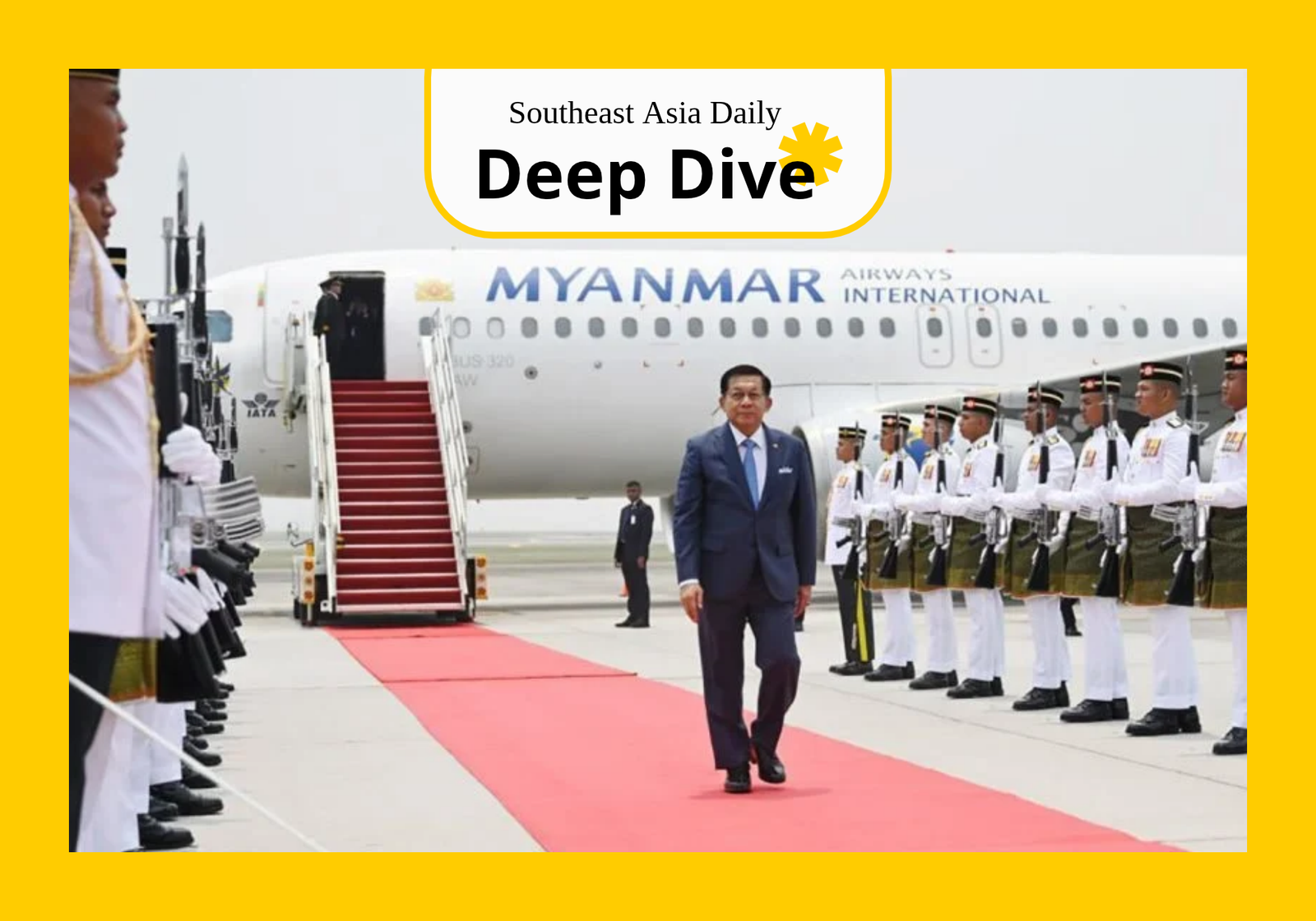
Beyond the Mainland Line: How ASEAN Members Are Reopening the Door to Myanmar
On October 7, Myanmar President Min Aung Hlaing arrived in Malaysia for a two-day official visit, extending a diplomatic return to ASEAN capitals that until this week had remained concentrated in mainland Southeast Asia. His arrival made Malaysia the fifth ASEAN member in the recent sequence—and the first maritime Southeast Asian country to host him.
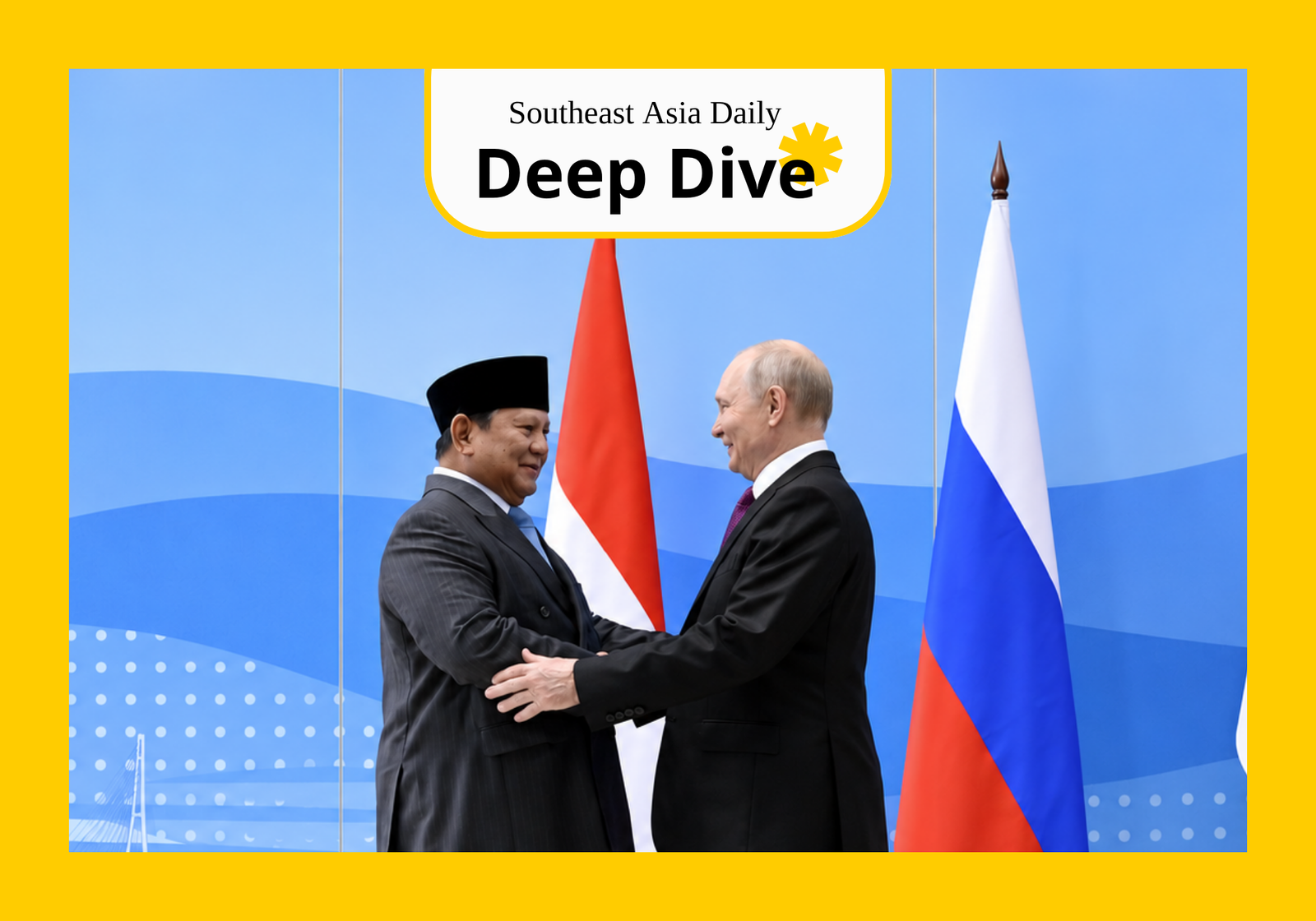
Whoever Gazettes First: Indonesia’s Race to Launch Outpaces Its Land Dispute
On September 3 this year,Vladimir Putin called Indonesia one of Moscow’s “trusted friends” in ASEAN, and Indonesian President Prabowo Subianto told the room in Vladivostok thatRussia and Indonesia “interact as equals.” The two leaders were discussing a joint spaceport on Biak, an island off Indonesia’s Papua coast.
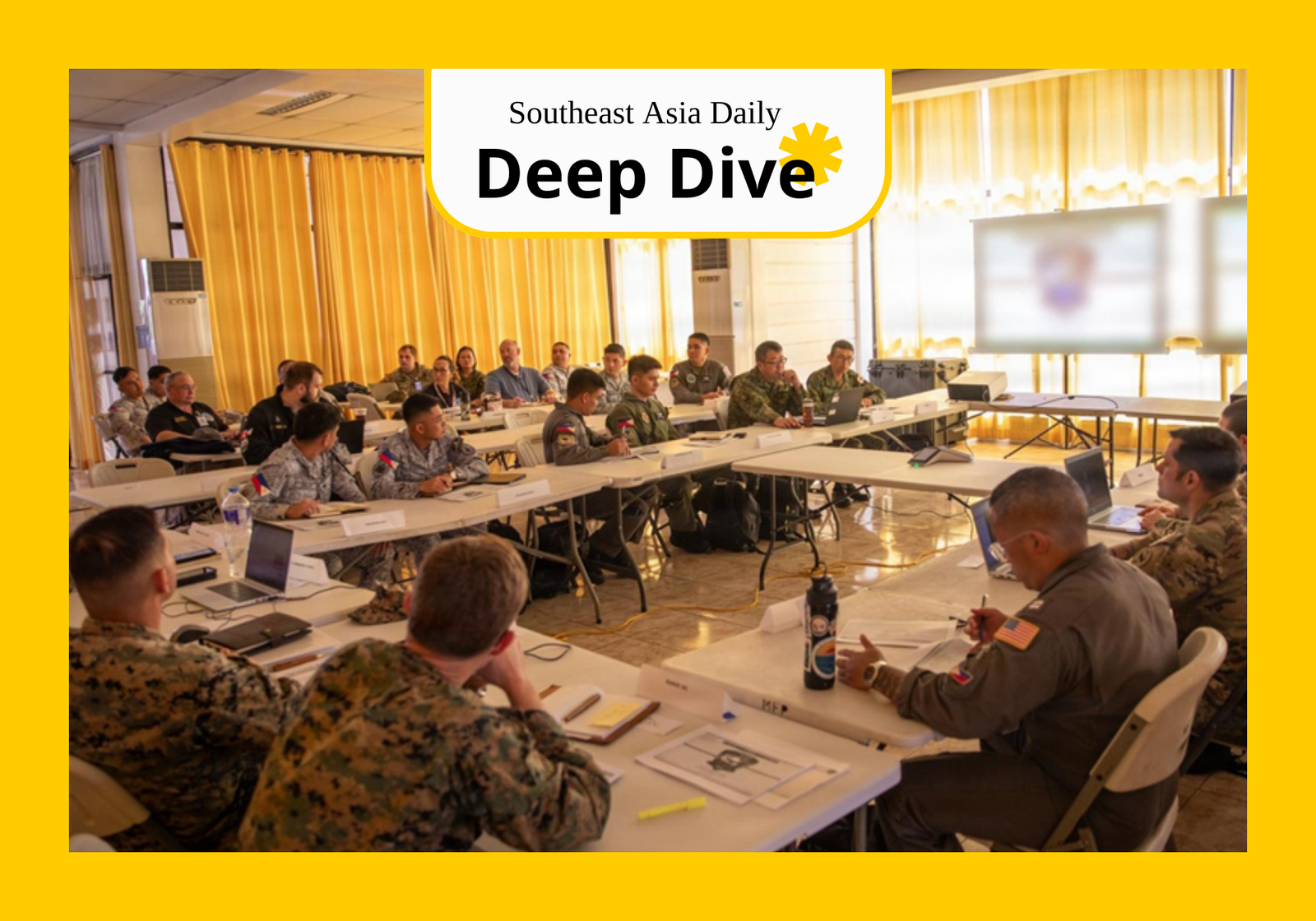
Beyond Pacifism: Japan’s Networked Deterrence Takes Shape in Southeast Asia
On September 6, Japanese government sources disclosed a plan to use Official Development Assistance (ODA) to upgrade Indonesian fishing ports so that Indonesian coastguard patrol vessels could use them as maritime-monitoring hubs.

The UN and ASEAN Collide Over the Thailand-Cambodia Border Dispute
More than one year after gunfire first broke out along the Preah Vihear temple complex, specifically on May 28, 2025, the Thai-Cambodian border dispute is back in the headlines through an unlikely channel: a UN human rights mandate. On 31 July 2026, Tom Andrews, UN Special Rapporteur on the situation of human rights in Cambodia, closed his first official mission to the country with an end of mission statement that devoted several passages to the border conflict, including a call on both governments to allow the safe return of displaced civilians. Bangkok rejected it within 24 hours, and the exchange escalated over the following week into a formal diplomatic note to the UN High Commissioner for Human Rights.

The Bangsamoro Elections Is A Test for Post-Conflict Politics
Nearly 2.4 million voters in the Philippines’ Bangsamoro Autonomous Region in Muslim Mindanao (BARMM) will cast ballots on September 14, 2026 in a watershed moment: the region’s first parliamentary elections. Bangsamoro voters will elect the representatives who will form their government and shape the policies and priorities that define their future. Yet, navigating these elections amid remnants of one of the world’s most protracted armed conflicts presents serious challenges. Women’s growing political participation points to whether the Bangsamoro can build genuinely inclusive governance or simply reproduce traditional hierarchies.

Southeast Asia’s Fourth Swing: the ISEAS 2026 Survey and Strategic Autonomy Under Strain
China vs the US Since 2019, the State of Southeast Asia survey published annually by the ASEAN Studies Centre at the ISEAS Yusof Ishak Institute has become the region’s “leading assessment of regional sentiment among policymakers, business leaders, and academics across Southeast Asia.” This article analyses its eighth edition, released on April 7, 2026, surveyed 2,008 respondents across all eleven ASEAN member states, including Timor-Leste for the first time following its October 2025 accession, fielded between January 5 and February 20, 2026.

The Normalisation Dilemma: Where Does Pragmatism End and Complicity Begin?
On 8 June 2026, Chinese President Xi Jinping arrived in Pyongyang for a two-day state visit, his first trip to North Korea in seven years and his first overseas engagement of 2026.

Men in Uniform: How Indonesia’s Security Apparatus Creep Back into Civilian Life
On June 9, the Indonesian House of Representatives passed the third amendment to the Police Law, sparking intense debate among the public and academia. One particular concern is that the new law will disparage the country’s longstanding Reformasi (literally meaning “reform”) attempt and revert to the legacy of the New Order.
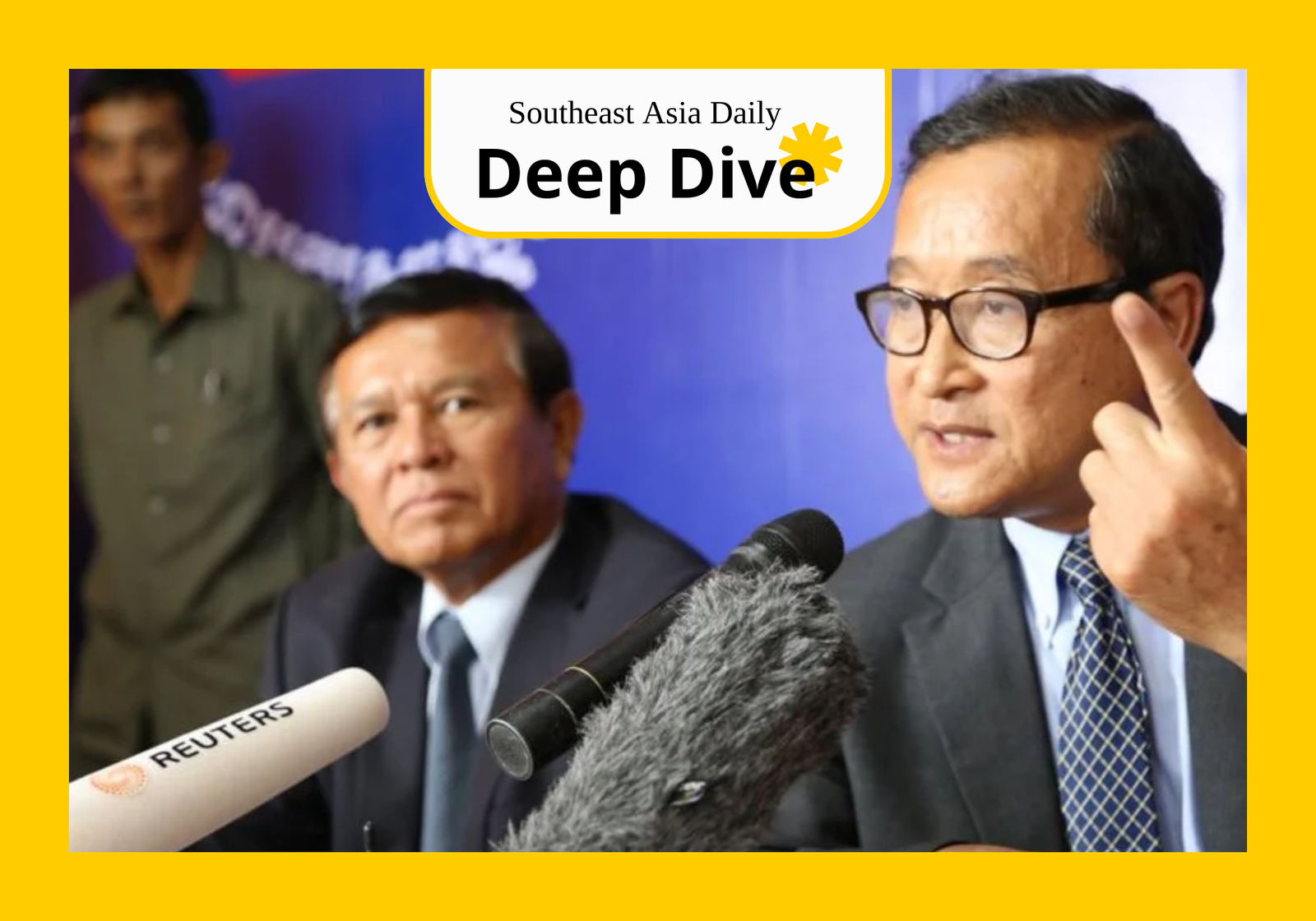
Kem Sokha’s Royal Pardon: Cambodia’s Opposition Leader Is Free, But Western Trust May Not Follow
On May 25, 2026, Hun Sen, Cambodia’s Senate President and prominent political figure, signed a royal pardon on behalf of King Norodom Sihamoni, lifted opposition leader Kem Sokha’s 27-year house arrest sentence for the treason accusation.