
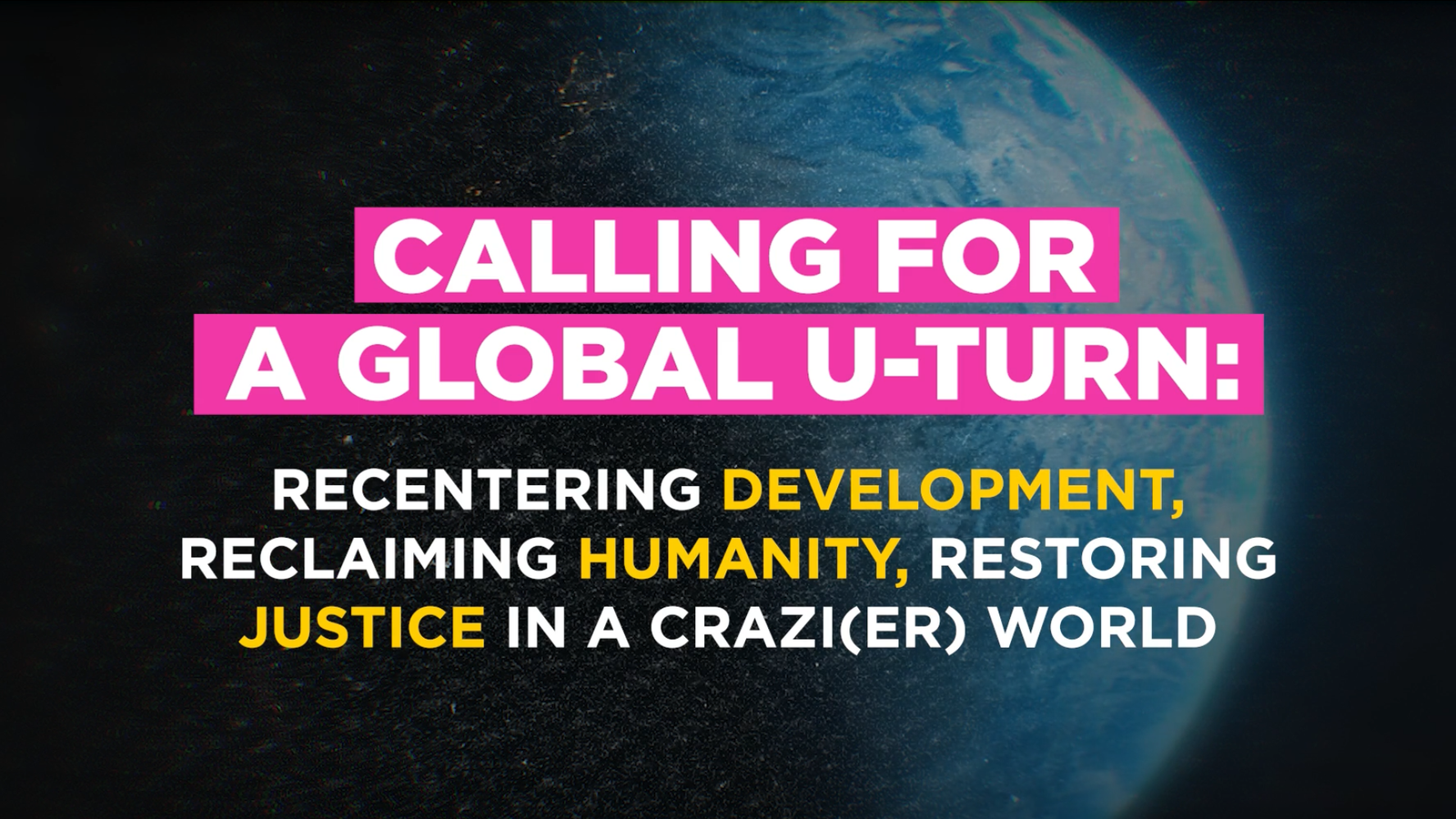
With a genuine belief that civil society is central to determining the world’s development agenda, the seventh Global Town Hall convened on September 19, drawing over 8,000 people from more than 120 countries and all walks of life.
Category: Countries
Global Town Hall 2026 Discusses Palestinian Statehood at Centre of Debate, Echoing ASEAN Position
On September 19, the Foreign Policy Community of Indonesia (FPCI) brought together diplomats, former officials, academics and civil society representatives for its Global Town Hall 2026, under the theme “Calling for a Global U-Turn: Recentering Development, Reclaiming Humanity, Restoring Justice in a Crazi(er) World,” with a special session focusing on the prospects for Palestinian independence and statehood.
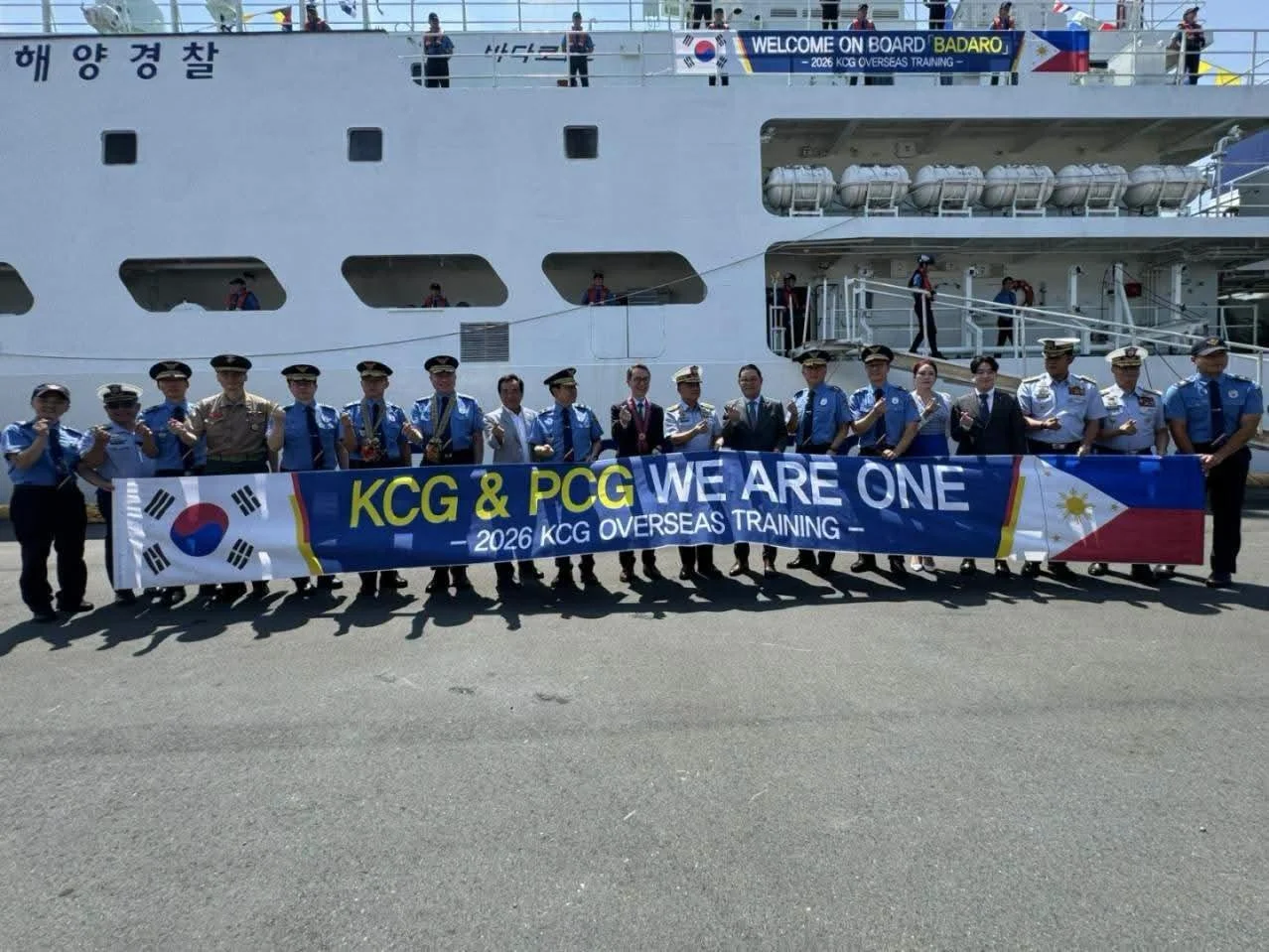
South Korean Coast Guard Ship BADARO 3011 Arrives in Manila Amid Growing ASEAN Engagement
South Korea is expanding practical maritime security cooperation with ASEAN as the Korea Coast Guard (KCG) training ship BADARO 3011 arrives in the Philippines for a four-day port visit with the Philippine Coast Guard (PCG) from September 14 to 17.

Everyone Wants AI to Design Faster. He Built AI That Remembers Artisan Values
An AI startup that makes shoes, bags, jewelry, figurines and plastic goods design-ready in minutes says its real product isn’t speed. It’s the vanishing know-how of the artisans which infuse products with depth and elegance.
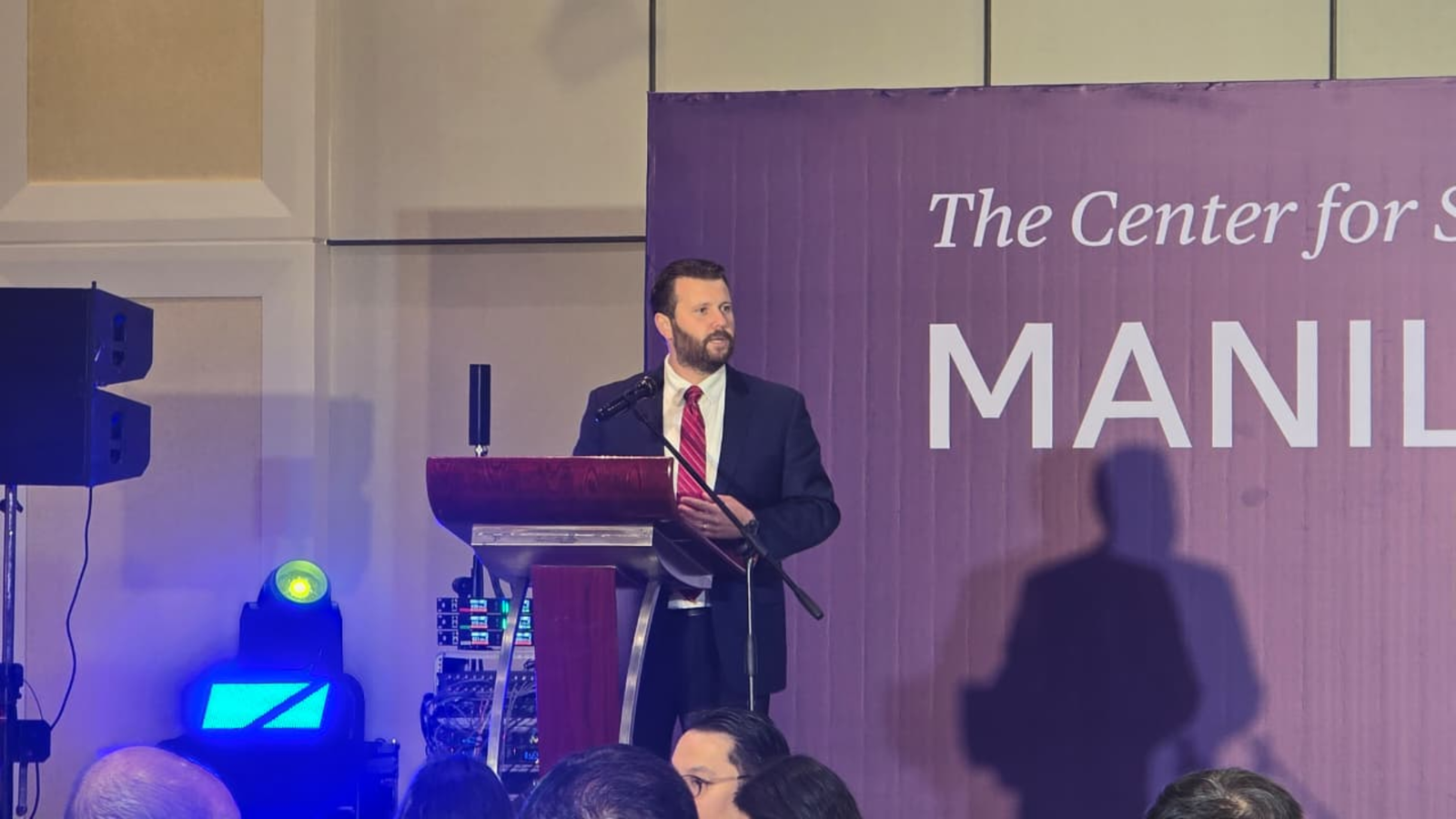
A ‘High-Risk, High-Reward Scenario’ Unfold for Southeast Asia Amid Fragmenting World Order
Gregory B. Poling, Senior Fellow and Director for the Southeast Asia Program and Asia Maritime Transparency Initiative at CSIS, formally opens the 2026 Manila Strategy […]

France and ASEAN Launch Creative ASEAN to Strengthen Cultural Cooperation
On September 10, France and the Association of Southeast Asian Nations (ASEAN) launched Creative ASEAN, a new regional initiative designed to deepen cooperation in the arts, culture and creative industries between France and all 11 ASEAN member states.

Why Greener Buildings Mean Changing What They Are Made Of, Not Just How They Run
Antonio Ng spent four years working on a building he was sure was part of the answer to climate change. He worked on the California Academy of Sciences in San Francisco which was the first museum in the world to earn LEED platinum certification twice over,
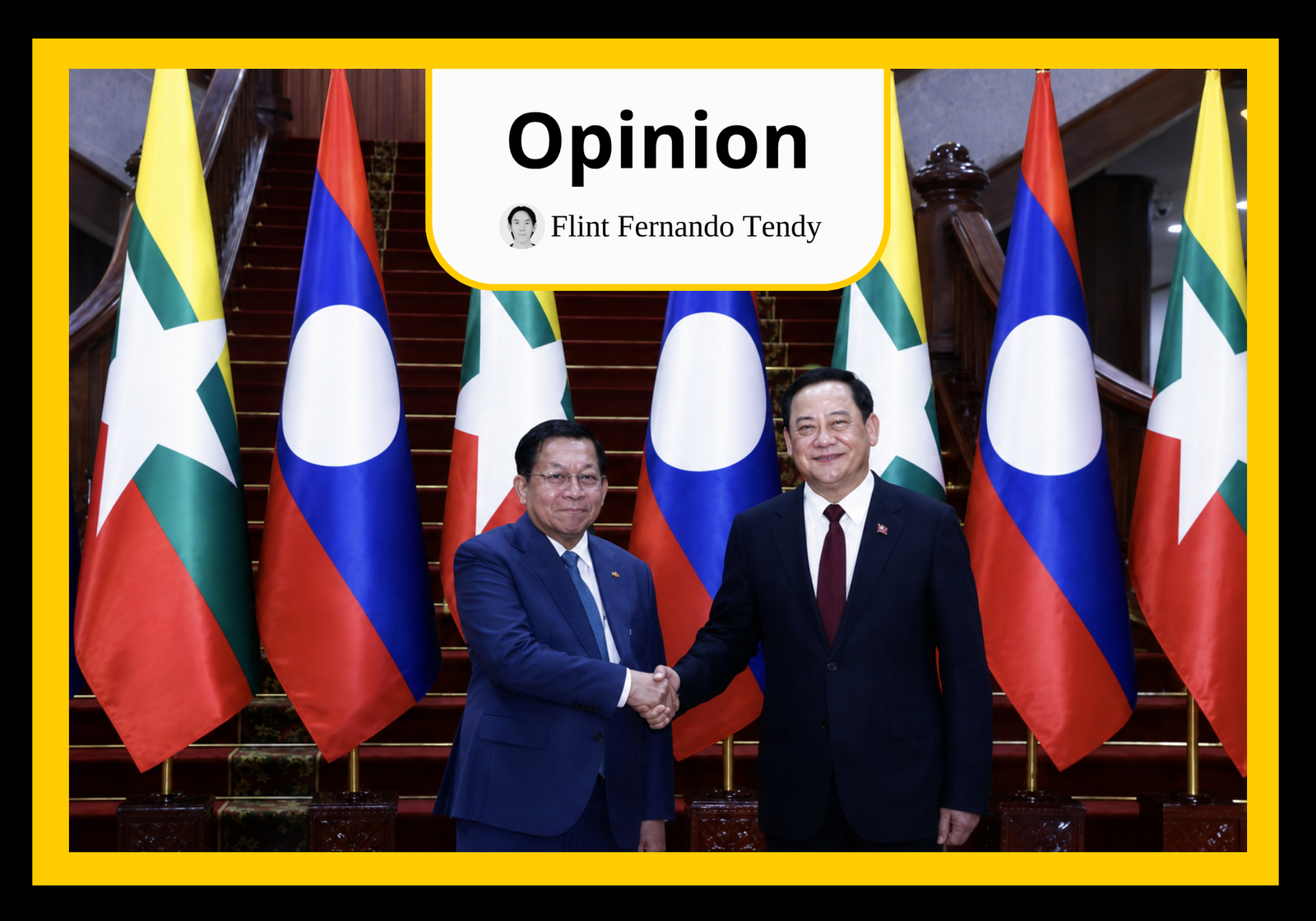
If Myanmar Cannot Be Isolated, ASEAN Should Make Engagement Conditional
Myanmar has entered a new chapter in its civil war. Since the military coup in February 2021, Myanmar’s armed forces, or known locally as the Tatmadaw, has faced sustained armed resistance across the country, triggering a civil war that has claimed the lives of over 100,000 people and displaced millions more.
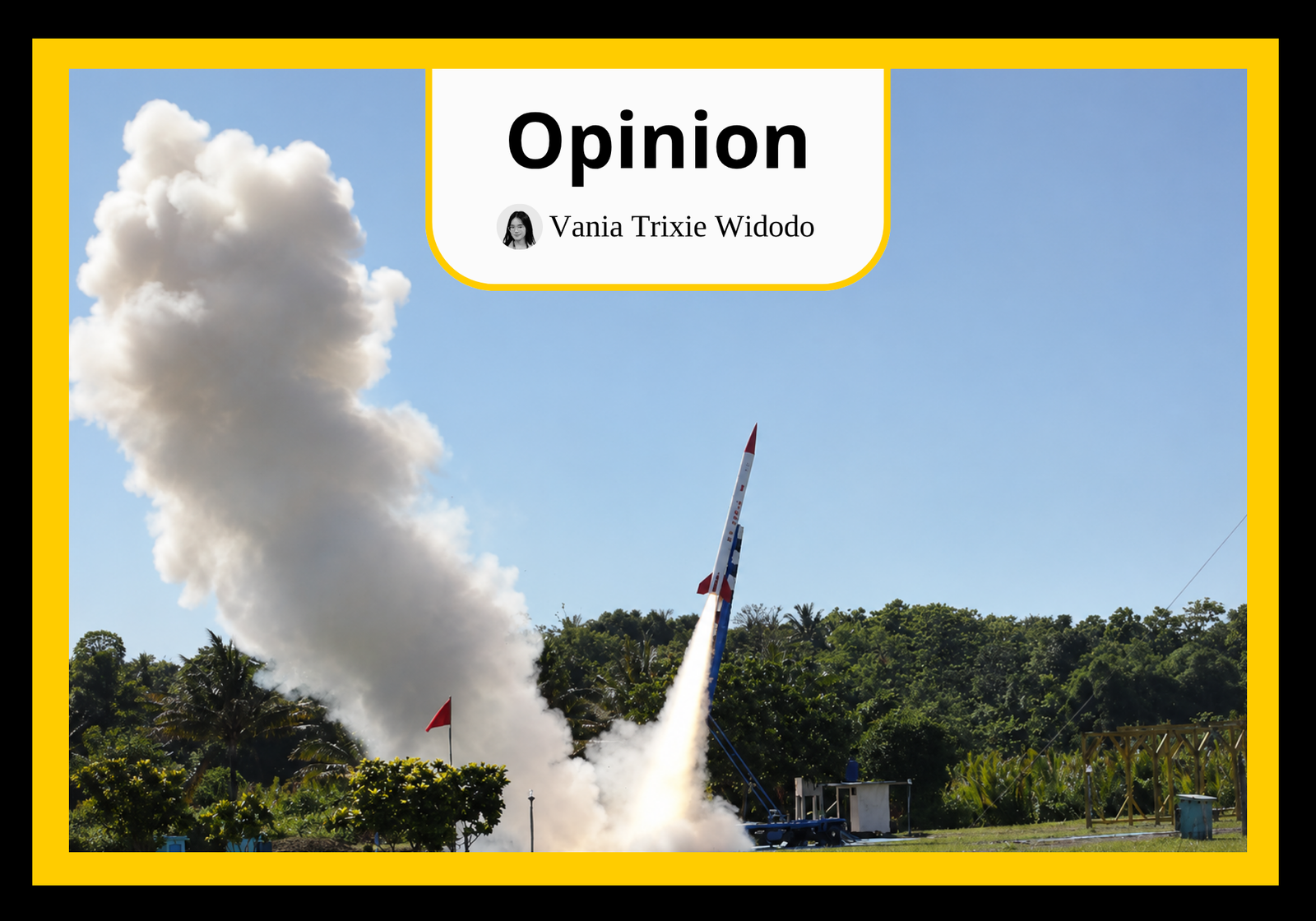
ASEAN’s Space Problem Is ASEAN Itself
In space, ASEAN’s non-interference principle is doing precisely what it was built to do and that is the problem. In March 2026, ASEAN Secretary-General Kao Kim Hourn spoke in Manila, pointing to a new tracking station on Biak Island, Indonesia, as a critical step in building out a regional space economy projected to hit 100 billion US dollar by 2030.
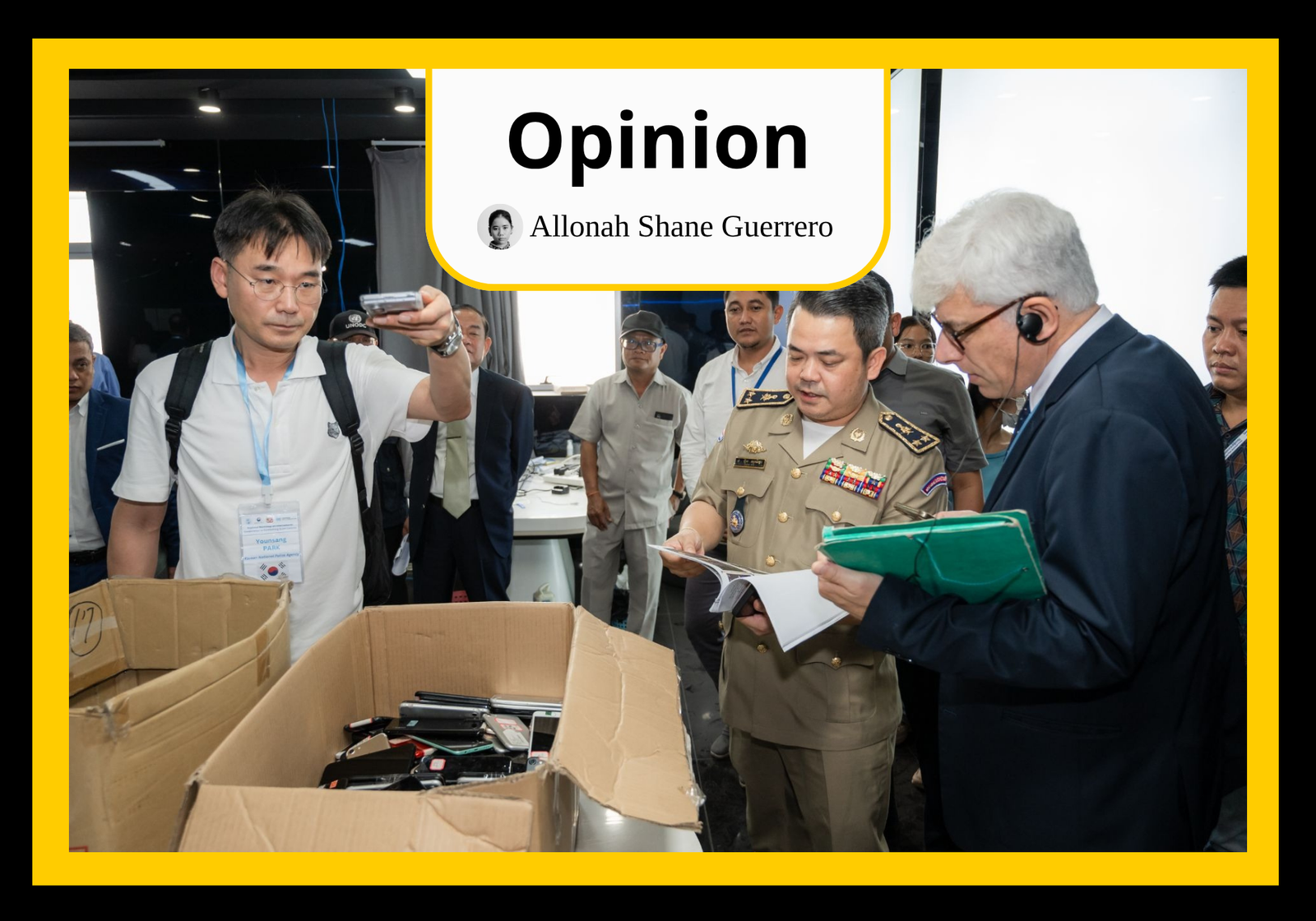
Why Scam Compounds Have Become ASEAN’s Shared Security Problem
Long treated as localised cybercrime and law enforcement problems, Southeast Asia’s scam compounds have evolved into a far more dangerous phenomenon: a direct challenge to regional security and institutional credibility.