
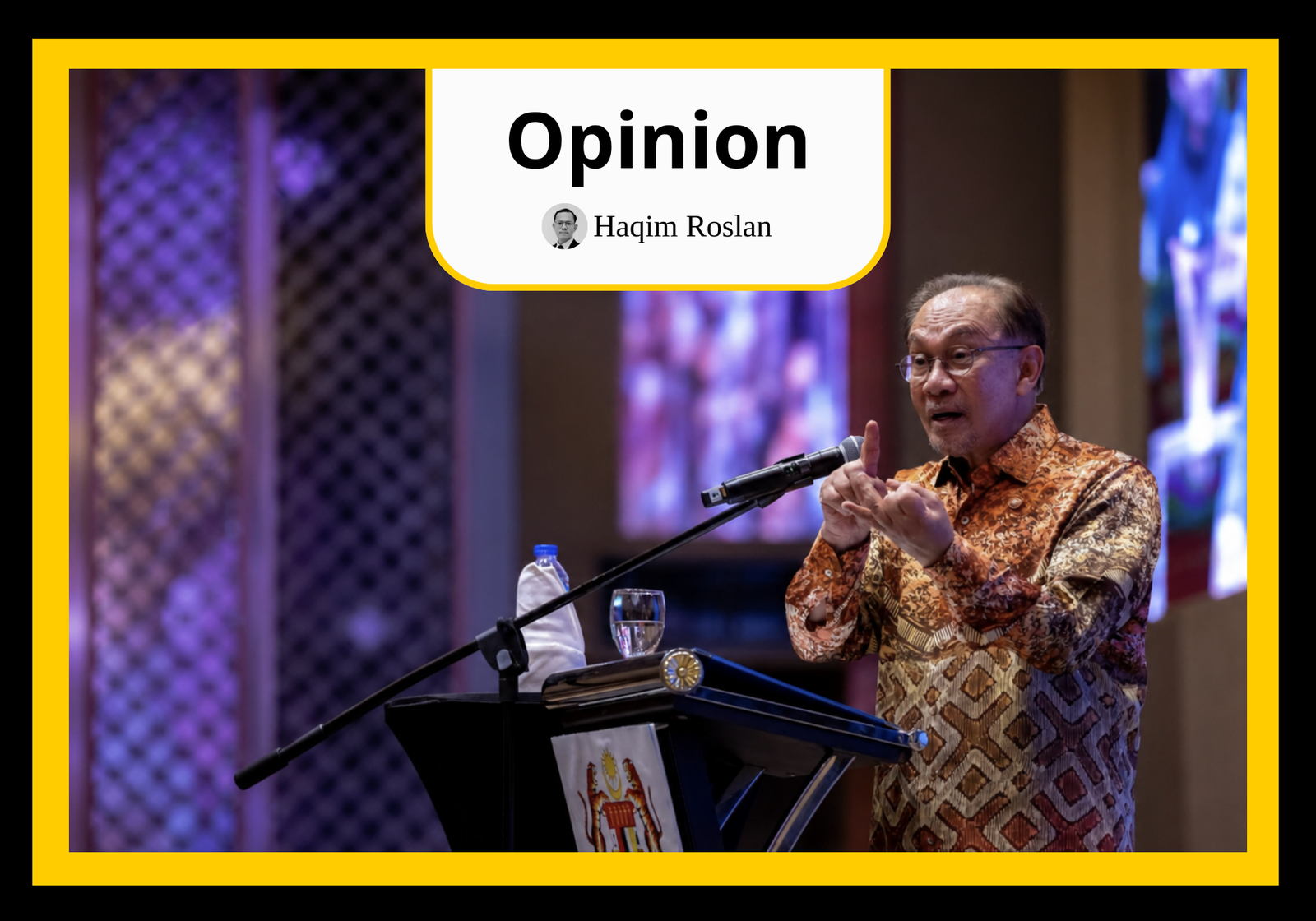
The Universities and University Colleges Act 1971 (Akta Universiti dan Kolej Universiti 1971), or known locally with its abbreviation AUKU, has been in operation for over half a century in Malaysia. It was enacted with the purpose of providing a legal mechanism for the establishment, administration and governance for public universities, but gradually became intertwined with a larger debate on student activism, political participation, freedom of expression and academic freedom.
Category: Opinion
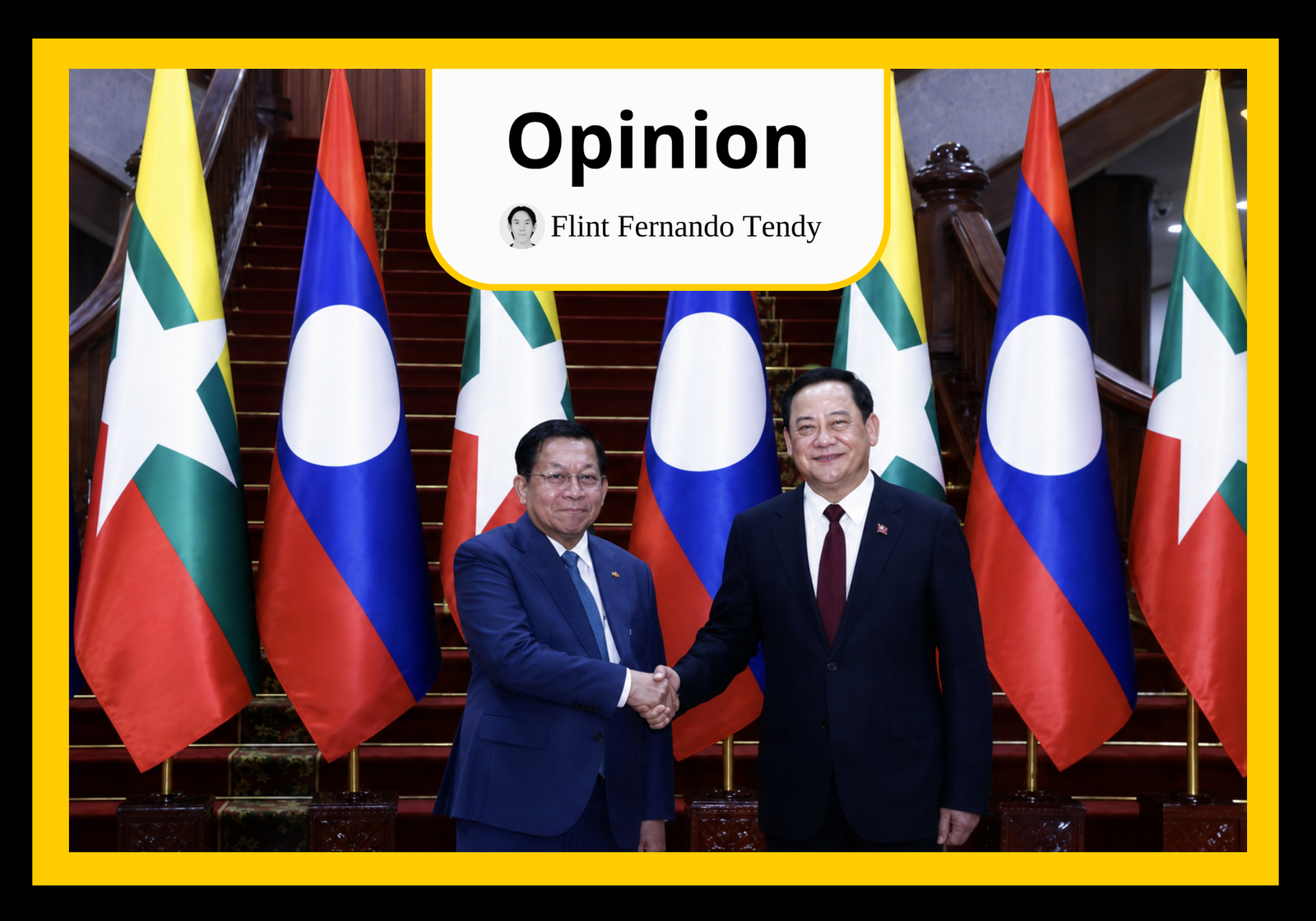
If Myanmar Cannot Be Isolated, ASEAN Should Make Engagement Conditional
Myanmar has entered a new chapter in its civil war. Since the military coup in February 2021, Myanmar’s armed forces, or known locally as the Tatmadaw, has faced sustained armed resistance across the country, triggering a civil war that has claimed the lives of over 100,000 people and displaced millions more. Five years on, neither the military’s junta nor ASEAN’s diplomatic efforts have produced a durable political settlement, making this bloody conflict a stain on ASEAN’s conflict management reputation. In response, the regional bloc has largely kept Myanmar’s junta authorities at arm’s length, shunning their participation in high-level political meetings and refusing to recognise the military’s political process as a path towards normalisation.
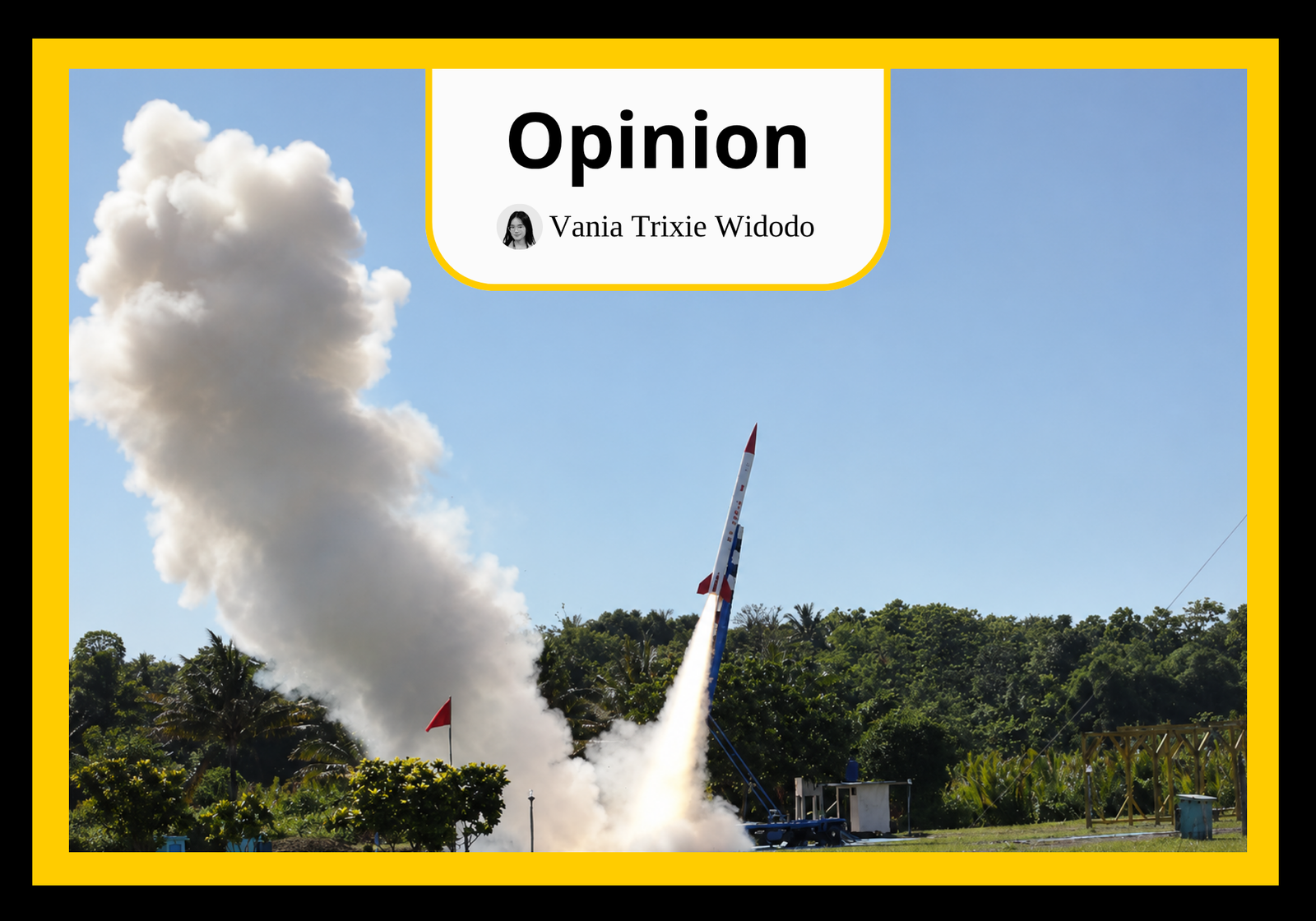
ASEAN’s Space Problem Is ASEAN Itself
In space, ASEAN’s non-interference principle is doing precisely what it was built to do and that is the problem. In March 2026, ASEAN Secretary-General Kao Kim Hourn spoke in Manila, pointing to a new tracking station on Biak Island, Indonesia, as a critical step in building out a regional space economy projected to hit 100 billion US dollar by 2030.
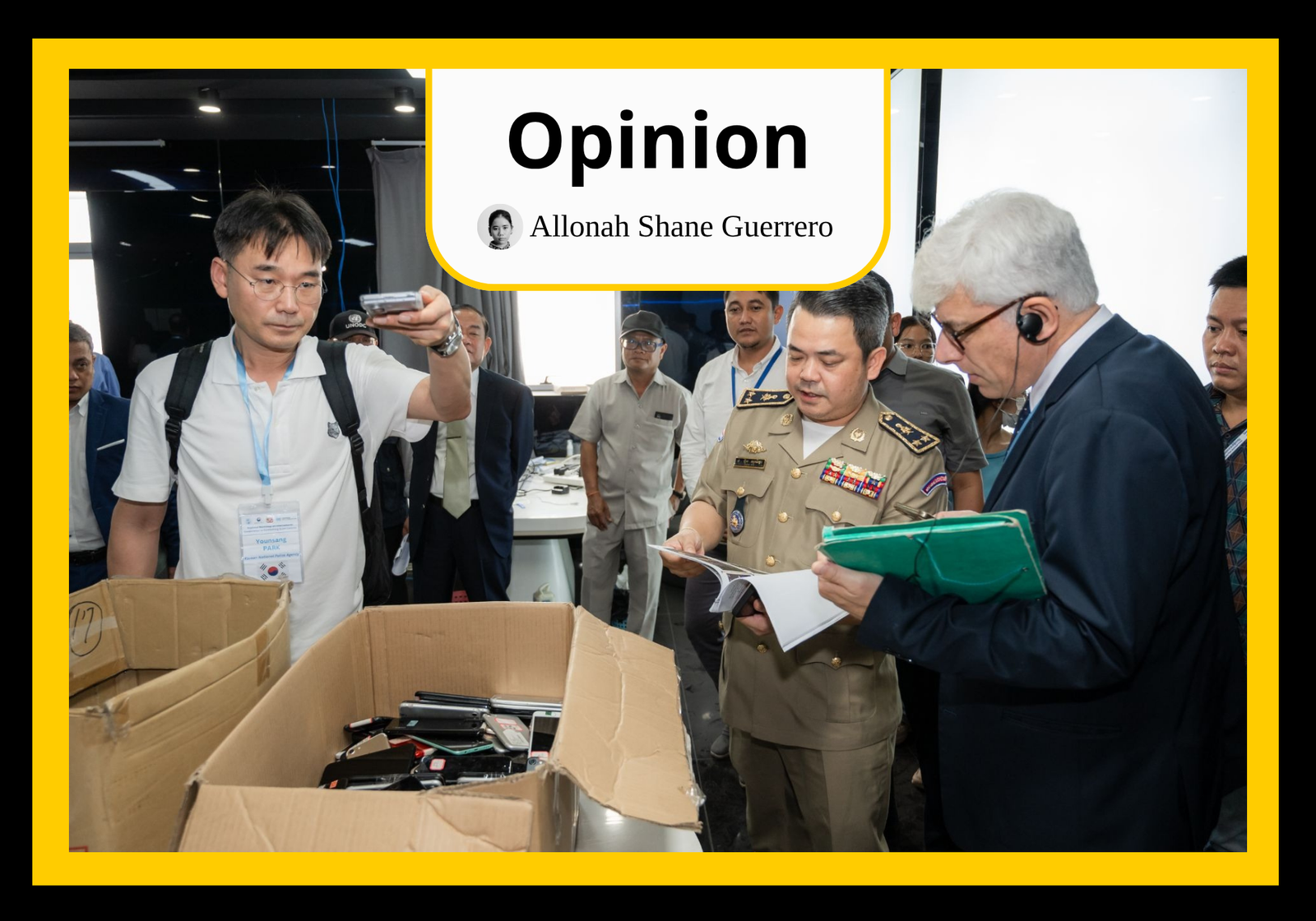
Why Scam Compounds Have Become ASEAN’s Shared Security Problem
Long treated as localised cybercrime and law enforcement problems, Southeast Asia’s scam compounds have evolved into a far more dangerous phenomenon: a direct challenge to regional security and institutional credibility.
One Data Indonesia: A National Data for Public Service Revolution Hidden in Plain Sight
In an age when data underpin everything from economic planning to public services and artificial intelligence (AI), Indonesia has quietly been pursuing one of its most ambitious governance reforms. Yet, despite its potentially transformative impact, few Indonesians have ever heard of One Data Indonesia (also known domestically as Satu Data Indonesia).
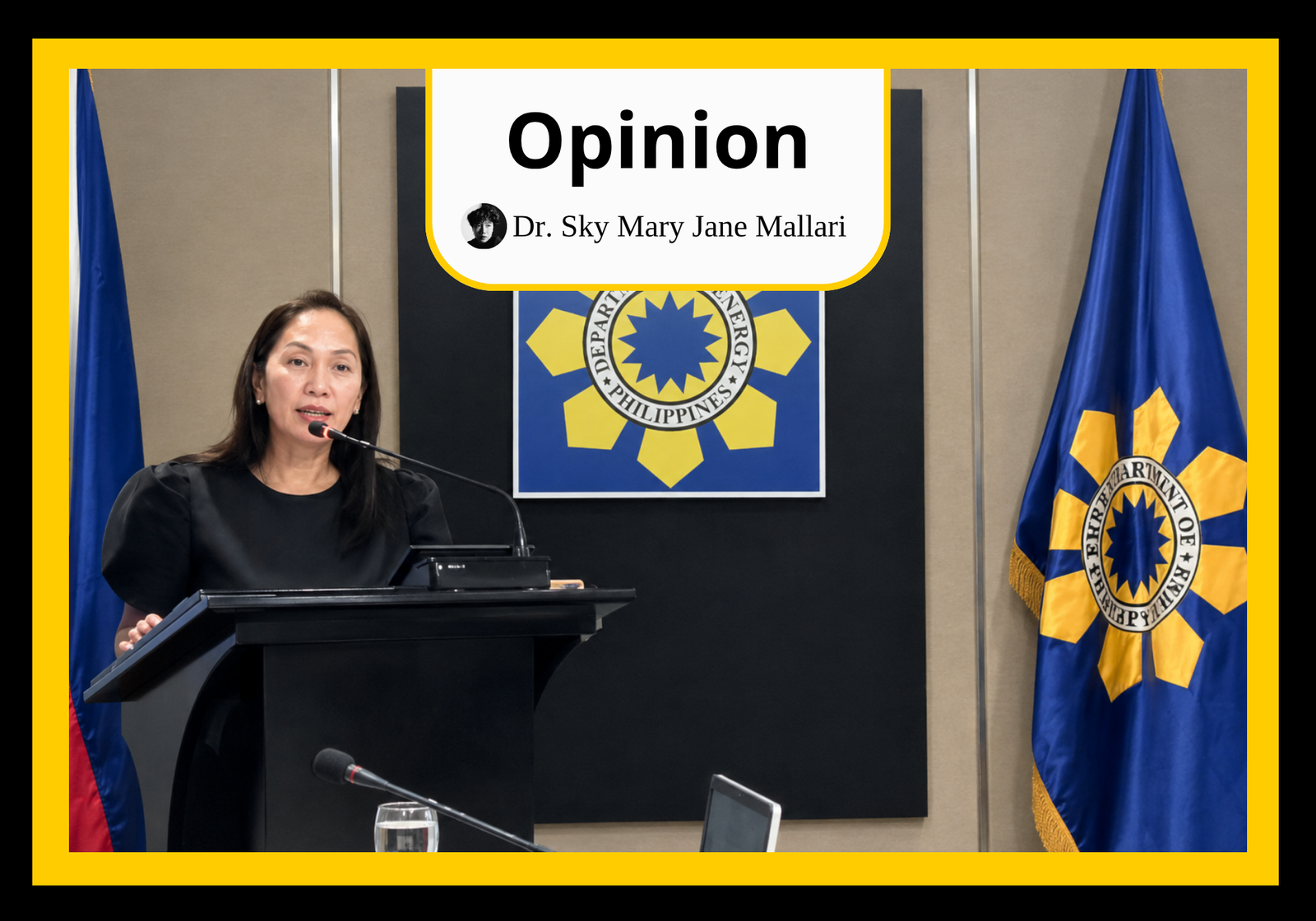
Beyond Technology: Why Governance Will Shape the Philippines’ Energy Transition
When the Philippine Congress established the Philippine Atomic Energy Regulatory Authority (PhilATOM) in September 2025 through Republic Act No. 12305, much of the discussion centred on what it meant for the country’s nuclear ambitions. That is understandable. An independent regulator is indispensable for any country considering nuclear power. Yet viewing the legislation solely through the lens of nuclear energy risks overlooking its broader significance.
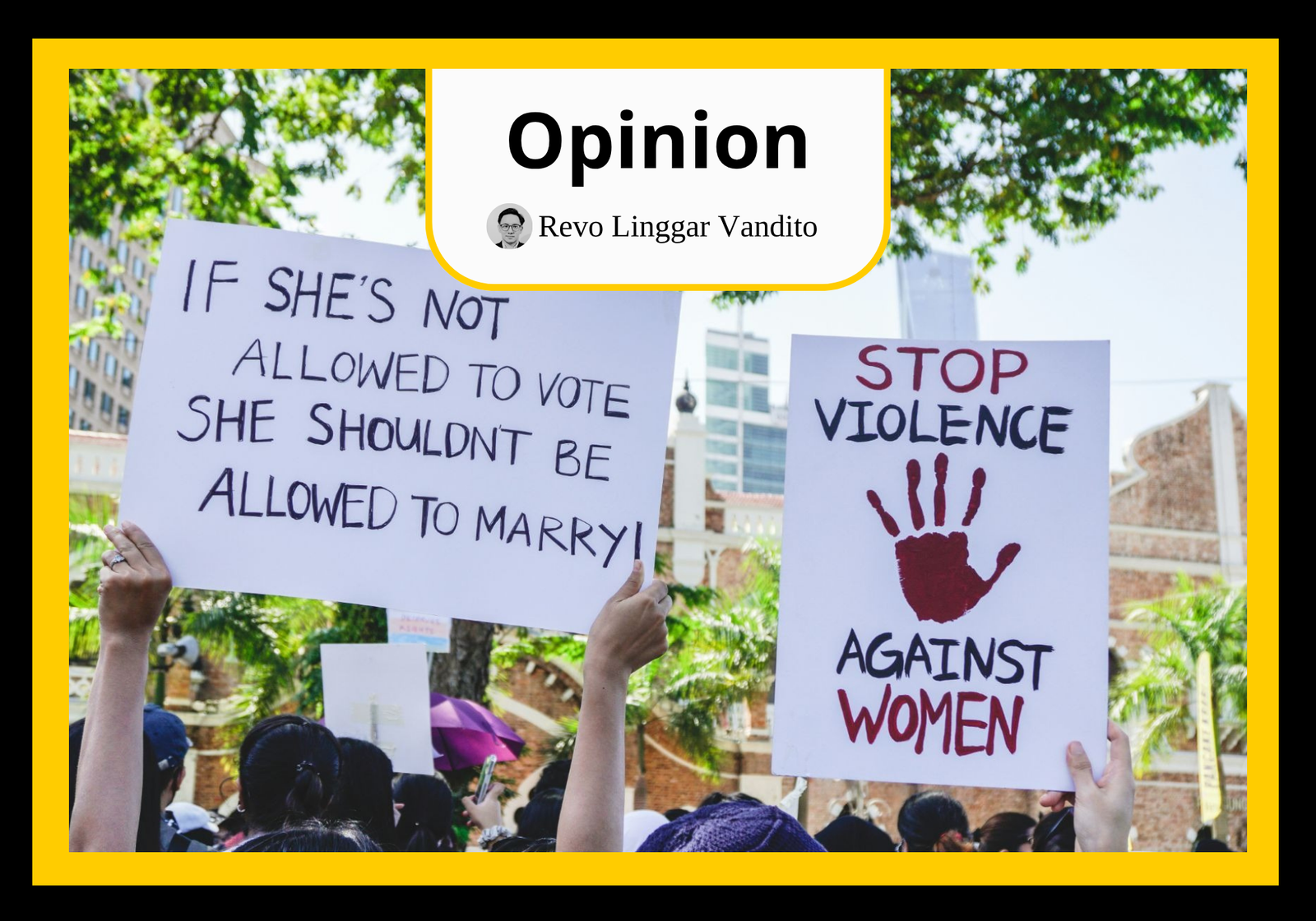
Beyond Regime Type: VAWP as the Threat for Women in Southeast Asia
Women’s representation in government is fundamental to achieving good governance and, to some extent, substantive democracy. The importance of women in politics stems from the hypothesis that shared identity leads women politicians to care more about women’s issues in policymaking than their male colleagues. Some studies support this hypothesis, showing that female member of parliaments (MPs) tend to prioritise issues related to women, such as abortion, domestic violence and rape.
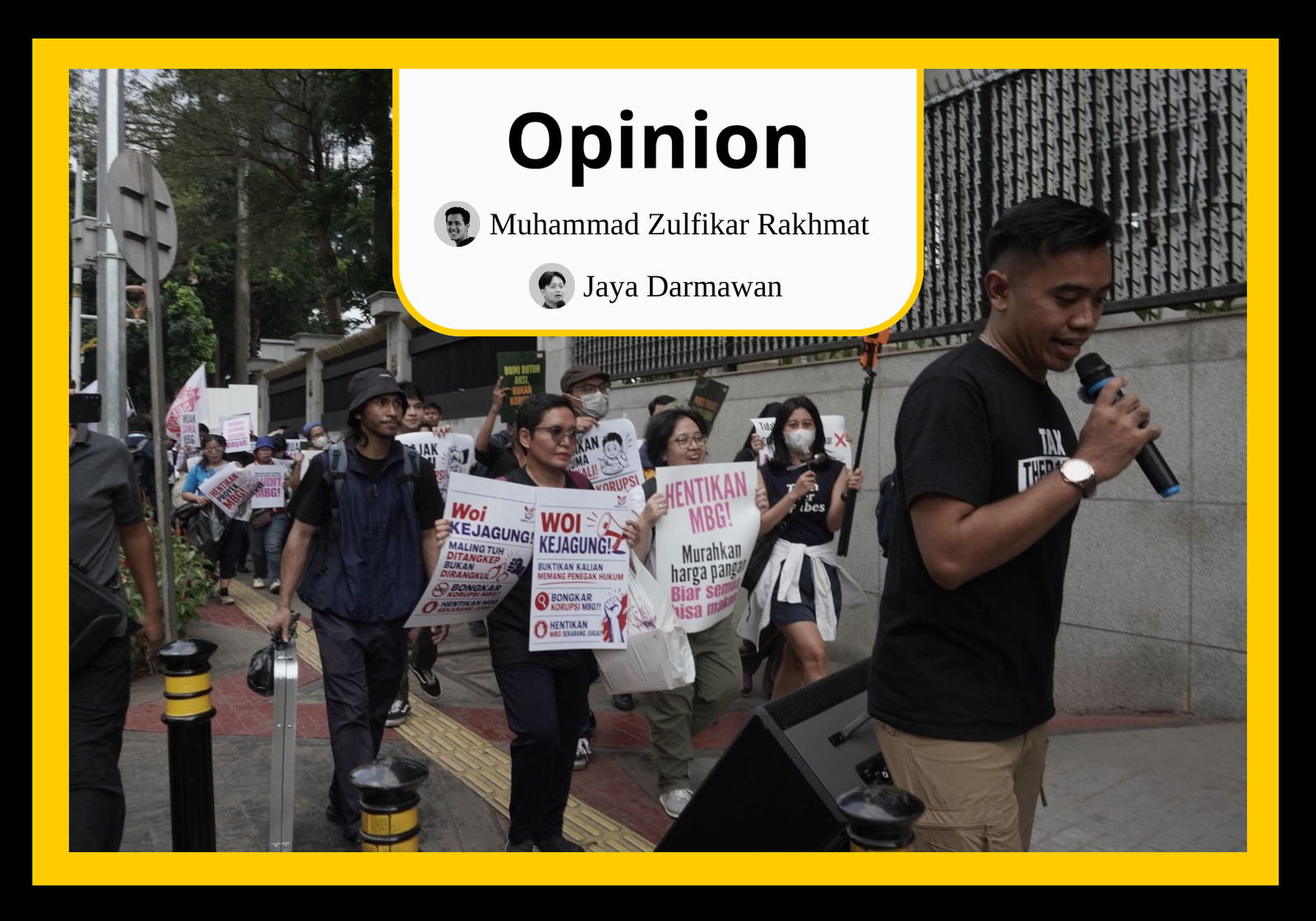
No, China should not help Indonesia’s Free Meals Programme with AI
Chinese Ambassador Wang Lutong’s latest offer to help Indonesia’s Free Nutritious Meals (MBG or Makan Bergizi Gratis in Indonesian) programme with artificial intelligence (AI) may appear to be a welcome example of technological cooperation.

Saving the People Who Save Us: Close the Fiscal Gap in Indonesia’s Primary Healthcare
On May Day 2026, a young doctor named Myta Aprilia Azmy died in an intensive care unit in Palembang, Indonesia.
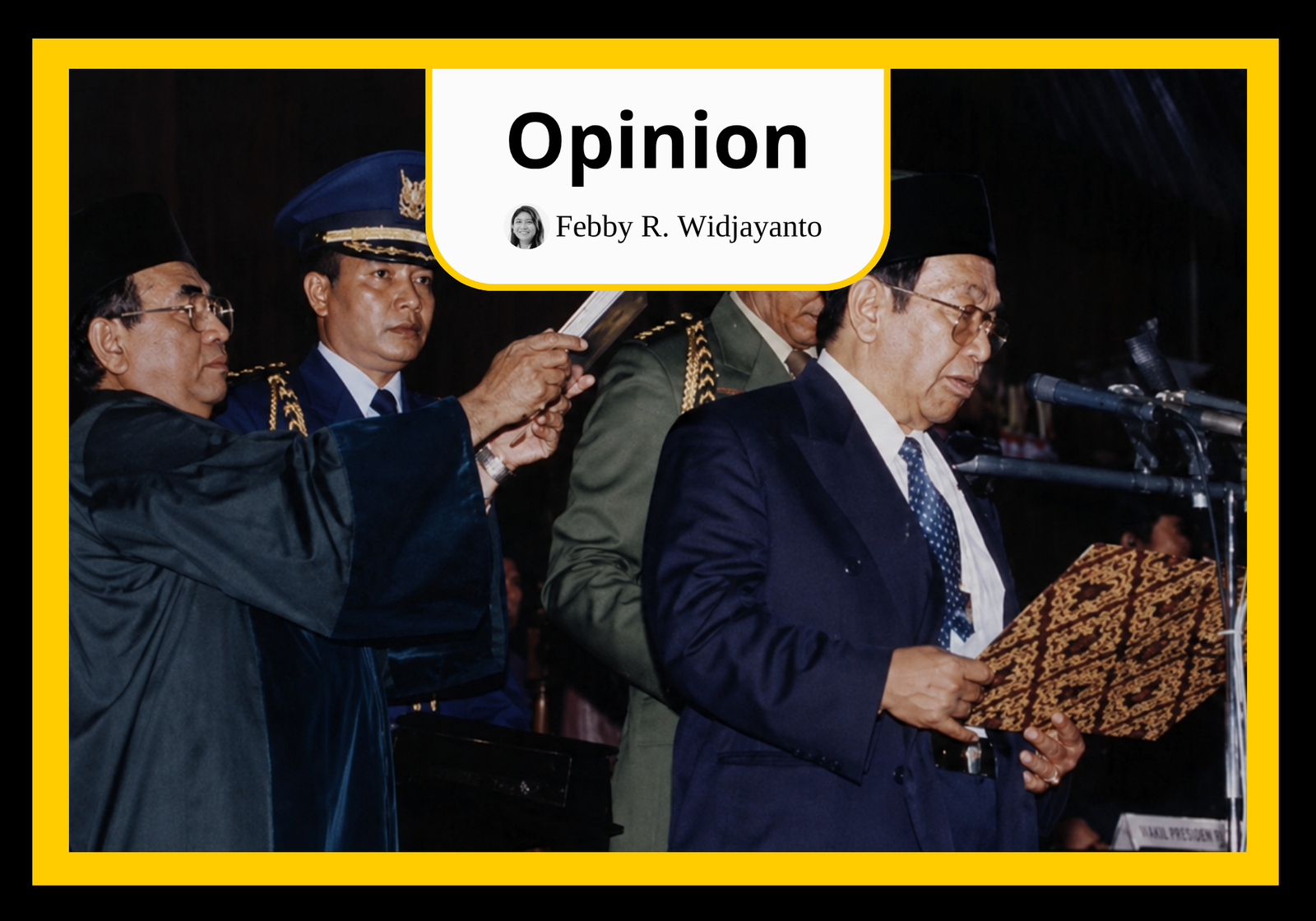
Is It Time for Indonesia to Rewrite Its Constitution?
Indonesia’s Reform era (Reformasi) commenced in 1998 with the resignation of President Soeharto, ending more than three decades of authoritarian rule. His resignation followed a week of widespread civil unrest amid the economic turmoil caused by the Asian financial crisis. More than two decades after the Reform era began, Indonesia still struggles with familiar political pathologies: excessive centralisation, uneven development, strained centre-periphery relations, entrenched oligarchic power and weak mechanisms of accountability.