
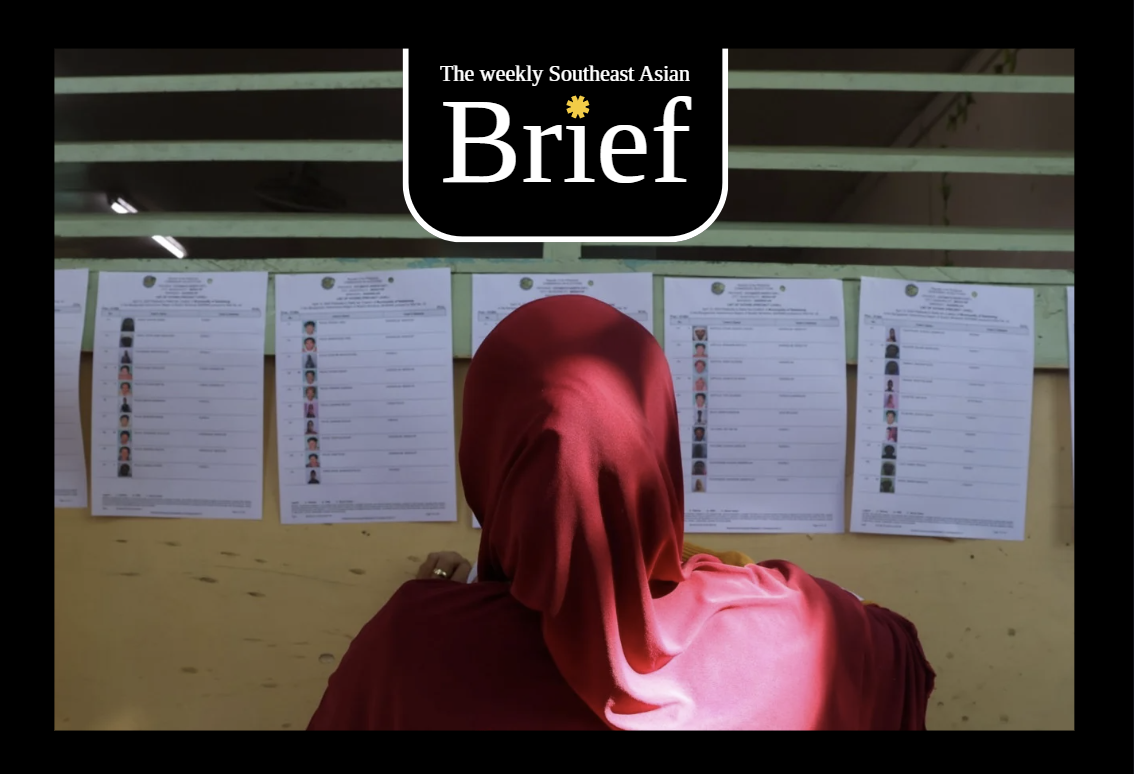
After decades of conflict, the Bangsamoro Autonomous Region in Muslim Mindanao (BARMM), in the Philippines’ southern region, held its first parliamentary elections on September 14, 2026. It marked the first electoral test of a historic 2014 peace agreement between Manila and the Moro Islamic Liberation Front that granted the region autonomy.
Category: The Brief
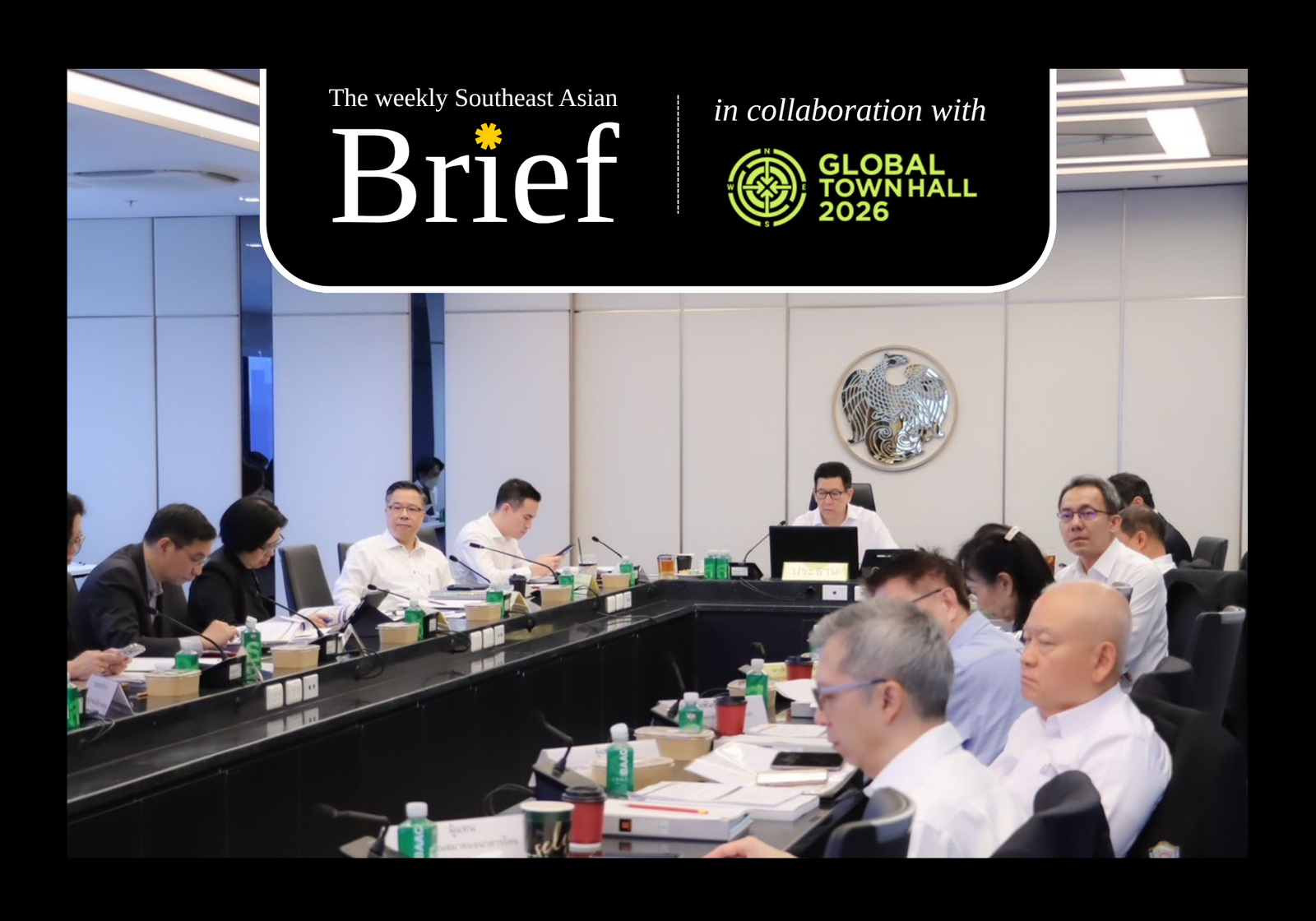
Southeast Asia’s AI Race Has a Governance Problem
Artificial intelligence (AI) is growing at an unprecedented level, far beyond what humanity can comprehend, much less to control. The brakes on this development must therefore be pulled in the nick of time as the alternative threatens human extinction.
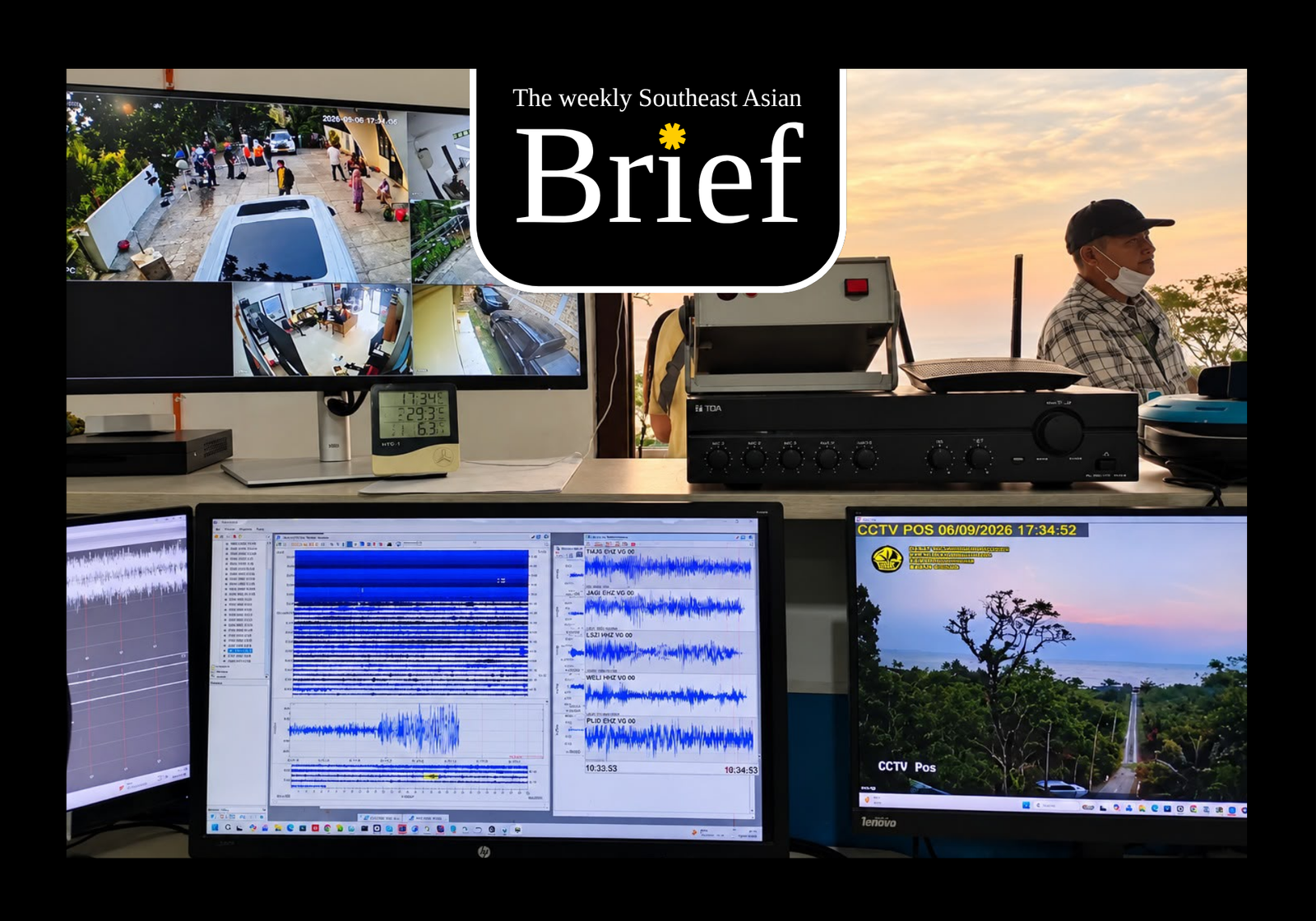
Indonesia’s Disasters Do Not Wait Their Turn
On August 23, the head of Indonesia’s National Disaster Management Agency (BNPB), Suharyanto, was in Maumere, East Nusa Tenggara, inspecting the national logistics post for the deadly Flores earthquake. Yet part of the operational update he gave that day concerned a crisis more than 1,000 kilometres away.
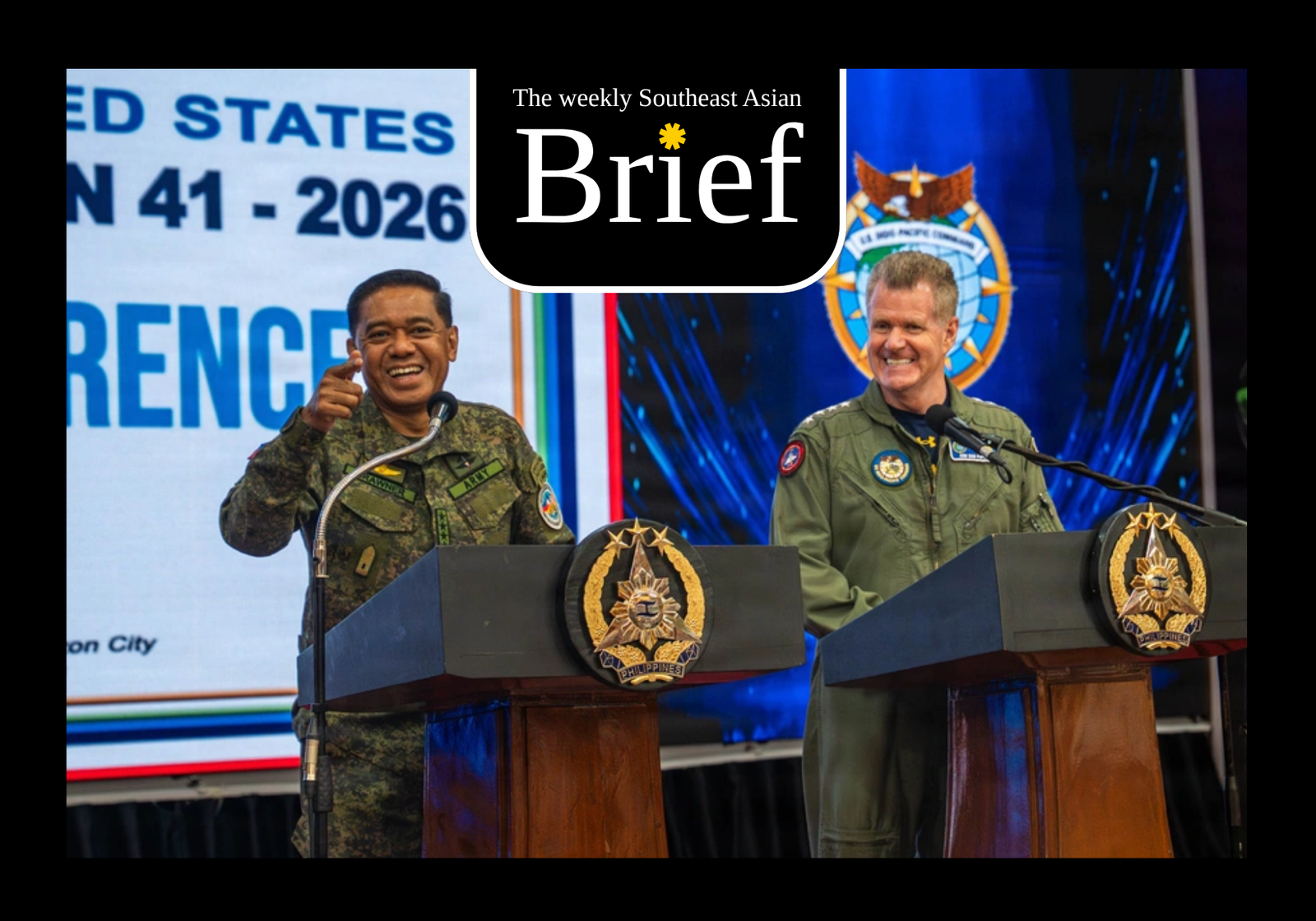
Southeast Asia’s Defence Partnerships Are Expanding Beyond Bilateral Alliances
On August 30, the Philippines and US marked the 75th anniversary of their Mutual Defence Treaty (MDT), reaffirming an alliance that has evolved from a Cold War security pact into an expanded defence partnership. The relationship now covers military exercises, operational coordination, capability development, maritime security and humanitarian assistance and disaster response, while increasingly coupling the Philippines with wider regional security networks.
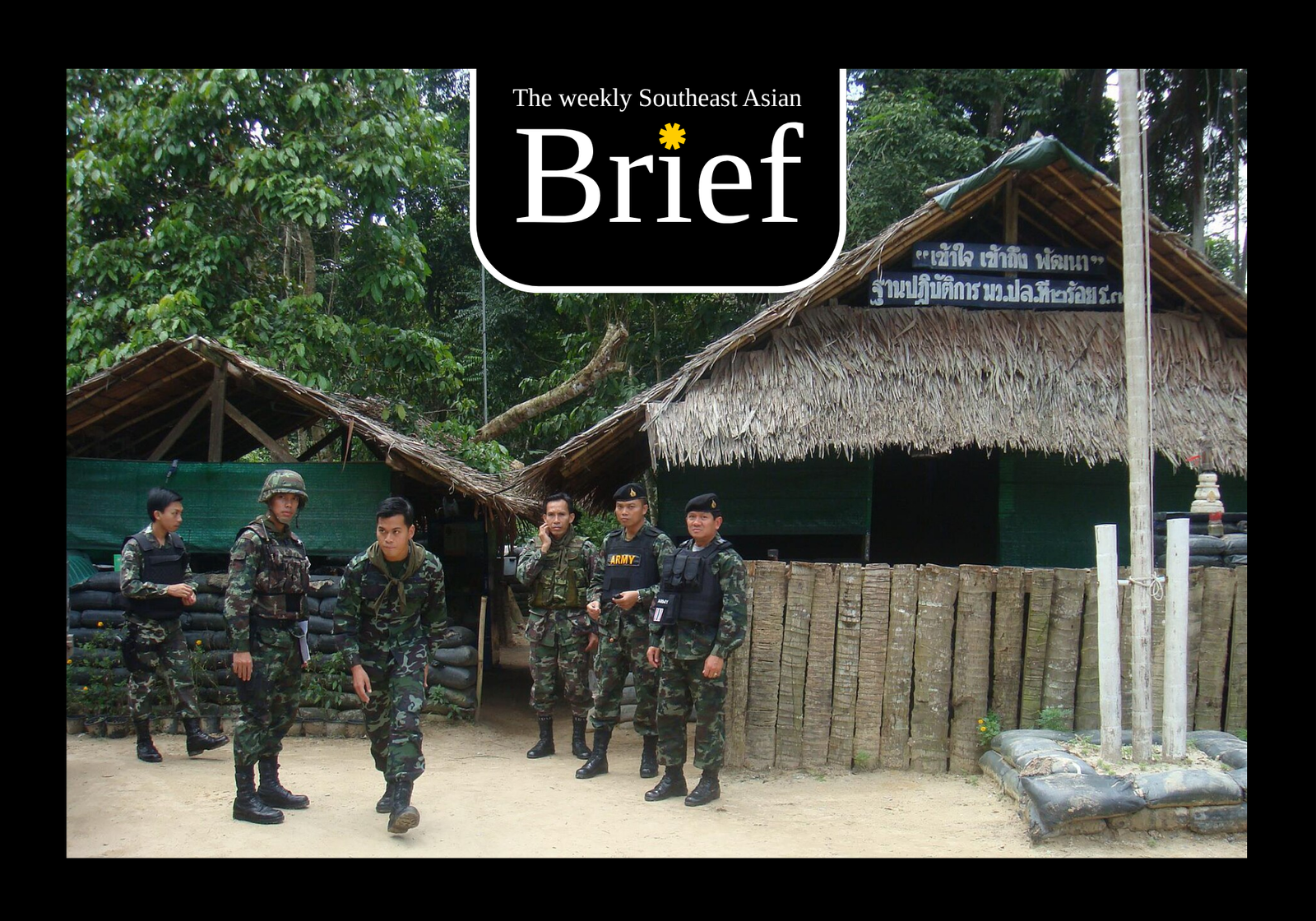
Coordinated Attacks Expose Limits of Thailand’s Deep South Security Strategy
Countering insurgent attacks in its southern region has always been on the agenda of successive Thai administrations in 1948, as the conflict has historically inflicted severe casualties on civilians and dealt a heavy blow to public resources.
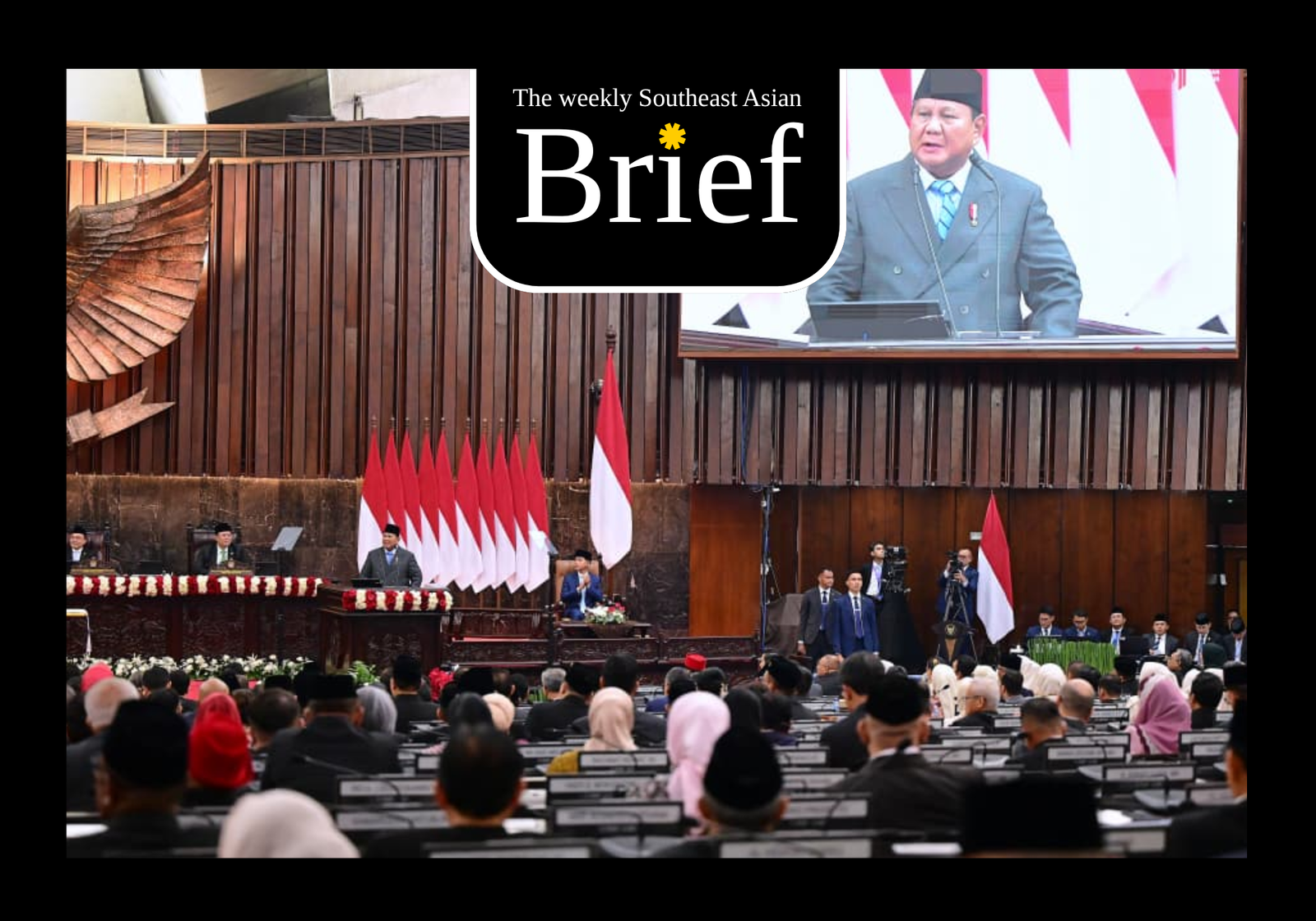
Indonesian President’s State of the Nation Address Turns Targets Into Achievements
On August 14, Indonesia’s President Prabowo Subianto’s 2026 addressed the country through a State of the Nation speech in anticipation of the Independence Day celebration on August 17. The message was simple, that after 21 months in office, his government claimed to be delivering results. He offered a long-list of numbers to support that message: 1,931 trillion Indonesian rupiah (109.7 billion US dollar) in investment, 5.61% economic growth, 121 “transformative” policies, 71,744 renovated schools and tens of millions reached by the flagship Free Nutritious Meals programme.
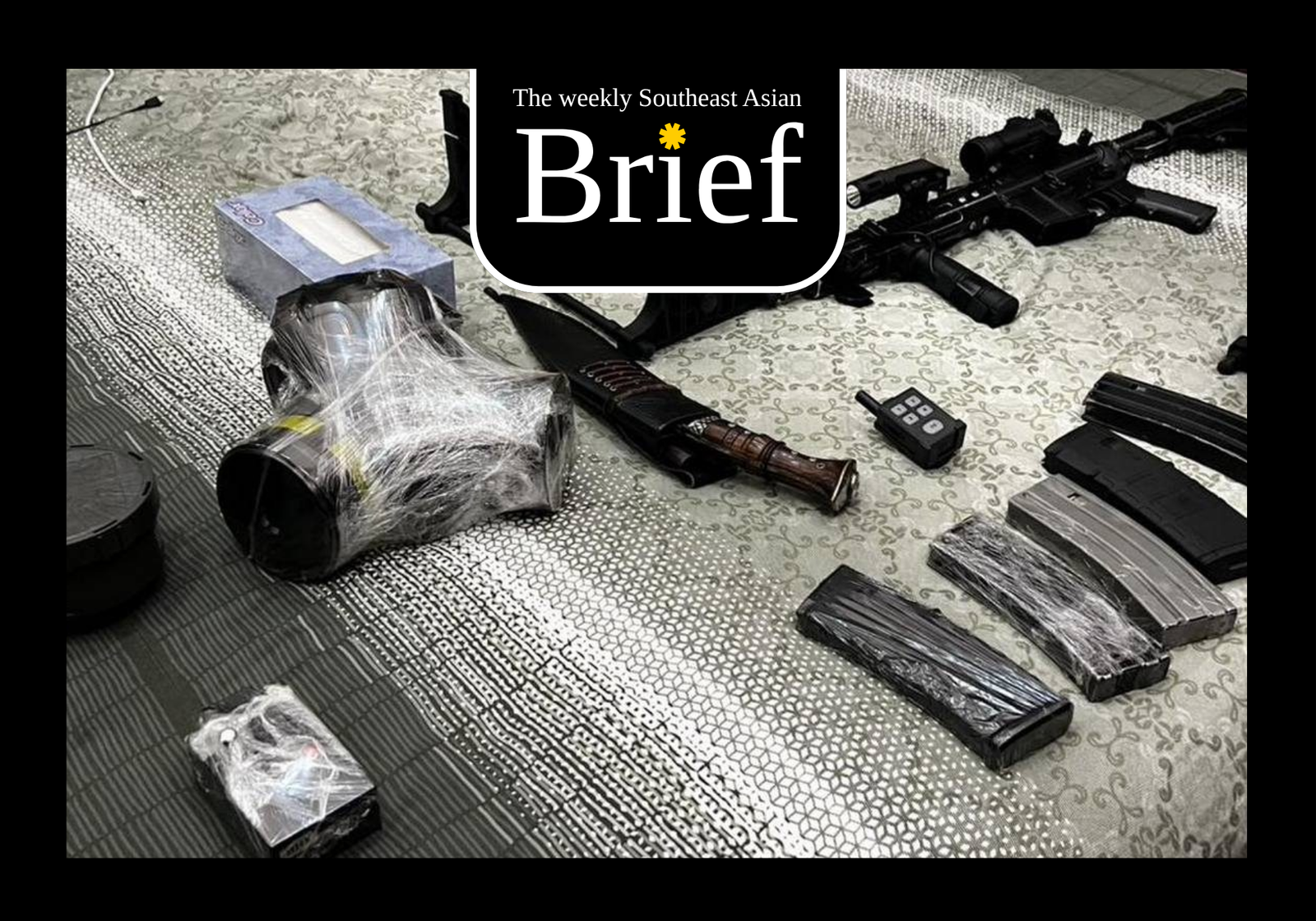
Repeated mass shootings unmask Thailand’s institutional loophole and unspoken gun culture
Thai Prime Minister Anutin Charnvirakul has vowed to enact stricter gun laws as Southeast Asia’s highest gun-owning nation mourns one of its deadliest shootings in recent years. Yet, for a country that does not lack firearms legislation, such a response will prove inadequate to address a structural, interlinking societal and institutional crisis.
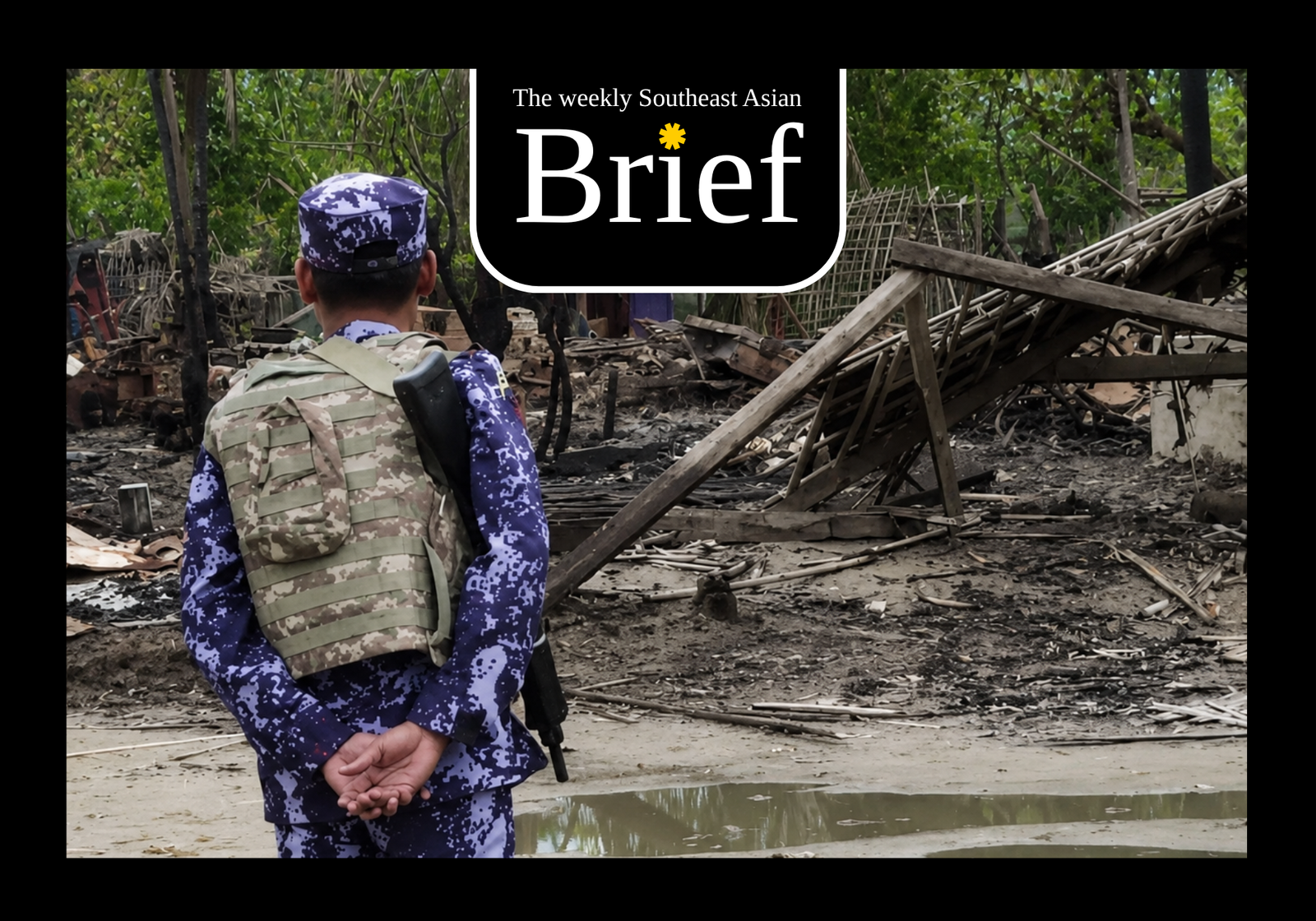
Myanmar’s Protracted Crisis Has Become a Defining Test of ASEAN’s Regional Diplomacy
ASEAN’s renewed calls for broader humanitarian access, the unconditional release of detained political figures in Myanmar on August 3 and support for a Myanmar-led and Myanmar-owned peace process have once again highlighted the bloc’s reliance on the Five-Point Consensus (5PC) as its principal framework for engagement. Its continued reaffirmation at successive summits and ministerial meetings has increasingly raised questions over ASEAN’s strategic integrity, credibility and centrality in responding to one of the region’s most enduring security challenges.
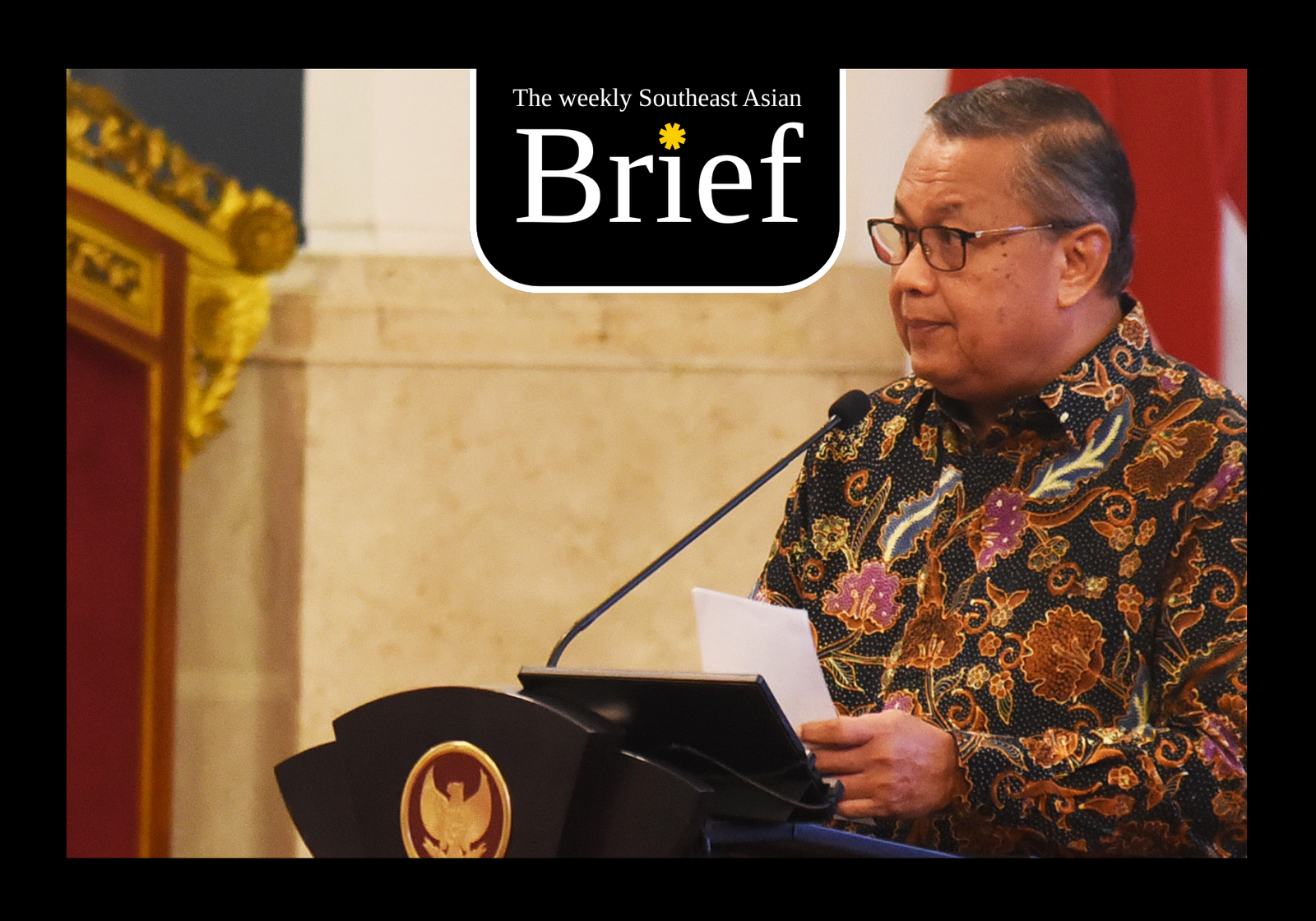
Indonesia’s Central Bank Governor Resigns as Political Fiscal Dominance Continues
In an unprecedented development, Indonesia’s central bank governor has suddenly resigned, citing personal reasons. The outgoing governor Perry Warjiyo was originally scheduled to conclude his second five-year term in 2028.
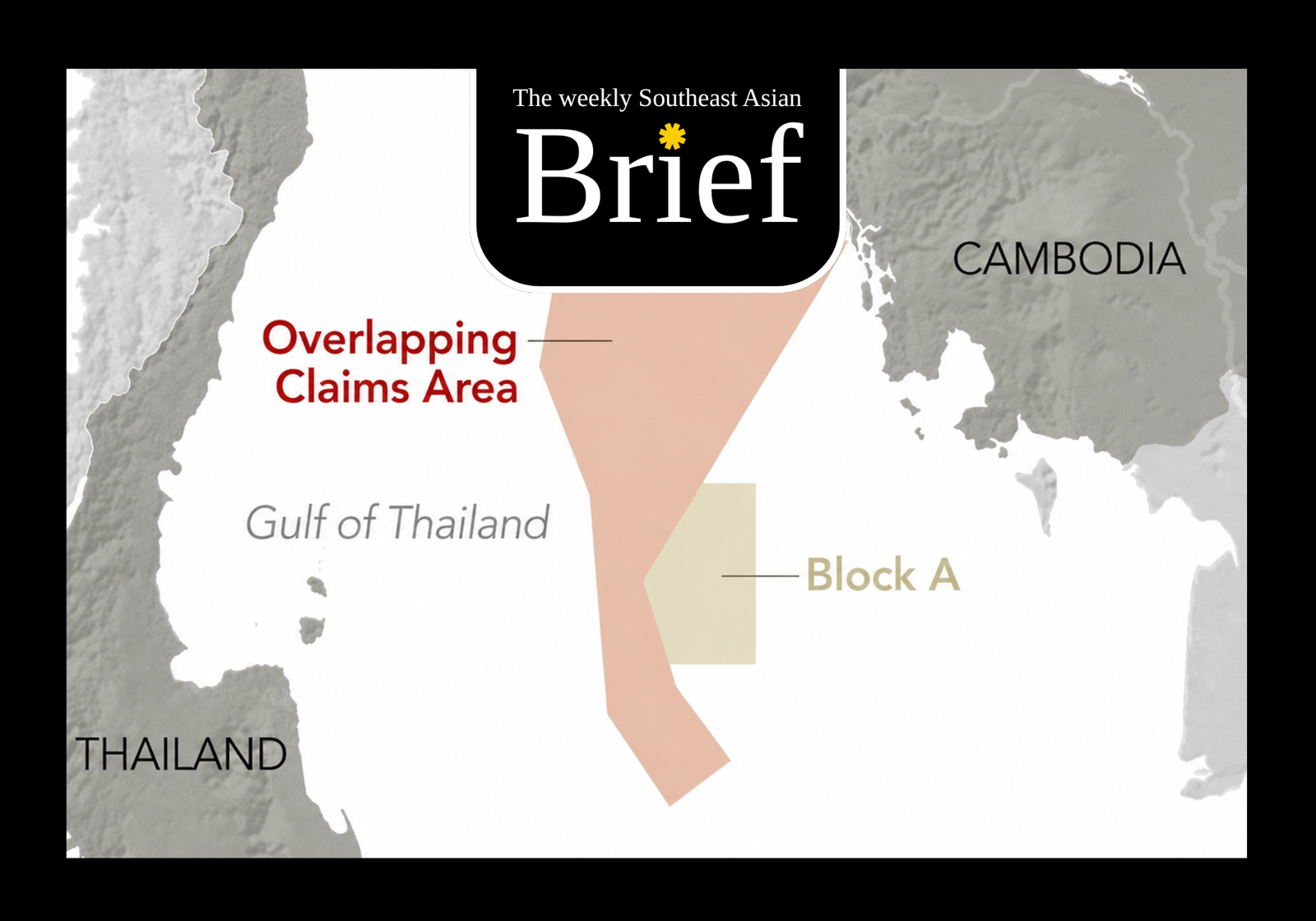
Thai-Cambodian Maritime Settlement Remains Uncertain despite UNCLOS Conciliation
On July 19, Cambodia confirmed that it had reached an agreement with Thailand in regard to both countries’ maritime dispute around Koh Kut Island to allow additional time for the appointment of the Conciliation Commission under the United Nations Convention on the Law of the Sea (UNCLOS), describing the delay as “modest and entirely appropriate.” The extension followed a joint request by the four appointed conciliators and backed up by the Cambodian government that it will not affect any prescribed timeline or procedural step under the UN-backed process.