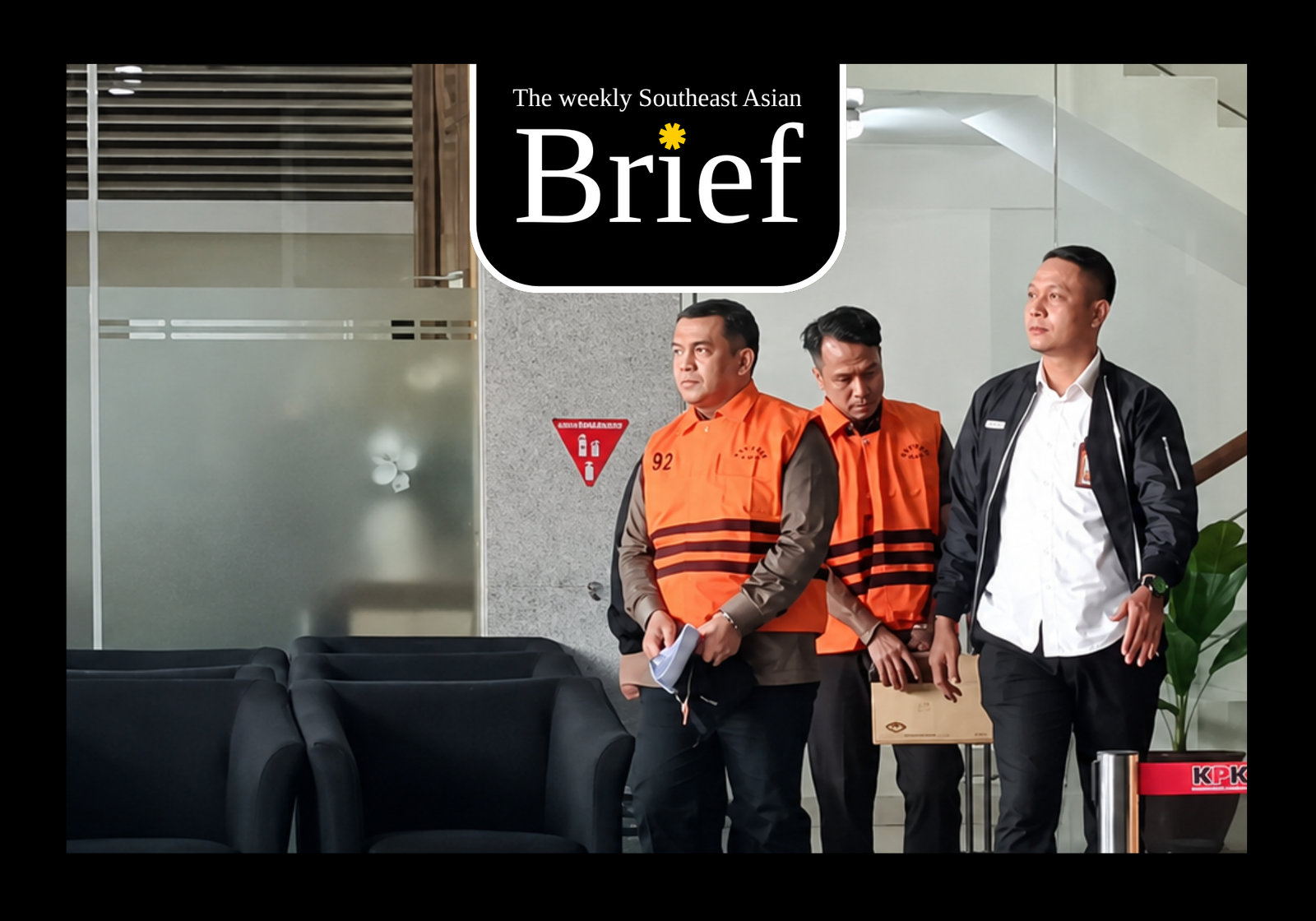
Deputy Minister for Immigration and Corrections, Silmy Karim, after his arrest by the Indonesian Corruption Eradication Agency. (RRI/Chairul Umam)
Indonesian authorities launched sweeping arrests in early June, detaining President Prabowo Subianto’s inner circle officials, detaining several high-ranking officials from the newly-formed National Nutrition Agency (BGN) and the Ministry of Immigration and Correctional Services. These arrests have become one of the most striking blows within his administration.
The first major arrest fell on the Ministry of Immigration and Corrections. Between June 2 and 3, the Indonesian Corruption Eradication Commission (KPK) conducted a sting operation at the West Jakarta Immigration Office, netting several perpetrators, including eight civil servants and nine civilians.
Deputy Minister for Immigration and Corrections Silmy Karim surrendered to the KPK on June 3, with eight more individuals being detained. Silmy and his associates were charged with extorting foreign nationals for residence permits—a scheme that, according to the Financial Transaction Reports and Analysis Center (PPATK), allegedly included 35 employees of the Ministry of Immigration.
The mechanics of these perpetrators were systematic. The suspects extorted foreign nationals by ‘asking for a share’, depending on the types of their respective residence permits, in numerous places. Silmy first coordinated with his subordinates to impose extra fees on every residence permit application by turning each service “click” into a payoff, ranging from 2 million to 100 million Indonesian rupiah (111 to 5,559 US dollar) per case, depending on the “package” of services. The suspects targeted foreign nationals who are processing their extensions, status changes and residence renewals.
To further smooth the graft practices, subordinates deposit money every week to their superintendents, through 96 accounts belonging to 35 employees with pseudonyms. Over four years, from 2022 to 2026, in total, 145,5 billion Indonesian rupiah (8 million US dollar) were collected, as a result of the illicit practices.
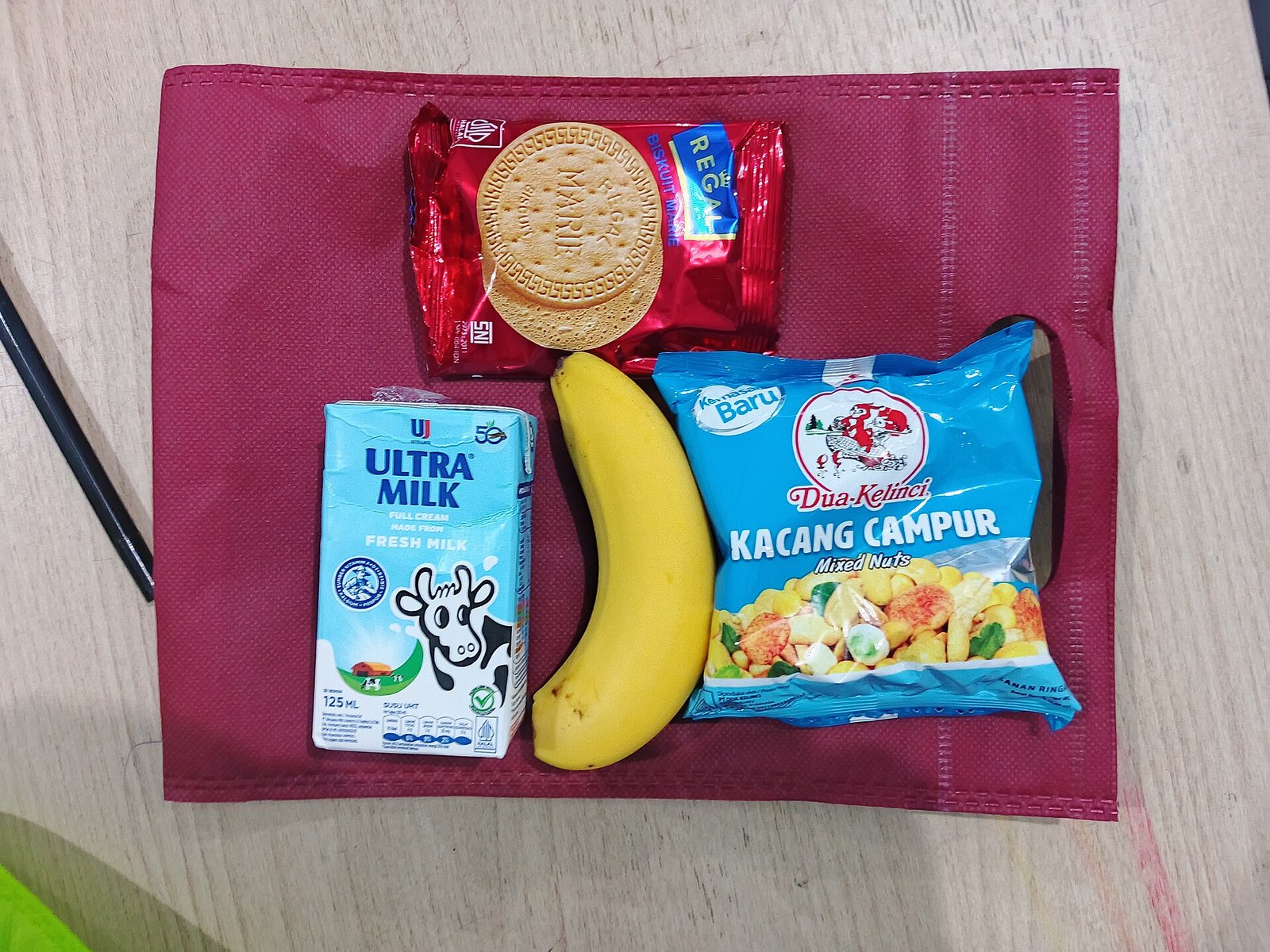
Separately, an equally damaging scandal occurred around Prabowo’s flagship Free Meal Programme (MBG). The Indonesian Attorney General’s Office (AGO) detained senior officials of the National Nutrition Agency, who operates the MBG programme, including its chief Dadan Hindayana, along with his two deputies—retired Major General Lodewyk Pusung and Inspector General Sony Sonjaya. The trio was detained by Indonesia’s AGO after being dismissed from their respective offices on June 2, on charges of graft and corruption.
The AGO alleged that the trio orchestrated an inflated procurement contract. These included the mark-up on 21.801 units of electric motorcycle, amounting to around 57,6 million US dollar, the amount had been disbursed to a fake company that lacked any requirements for a legal and legitimate vendor.
Moreover, the AGO has also raised concerns about the cash flow to the foundations controlled by the three suspects—bodies responsible for managing and disbursing funds to the programme kitchens.
Dadan, along with his deputies, is also accused of intervening in the design of terms of reference for the free meal scheme, allegedly manipulating them to include the procurement of goods and services that are not entirely according to need.
Indeed, the arrests at the heart of Prabowo’s inner circle signal his administration’s commitment to anticorruption enforcement, which was a central part of his campaign pledge. The detention of some of his closest officials marks a tangible realisation of anticorruption principles. The moves send a clear message to political allies and enemies alike that corruptors will be wiped out.
However, to the general public, these high-ranking officials’ arrests project an image of a problematic institutional panorama at multiple levels within Prabowo’s administration. Within the immigration office environment, several individuals exploited the routine momentum of the extension of permits. Moreover, this case unveils the collusion among low to high-ranking officers using a weekly “quota” distribution. In the context of the flagship MBG programme, a budget of 268 trillion Indonesian rupiah in 2026—coupled with weak oversight and no significant supervisory bodies—created a fertile ground for corruption.
The two cases reflect how each institution has long become a “wetland” for corruption and graft cases. What these arrests ultimately reveal is not merely the errors of individuals. Whether the increasing number of arrests reflects intensified anti-corruption efforts or a genuine rise in corruption cases, they expose deep vulnerabilities within the bureaucratic system across multiple levels of government officials.
The twin scandals further present a test of Prabowo administration’s anti-corruption credentials and his ability to maintain public trust while pursuing ambitious policy objectives.
About The Author