

Myanmar’s tourism is set for a fresh boost as Pandaw Cruises prepares to bring river journeys back to the Irrawaddy Delta in November, marking the operator’s first return to the region in six years.
Category: Myanmar
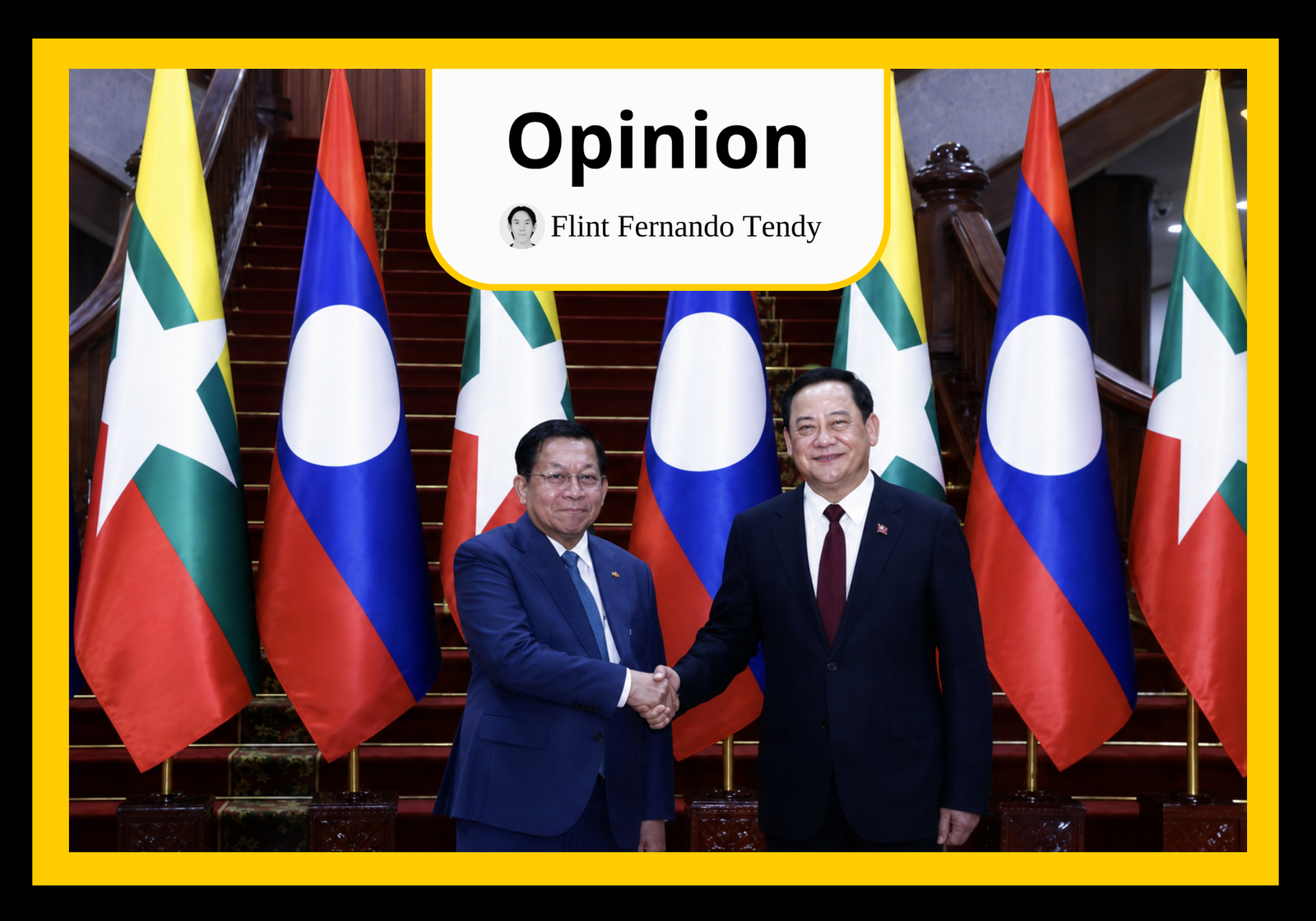
If Myanmar Cannot Be Isolated, ASEAN Should Make Engagement Conditional
Myanmar has entered a new chapter in its civil war. Since the military coup in February 2021, Myanmar’s armed forces, or known locally as the Tatmadaw, has faced sustained armed resistance across the country, triggering a civil war that has claimed the lives of over 100,000 people and displaced millions more.
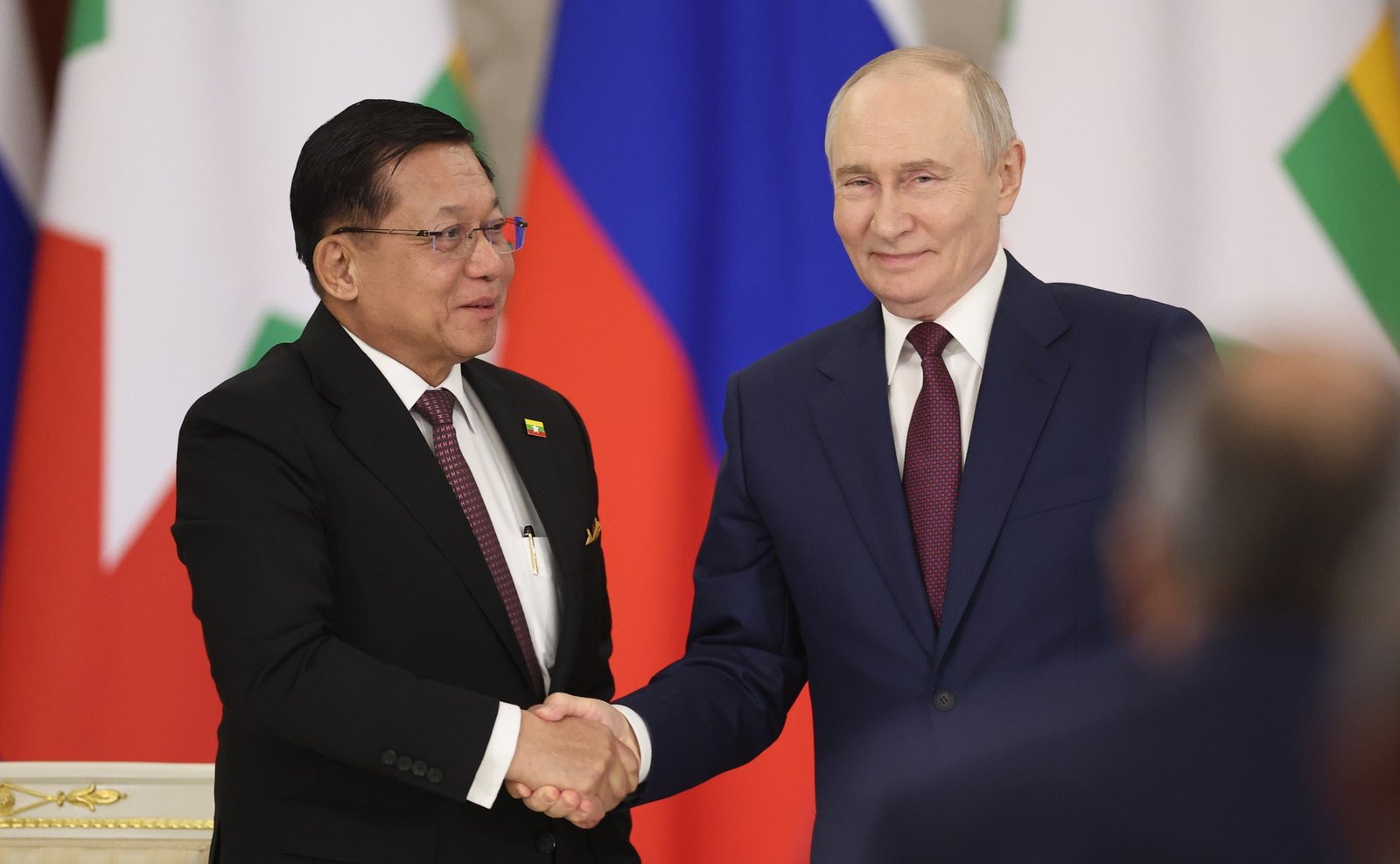
Myanmar’s Junta Visits Moscow to Bolster Russian investment in Energy and Tech
Myanmar’s junta leader Min Aung Hlaing departed Naypyidaw on August 17 for a trip to Russia, marking his seventh visit since he led the military coup in 2021.
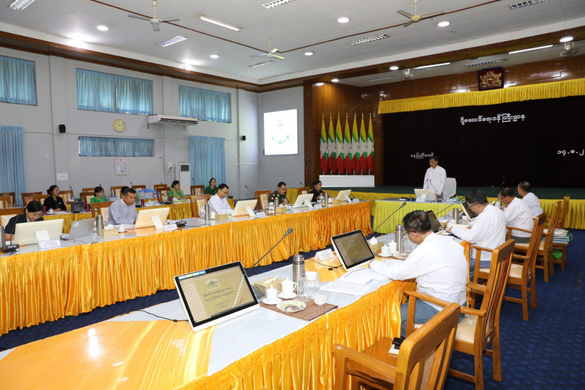
Myanmar Greenlights 14 New Investment Projects, Grid Stabilisation Remains Priority
On August 14, the Myanmar Investment Commission (MIC) approved a total of 14 investment ventures, which are projected to generate more than 3,300 job opportunities.
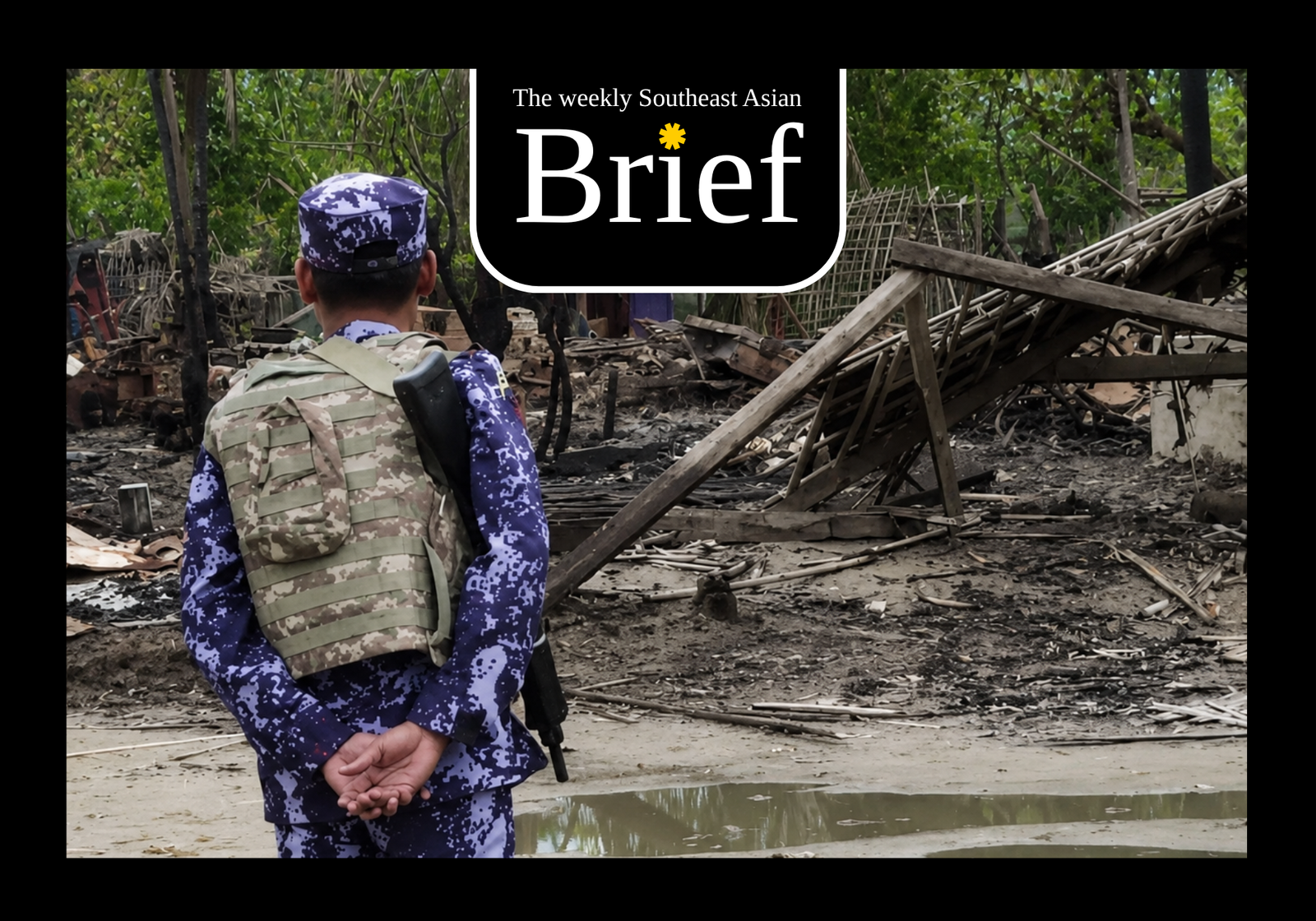
Myanmar’s Protracted Crisis Has Become a Defining Test of ASEAN’s Regional Diplomacy
ASEAN’s renewed calls for broader humanitarian access, the unconditional release of detained political figures in Myanmar on August 3 and support for a Myanmar-led and Myanmar-owned peace process have once again highlighted the bloc’s reliance on the Five-Point Consensus (5PC) as its principal framework for engagement. Its continued reaffirmation at successive summits and ministerial meetings has increasingly raised questions over ASEAN’s strategic integrity, credibility and centrality in responding to one of the region’s most enduring security challenges.
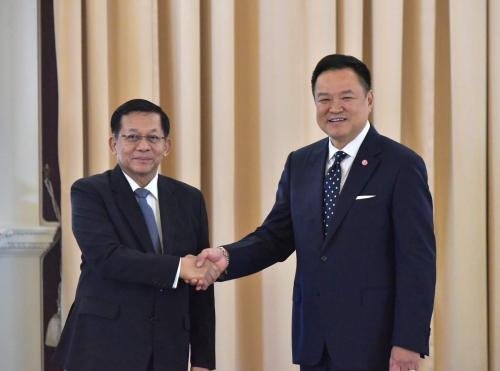
Myanmar Junta Leader Seeks Economic Lifeline in Bangkok, $12bn Trade Deal Sealed
On August 6, Thai Prime Minister (PM) Anutin Charnvirakul rolled out the red carpet to welcome Myanmar’s military-backed President Min Aung Hlaing, officially commencing the first bilateral engagement between both nations since the 2021 coup.
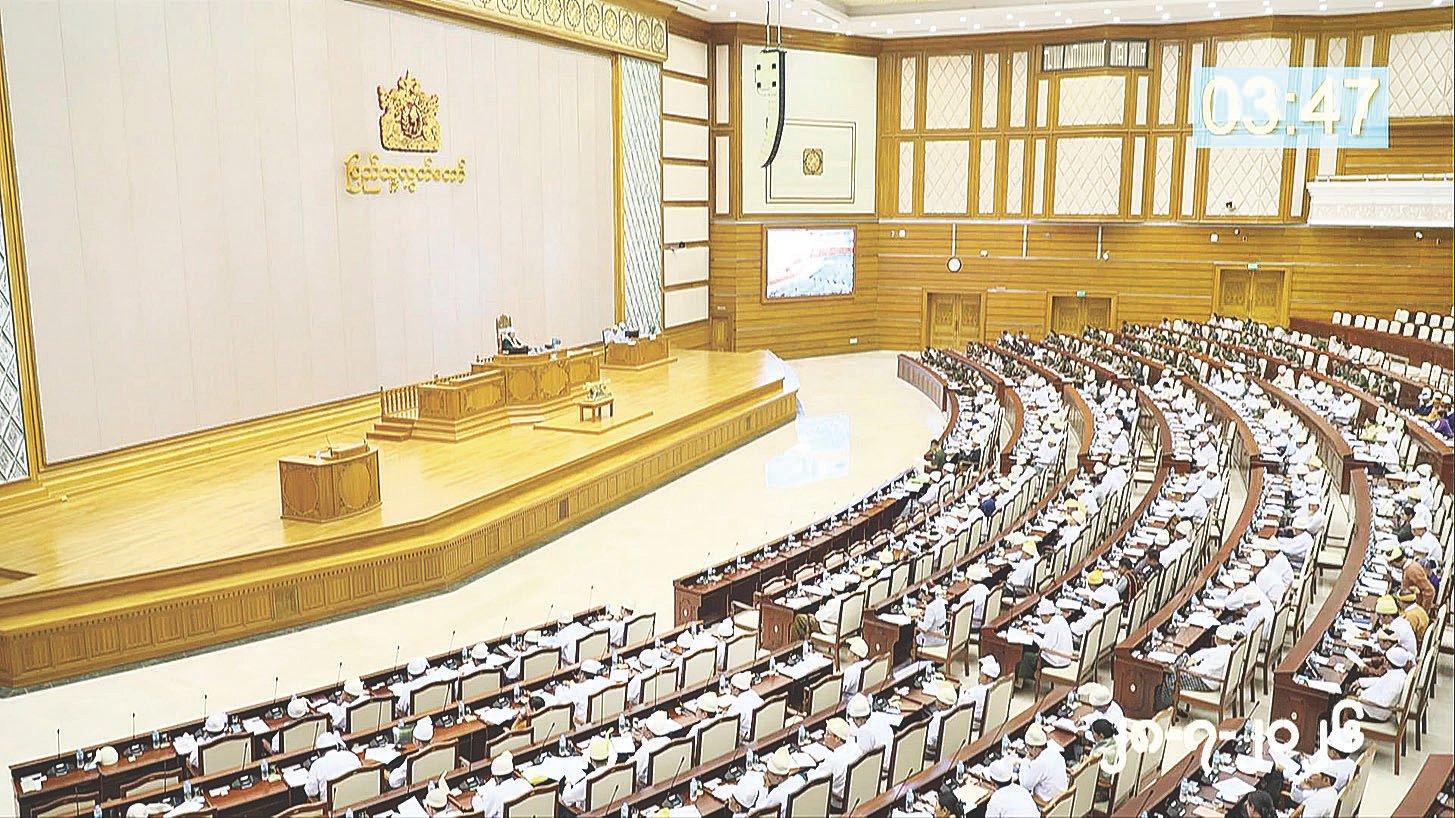
Anti-Scam Law Becomes the First Political Test of Myanmar’s New Government
Myanmar’s military-backed Union Parliament has approved an Anti-Online Scam Law that introduces tougher penalties for online fraud on July 28, including a mandatory death sentence in cases where victims die after being forced to participate in scam operations. It is also the first legislation passed under the government of President Min Aung Hlaing, who moved from junta chief to head of state in April following an election that the pro-democracy party National League for Democracy did not contest.

Myanmar Approves Death Sentence for Cybercrime Offences
On July 28, Myanmar’s military-backed Union Parliament passed a green light to an “Anti-Online Scam Bill,” a law that regulates capital punishment for those who run online scam centers and force, violate or torture another person to commit to the scam.
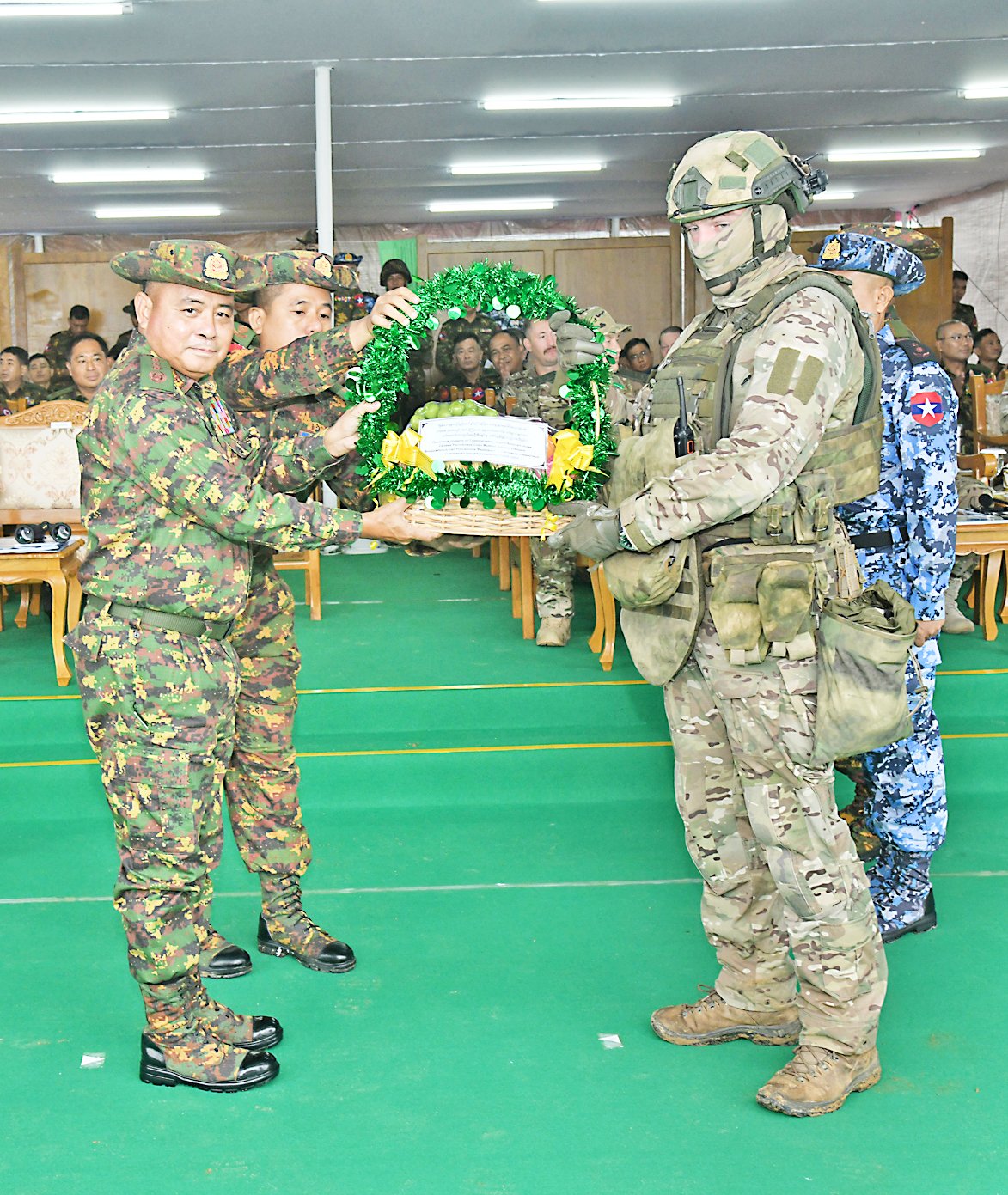
Myanmar, Russian Forces Conclude First Joint Military Exercise Amid Closer Defence Ties
Myanmar and Russian special forces concluded their first joint military exercise, codenamed Tiger-2026, on July 17 after nearly two weeks of joint training, highlighting expanding defence cooperation between the two countries.
Myanmar’s Flawed 100-day Plan Risks Deepening Its Economic and Humanitarian Crisis
Myanmar’s Foreign Minister Tin Maung Swe attended the informal ASEAN foreign ministers’ meeting on July 12, marking the country’s first in-person engagement with the bloc since the 2021 military coup.