

Gregory B. Poling, Senior Fellow and Director for the Southeast Asia Program and Asia Maritime Transparency Initiative at CSIS, formally opens the 2026 Manila Strategy […]
Category: ASEAN

France and ASEAN Launch Creative ASEAN to Strengthen Cultural Cooperation
On September 10, France and the Association of Southeast Asian Nations (ASEAN) launched Creative ASEAN, a new regional initiative designed to deepen cooperation in the arts, culture and creative industries between France and all 11 ASEAN member states.

Why Greener Buildings Mean Changing What They Are Made Of, Not Just How They Run
Antonio Ng spent four years working on a building he was sure was part of the answer to climate change. He worked on the California Academy of Sciences in San Francisco which was the first museum in the world to earn LEED platinum certification twice over,

If Myanmar Cannot Be Isolated, ASEAN Should Make Engagement Conditional
Myanmar has entered a new chapter in its civil war. Since the military coup in February 2021, Myanmar’s armed forces, or known locally as the Tatmadaw, has faced sustained armed resistance across the country, triggering a civil war that has claimed the lives of over 100,000 people and displaced millions more. Five years on, neither the military’s junta nor ASEAN’s diplomatic efforts have produced a durable political settlement, making this bloody conflict a stain on ASEAN’s conflict management reputation. In response, the regional bloc has largely kept Myanmar’s junta authorities at arm’s length, shunning their participation in high-level political meetings and refusing to recognise the military’s political process as a path towards normalisation.
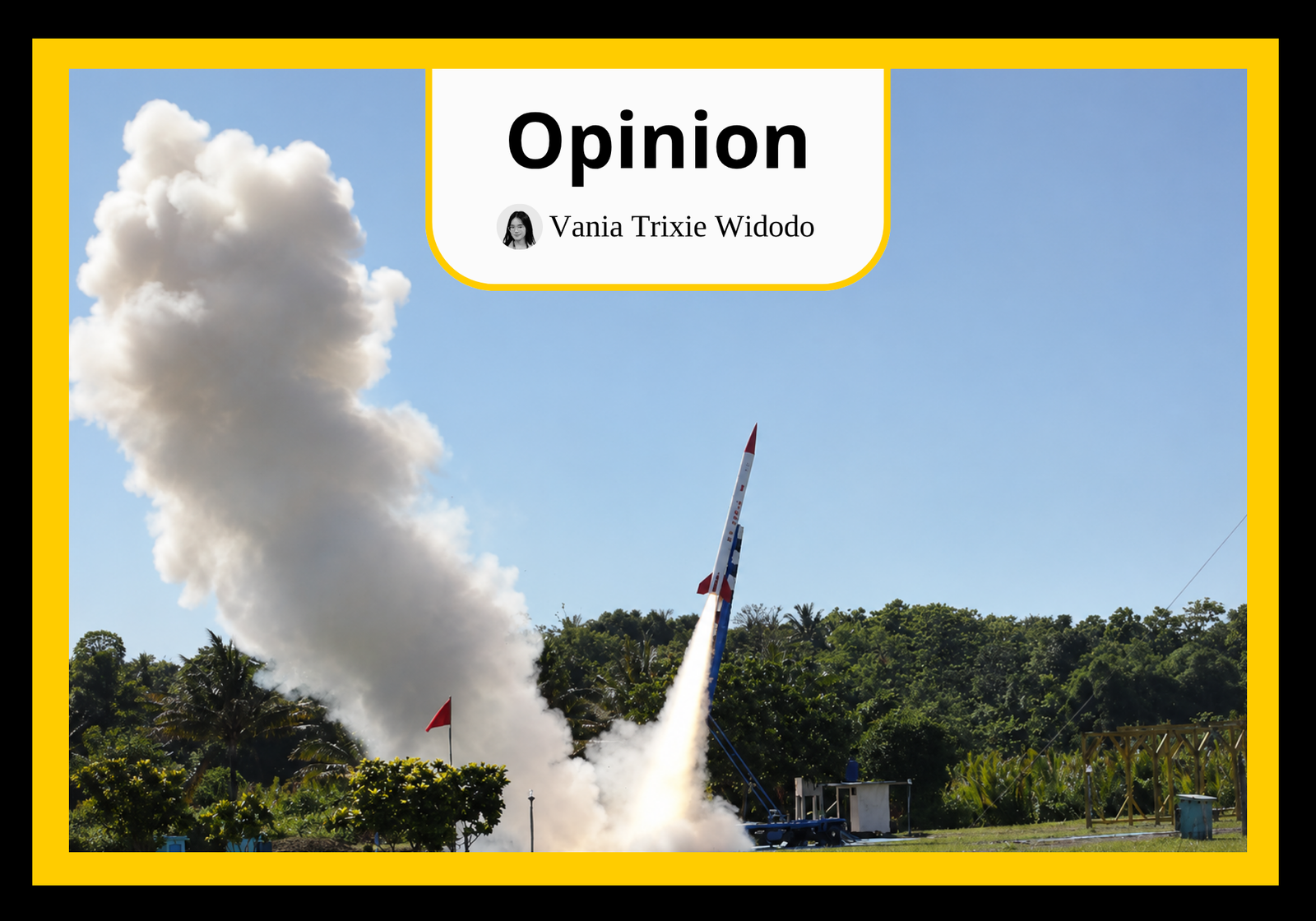
ASEAN’s Space Problem Is ASEAN Itself
In space, ASEAN’s non-interference principle is doing precisely what it was built to do and that is the problem. In March 2026, ASEAN Secretary-General Kao Kim Hourn spoke in Manila, pointing to a new tracking station on Biak Island, Indonesia, as a critical step in building out a regional space economy projected to hit 100 billion US dollar by 2030.
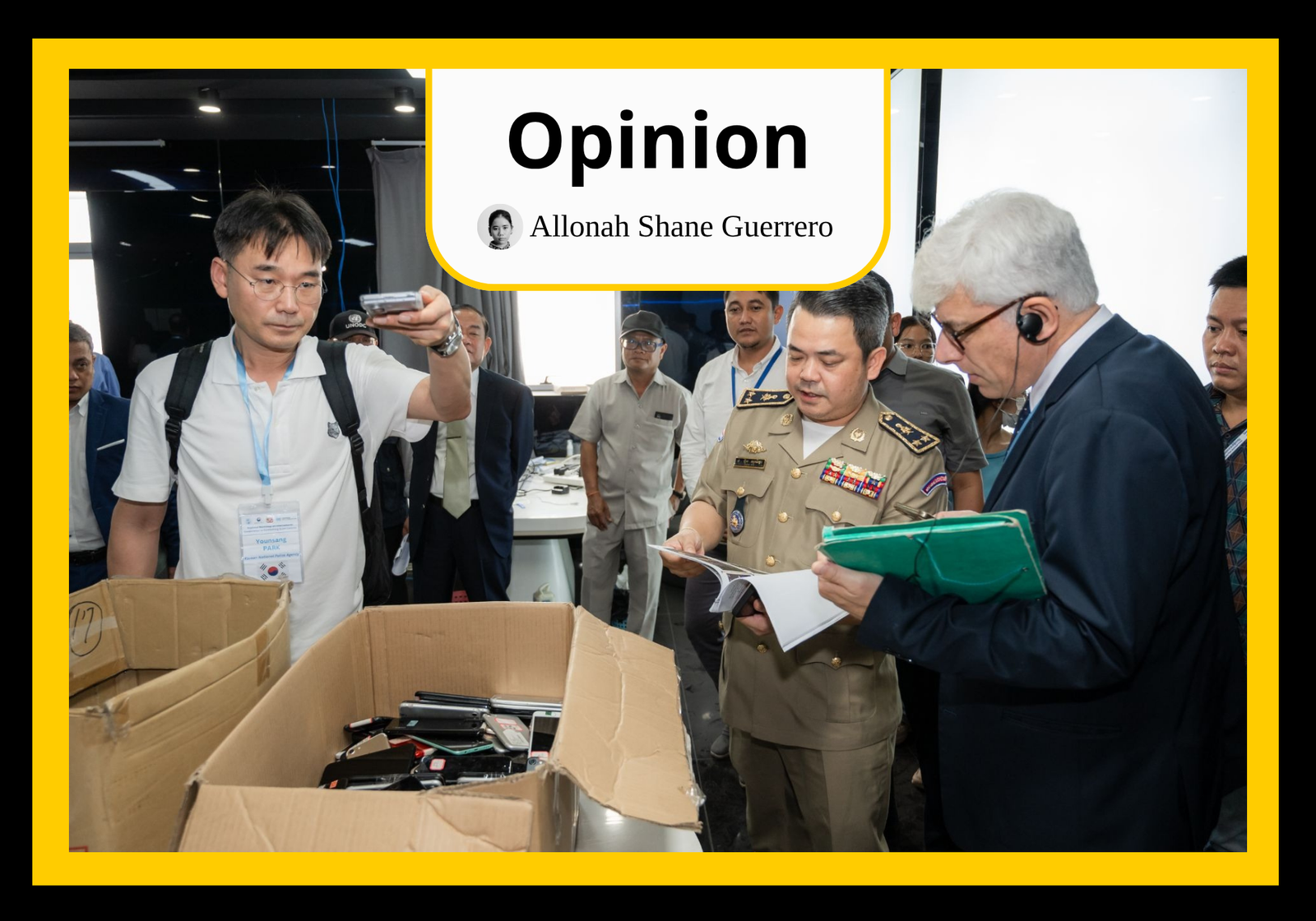
Why Scam Compounds Have Become ASEAN’s Shared Security Problem
Long treated as localised cybercrime and law enforcement problems, Southeast Asia’s scam compounds have evolved into a far more dangerous phenomenon: a direct challenge to regional security and institutional credibility.

The Catalogue Problem Underneath Southeast Asian E-commerce
One e-commerce listing describes a food container with a frog on it, but the photograph shows a children’s dinner set. Another advertises an Arabic edition of Monopoly and the box in the picture is the standard game. A third offers a Sony headphone model in a colour that model has never been made in, which makes it either mislabelled or counterfeit.

Vietnam Calls for ASEAN-Led AI Governance Framework in Lawmaking as Regional States Digitalise
The Vietnamese Deputy Prime Minister (DPM) Lê Tiến Châu has called for ASEAN to establish common principles for the use of artificial intelligence (AI) in lawmaking and legal enforcement, as regional countries seek to adapt their legal systems to rapid technological change.


New Rules, Old Spreadsheets: ASEAN’s 130,000-Institution Compliance Gap
More than 130,000 financial institutions across Southeast Asia still manage risk in Microsoft Excel and new rules now make that a licence problem. Fresh from being named Founder of the Year at the Global Startup Awards in Malta, Founder and CEO of Prospero, Bobby Yulandika Putra, explains what is at stake and how homegrown technology can close the gap.