
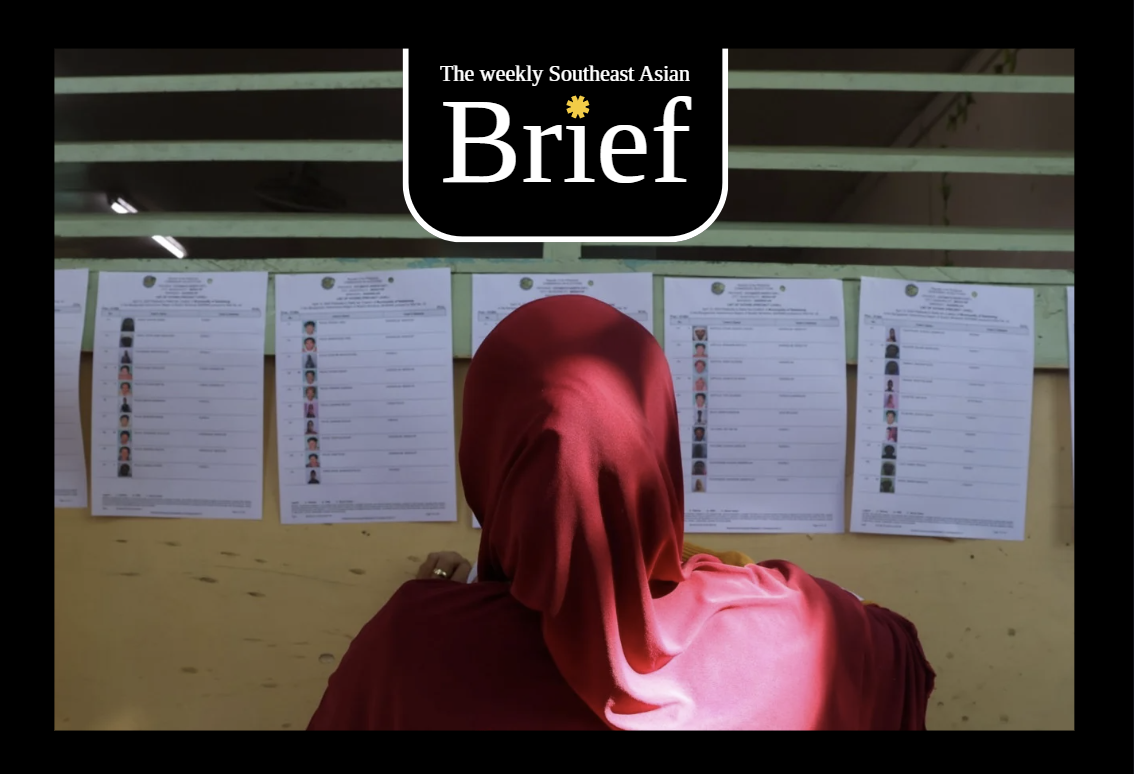
After decades of conflict, the Bangsamoro Autonomous Region in Muslim Mindanao (BARMM), in the Philippines’ southern region, held its first parliamentary elections on September 14, 2026. It marked the first electoral test of a historic 2014 peace agreement between Manila and the Moro Islamic Liberation Front that granted the region autonomy.
Category: Philippines
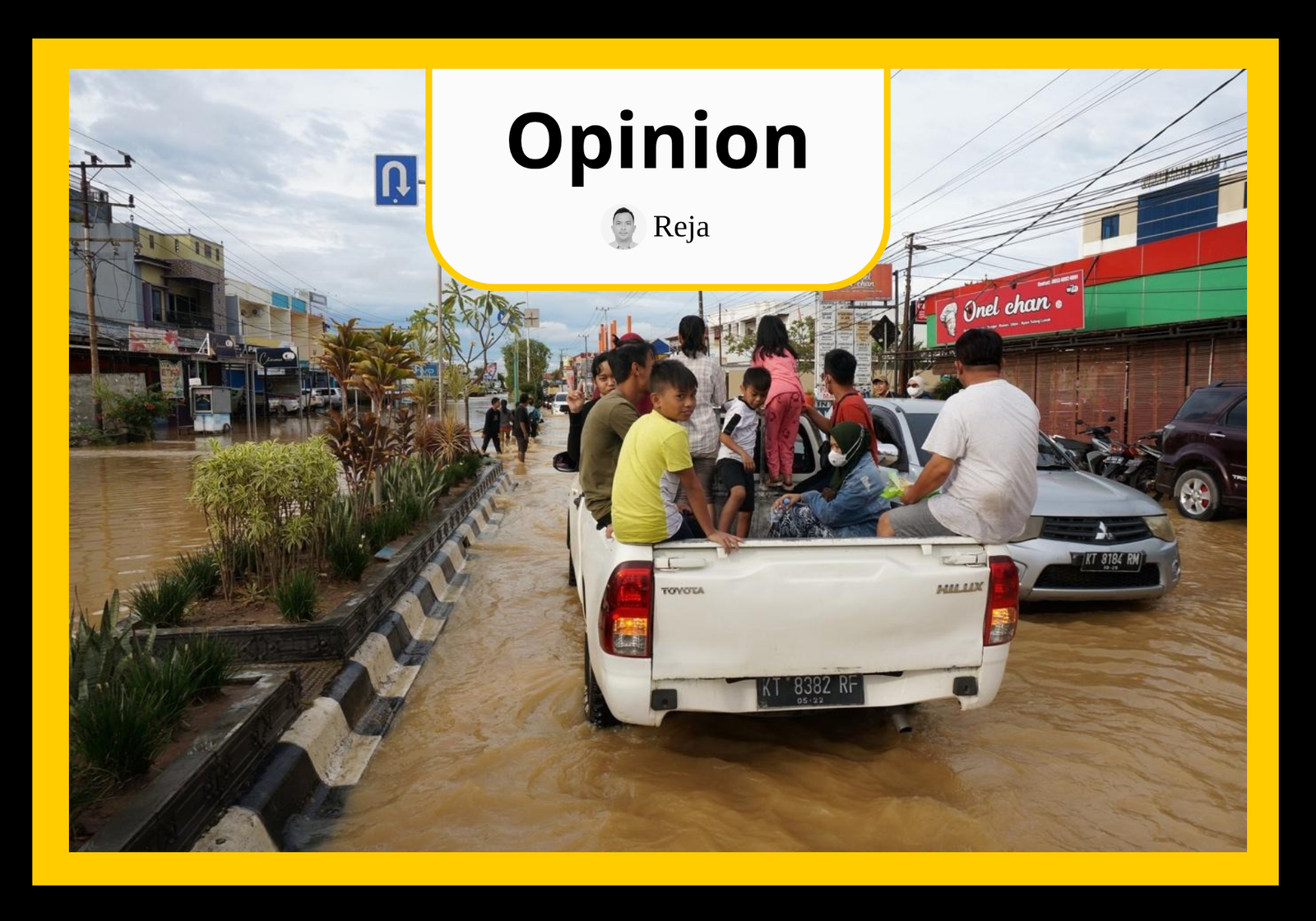
Beyond the Emergency, Rethinking Disaster Resilience in Indonesia
Disaster resilience in this economy depends not only on emergency preparedness and institutional capacity, but also on its accuracy, integration and reliability. The COVID-19 pandemic demonstrated how essential these are when responding to large-scale crises and ensuring that assistance reaches those who need it most.
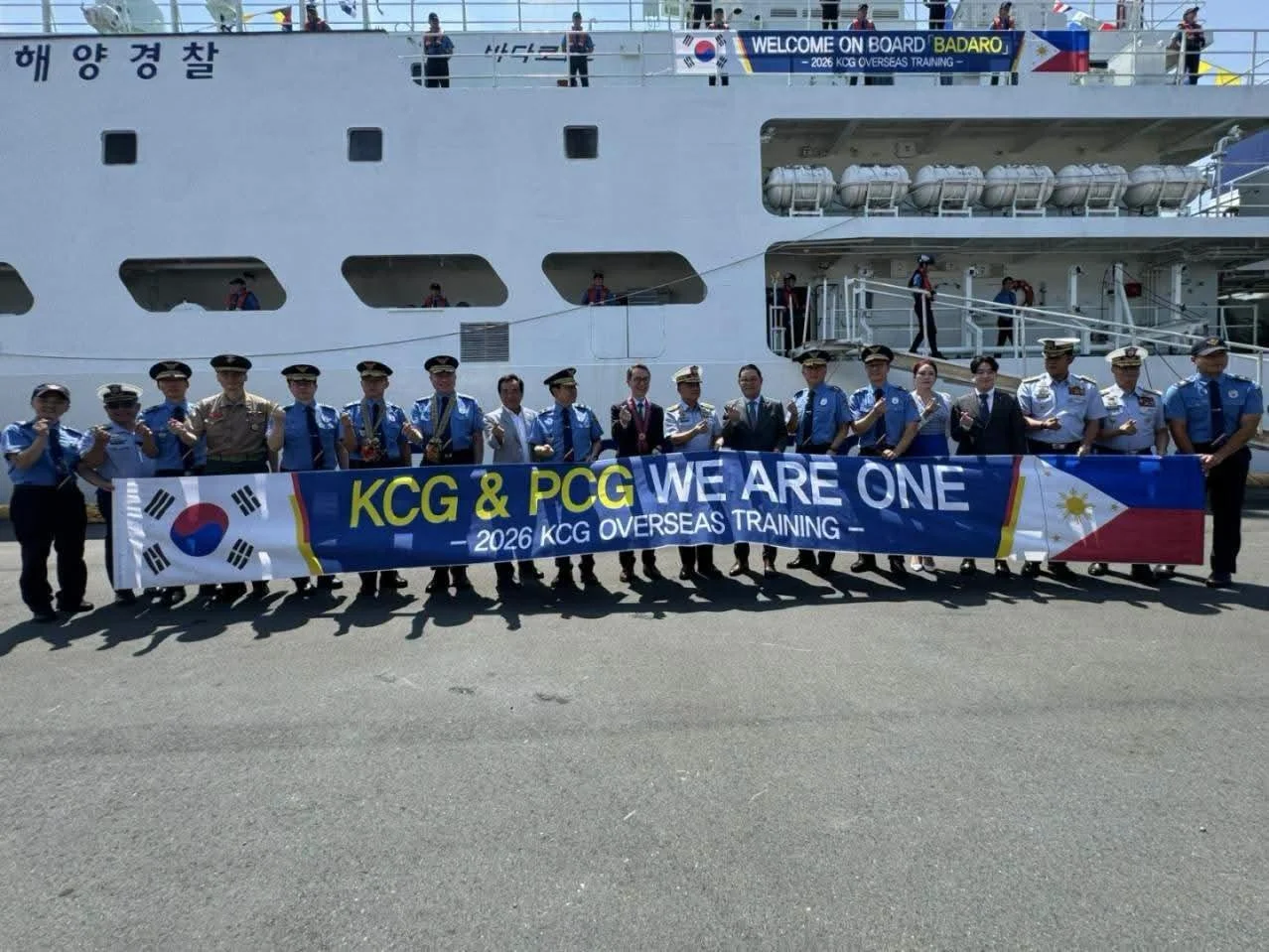
South Korean Coast Guard Ship BADARO 3011 Arrives in Manila Amid Growing ASEAN Engagement
South Korea is expanding practical maritime security cooperation with ASEAN as the Korea Coast Guard (KCG) training ship BADARO 3011 arrives in the Philippines for a four-day port visit with the Philippine Coast Guard (PCG) from September 14 to 17.
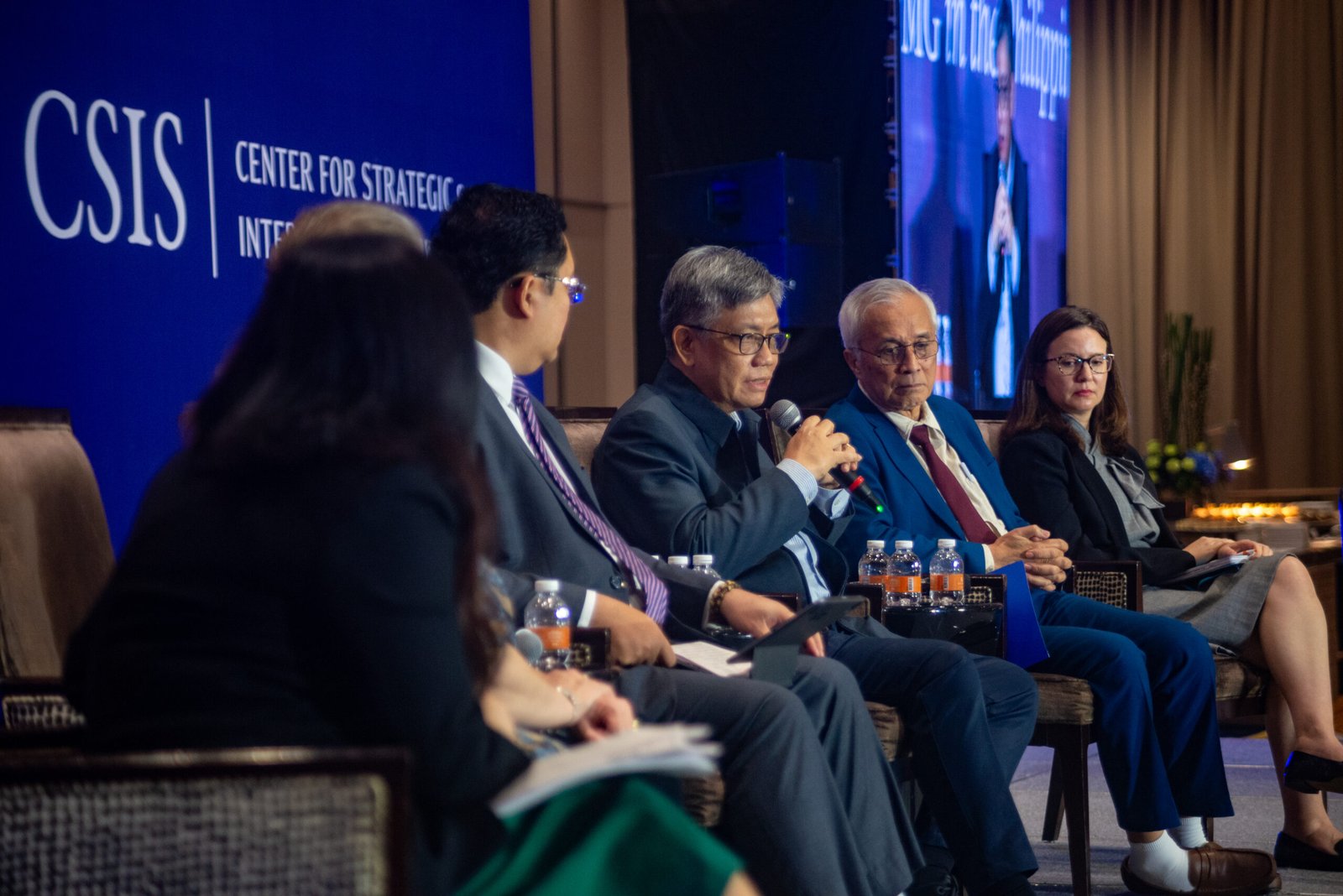
Pax Silica Backed as National Defence, but Experts Warn of Resource and Talent Drain
“In today’s world, economic diplomacy is a national defence by another name,” Department of Foreign Affairs Secretary Theresa Lazaro affirmed during a keynote address at the 2026 Manila Strategy Forum on September 9.
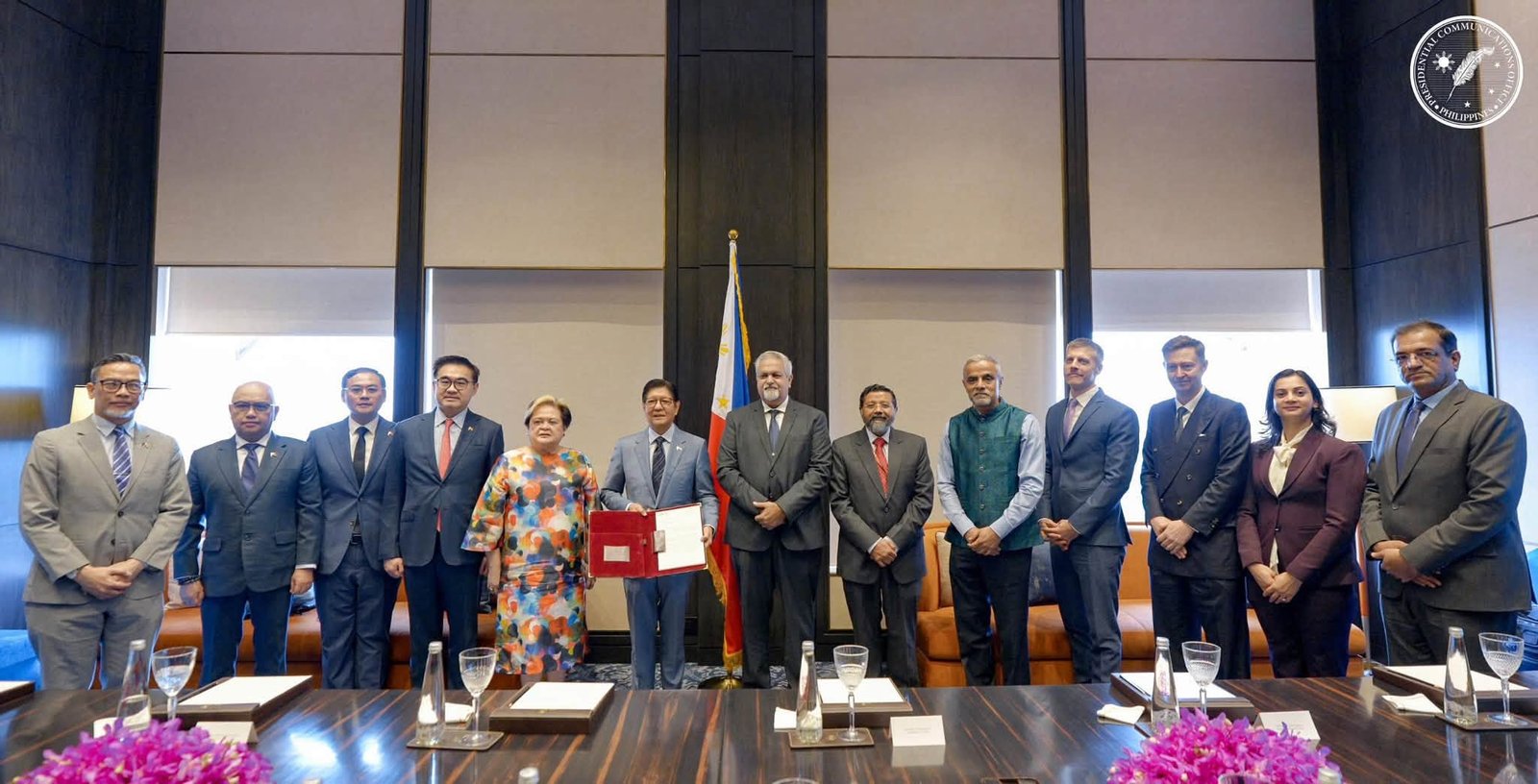
Philippine President Marcos Takes ASEAN Priorities to BRICS as Philippines Joins Resilience Coalition
On September 12, Philippine President Ferdinand Marcos Jr. arrived in New Delhi, India for the 18th BRICS Summit, representing ASEAN as its 2026 chair while also advancing the Philippines’ infrastructure resilience agenda through membership in the Coalition for Disaster Resilient Infrastructure (CDRI).

Philippines Ranks Among World’s Top 10 Retirement Destinations
Affordable living and housing costs have helped propel the Philippines into the global top 10 retirement destinations, according to the latest Rumavi Global Relocation Index.
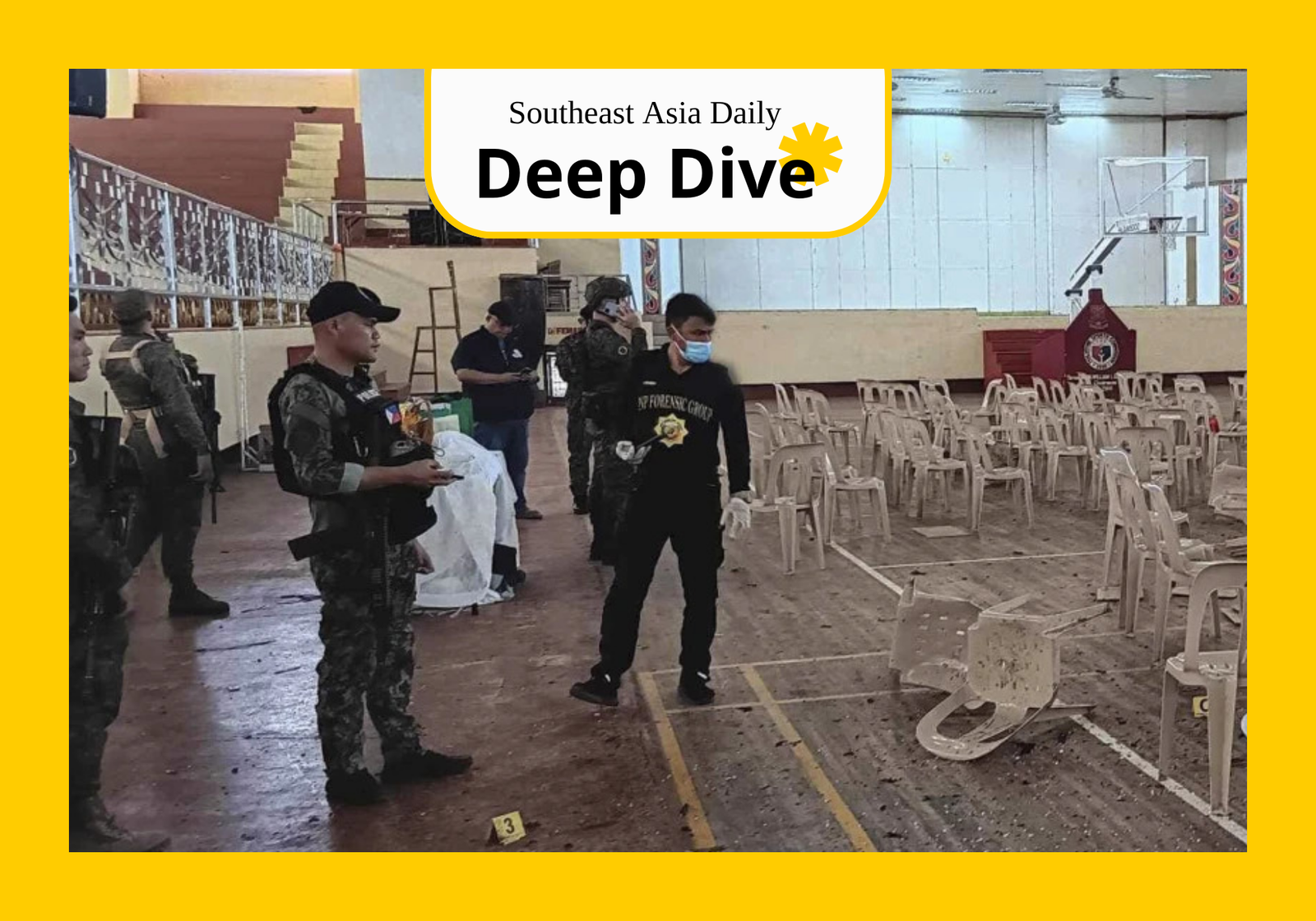
The Bangsamoro Elections Is A Test for Post-Conflict Politics
This content is restricted.

Quezon City Court Issues Philippine Vice President Sara Duterte Arrest Warrant Amid Impeachment Proceedings
On September 4, the Quezon City (QC) Regional Trial Court Branch 98 issued an arrest warrant against the Philippine Vice President (VP) Sara Duterte after finding probable cause to proceed with three counts of grave threats arising from remarks she made against President Ferdinand Marcos Jr., the First Lady Liza Araneta Marcos and House Speaker Martin Romualdez.
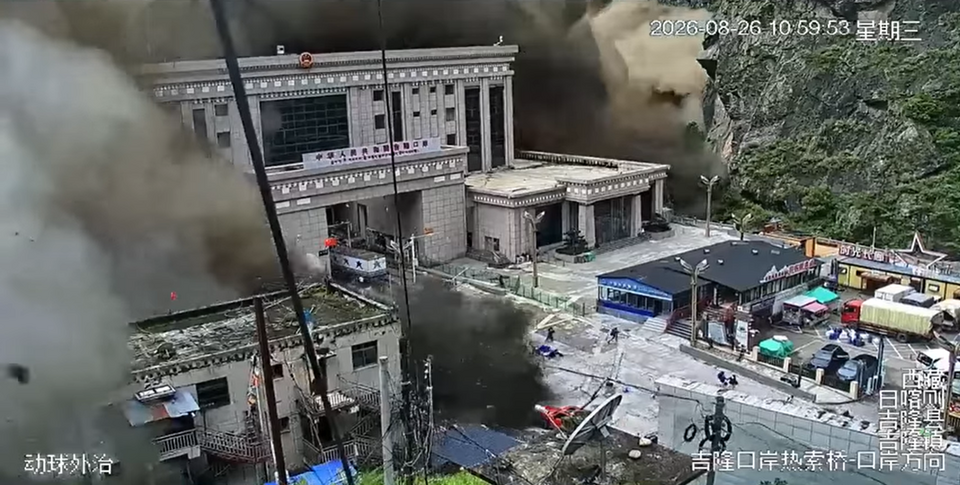
Manila Steps Up Assistance for Filipinos Caught in Nepal Floods
On August 28, Philippine authorities moved to assist citizens who may have been caught in the devastating floods that have hit parts of Nepal, as the death toll from the disaster continued to rise.
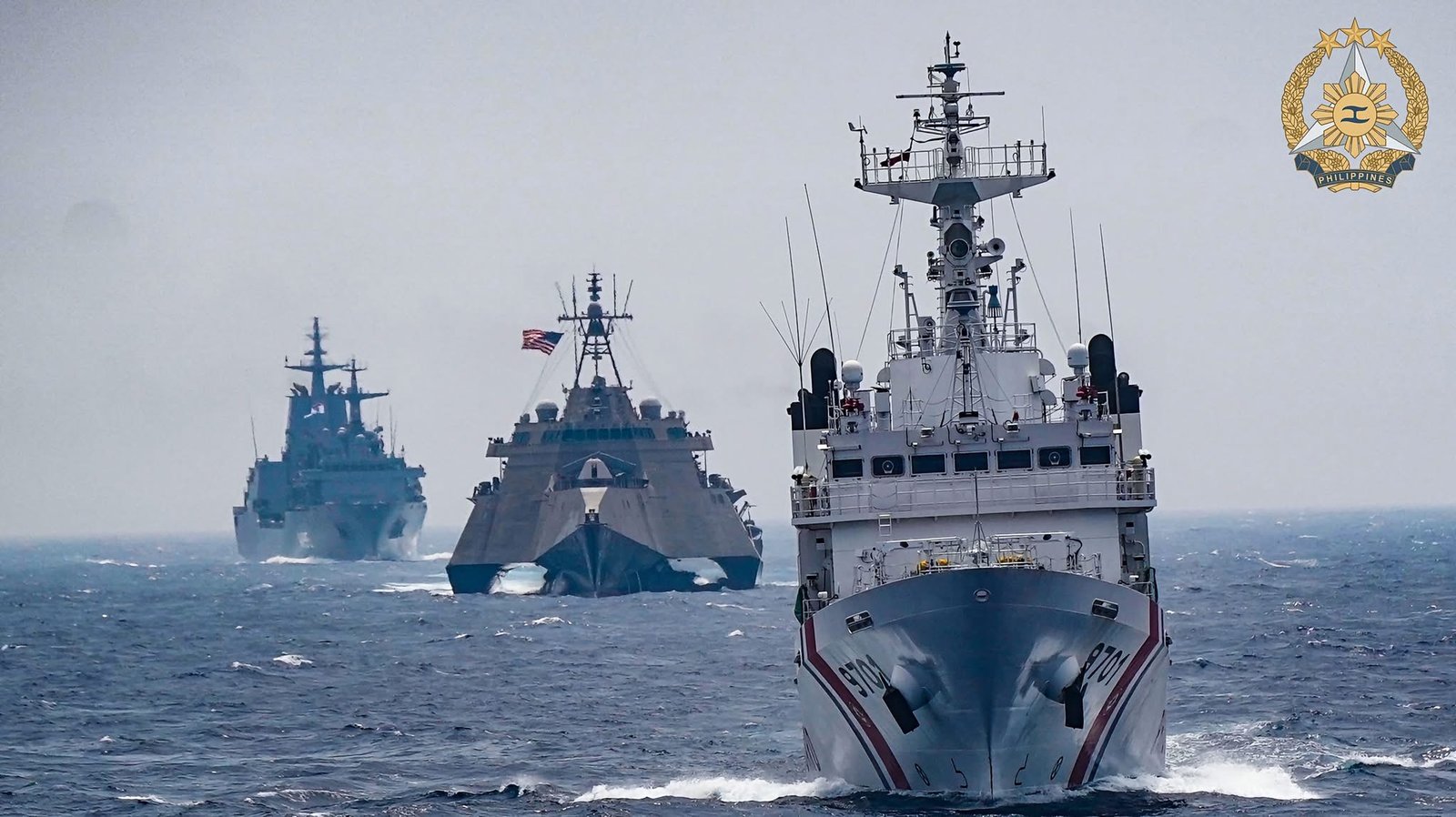
Australia, Philippines and US Strengthen Maritime Coordination in the South China Sea
Australia, the Philippines and US conducted a seven-day Maritime Cooperative Activity (MCA) within the Philippines’ Exclusive Economic Zone (EEZ) in South China Sea from August 19 to 25.