
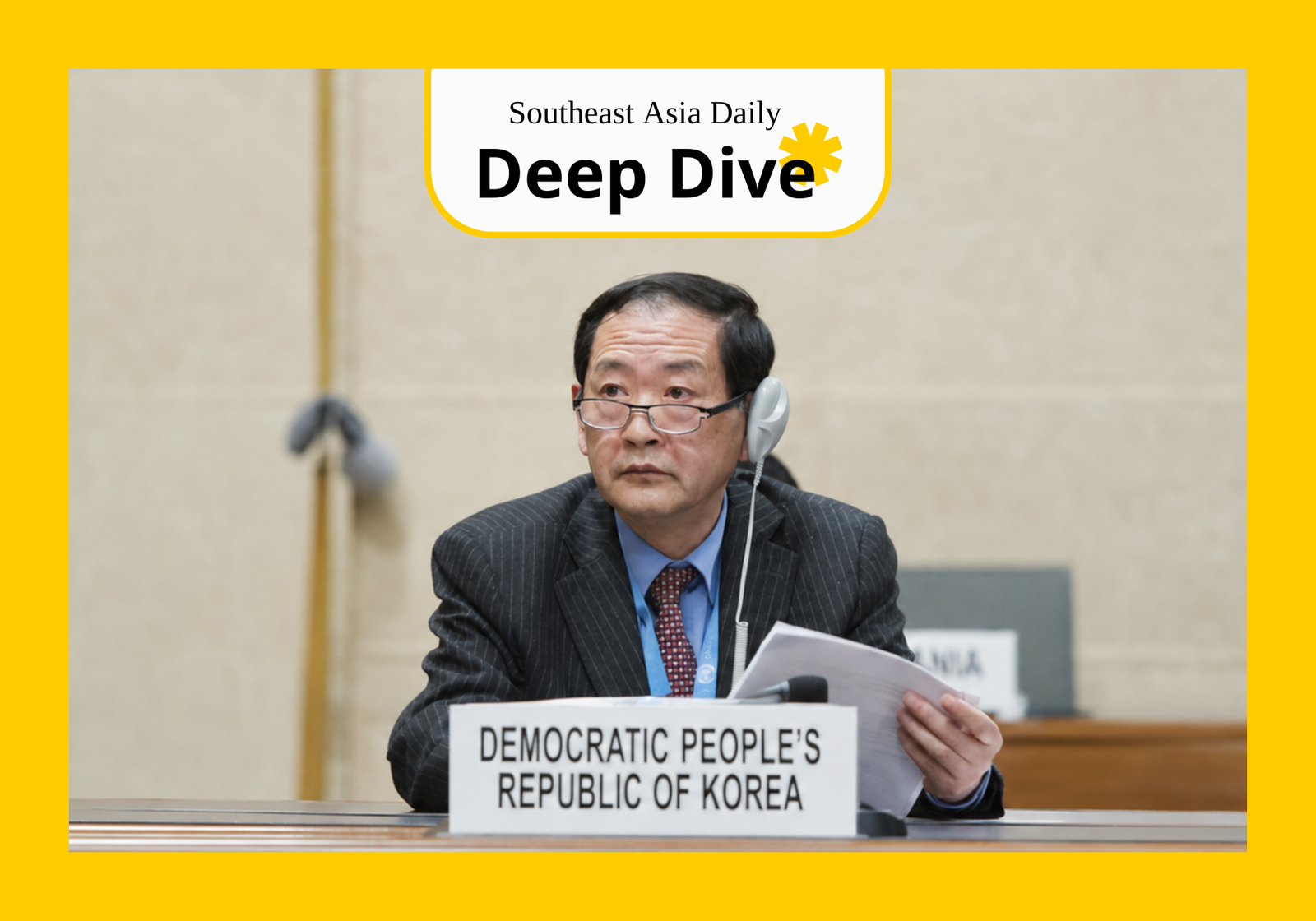
On March 12, 2026, the US Treasury Department’s Office of Foreign Assets Control (OFAC) sanctioned six individuals and two entities for their roles in North Korea’s overseas IT worker scheme that, according to US officials, generated nearly 800 million US dollar in a single year.
Category: Deep Dive

A Country In-Between: As EU Membership Stalls, Serbia Looks to ASEAN
After spending more than a decade as a European Union (EU) candidate, with very little chances to join the 27-nation bloc anytime soon, if at all, Serbia—a relatively small country in Southeastern Europe—now seeks to strengthen ties with ASEAN. Given that geography prevents the Balkan state from full integration into ASEAN, Belgrade seems to see the organisation as a counterbalance to the growing Chinese influence in Serbia. But how might Serbia and the Southeast Asian grouping benefit from closer cooperation?
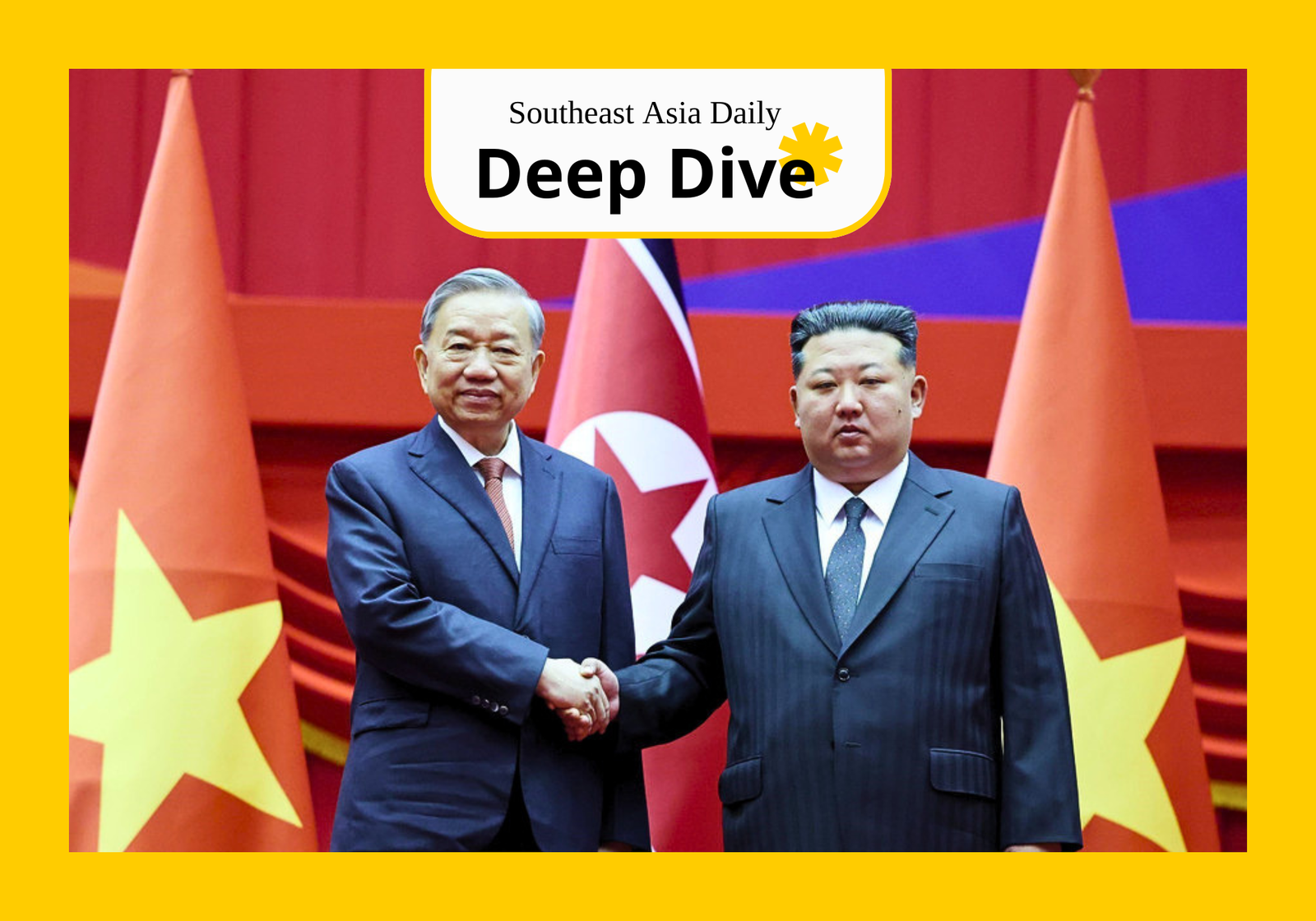
North Korea and Southeast Asia: Signals of a Quiet Reconnection
On May 5, 2026, Vietnamese President Tô Lâm appointed Doãn Khánh Tâm as Hanoi’s new ambassador to the Democratic People’s Republic of Korea (DPRK) or North Korea.

From Hedging to Hard Balancing: Balikatan 2026 and the Philippine Defence Strategy
On April 20, the Philippines commenced the 41st iteration of Balikatan, a joint military exercise with over 17,000 participants across the continents.
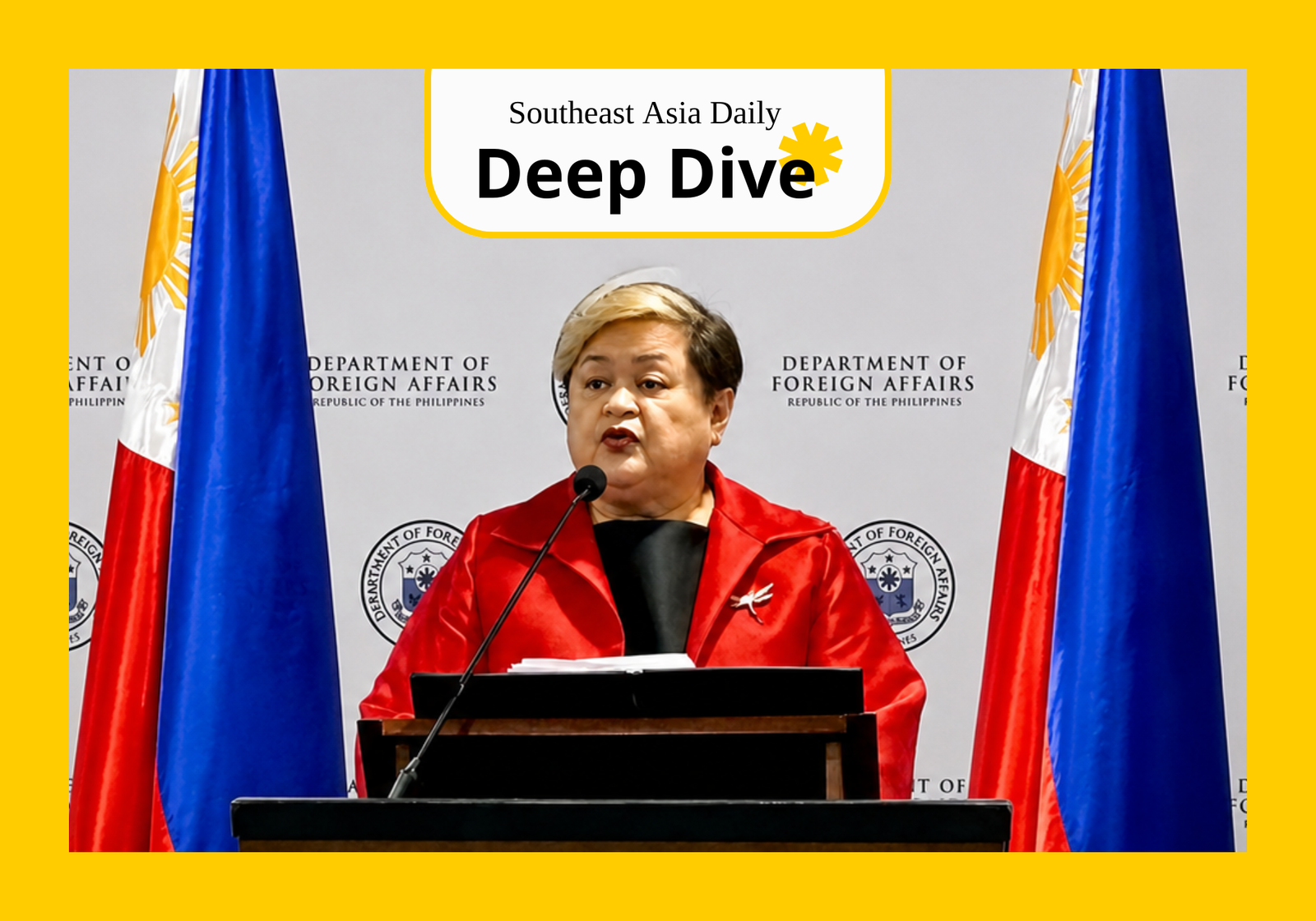
The Philippines as ASEAN Chair: Claimant, Convener and the Limits of Consensus
When the Philippines assumed the ASEAN rotating chairmanship on 1 January 2026, President Marcos Jr. announced two headline ambitions: conclude the long-stalled South China Sea Code of Conduct (CoC) and reinvigorate the Five-Point Consensus on Myanmar.
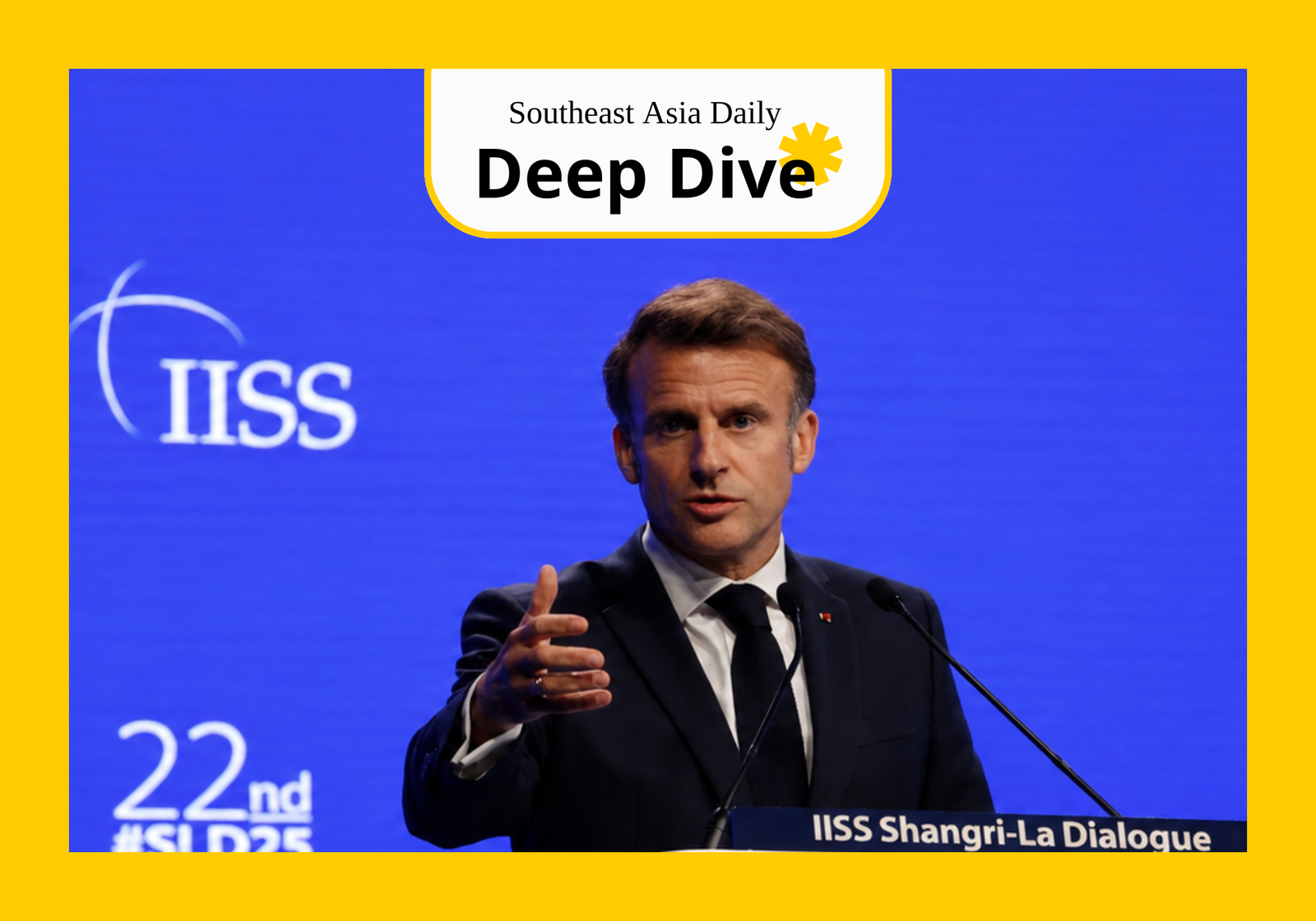
France’s Southeast Asia Push: Strategic Autonomy in Practice
On April 8 2026, following the One Health Summit, French President Emmanuel Macron welcomed Cambodia’s Prime Minister Hun Manet at the Elysée palace for a private meeting.

The New Face of Conservatism: How Thailand’s Right Learned to Win Elections
On April 9, Thai Prime Minister Anutin Charnvirakul delivered his government’s policy statement to parliament. His ambition can be summed up in a single sentence: “to build a stronger Thailand”. This roadmap is hardly surprising coming from a politician from the conservative camp. It has, however, been undergoing a major strategic transformation for some time now, and Anutin is one of the leading figures in this shift.
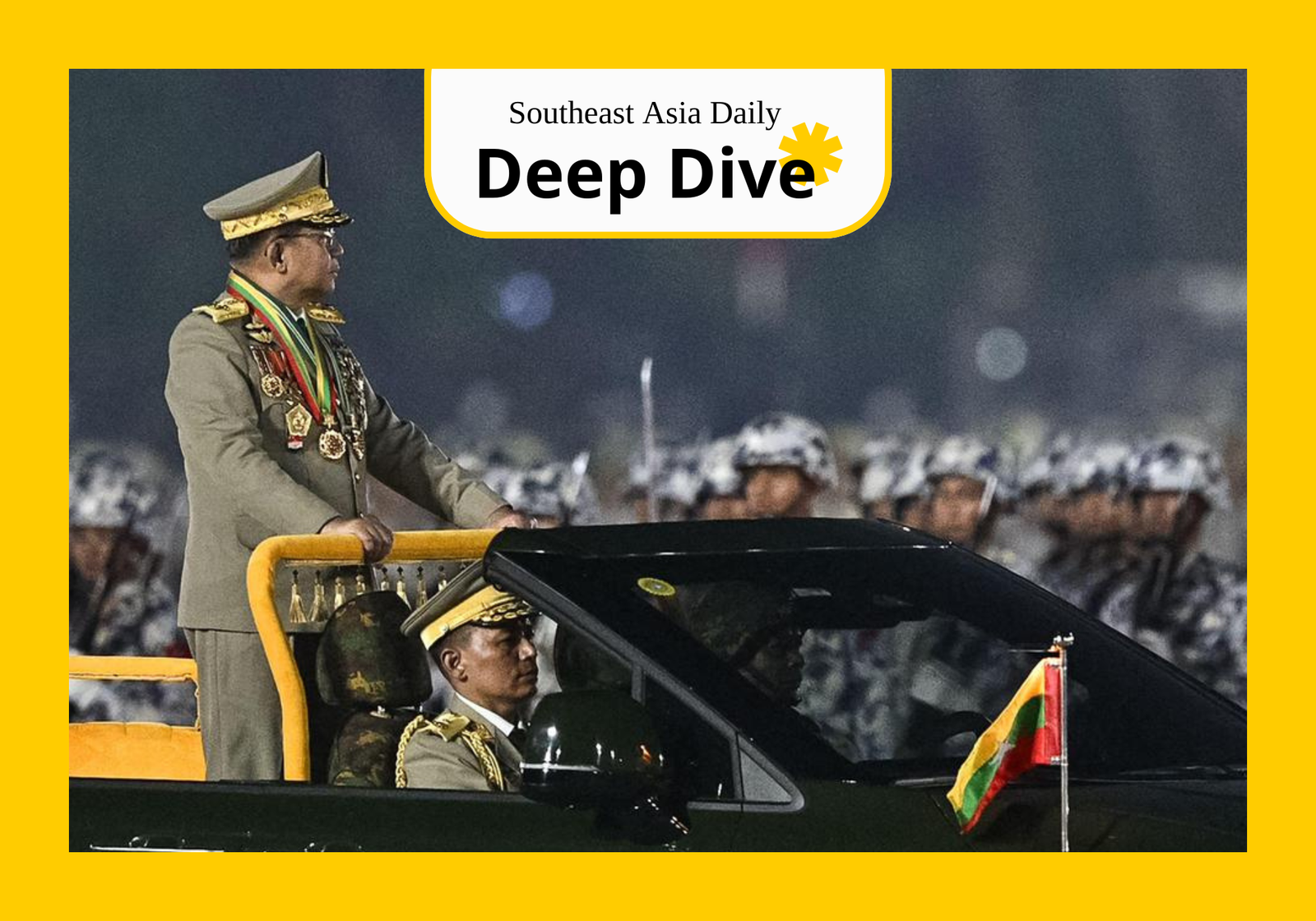
Military in Civilian Clothing: Myanmar Junta’s Post-Coup Rebrand
On 3 April 2026, Myanmar’s Union Parliament elected Senior General Min Aung Hlaing—the man who seized power in the 2021 coup d’état—as the state president, with 429 of 584 votes.
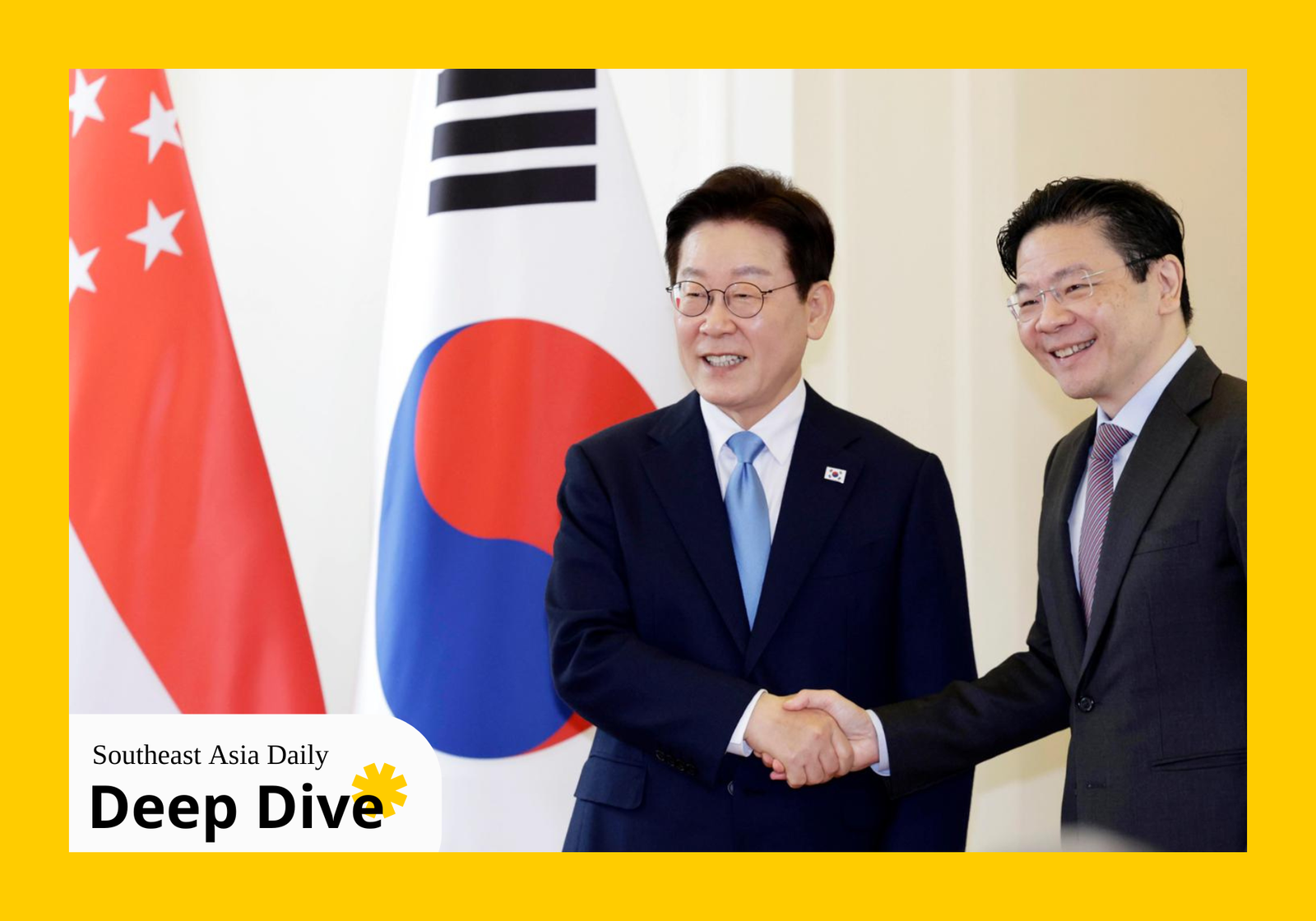
Agreements or Alignment? South Korea Eyes Southeast Asia
“We have decided to deepen our cooperation as reliable partners in an era of hyper-uncertainty.” On March 2, President Lee Jae-myung spoke at a joint press conference immediately after the summit at the Singapore Ministry of Foreign Affairs building.
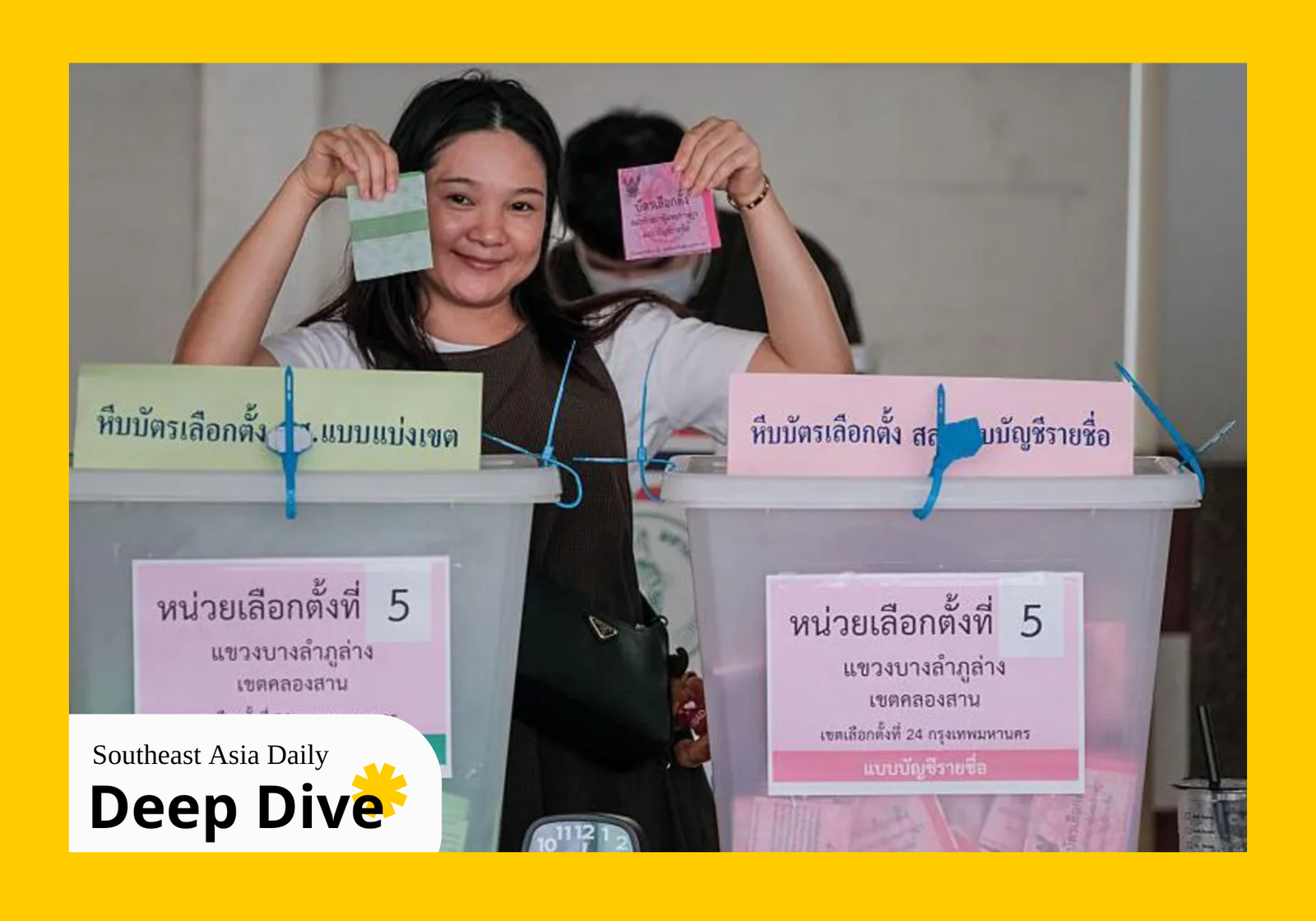
Thailand Opted for Stability, Not Reform. What Follows?
For nearly a century since the transition from absolute monarchy to constitutional monarchy in 1932, Thailand has been hemmed in a vicious cycle as elections raise expectations of change but deliver continuity instead. The February 8 election was the latest turn in this cycle, as the conservative Bhumjaithai Party secured193 of 500 parliamentary seats and stability once again triumphed over reform.