
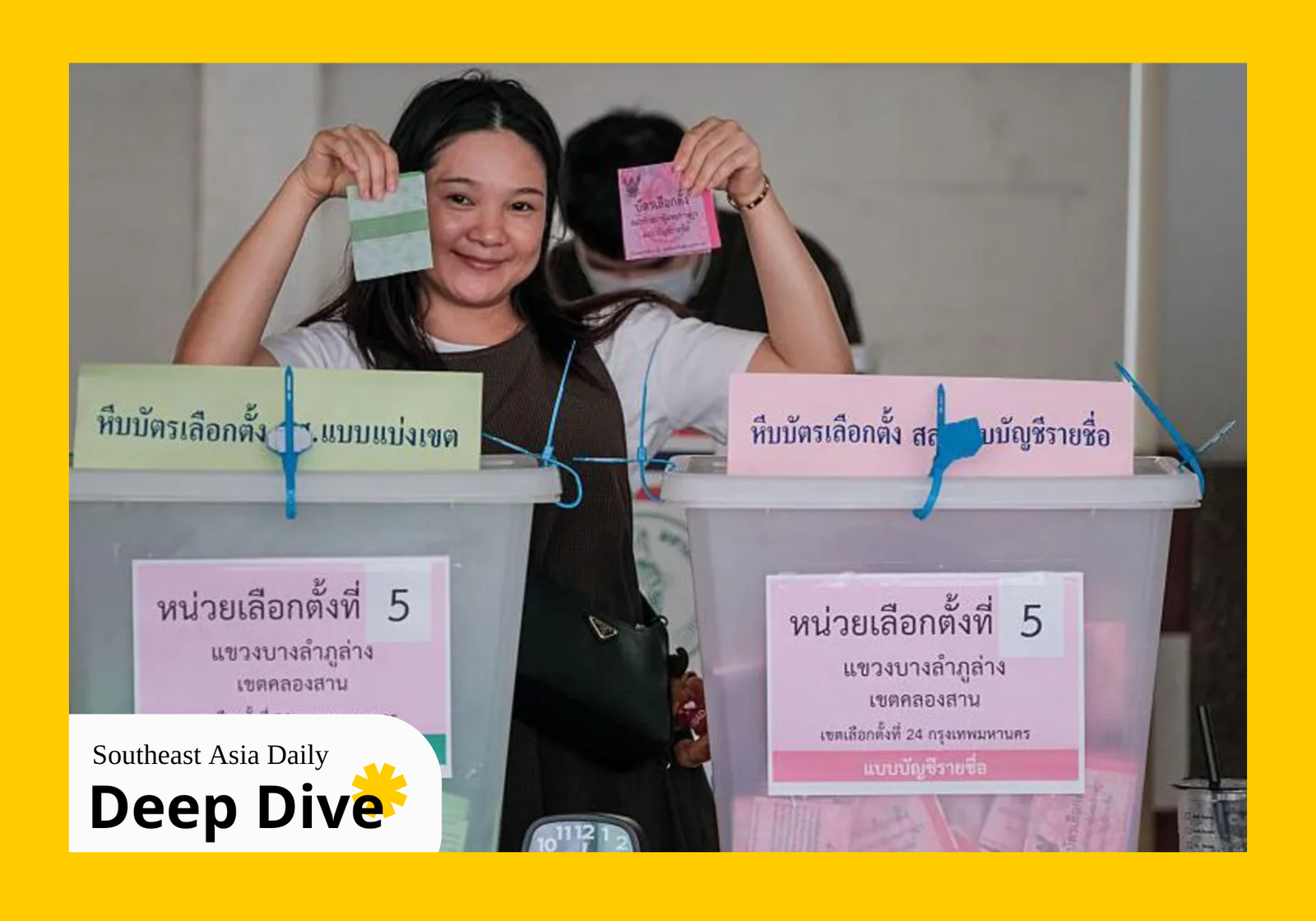
For nearly a century since the transition from absolute monarchy to constitutional monarchy in 1932, Thailand has been hemmed in a vicious cycle as elections raise expectations of change but deliver continuity instead. The February 8 election was the latest turn in this cycle, as the conservative Bhumjaithai Party secured193 of 500 parliamentary seats and stability once again triumphed over reform.
Category: Deep Dive
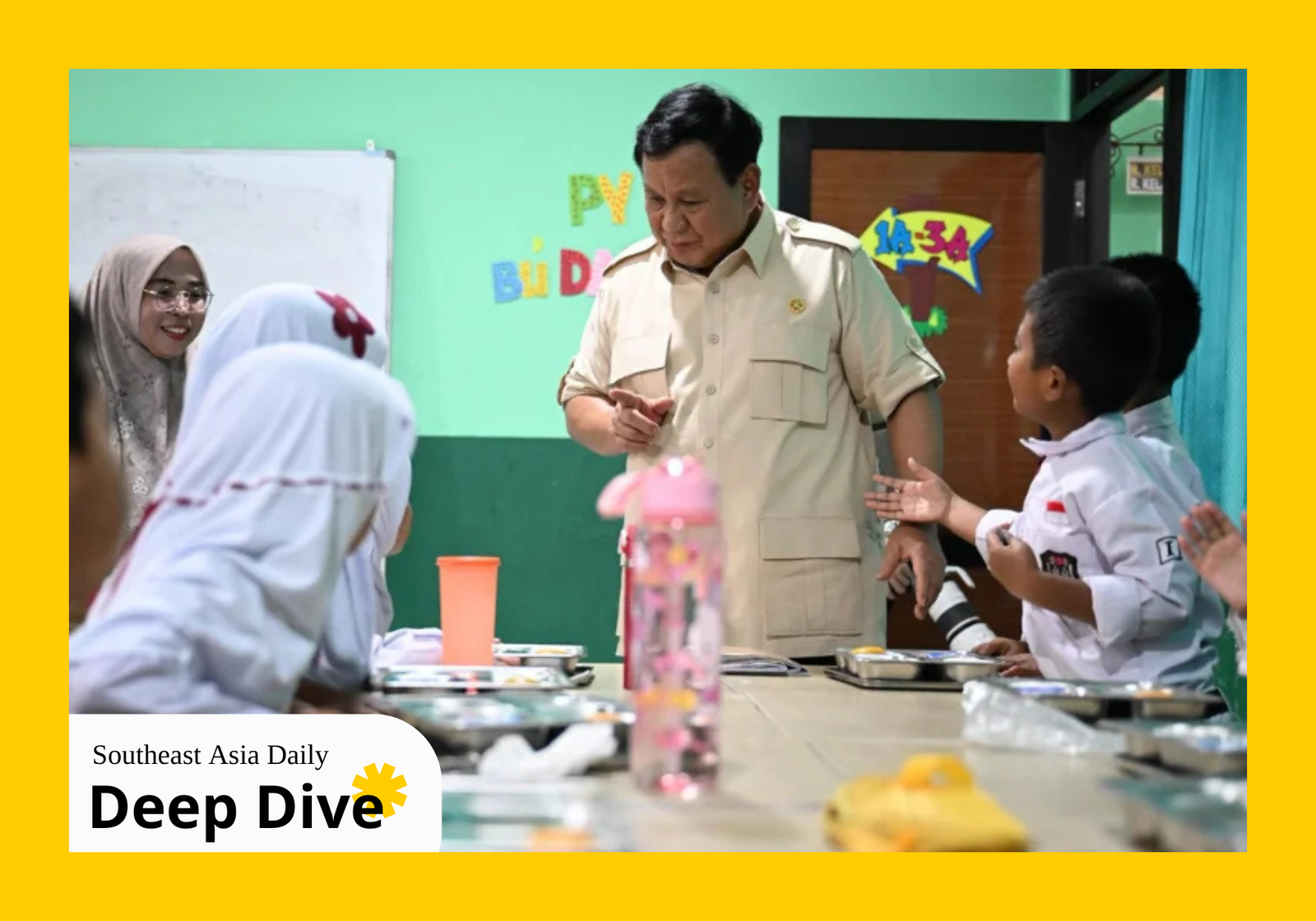
Capital Inflows, Limited Jobs: The Contradictions of Indonesia’s Prabowonomics
Indonesian President Prabowo Subianto promoted his “Prabowonomics” at the World Economic Forum (WEF) Annual Meeting in Davos in January 2026, demonstrating to the world that Indonesia is a stable and peaceful nation.

A Frontline Nation: The Philippines and the Rising South China Sea Tensions
The Philippines thus finds itself at a critical juncture, as evolving power dynamics in the SCS increasingly shape its sovereignty and security outlook. Without decisive policy shifts and sustained capability enhancements, current trends indicate that Beijing will continue to expand its influence and operational presence, further marginalising Manila.
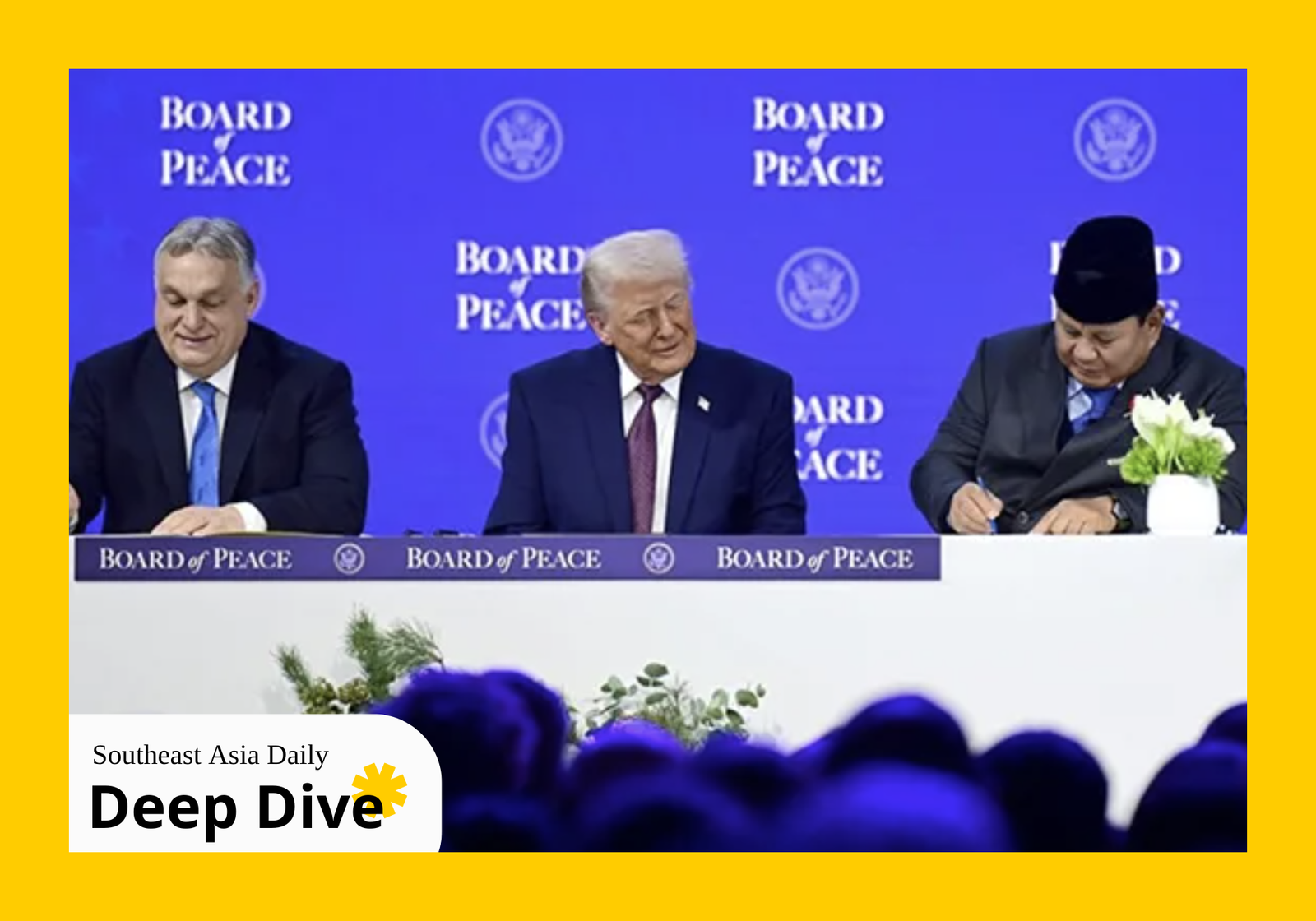
Joining the Board of Peace: A(nother) Test of Indonesia’s Foreign Policy Substance?
On January 22, the Indonesian Ministry of Foreign Affairs announced that United States (US) President Donald Trump had invited several Muslim-majority countries to join the Board of Peace.

Scam States? How Southeast Asia Became the Global Fraud Hotspot
The region’s scam operations have only increased in scale. The industry’s financial output has risen from US$37 billion in 2023 to US$43.8 billion in 2024, and US$40 billion by the first half of 2025, per United Nations Office on Drugs and Crime (UNODC) and US Institute for Peace (USIP) estimates.
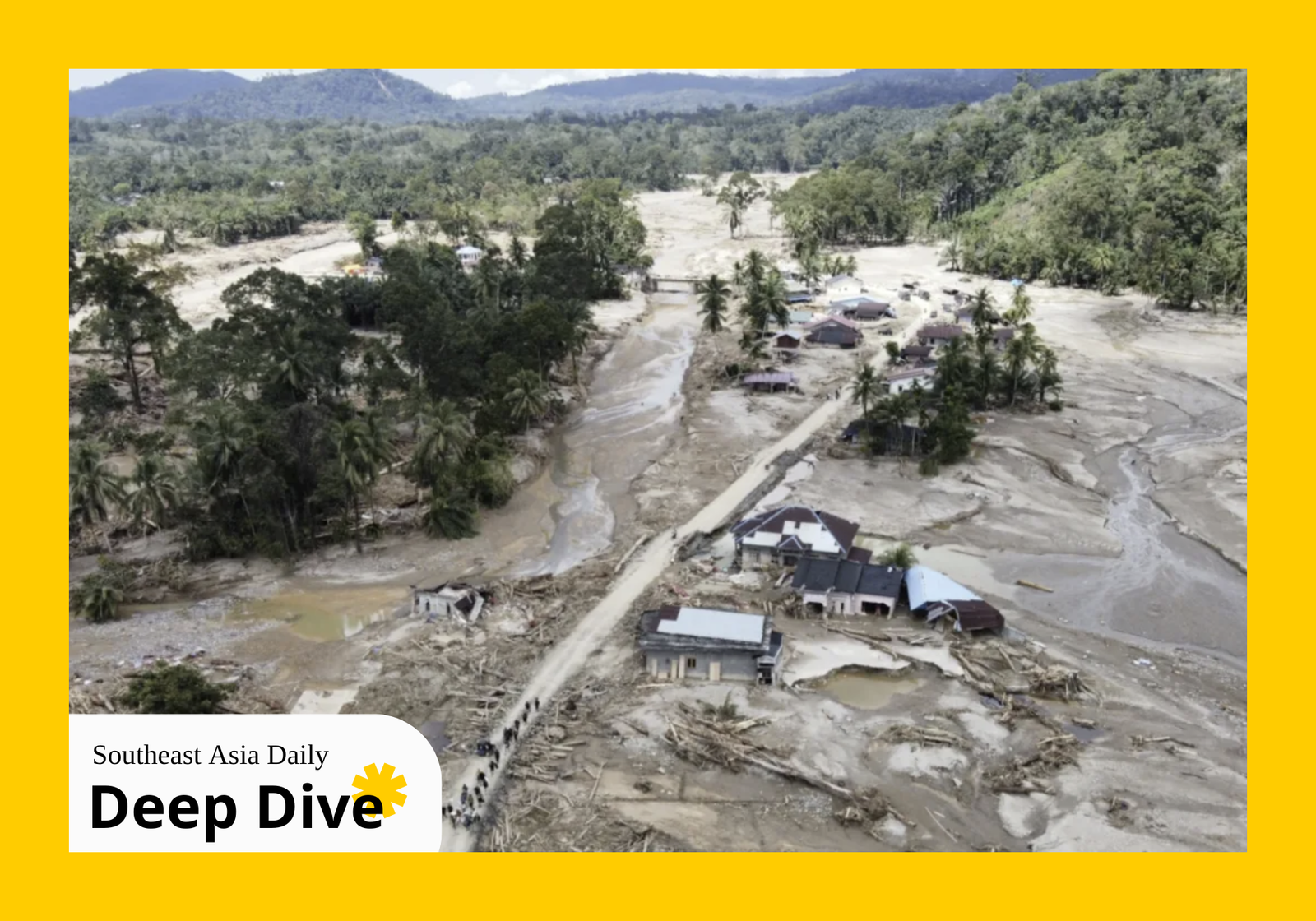
Not Just Nature: Political Failures in Southeast Asia’s 2025 Flood Disasters
The unprecedented scale of the extreme weather events have been capitalised by governments to avoid accountability. Across the affected countries, national meteorological agencies—which often place the blame on the cyclone and storm-driven torrential rains—dominated the discourse, thus forming a fatalistic narrative around the floods.

Suspended Peace: Why the Thai-Cambodian Border Conflict Persists
On November 11, the Prime Minister of Thailand, Anutin Charnvirakul, announced a suspension of the terms outlined in its Joint Declaration with Cambodia—that paused earlier clashes between the two countries—following a mine explosion a day earlier that gravely injured a Royal Thai Army (RTA) serviceman.