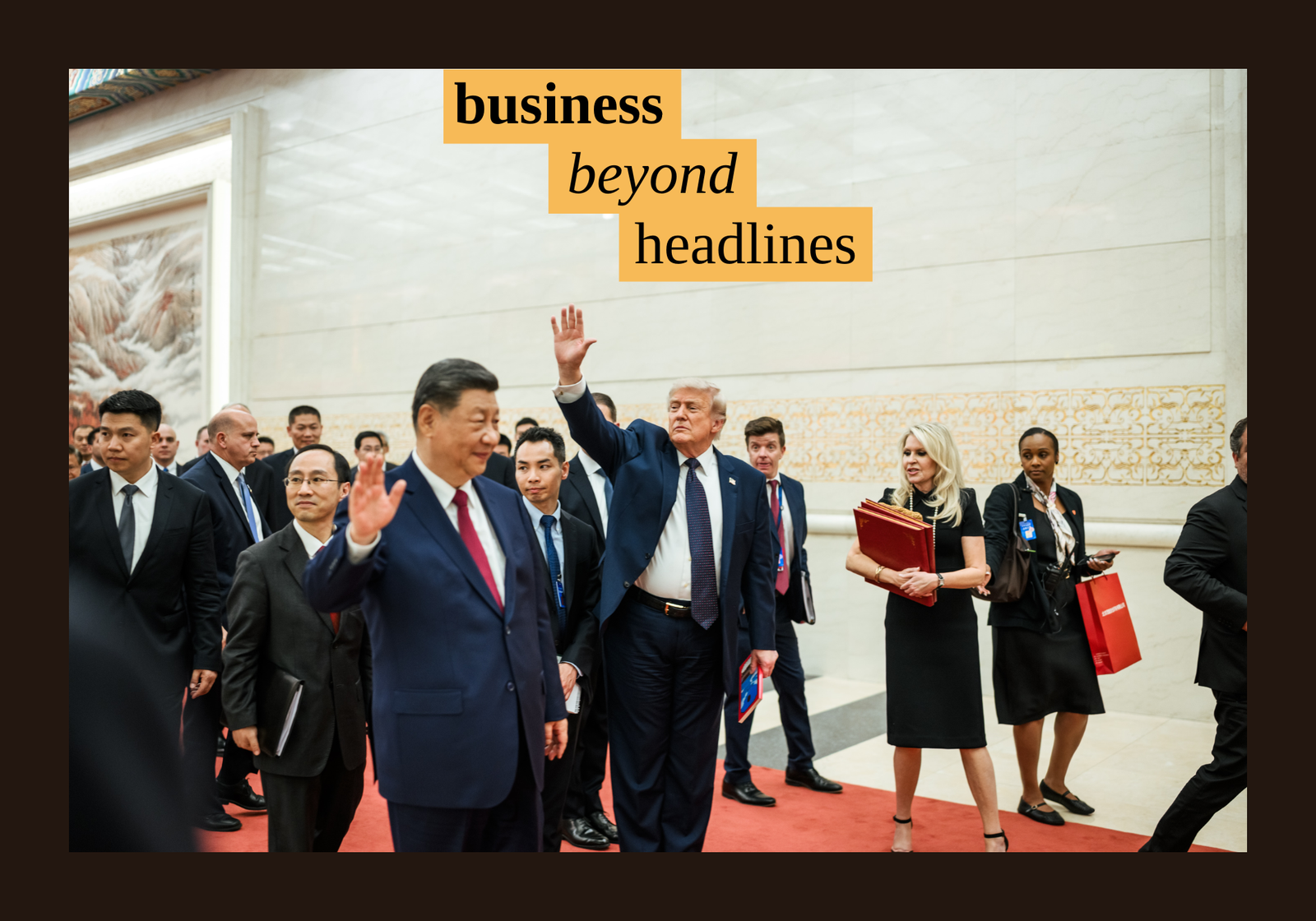
US President Donald Trump speaks with guests after attending a State Banquet with Xi Jinping, the General Secretary of the Chinese Communist Party and President of China, May 14, 2026, in the Great Hall of the People in Beijing, China. (The White House)
When US President Donald Trump boarded Air Force One out of Beijing, China, on May 15, he left behind talk of “fantastic trade deals.” Across Southeast Asia, the reaction was rather more nuanced, not because this “détente” was unwelcomed, but because its implications for the region’s economic architecture are considerably more complicated than the headline numbers suggest.
The Aftermath of the Beijing Summit

Children waving US and Chinese flags to welcome US President Donald Trump on May 14, 2026, in Beijing, China. (The White House)
The Beijing summit of May 14–15 was the first presidential visit to China by a sitting US president in nearly a decade, and the most consequential US-China meeting since Trump and Chinese President Xi Jinping’s encounter in Busan last October, which produced a one-year tariff truce now set to expire in November 2026. The announced outcomes look substantial on paper. China agreed to purchase at least 17 billion US dollar in US agricultural products annually through 2028 and to place an initial order of 200 Boeing aircraft, while both sides agreed to establish a Board of Trade and a Board of Investment to manage bilateral economic ties. Yet, Beijing’s own readout called the results “preliminary” and declined to directly confirm several figures cited by Washington. Meanwhile, the tariff truce extension, that is, the single most important outcome for regional trade stability, remains unconfirmed, even as two active Section 301 investigations—trade probes to determine whether foreign countries engage in unfair trade practices that harm US commerce, often leading to tariffs or other retaliatory measures—into Chinese trade practices are expected to produce findings within weeks.
The “China Plus One” Dividend Under Pressure
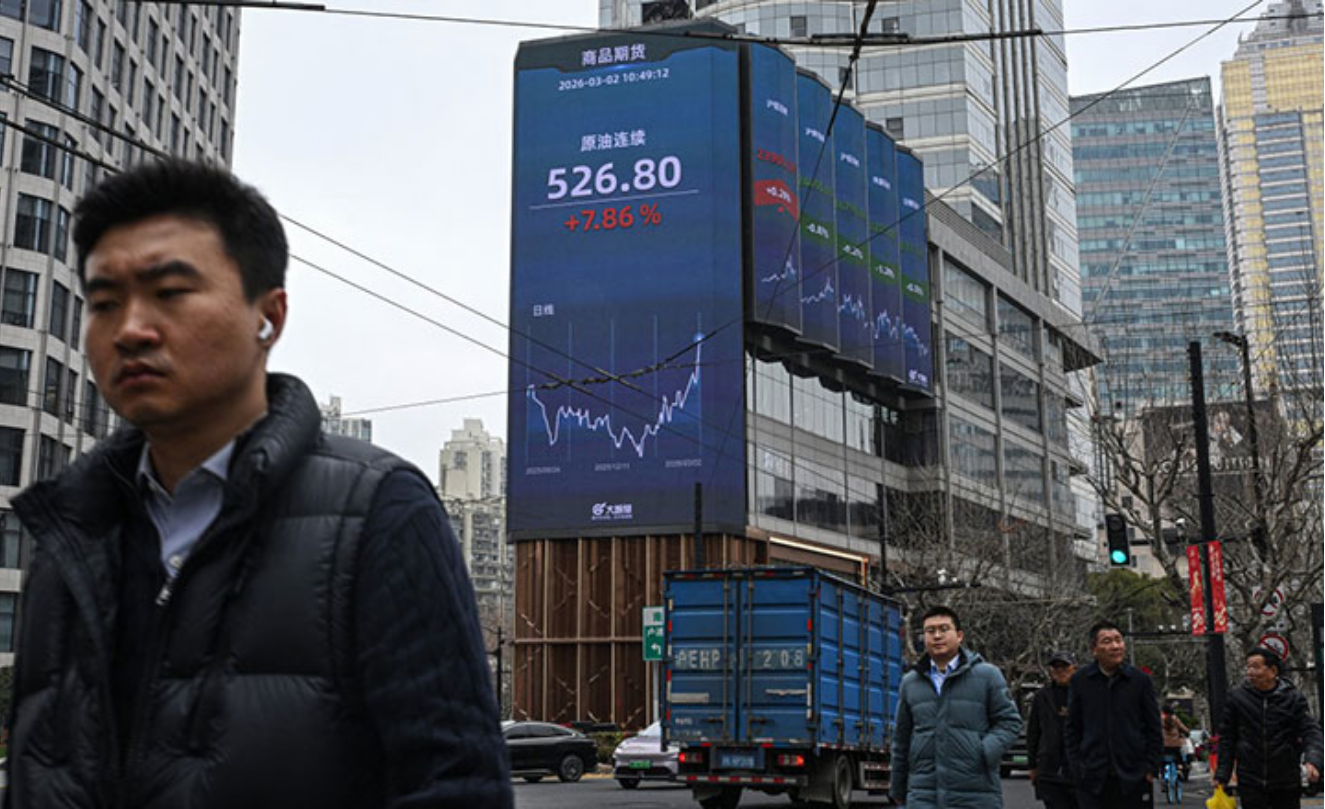
Southeast Asia’s economic boom over the past seven years was, in no small part, built on US-China friction. As Washington imposed successive rounds of tariffs on Chinese goods from 2018 onwards, manufacturers relocated assembly and production to Vietnam, Malaysia, Thailand and Indonesia under the so-called “China Plus One” strategy. Vietnam alone attracted 27.62 billion US dollar in disbursed foreign direct investment (FDI) in 2025 with total registered investment reaching 38.42 billion US dollar. Gross domestic product (GDP) grew 8.02% over the same year.
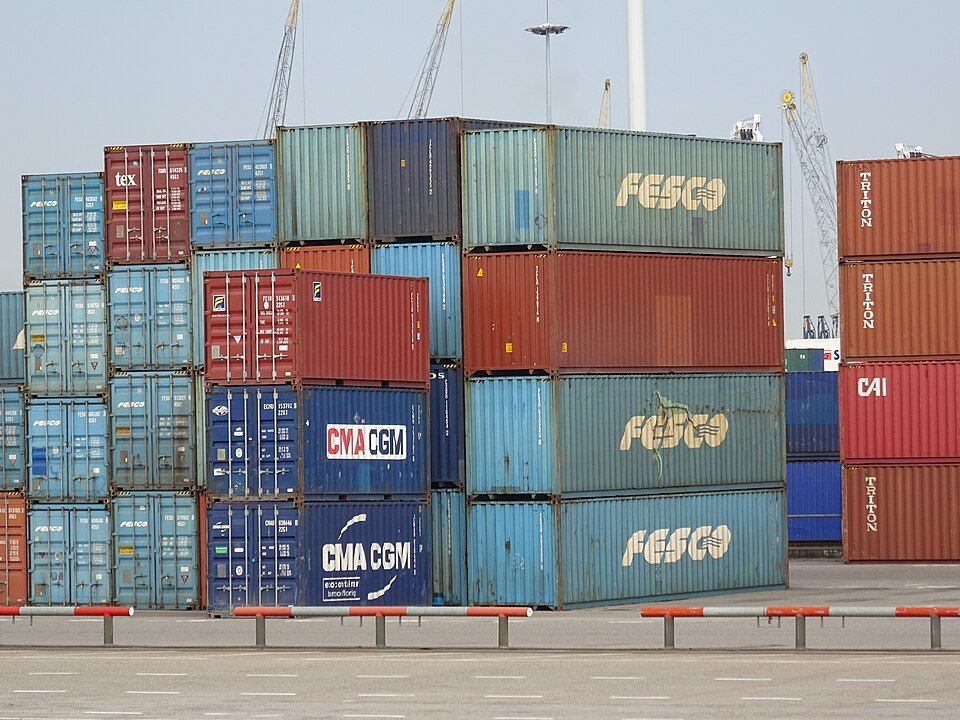
A durable US-China rapprochement narrows that arbitrage. If Chinese goods regain more reliable access to the US market under a broadened trade framework, the cost advantage of routing production through Southeast Asia weakens. Washington has already signalled awareness of this dynamic: a 40% transshipment tariff introduced in late 2025 was explicitly designed to close the re-routing loophole that allowed Chinese-origin goods to reach American consumers via ASEAN intermediaries.
The Double Squeeze
The picture is further complicated by China’s own export redirection. With US-bound shipments falling sharply in 2025, Beijing turned to new markets and Southeast Asia absorbed a significant share. China’s exports to Southeast Asia rose 13.4% in 2025, as Chinese manufacturers sought alternative buyers and, in some cases, moved final assembly into the region. This makes Southeast Asian producers simultaneously beneficiaries of the China Plus One trend and increasingly exposed to competition from Chinese goods flooding their domestic markets. This is a double squeeze that a US-China trade settlement does nothing to resolve.
The Goldilocks Bind
Southeast Asia’s preferred scenario is a “Goldilocks” relationship between Washington and Beijing, the one stable enough to avoid open conflict and the pressure to take sides, but not so warm as to produce a G2 condominium in which decisions critical to the region are made exclusively between the two superpowers. The fear, in other words, is not just of conflict but of irrelevance.
The Beijing summit pushed the needle toward the uncomfortable end of that spectrum. Trump’s revival of the “G2” framing and Beijing’s own push for a “constructive China-US relationship of strategic stability” signals a bilateral management of regional affairs that leaves little room for Southeast Asian governments’ preferences. Consequently, the outcomes from the summit are mixed for the region. The stability is well received, but the strategic space available for smaller powers to hedge across multiple partnerships is narrowing.
The security dimension compounds the economic one. At the 48th ASEAN Summit in Cebu, held just days before the Beijing talks, member states expressed pointed concern over the Iran war’s impact on energy costs and regional shipping stability yet produced no collective leverage. Singapore’s Foreign Minister Vivian Balakrishnan’s description of the US as “a revisionist power,” captured the depth of that frustration. Meanwhile, the Philippines, as an ASEAN Chair in 2026 and as the claimant state most exposed to Chinese pressure in the South China Sea, has already been shifting from hedging to harder balancing, a posture that a US-China thaw makes more, not less, complicated.
Business Impact and Recommendations
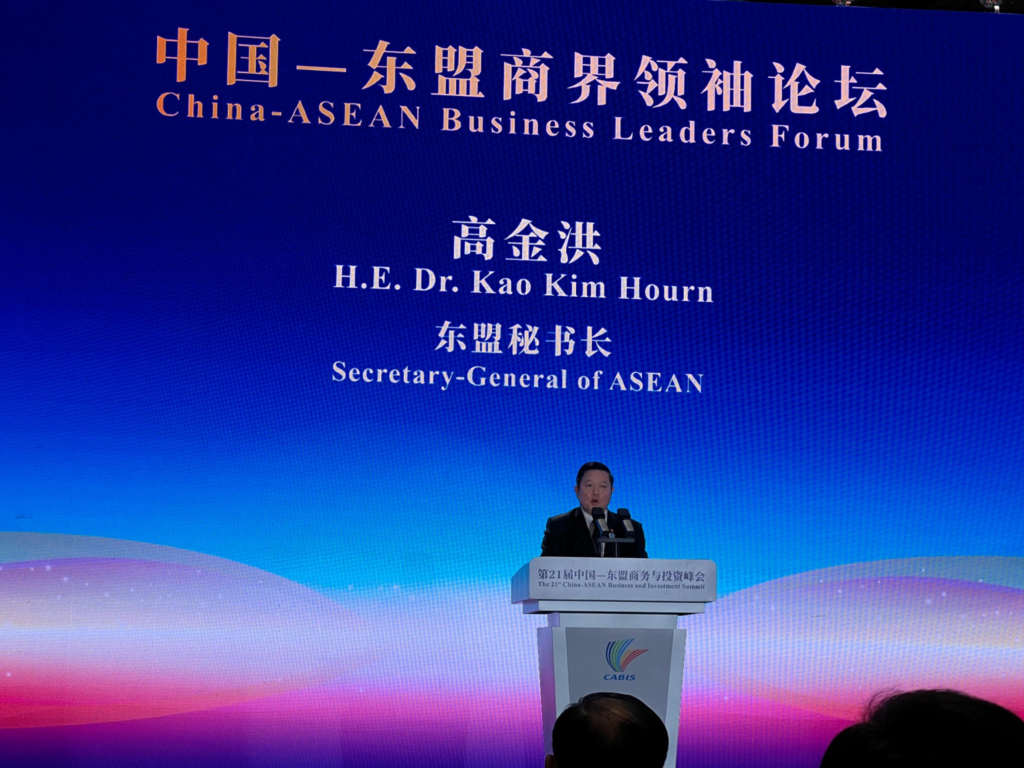
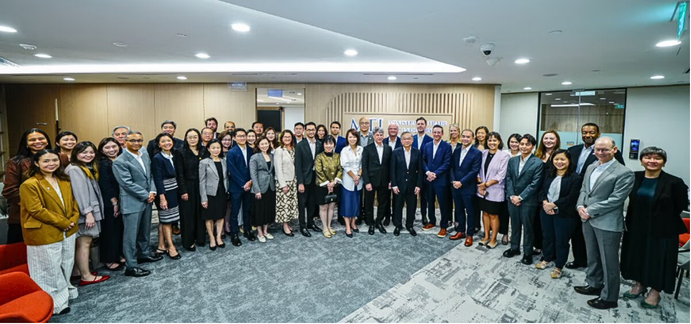
Secretary-General of ASEAN, Dr. Kao Kim Hourn, today delivered his opening remarks at the China-ASEAN Business Leaders Forum under the framework of the 21st China-ASEAN Business and Investment Summit in 2024. (ASEAN Secretariat)
For businesses operating across Southeast Asia, the single most consequential date on the calendar is November 2026, when the Busan tariff truce formally expires. The upcoming Section 301 investigation findings will be the clearest early signal of whether Washington intends to rebuild its tariff architecture against China before that deadline, or defer the harder decisions to the expected Trump-Xi September summit in Washington. Overall, the Beijing meeting was about managing rivalry, not resolving it. Firms with supply chain contracts extending beyond November should be stress-testing their tariff exposure now, not after the findings land.
Country Differentiation Matters More Than Ever
Not all Southeast Asian markets carry the same risk profile coming out of Beijing. Vietnam, Malaysia, Thailand and Cambodia have signed bilateral trade frameworks with the US, locking in tariff rates of 19–20%, elevated but predictable. However, these frameworks remain politically fragile and subject to renegotiation. Malaysia has already been signalling distance from its earlier deal. These countries have the most to lose from a full US-China rapprochement, precisely because their competitive advantage was priced into a world of sustained friction.
Indonesia presents a different calculus. Under President Prabowo Subianto, Jakarta has pursued a deliberately independent posture, deepening energy ties with Russia, expanding defence cooperation with China, and pushing back against what many Indonesians perceived as unfair terms in the US-Indonesia reciprocal trade agreement of February 2026. The Prabowo administration is unlikely to subordinate its hedging strategy to either superpower’s preferences which creates both risk and opportunity for investors willing to engage with a more complex regulatory and diplomatic environment.
Supply Chain Diversification Remains the Right Bet
The most important message for businesses tempted by a détente-driven return to China-centric sourcing is the fact that the geopolitical risk has not completely disappeared yet. China-to-SEA trade flows have established a structural baseline through 2026, reflecting not temporary rerouting but durable shifts in how supply chains are organised. Washington’s structural dependence on Chinese rare earths and processed minerals constrains its willingness to confront Beijing’s regional ambitions. Nevertheless, it does not end the underlying US-China competition. A tariff truce is, by definition, time-limited. The geopolitical rivalry that made Southeast Asia an attractive diversification destination is not.
The Beijing summit did not resolve the US-China relationship. It seems to be managed, for now. For Southeast Asia, that distinction matters enormously. The region’s businesses and governments gained some breathing room, but not the strategic clarity needed to plan with confidence. With the Busan truce’s expiry approaching, Section 301 findings imminent, and a US-China summit calendar running through year’s end, the remainder of 2026 will be defined less by stabilisation than by structured uncertainty. These are precisely the conditions in which disciplined, differentiated, and geopolitically-informed strategy pays the highest dividend.
About The Author