
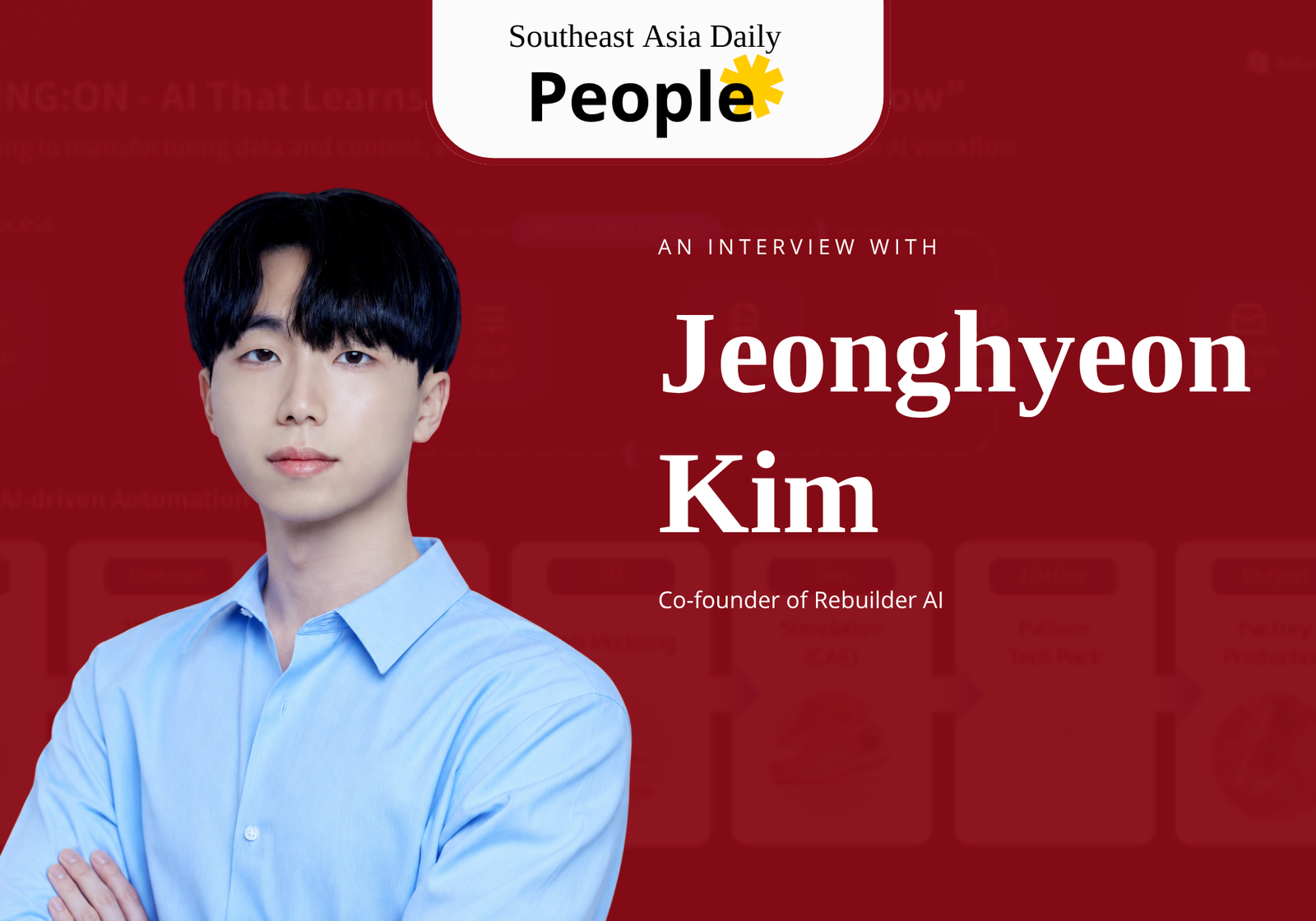
An AI startup that makes shoes, bags, jewelry, figurines and plastic goods design-ready in minutes says its real product isn’t speed. It’s the vanishing know-how of the artisans which infuse products with depth and elegance.
Author: Garam Park-Yi
Policy Analyst, SEA Daily
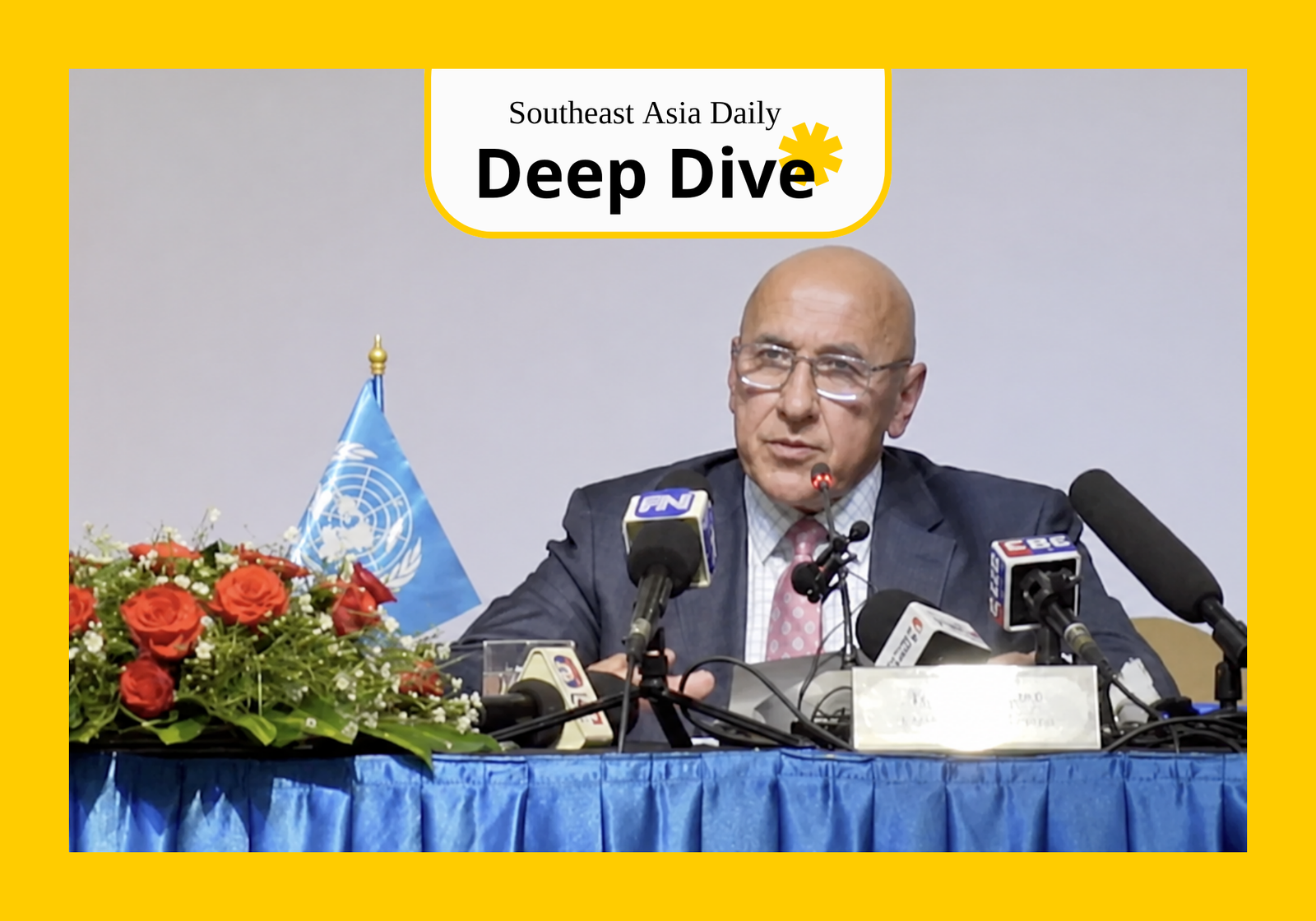
The UN and ASEAN Collide Over the Thailand-Cambodia Border Dispute
More than one year after gunfire first broke out along the Preah Vihear temple complex, specifically on May 28, 2025, the Thai-Cambodian border dispute is back in the headlines through an unlikely channel: a UN human rights mandate. On 31 July 2026, Tom Andrews, UN Special Rapporteur on the situation of human rights in Cambodia, closed his first official mission to the country with an end of mission statement that devoted several passages to the border conflict, including a call on both governments to allow the safe return of displaced civilians. Bangkok rejected it within 24 hours, and the exchange escalated over the following week into a formal diplomatic note to the UN High Commissioner for Human Rights.

Southeast Asia’s Fourth Swing: the ISEAS 2026 Survey and Strategic Autonomy Under Strain
China vs the US Since 2019, the State of Southeast Asia survey published annually by the ASEAN Studies Centre at the ISEAS Yusof Ishak Institute has become the region’s “leading assessment of regional sentiment among policymakers, business leaders, and academics across Southeast Asia.” This article analyses its eighth edition, released on April 7, 2026, surveyed 2,008 respondents across all eleven ASEAN member states, including Timor-Leste for the first time following its October 2025 accession, fielded between January 5 and February 20, 2026.

The Normalisation Dilemma: Where Does Pragmatism End and Complicity Begin?
On 8 June 2026, Chinese President Xi Jinping arrived in Pyongyang for a two-day state visit, his first trip to North Korea in seven years and his first overseas engagement of 2026.
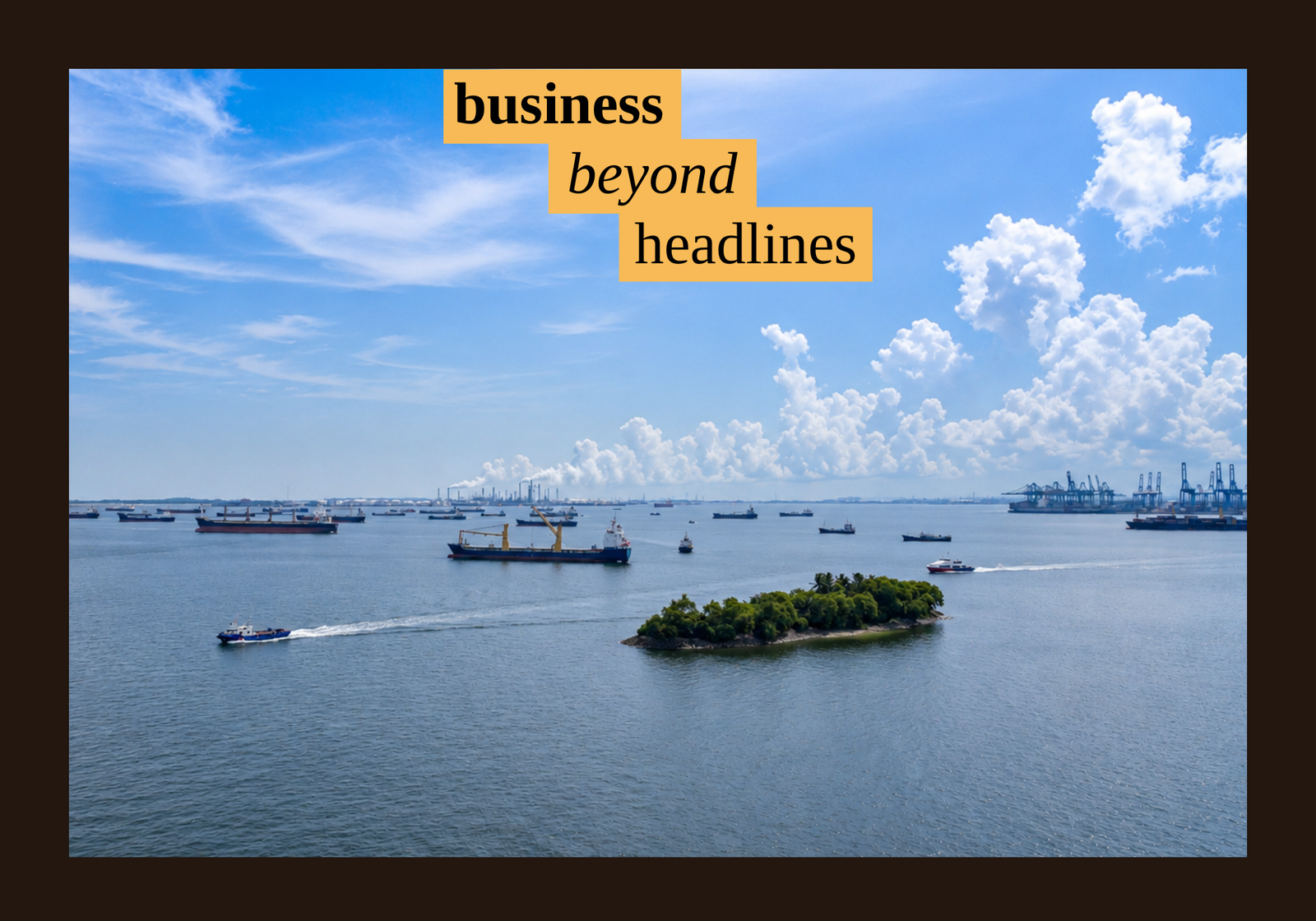
The Next Hormuz: Strait of Malacca, Asia’s Unspoken Energy Risk
On 28 February 2026, the US and Israel launched a joint military offensive against Iran. Within days, the Strait of Hormuz, where roughly a fifth of the world’s oil supply passes, was effectively closed. The lesson that followed was not just about the Middle East. It was about an energy chokepoint closer to East and Southeast Asia, the Strait of Malacca, one that is perhaps more consequential than the Strait of Hormuz.
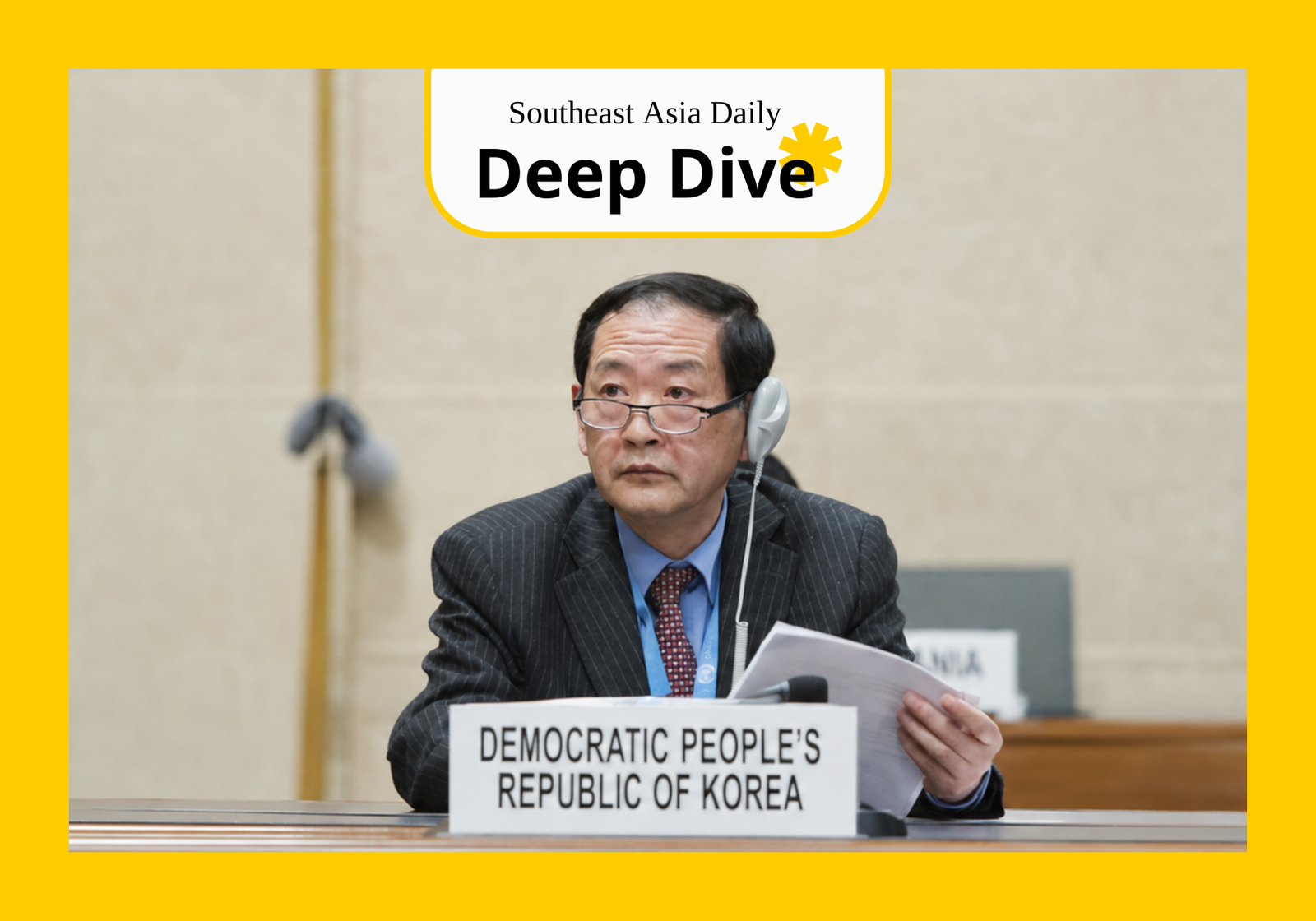
North Korea and Southeast Asia: Charm Offensive, Shadow Network
On March 12, 2026, the US Treasury Department’s Office of Foreign Assets Control (OFAC) sanctioned six individuals and two entities for their roles in North Korea’s overseas IT worker scheme that, according to US officials, generated nearly 800 million US dollar in a single year.
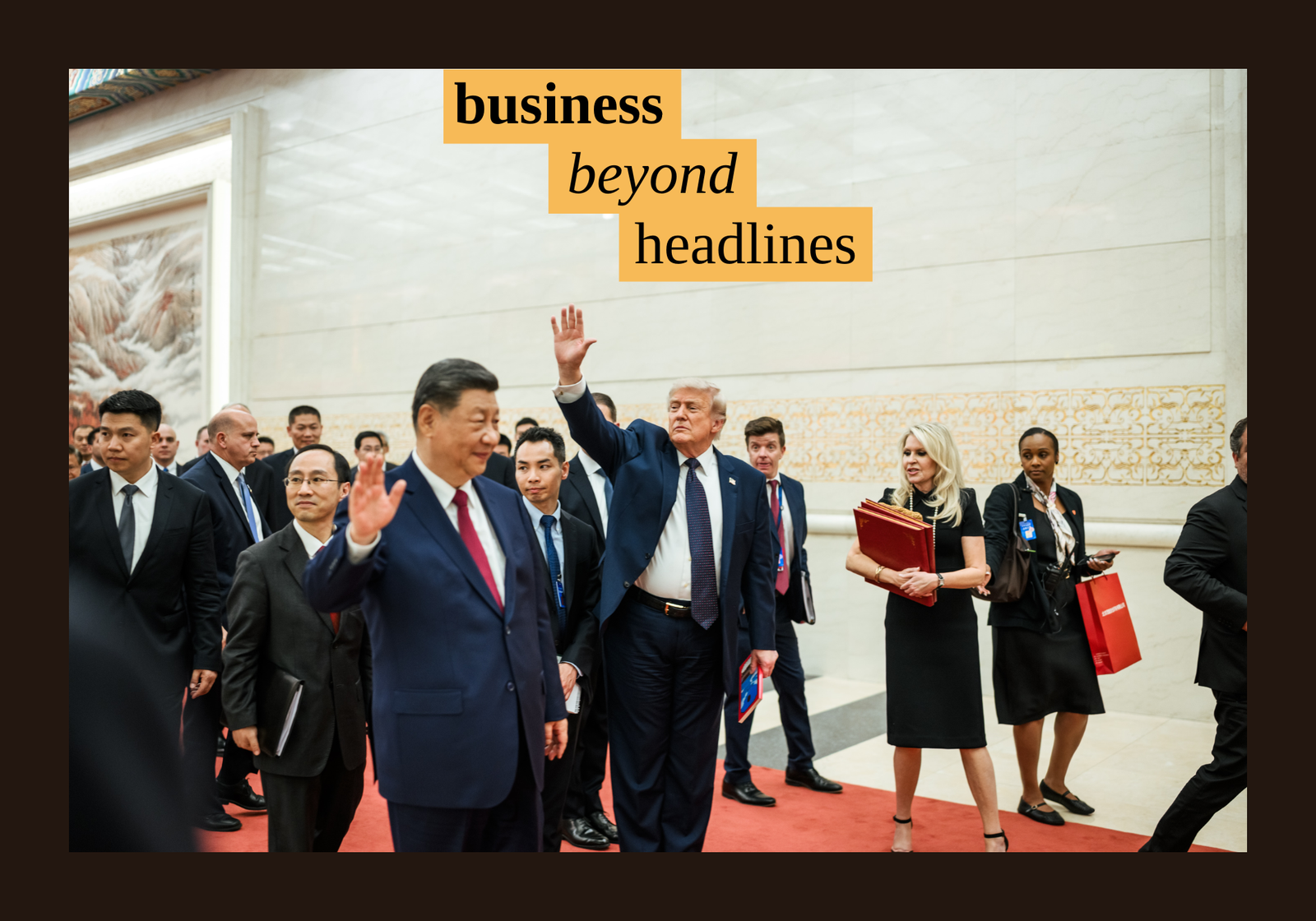
What the US-China Summit Means for Businesses in Southeast Asia
When US President Donald Trump boarded Air Force One out of Beijing, China, on May 15, he left behind talk of “fantastic trade deals.” Across Southeast Asia, the reaction was rather more nuanced, not because this “détente”was unwelcomed, but because its implications for the region’s economic architecture are considerably more complicated than the headline numbers suggest.
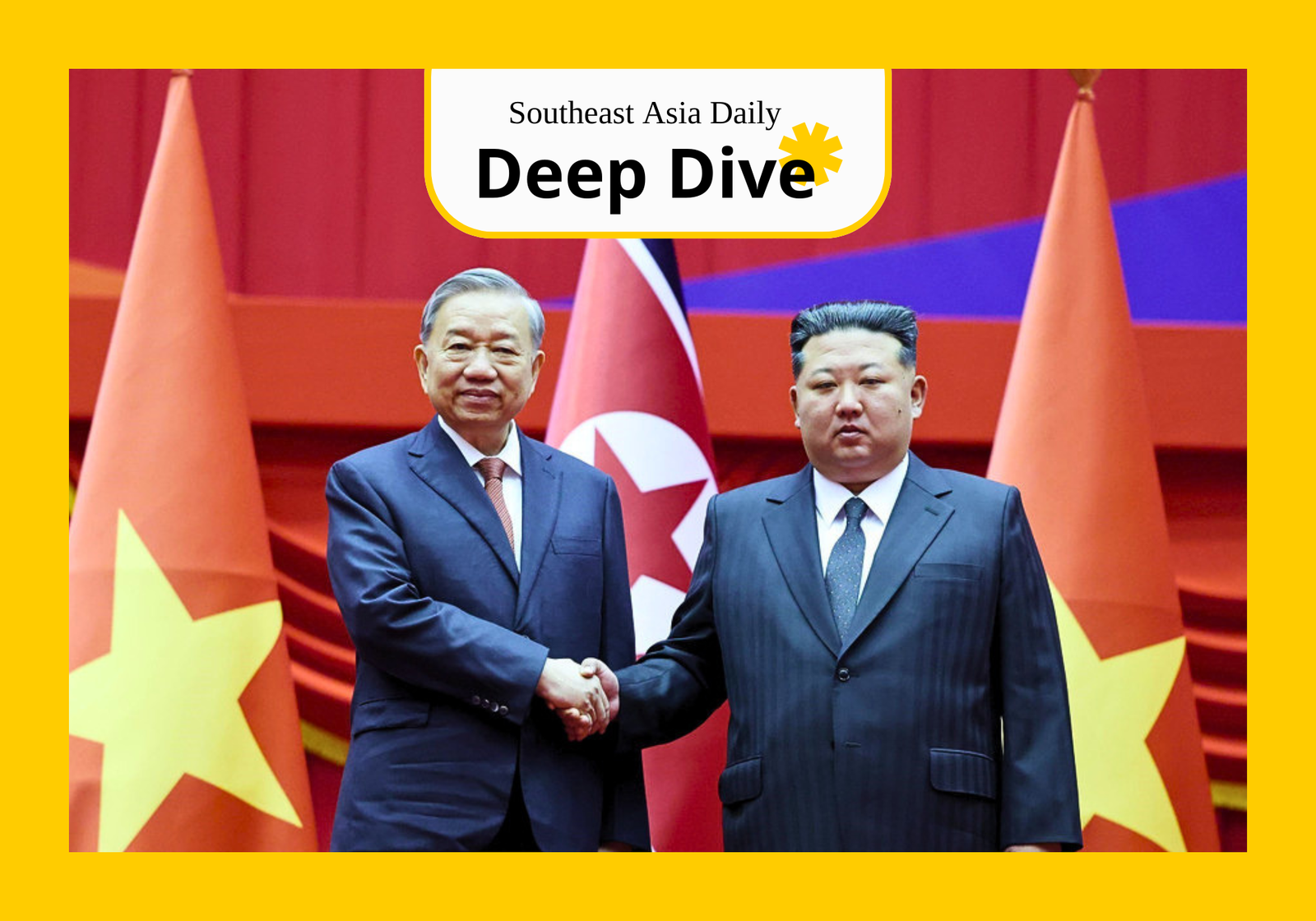
North Korea and Southeast Asia: Signals of a Quiet Reconnection
On May 5, 2026, Vietnamese President Tô Lâm appointed Doãn Khánh Tâm as Hanoi’s new ambassador to the Democratic People’s Republic of Korea (DPRK) or North Korea.
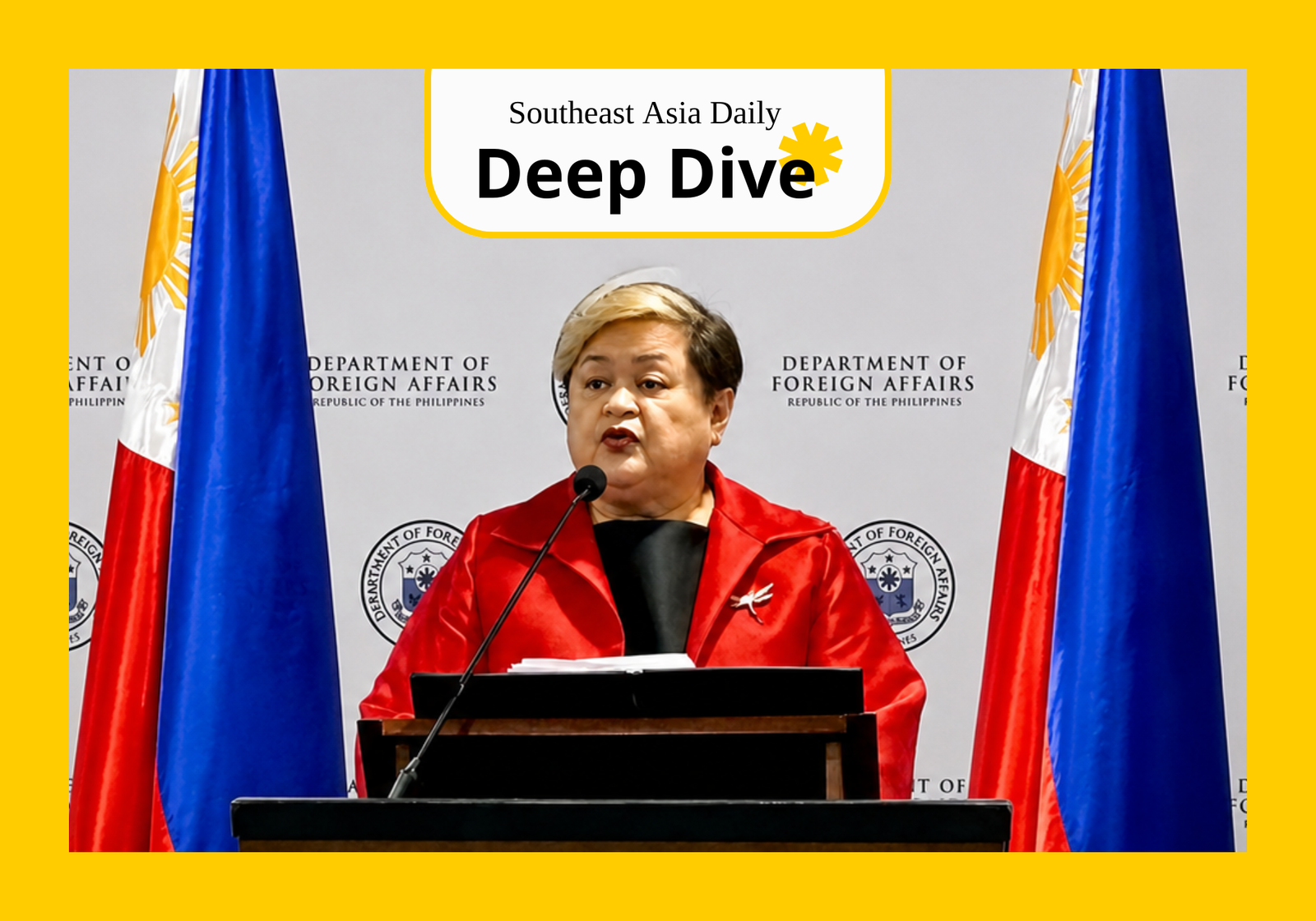
The Philippines as ASEAN Chair: Claimant, Convener and the Limits of Consensus
When the Philippines assumed the ASEAN rotating chairmanship on 1 January 2026, President Marcos Jr. announced two headline ambitions: conclude the long-stalled South China Sea Code of Conduct (CoC) and reinvigorate the Five-Point Consensus on Myanmar.
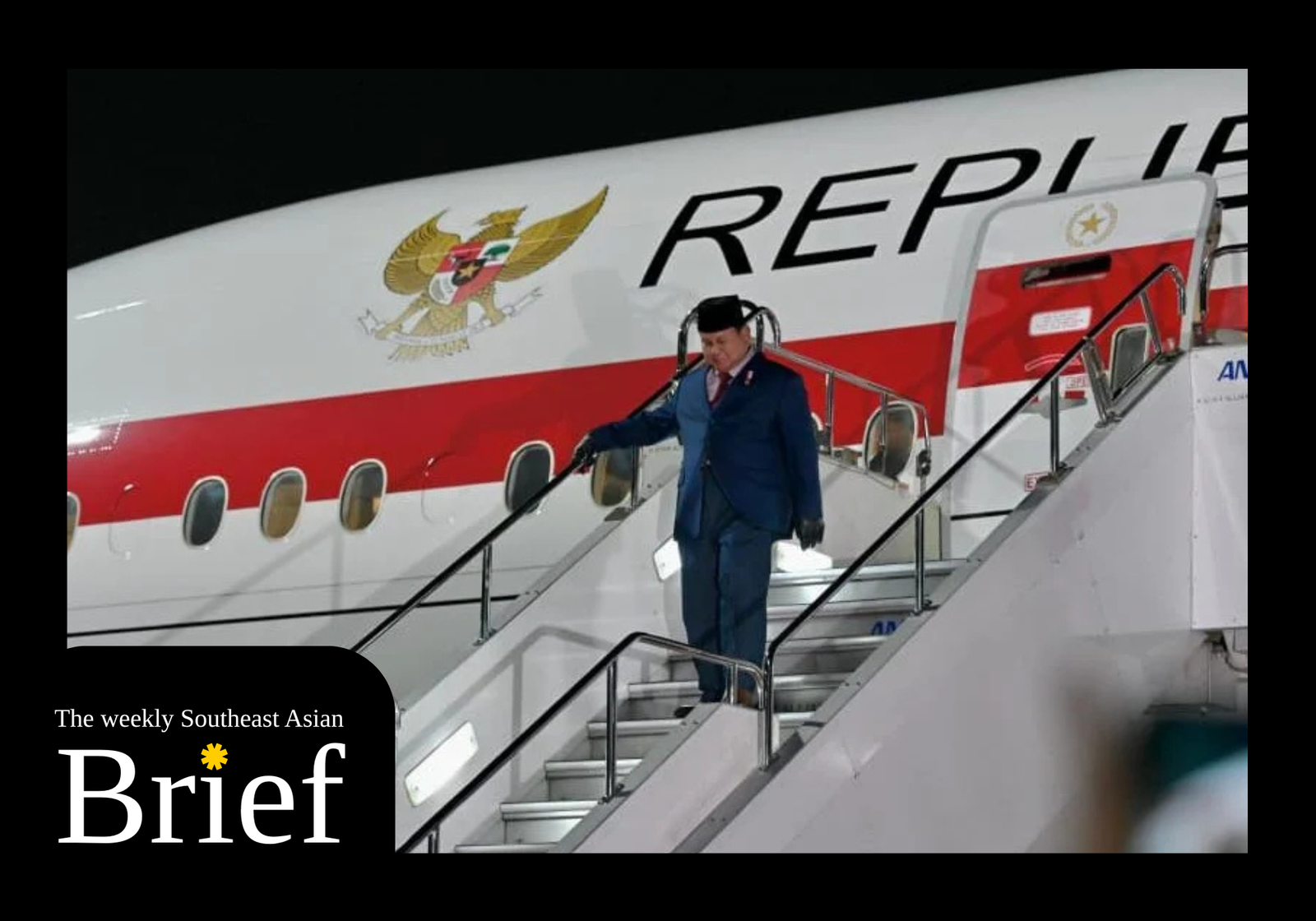
Indonesia’s president diversifies defence, energy partners in East Asia tour
“As middle powers, we have the same concerns. We both need stability and peace”On April 1 in Seoul, Indonesian President Prabowo Subianto emphasised this point to South Korean President Lee Jae-Myung.