
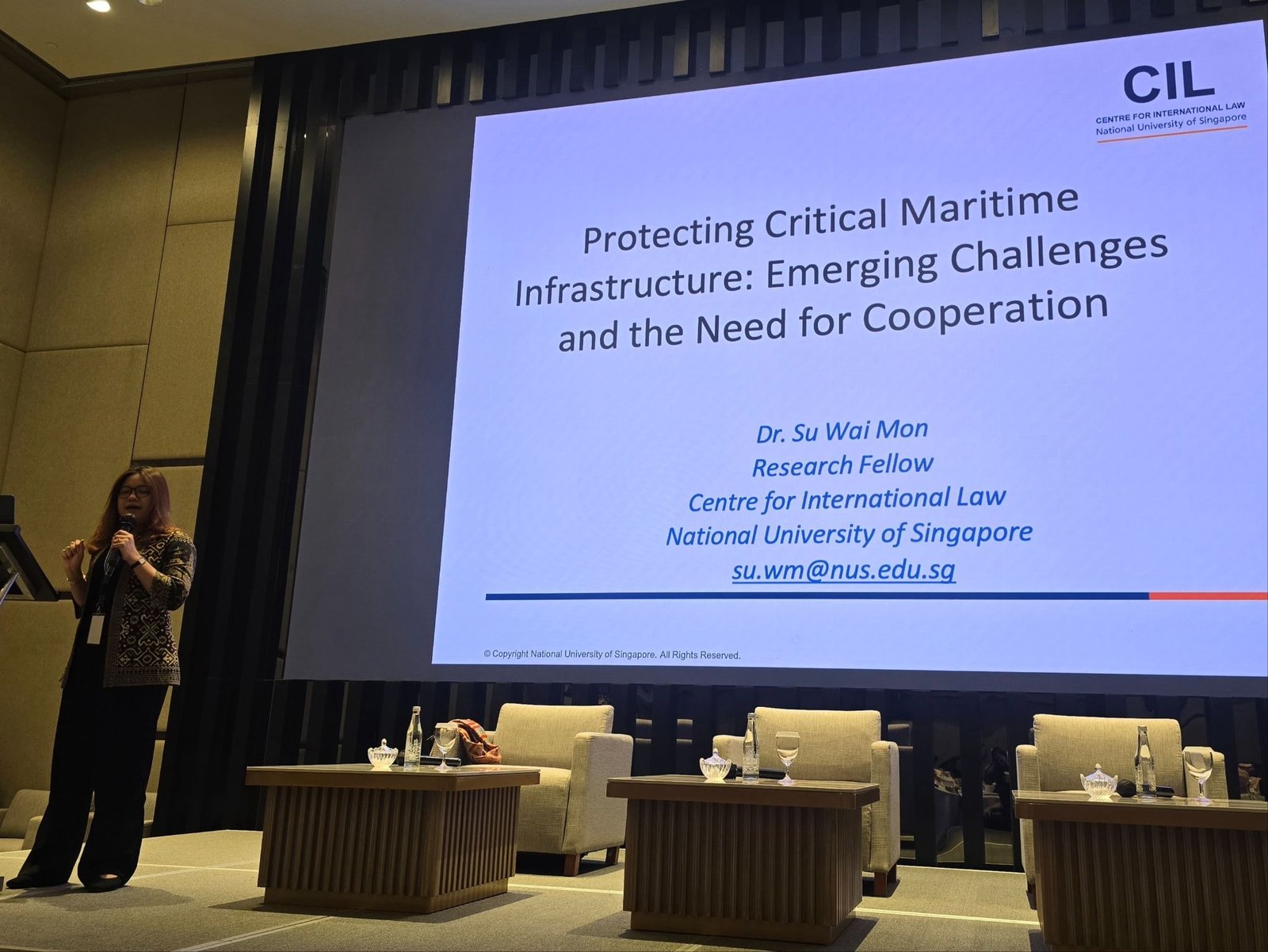
Around 5.3 trillion US dollar in trade transits the South China Sea each year, a waterway whose legal status remains unsettled. A decade ago, precisely on July 12, 2016, the Arbitral Award issued by the Permanent Court of Arbitration (PCA) in the Hague rejected Beijing’s claims over the sea. However, China’s refusal to recognise it leaves the rules governing one of the world’s busiest trade channels continuously contested. For the region’s economies, that ambiguity is not an abstraction but a durable risk to supply chains, energy flows and food security.
Author: Protasius Isyudanto
Lead Editor

Beyond Tariffs: The Customs Gap Quietly Reshaping Southeast Asia’s E-Commerce Growth
Southeast Asia’s digital economy is on track to pass 300 billion US dollar in gross merchandise value in 2025, growing 15% year-on-year (yoy), or roughly double the global e-commerce growth rate of about 7%. Cross-border e-commerce continues to expand as digital platforms connect buyers and sellers across national borders with unprecedented ease. Yet while consumers increasingly shop across Southeast Asia as though it were a single marketplace, the regulatory systems governing those purchases remain anything but integrated. The biggest barrier to selling across Southeast Asia isn’t the tariff at the border, but the customs gap behind it.
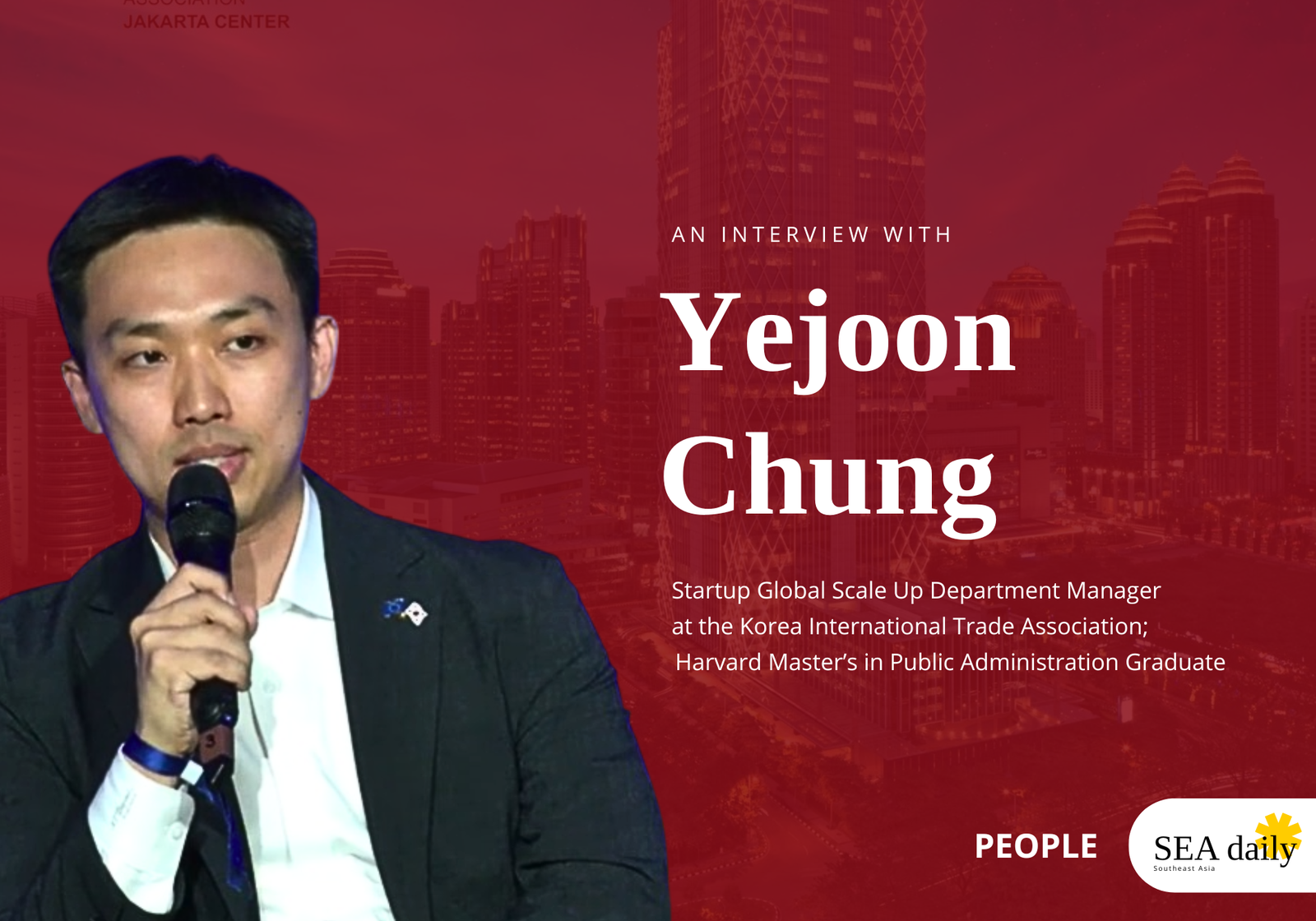
Korea Is Ready to Invest in Southeast Asia, But The Region Needs A Front Door
In the July heat of Aix-en-Provence in the south of France, Yejoon Chung keeps his suit buttoned and his tie straight while other delegates loosen their collars and drift toward the shade. With a public administration master’s degree from Harvard, Chung spends his days connecting Korean startups to the wider world. The paradox he keeps repeating is that the market he most wants Korean companies to enter is also the one they find hardest to read.
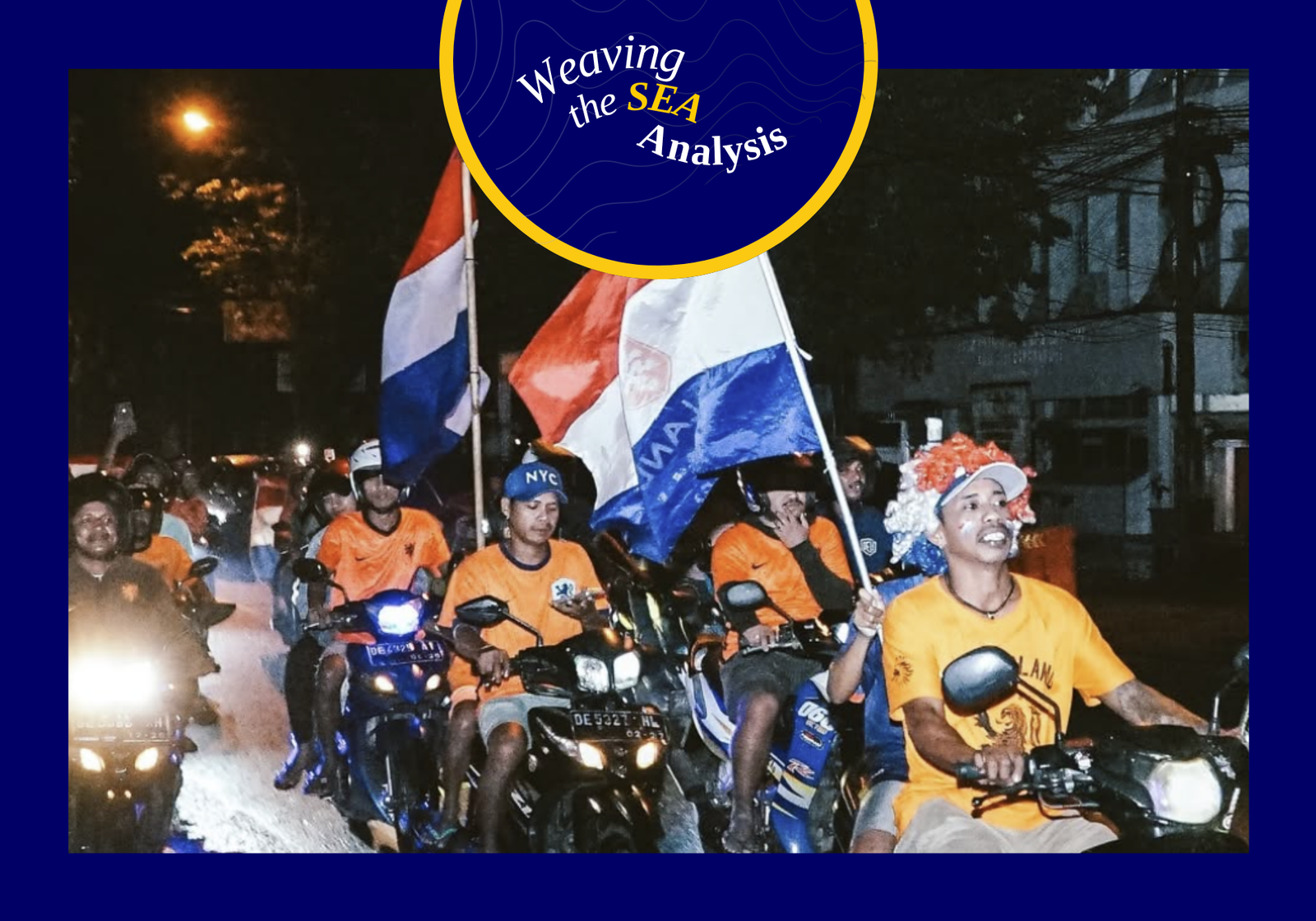
At the World Cup, Why Does Indonesia Cheer for Other Nations More Than Its Neighbours?
The crowd comments flooded the section. It was on June 26, the day when the Netherlands proceeded to the round of 32 of the 2026 World Cup. Something telling happened in the largest Southeast Asian country. Indonesia cheered for the victory over its former colonial ruler as if it were its own. This phenomenon points to an interesting paradox. The World Cup 2026 lacks any Southeast Asian representatives, yet the region is among the top (edging on being fanatic, even) football fans on the entire globe.

French Teenager to Plead Guilty in Singapore Over Viral Straw-licking Video
A French teenager charged over a hygiene stunt that drew widespread anger online in Singapore is expected to plead guilty next month, a district court heard on 26 June.
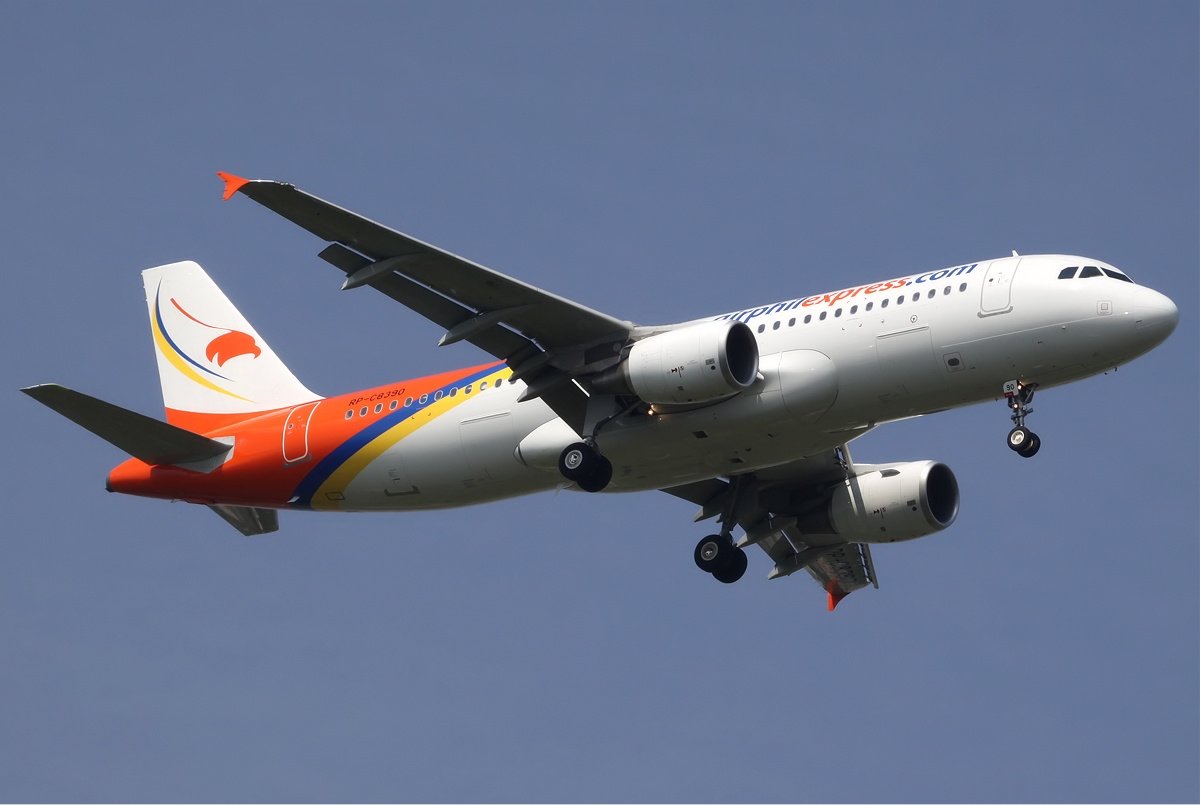
Philippines Cuts Airline Fuel Surcharge to Lowest Level Since Middle East Price Spike
Air passengers in the Philippines will pay the lowest fuel surcharges in three months from July 1, after the country’s aviation regulator ordered a sharp reduction tied to easing global jet fuel prices.
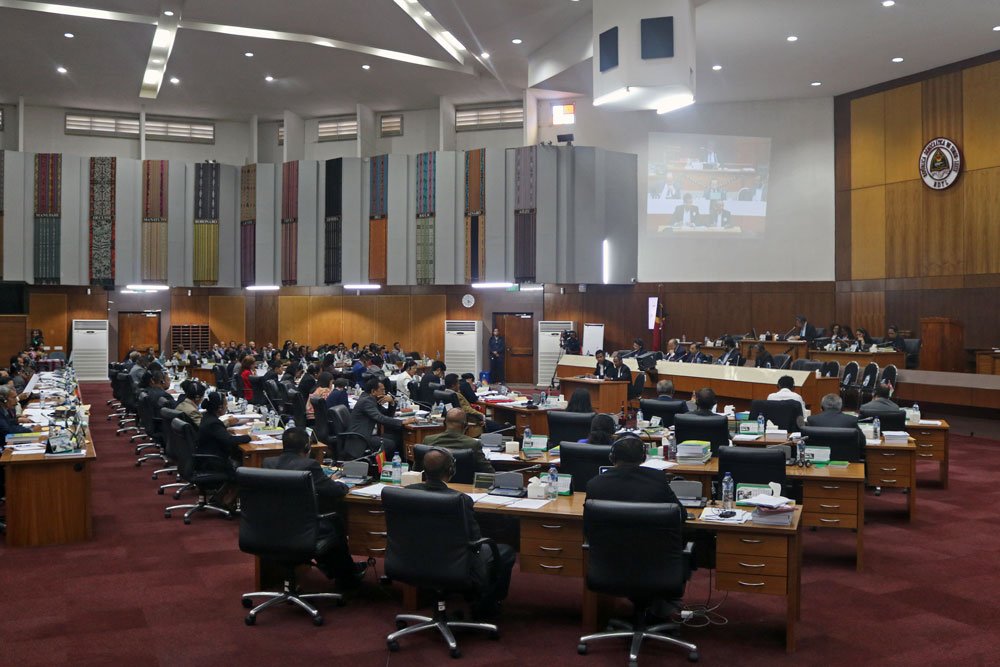
Timor-Leste prioritises economic diversification in 2027 budget to limit oil reliance
During a budget planning session on June 12, the Government of Timor-Leste announced that economic diversification and job creation will form the cornerstone of its 2027 State General Budget, as Dili moves to strengthen economic resilience, stimulate sustainable growth and reduce its long-standing dependence on petroleum revenues. Prime Minister Xanana Gusmão confirmed that the 2027 budget will be the first prepared under the new 2027-2030 Medium-Term Planning Framework, which is set to guide government spending and development policy over the next four years.
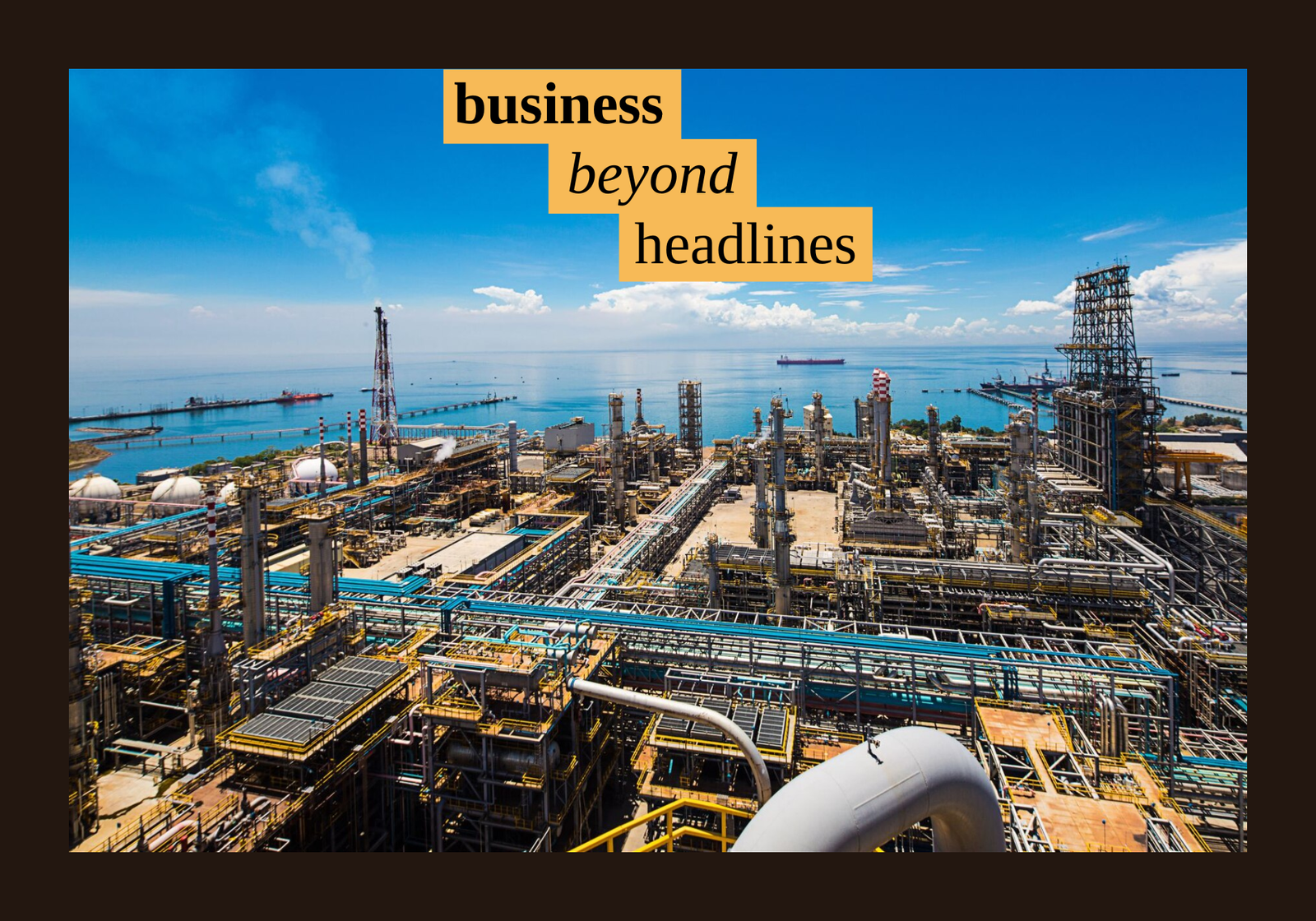
Southeast Asia Energy Security Series: #2 The Philippines
When jeepney drivers threatened mass transport stoppages across the Philippines in early 2026, the immediate cause was clear: fuel prices had become unaffordable. Diesel prices climbed as high as 147.6 Philippine pesos (2.44 US dollar) per litre, with some locations reporting prices exceeding 170 pesos (2.82 US dollar). Around 20% of jeepney operators suspended operations, while approximately 30,000 vehicles stopped running in Metro Manila alone.

Eid al Adha: Muslims across maritime Southeast Asia celebrate with sacrifice, prayer and feasts
Muslim communities across Indonesia, Malaysia, Singapore, Brunei and the Philippines observed Eid al Adha on May 27, marking the festival with congregational prayers, ritual sacrifices and the distribution of meat to lower-income families and beneficiaries. The five countries celebrated on the same day after the Ministers of Religion of Brunei, Indonesia, Malaysia and Singapore determined that the commemoration falls on May 27.
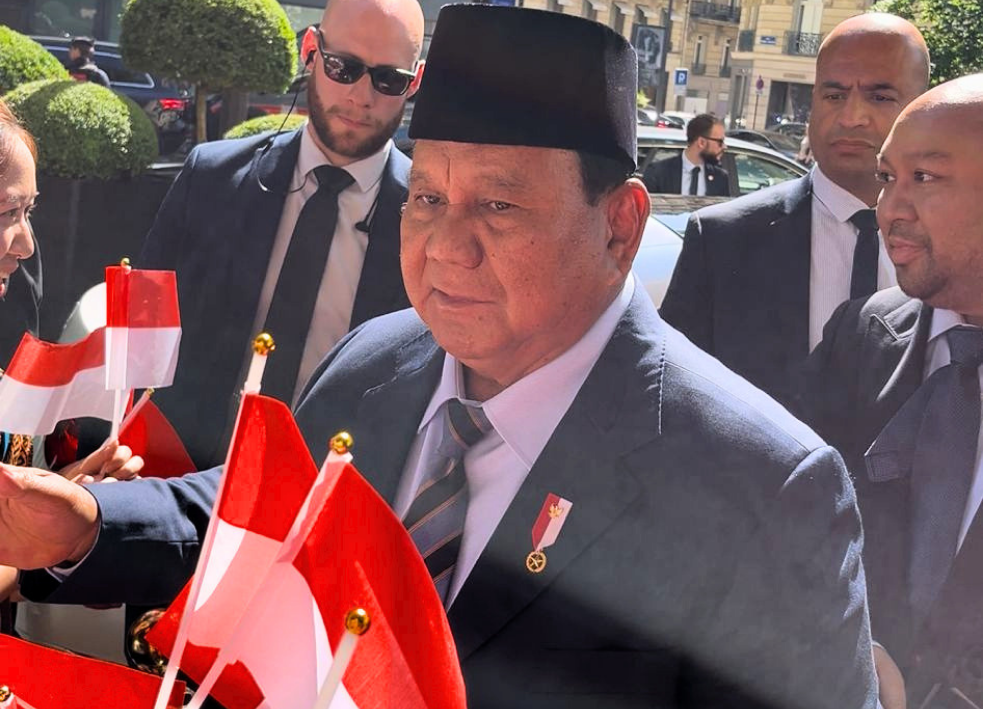
Indonesian president’s three-day Paris visit set to elevate bilateral ties to Comprehensive Strategic Partnership
On May 27, the second day of his bilateral visit to France, Indonesian President Prabowo Subianto began his morning by performing the Eid al Adha prayer at the Indonesian Embassy residence in Paris. He greeted Indonesian citizens and members of the diaspora in attendance before gathering with them for a communal meal, in an engagement intended both to mark the Feast of Sacrifice and to reinforce ties with overseas Indonesians.