
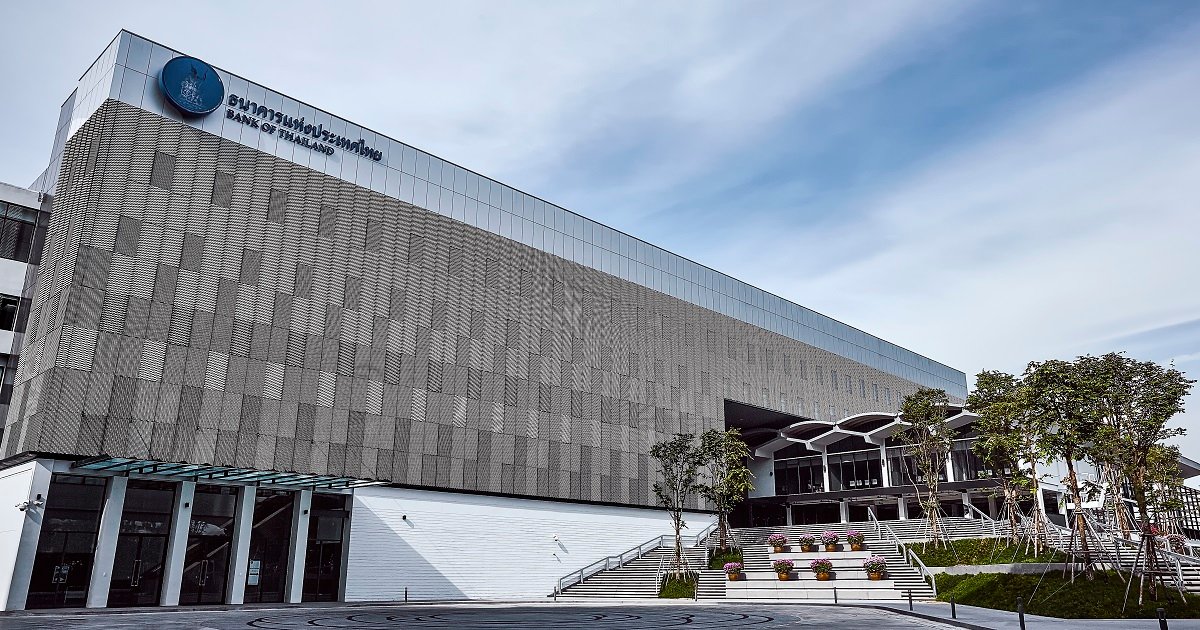
Following the public hearing commenced by the Bank of Thailand (BoT) on August 5, a prominent risk management regulation was proposed. Reportedly, a specific target rule will take effect in October.
Author: Elisabeth Xaviera
Business and Economy Correspondent, SEA Daily
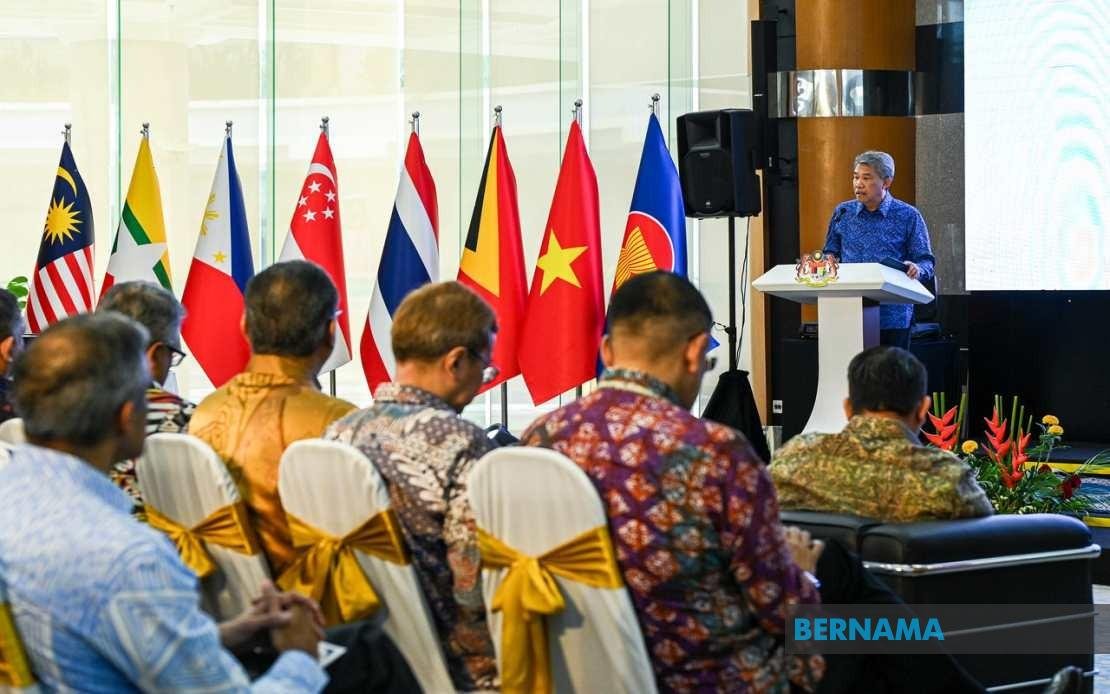
Malaysia Commemorates ASEAN Day, Insists Intra-Regional Trade Boost Vital for Bloc’s Top-Four Economy Ambitions
Malaysia’s Ministry of Foreign Affairs hosted a commemorative celebration for the 59th ASEAN Day on August 10 at the federal administrative centre of Putrajaya.
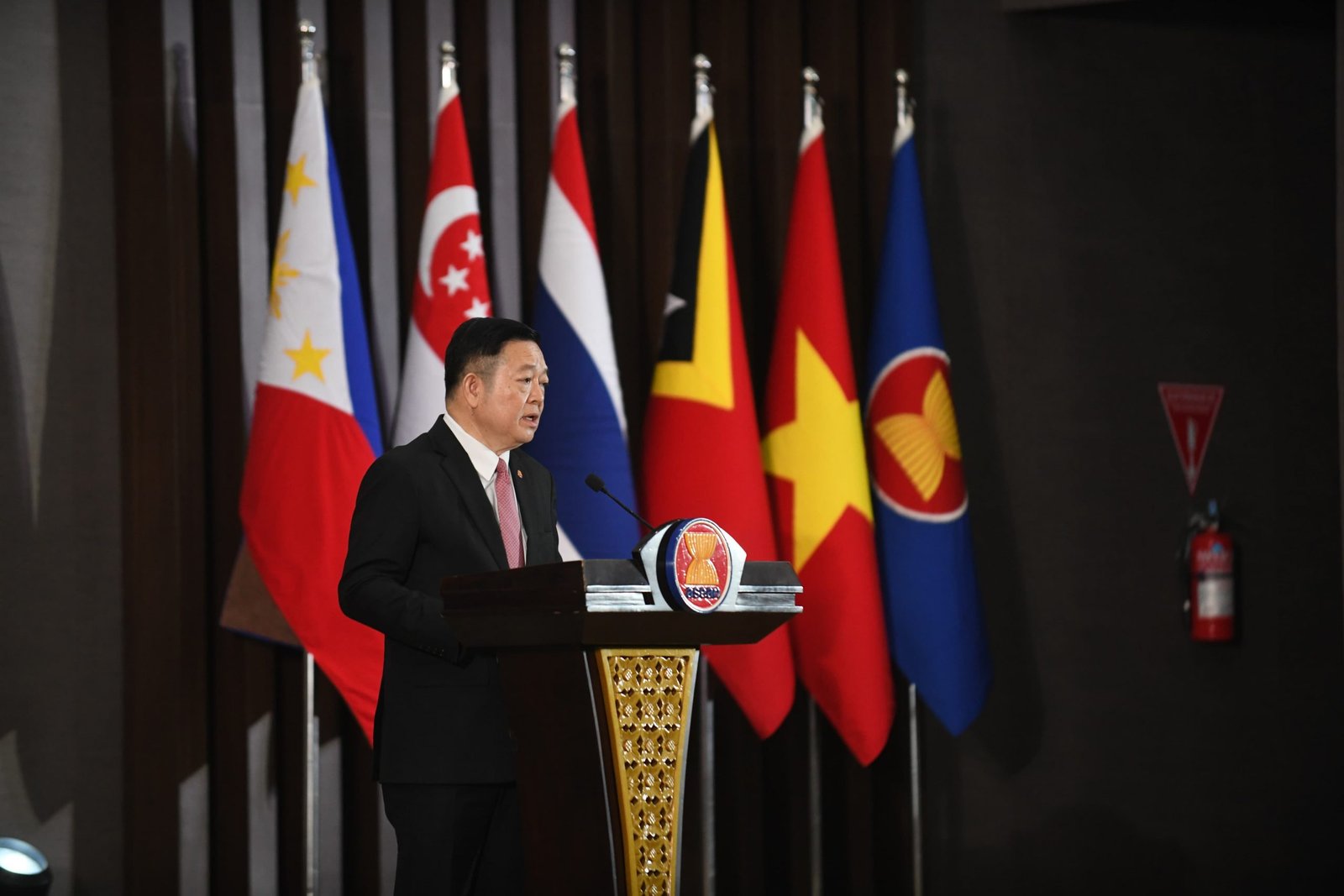
ASEAN Marks 59th Anniversary, Secretary-General Urges to Maintain “Habit of Working Together”
ASEAN member states commenced celebrations for the organisation’s 59th anniversary on August 8, with Secretary-General Kao Kim Hourn delivering opening remarks that underscored the bloc’s progress and offered a reflection on its journey since 1967.
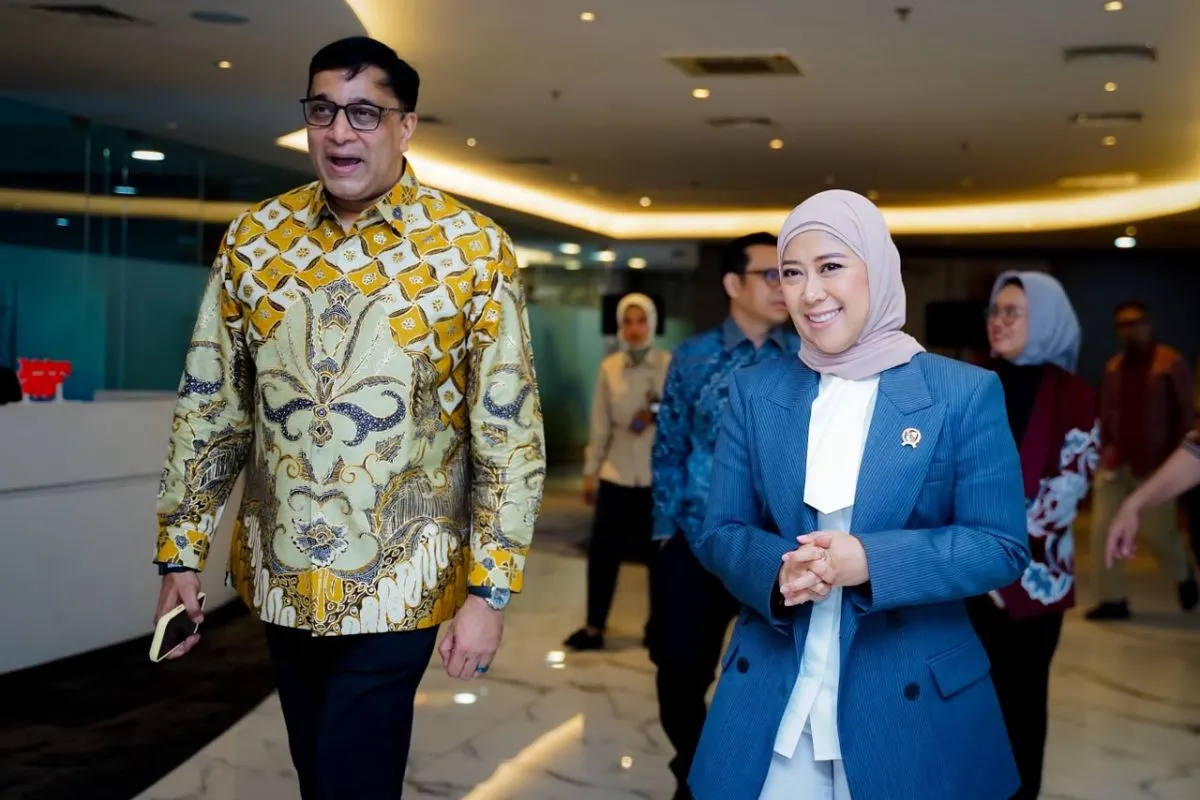
Indonesia to House Southeast Asia’s Largest AI Factory
Indonesia is building Southeast Asia’s largest artificial intelligence (AI) computing facility called Zankore, an “AI Factory” project launched through a mega-partnership between Indosat Ooredoo Hutchison (IOH), Ooredoo Group, Nokia and NVIDIA.
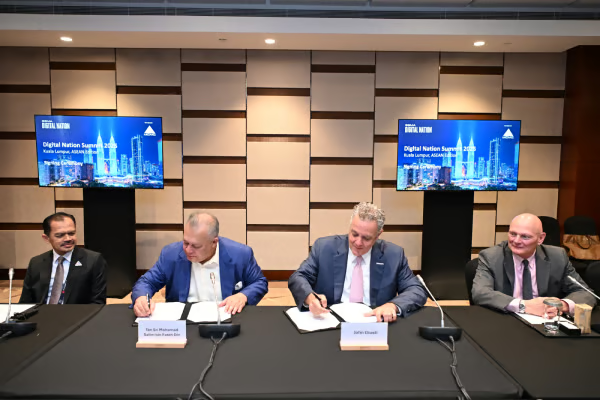
Malaysia to Host Inaugural GSMA M360 ASEAN 2026, Anchoring Region’s Digital Future
Malaysia is ramping up preparations as its capital, Kuala Lumpur, prepares to host the inaugural GSMA M360 ASEAN conference, a global series of regional summits focused on the mobile industry, digital technology, and the growth of local digital economies, from September 9 to 10.
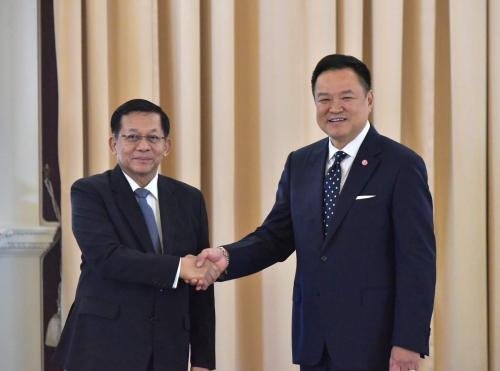
Myanmar Junta Leader Seeks Economic Lifeline in Bangkok, $12bn Trade Deal Sealed
On August 6, Thai Prime Minister (PM) Anutin Charnvirakul rolled out the red carpet to welcome Myanmar’s military-backed President Min Aung Hlaing, officially commencing the first bilateral engagement between both nations since the 2021 coup.
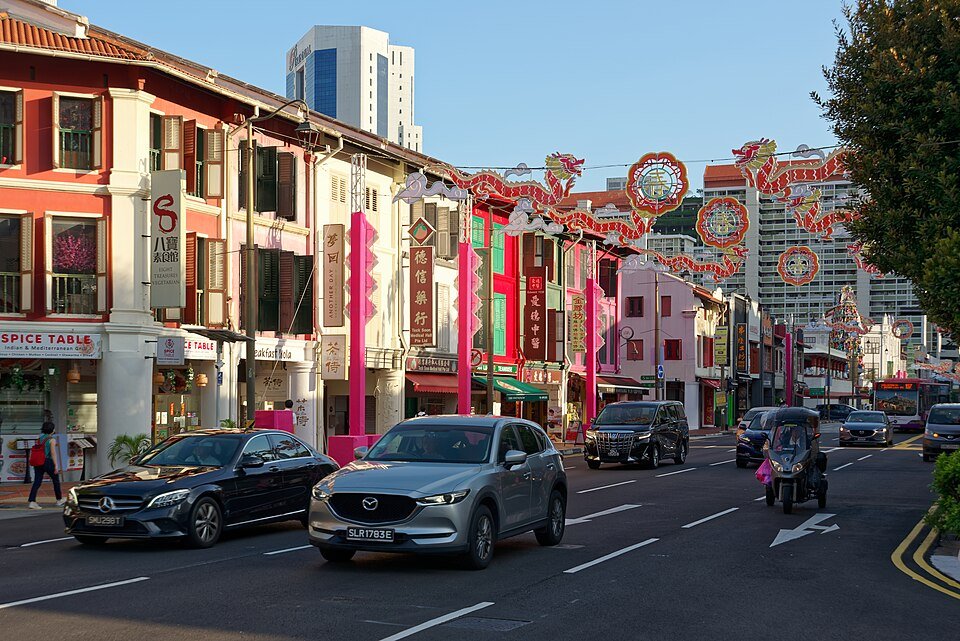
Singapore Passes Road Traffic Bill to Curb Drink-Driving with Stricter Penalties
The Parliament of Singapore enacted the Road Traffic (Miscellaneous Amendments) Bill on August 4, introducing stricter drink-driving limits alongside a new criminal offence for reckless driving.
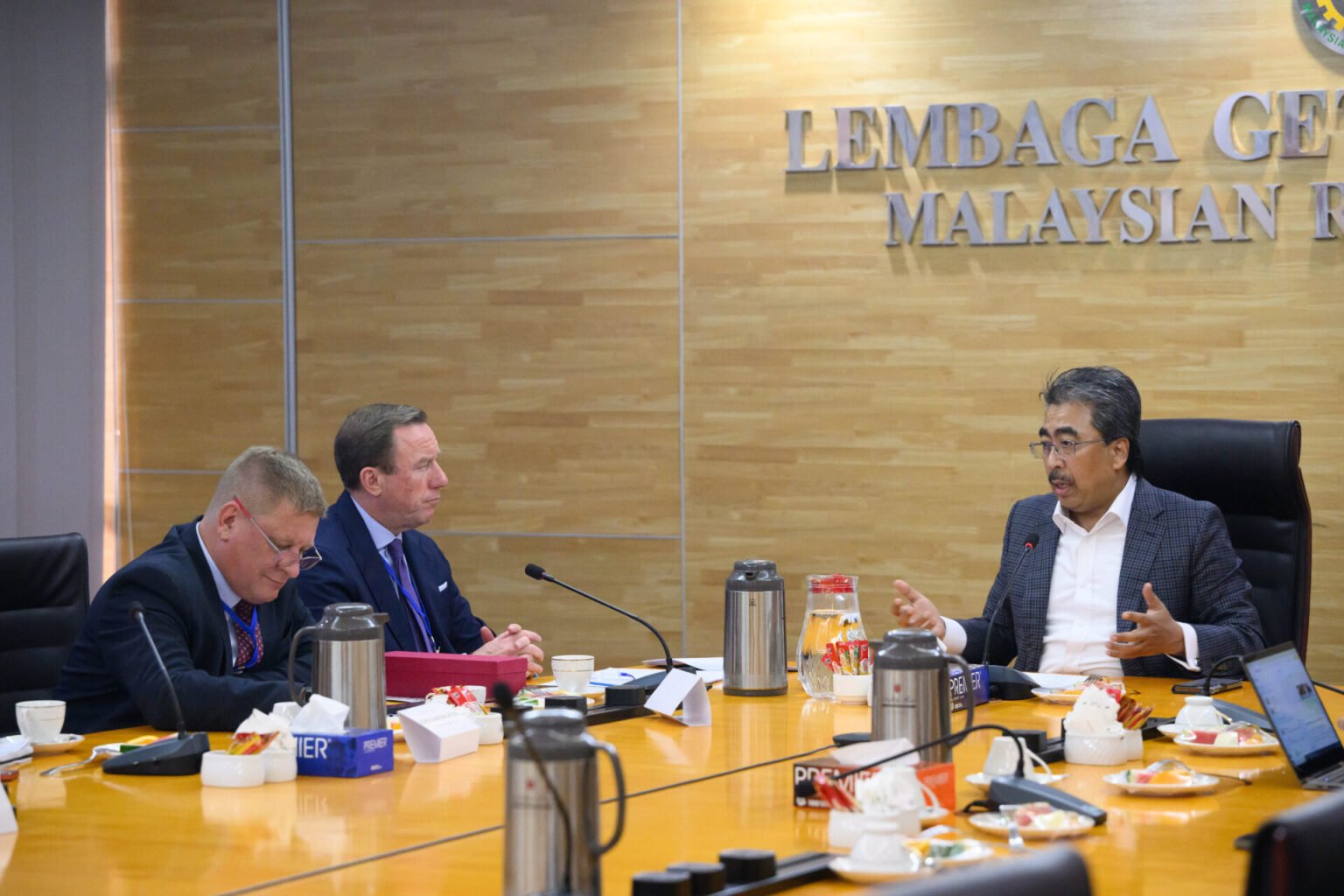
European Business Backs Malaysia-EU Free Trade Agreement as Negotiations Target 2027 Conclusion
European business leaders have gathered in Kuala Lumpur to advance negotiations for the Malaysia-European Union (EU) Free Trade Agreement (FTA) towards a 2027 conclusion.
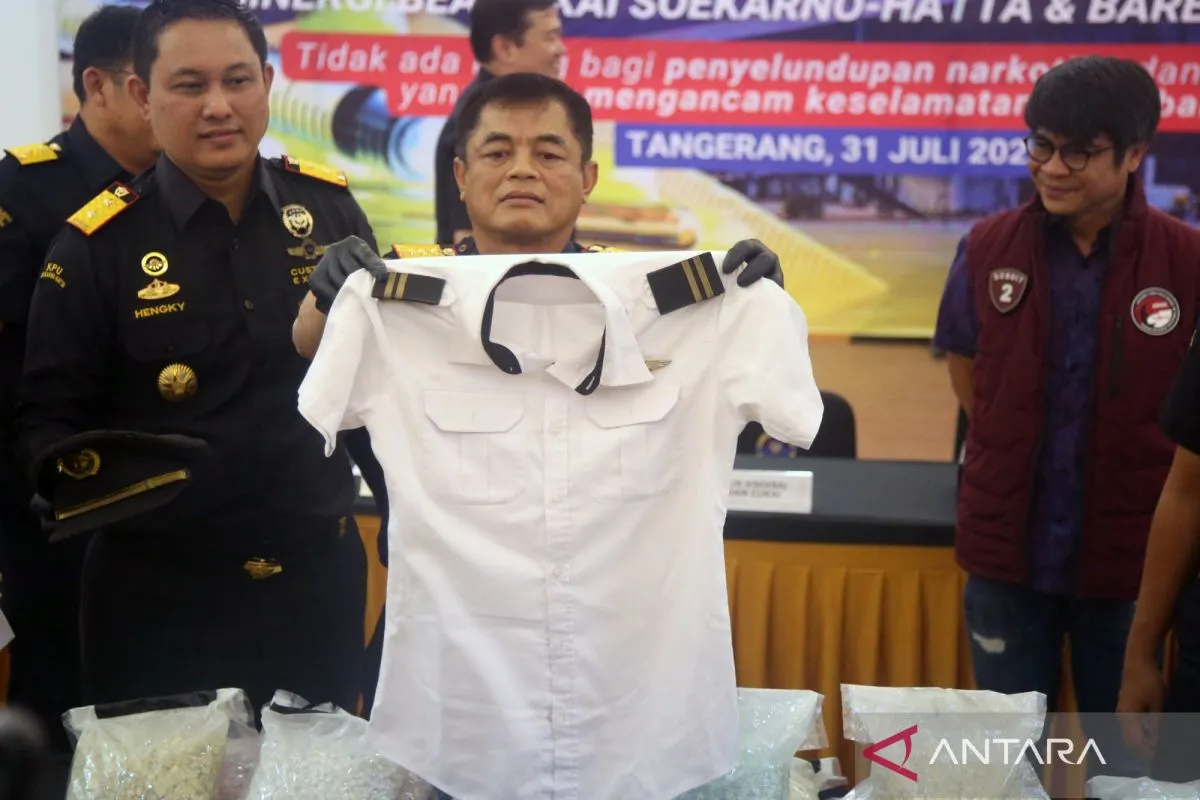
Indonesia Foils Malaysian Pilot’s Drug Smuggling Attempt, 70,000 Ecstasy Pills Found
On July 28, a Malaysian pilot was caught at Jakarta’s international airport in an attempt to smuggle over 70,000 ecstasy pills and a stash of methamphetamine.
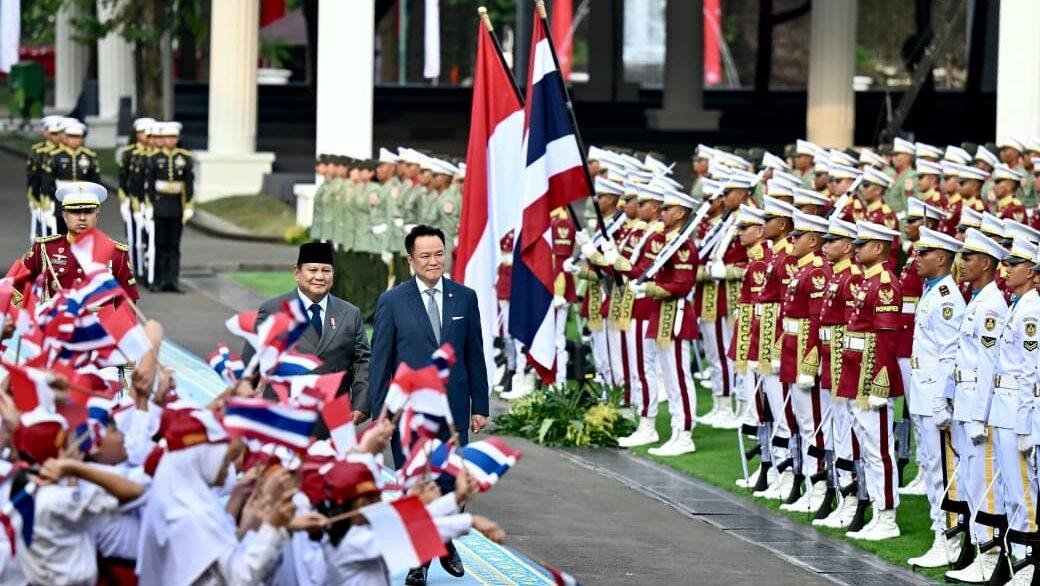
Indonesia-Thailand Lock $20bn Trade Roadmap with Historic Bilateral Pact
Indonesia and Thailand have committed to expanding bilateral trade through a strategic partnership roadmap, aiming to reach 20 billion US dollar by 2030.