
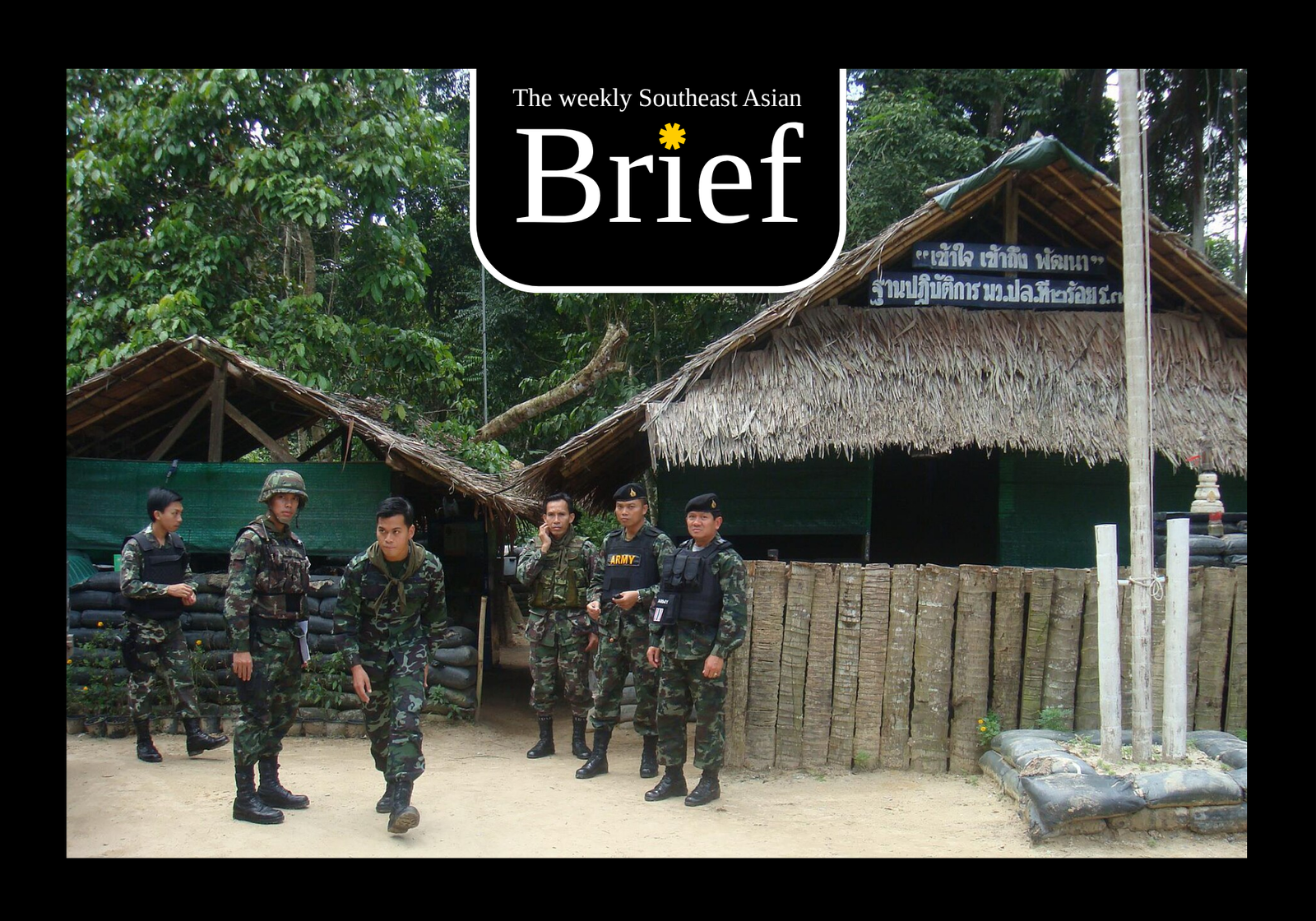
Countering insurgent attacks in its southern region has always been on the agenda of successive Thai administrations in 1948, as the conflict has historically inflicted severe casualties on civilians and dealt a heavy blow to public resources.
Category: Politics
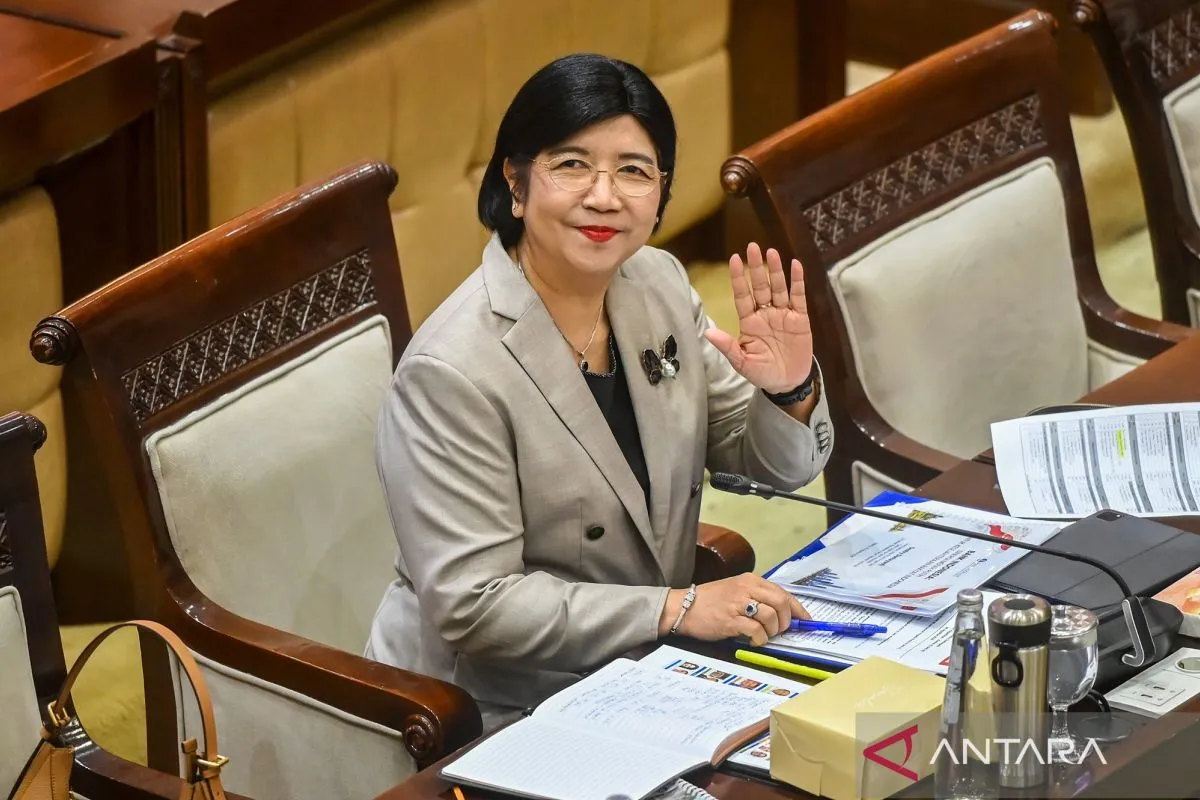
Growth, Stability and Synergisation Pledged by Indonesia’s Central Bank Governor Nominee
The sole gubernatorial candidate, Destry Damayanti, presented her vision for leading Bank Indonesia (BI) on August 26, pledging to support economic growth and job creation while firmly maintaining the central bank’s independence.
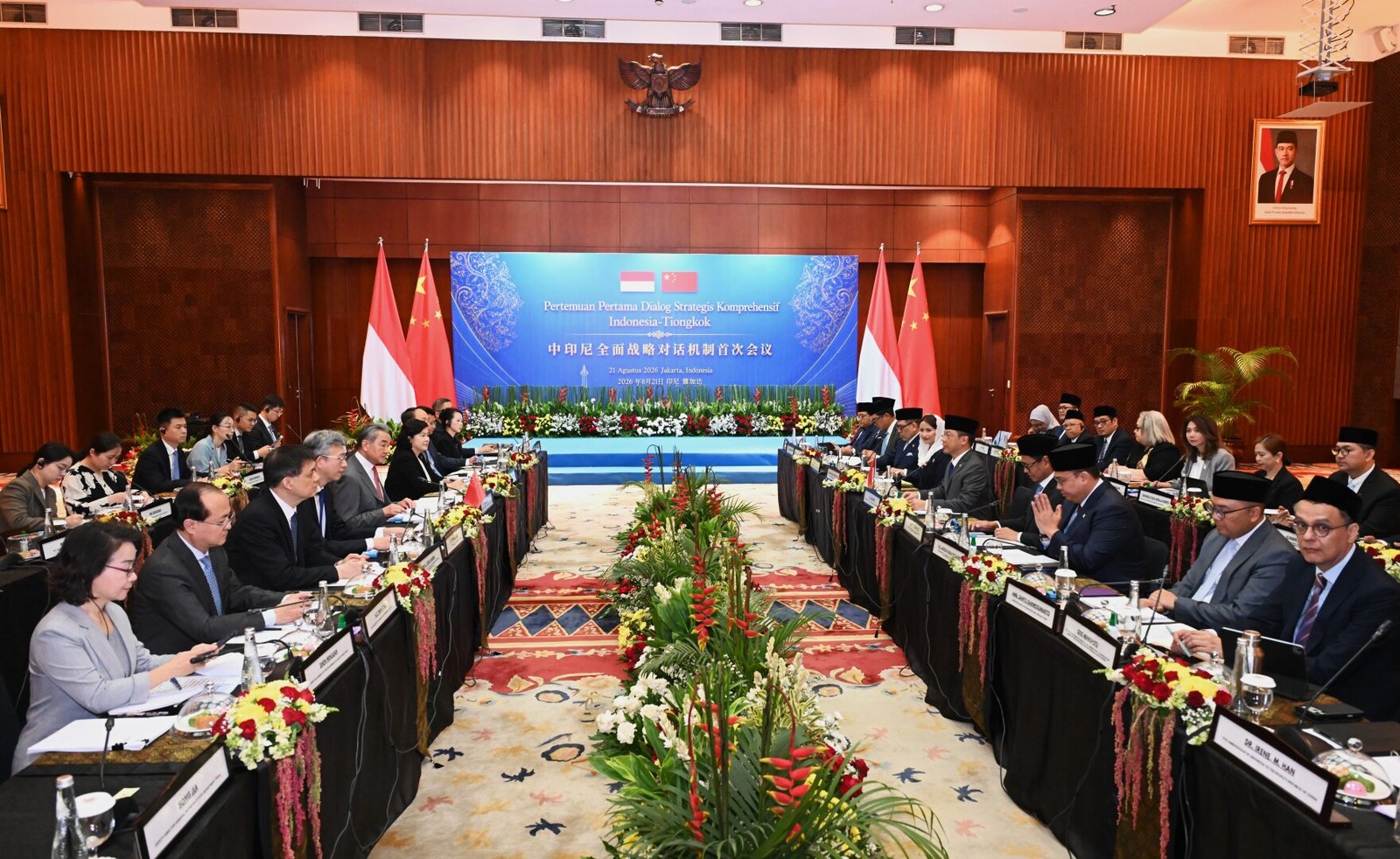
Chinese Foreign Minister’s Jakarta Visit Deepens Ties with Call for Favourable Business Climate
Indonesian Foreign Minister Sugiono co-chaired an inaugural Comprehensive Strategic Dialogue (CSD) with his Chinese counterpart Wang Yi in Jakarta on August 21.
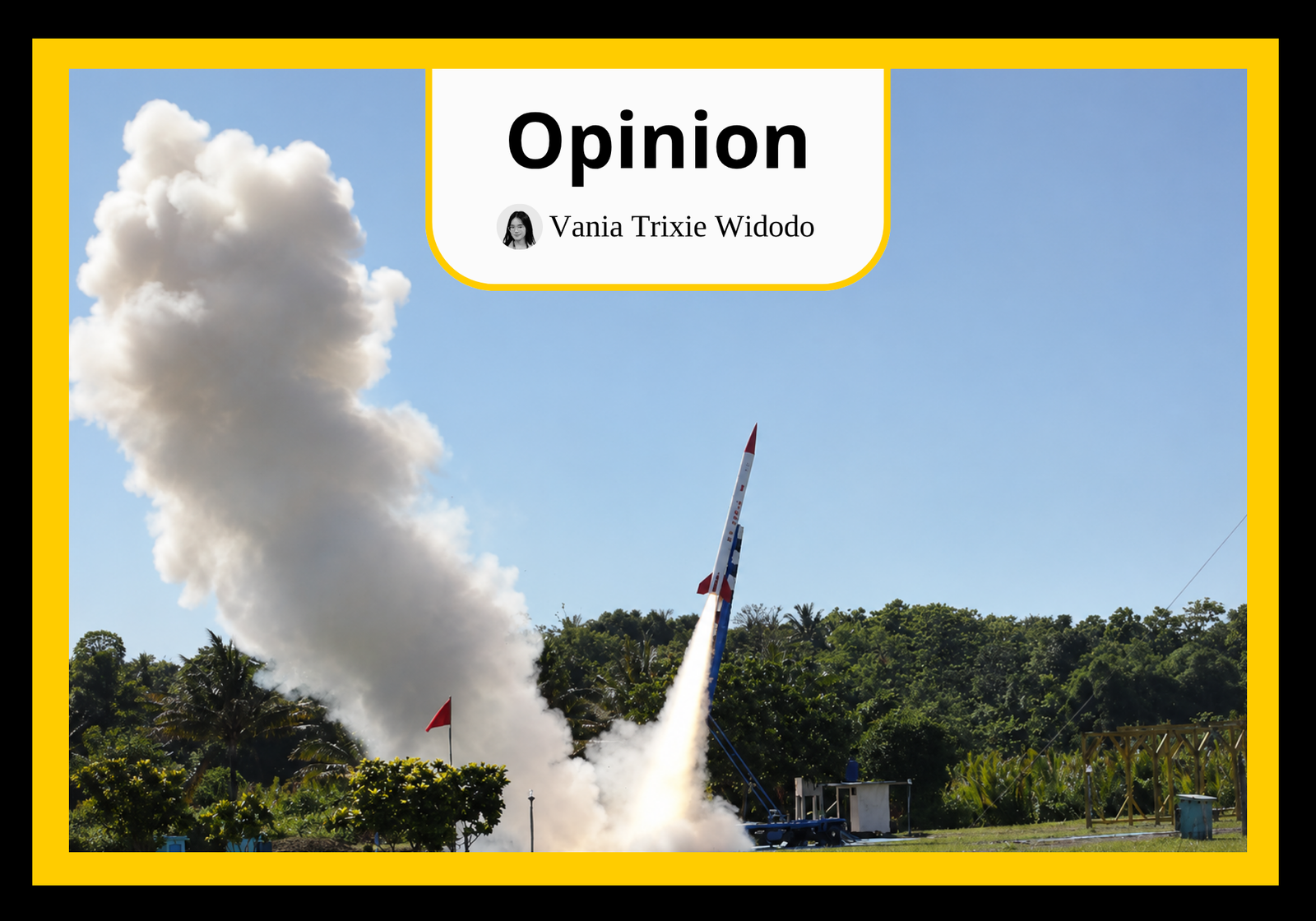
ASEAN’s Space Problem Is ASEAN Itself
In space, ASEAN’s non-interference principle is doing precisely what it was built to do and that is the problem. In March 2026, ASEAN Secretary-General Kao Kim Hourn spoke in Manila, pointing to a new tracking station on Biak Island, Indonesia, as a critical step in building out a regional space economy projected to hit 100 billion US dollar by 2030.
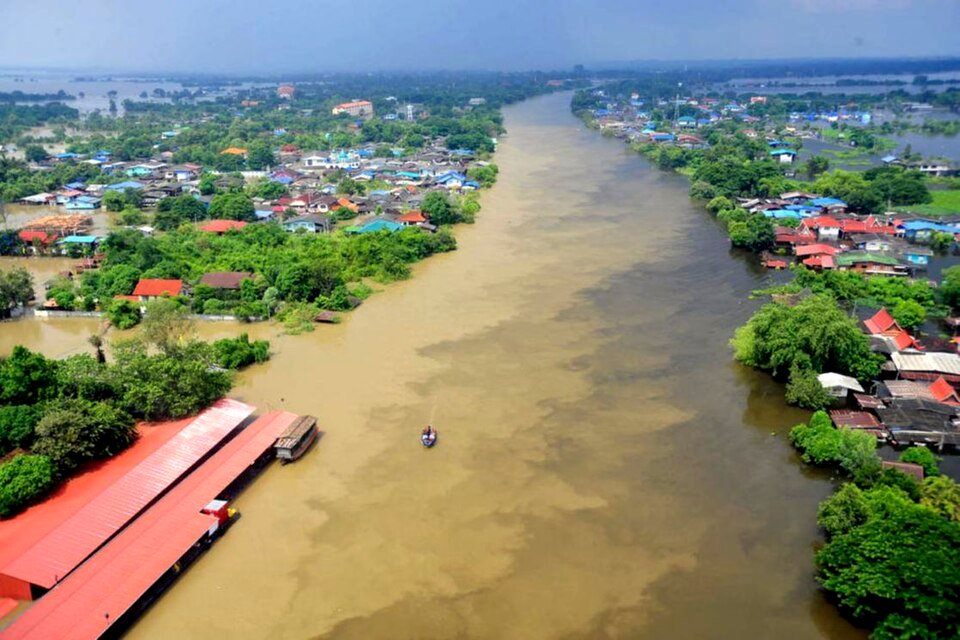
Thailand Expands Water Management as Flood and Drought Risks Intensify
Thailand is strengthening nationwide water management as flash floods and landslides affect northern provinces. Authorities prepare for increased water flows into the central region and enhance early warning and disaster response.
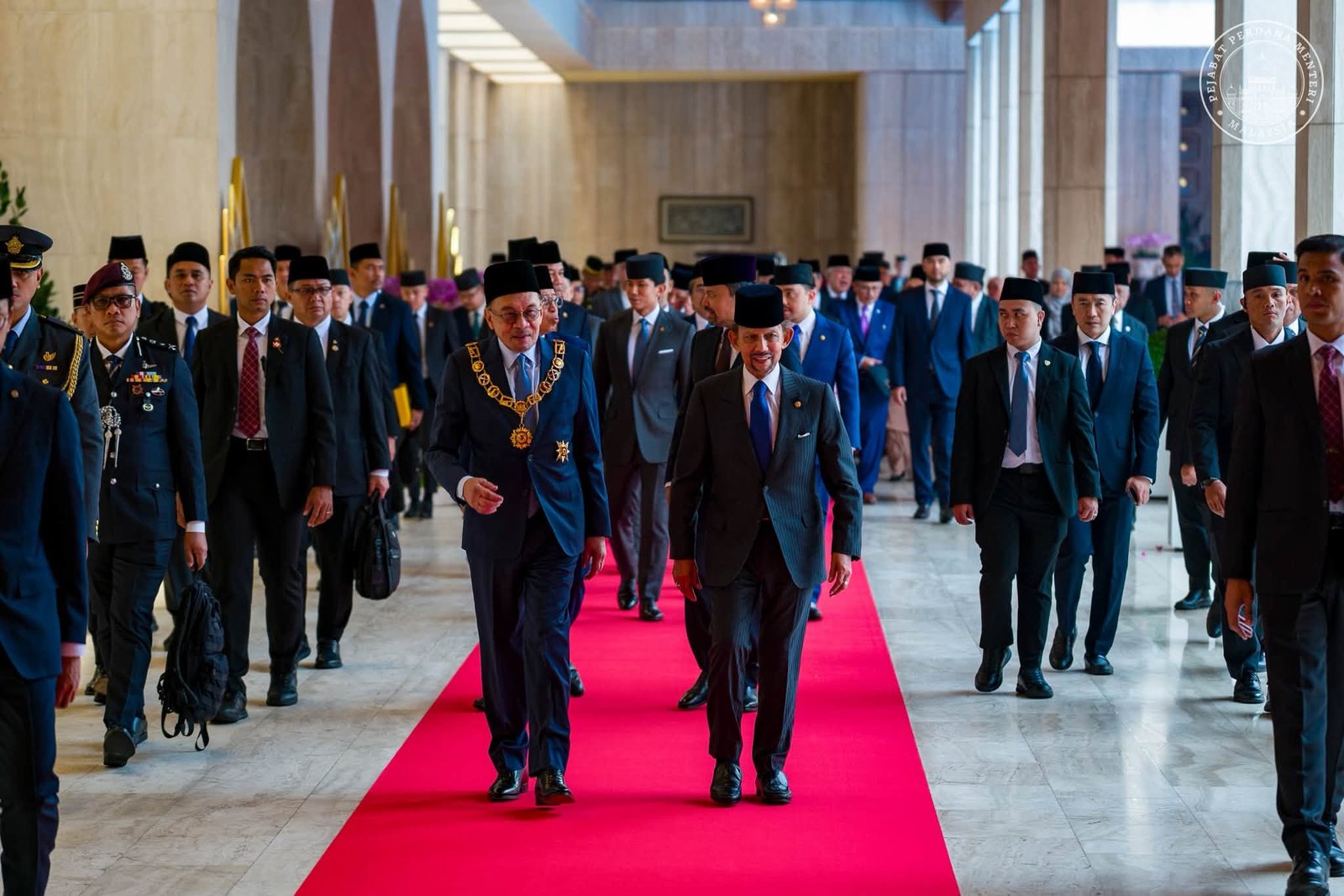
Brunei, Malaysia Strengthen Bilateral Security and Connectivity Cooperation
Brunei Darussalam and Malaysia reaffirmed their commitment to strengthening bilateral cooperation in defence, border security, energy, connectivity and economic development during the 27th Annual Leaders’ Consultation on August 22.
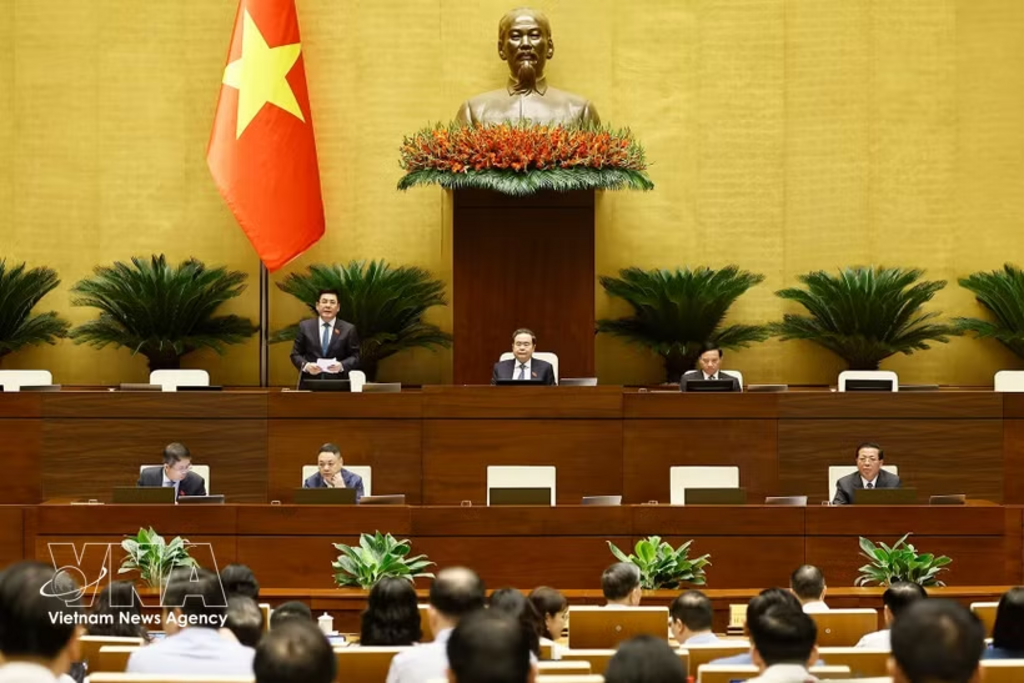
Vietnamese Lawmakers Advance Property and Budget Reforms Amid Renewed Nuclear Push
On August 22, Vietnam’s 16th National Assembly is debating proposed changes to real estate regulations, public financial management and the implementation of the Ninh Thuận nuclear power project during its extraordinary session in Hanoi.

Philippine Authorities Tighten School Security Measures After Zamboanga School Shooting
Philippine authorities are strengthening school security and firearm accountability following a deadly shooting at Ateneo de Zamboanga University (AdZU) on August 18, alongside other recent incidents involving firearms issued to government personnel.
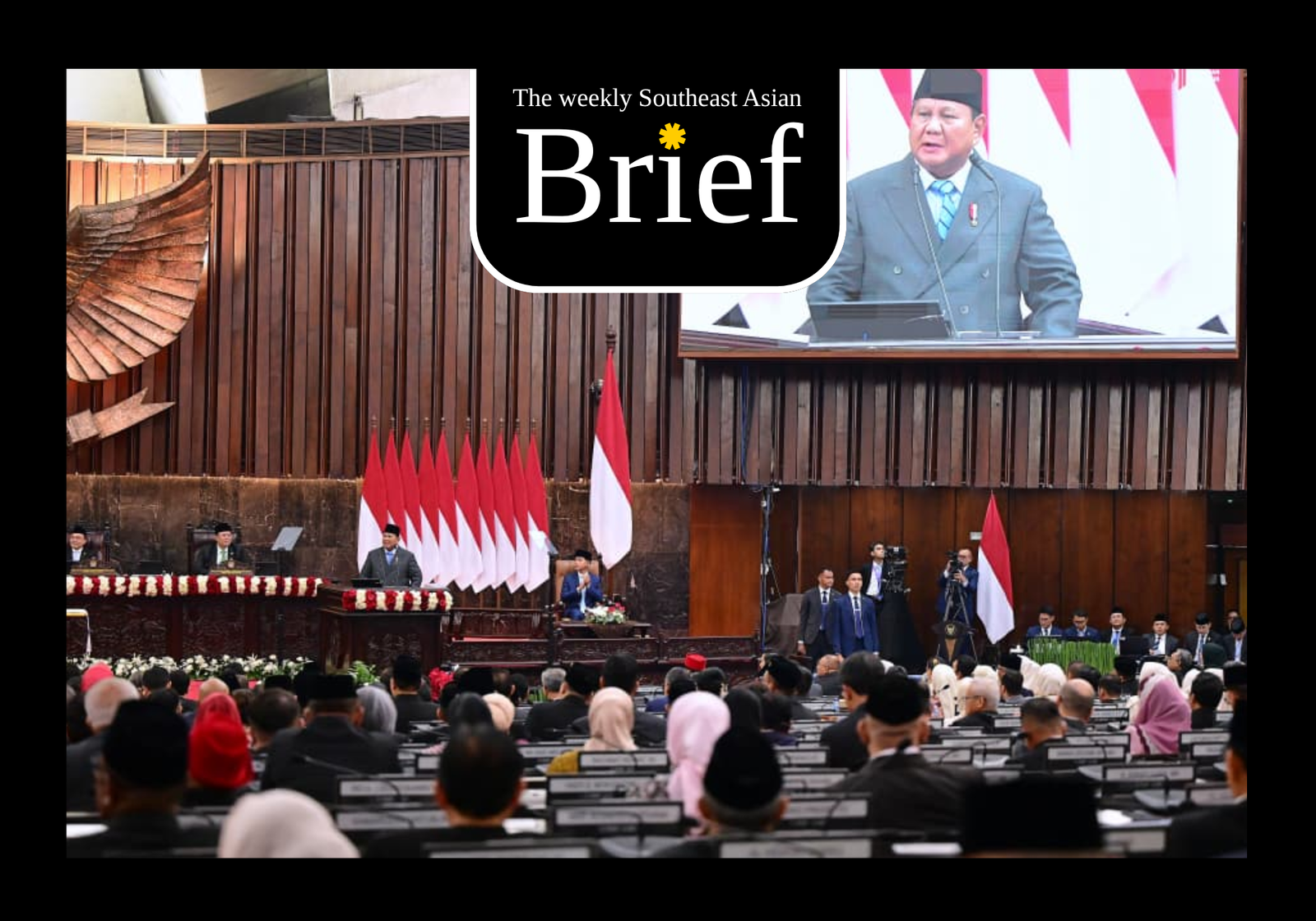
Indonesian President’s State of the Nation Address Turns Targets Into Achievements
On August 14, Indonesia’s President Prabowo Subianto’s 2026 addressed the country through a State of the Nation speech in anticipation of the Independence Day celebration on August 17. The message was simple, that after 21 months in office, his government claimed to be delivering results. He offered a long-list of numbers to support that message: 1,931 trillion Indonesian rupiah (109.7 billion US dollar) in investment, 5.61% economic growth, 121 “transformative” policies, 71,744 renovated schools and tens of millions reached by the flagship Free Nutritious Meals programme.
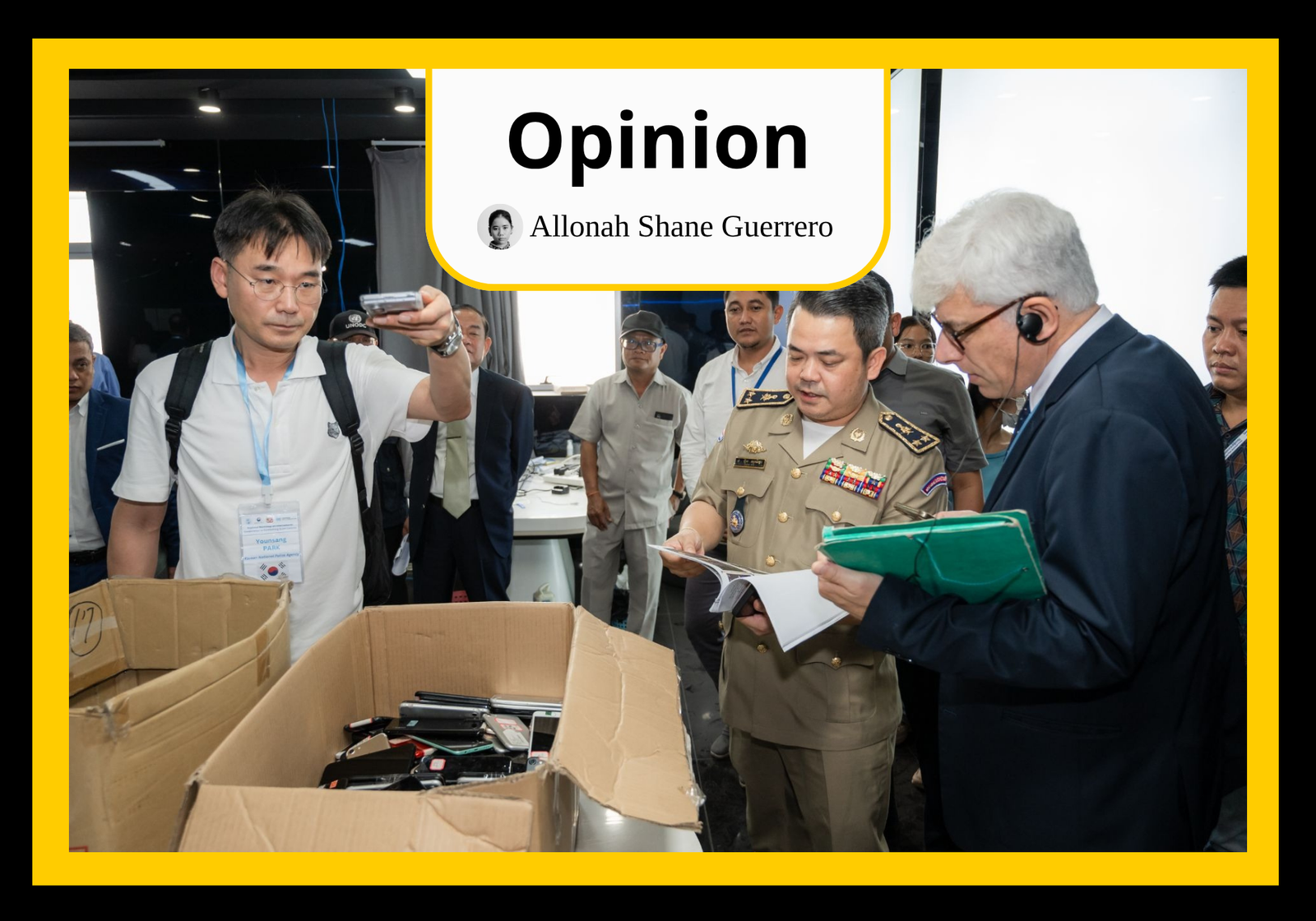
Why Scam Compounds Have Become ASEAN’s Shared Security Problem
Long treated as localised cybercrime and law enforcement problems, Southeast Asia’s scam compounds have evolved into a far more dangerous phenomenon: a direct challenge to regional security and institutional credibility.