

Indonesia-based e-commerce enabler AHA Commerce has officially expanded its operations into Thailand, marking its very first regional expansion into the wider Southeast Asian market.
Category: Indonesia
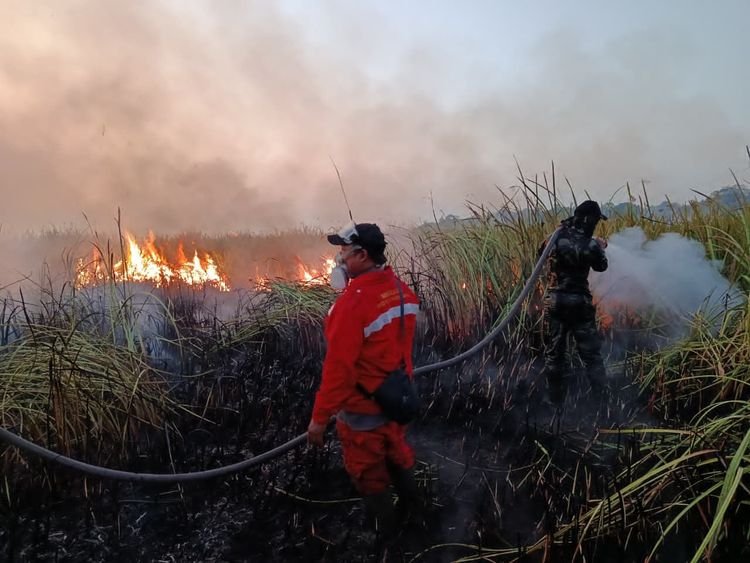
Forest Fire in Indonesia’s Way Kambas National Park Extinguished, Elephants Safe
On August 23, a fire that swept through part of Way Kambas National Park in East Lampung was fully extinguished with authorities reporting no direct impact on the park’s Sumatran elephant population.
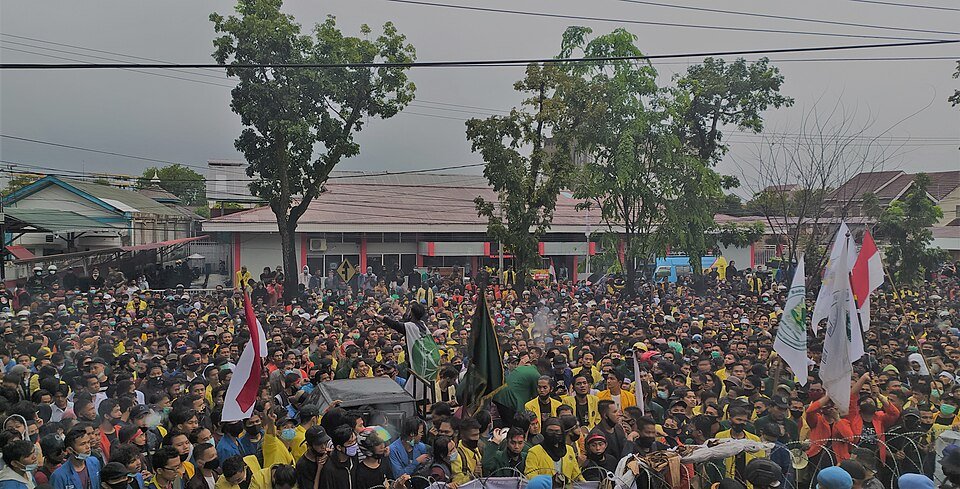
Mass Student Protest Hit Jakarta Over Government Policies After Indonesian President Prabowo’s State Address
On August 18, Students from University of Indonesia (UI) and members of the National Student Front (FMN) staged a demonstration in Jakarta, four days after Indonesian President Prabowo Subianto outlined an agenda centred on economic self-reliance, stronger state intervention and national resilience in his State of the Nation Address (SONA).
One Data Indonesia: A National Data for Public Service Revolution Hidden in Plain Sight
In an age when data underpin everything from economic planning to public services and artificial intelligence (AI), Indonesia has quietly been pursuing one of its most ambitious governance reforms. Yet, despite its potentially transformative impact, few Indonesians have ever heard of One Data Indonesia (also known domestically as Satu Data Indonesia).

Indonesia’s Labuan Bajo Tourism Operations Remain Stable After 7.7-Magnitude Quake
On August 17, tourism services in Labuan Bajo, a famous tourism destination in Indonesia’s West Nusa Tenggara province, were continuing as normal following the 7.7-magnitude earthquake that struck Flores, East Nusa Tenggara, according to Indonesia’s Ministry of Tourism and the Labuan Bajo Flores Tourism Authority (BPOLBF).
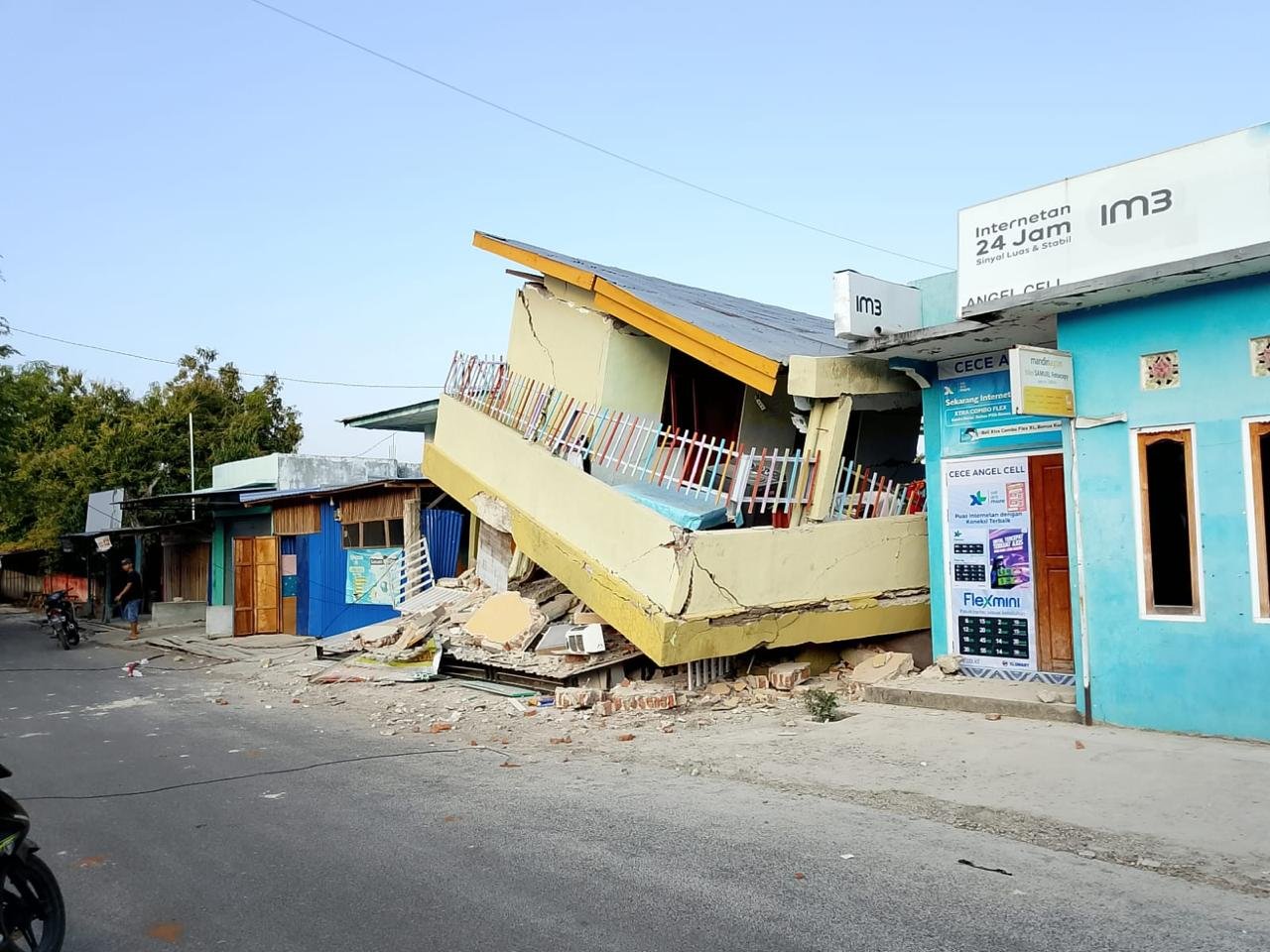
At Least 47 Dead as Powerful Earthquake Strikes Flores Island Indonesia
On August 15, at least 47 people have died after a magnitude 7.7 earthquake struck Indonesia’s Flores island, triggering search and rescue operations across several affected areas, the National Disaster Management Agency (BNPB) confirmed.
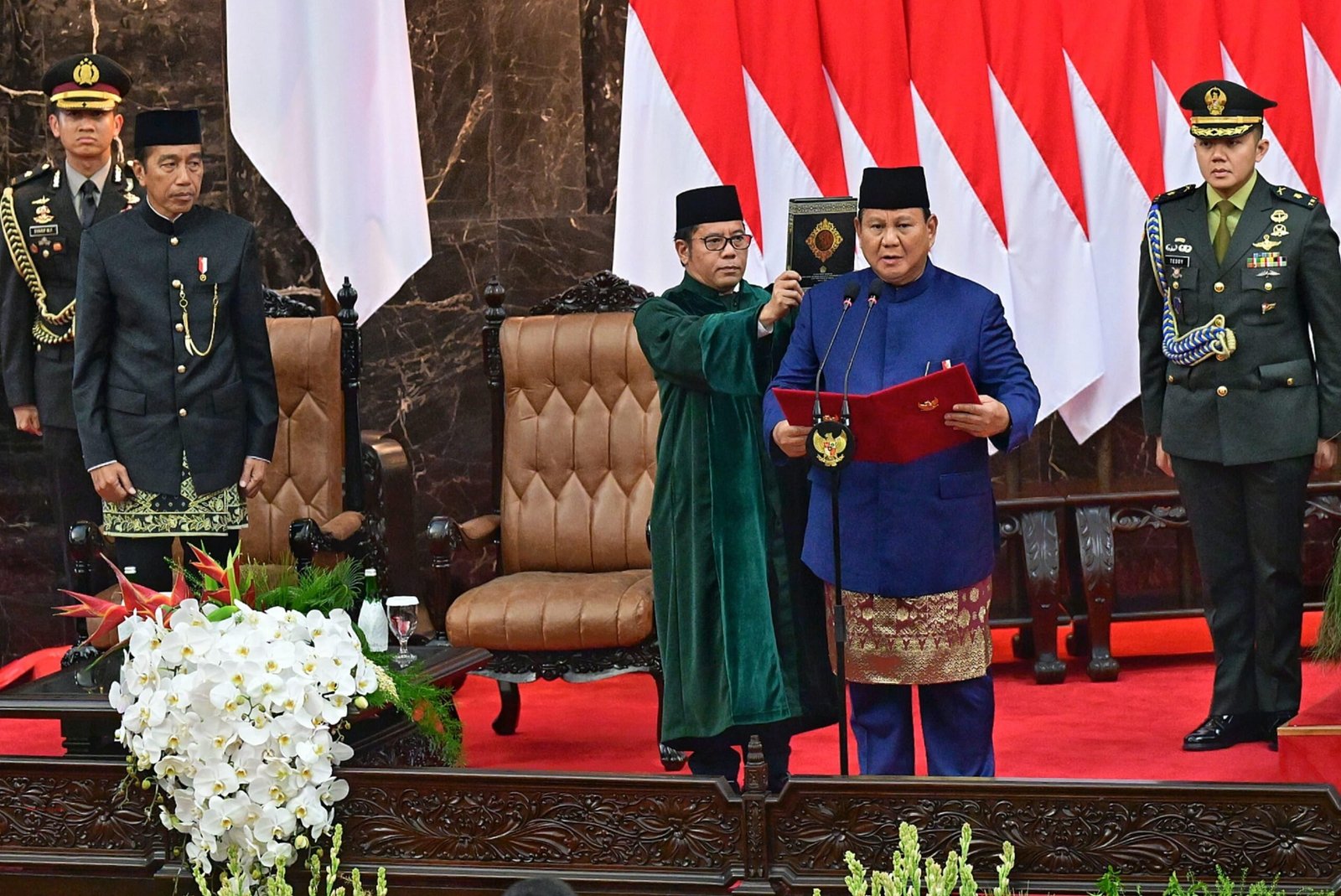
President Prabowo Outlines Second Year Agenda for a Self Resilient Indonesia
On August 14, Indonesian President Prabowo Subianto delivered his second State of the Nation (SONA) address at the annual session of the People’s Consultative Assembly (MPR) and joint session of the House of Representatives (DPR) and Regional Representatives Council (DPD), outlining his administration’s achievements and priorities ahead of Indonesia’s 81st Independence Day.
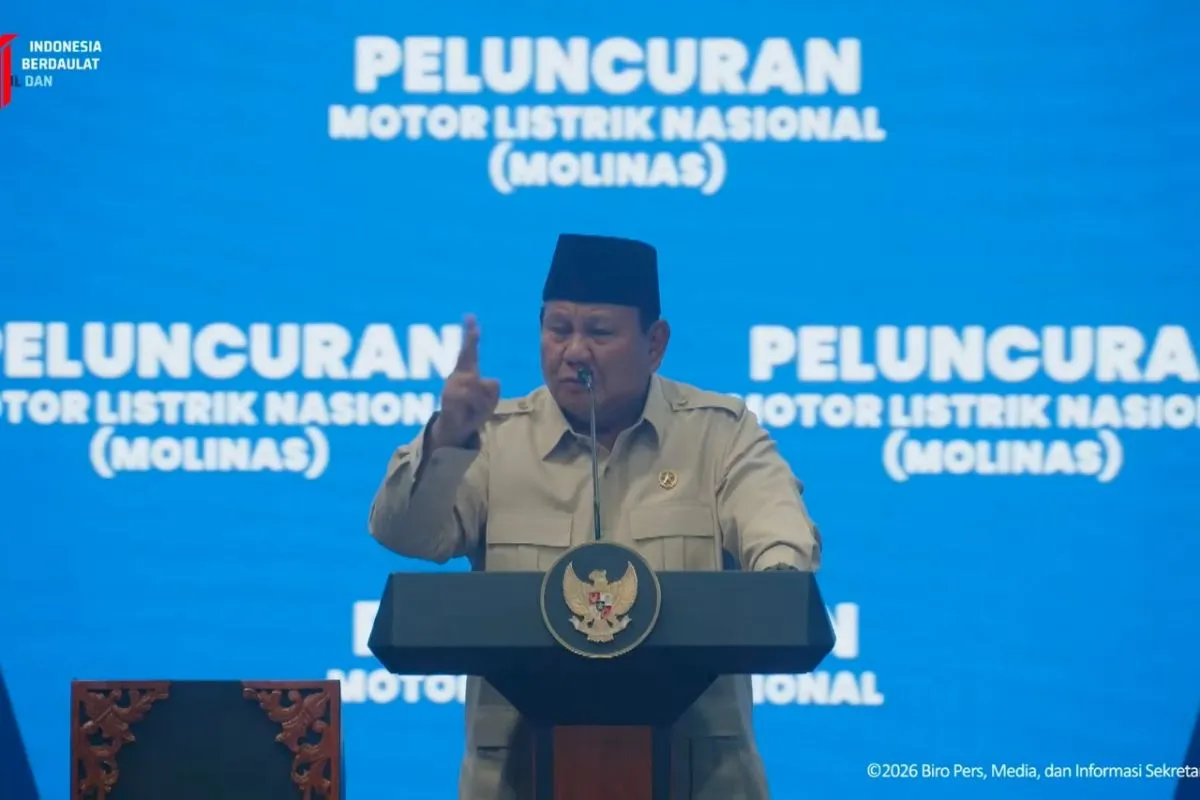
Indonesia Targets Mass Production of National Electric Vehicles by 2028
President Prabowo Subianto said that Indonesia aims to kickstart the mass production of domestic electric vehicles (EVs) by no later than 2028. This ambition was announced during the inauguration of the National Electric Motorcycle (Molinas) in Bekasi, West Java province, on August 13. The president noted that “a large complex is being developed” across adjacent areas.

France Is Looking to Indonesia. Can Its Tech Startups Follow?
Having lived in Indonesia for the past 14 years, Jakarta-based French entrepreneur and President of La French Tech Indonesia, Reza Pir Nazar, views Southeast Asia’s largest economy as an “interesting destination” for global technological investment. However, Reza highlights a stark regional imbalance, noting that “Singapore is getting the most attention”.

Indonesia’s Rapid Response Team Deployed to Tackle Bromo Forest Fire
On August 9, the Regional Disaster Management Agency (BPBD) of Lumajang, East Java, Indonesia, sent a Rapid Response Team (TRC) to help tackle a forest and land fire in Bromo Tengger Semeru National Park (TNBTS).