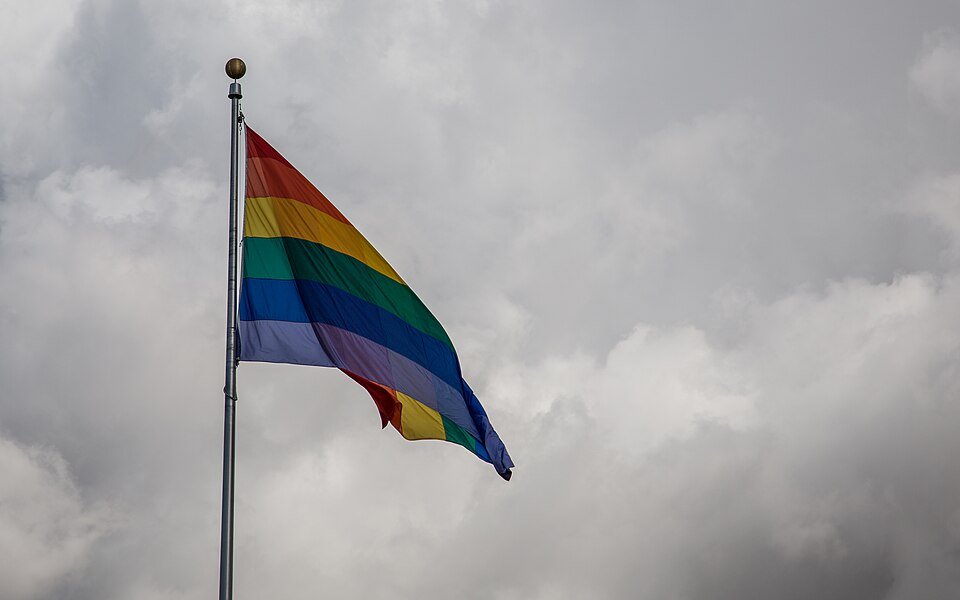
Illustration of Pride Flag. (Tony Webster/Wikimedia)
On July 9, the Indonesian government sought to reassure the public that a recently issued presidential regulation on national defence should not be interpreted as legitimising discrimination against LGBTQ people.
The clarification follows growing criticism online after Presidential Regulation (Perpres) No. 111 of 2025, which outlines the country’s General State Defence Policy for 2025–2029, identified LGBTQ-related issues as one of Indonesia’s non-military threats. The provision prompted concern among activists and social media users, who argued it could further stigmatise an already vulnerable community.
Responding to the controversy, Coordinating Minister for Law, Human Rights, Immigration and Corrections Yusril Ihza Mahendra said the regulation neither authorises persecution nor diminishes the constitutional rights of LGBTQ citizens.
“This presidential regulation must not be interpreted as a basis for persecution. Their rights as Indonesian citizens must continue to be respected,” he said.
Moreover, he added that the government does not view LGBTQ individuals themselves as posing a threat to the nation. Rather, he said the regulation addresses the public dissemination of LGBTQ-related ideologies, philosophies and cultural values, which the government believes could affect Indonesia’s national resilience if they become widespread.
The authorities would focus on limiting the spread of such narratives through official media, social media platforms, digital media, the internet and other communication channels. According to him, the measures are intended to preserve Indonesia’s cultural identity, uphold the values of Pancasila and protect the country’s character as a religious and culturally diverse nation.
Finally, the Coordinating Minister pointed out that Indonesia’s new Criminal Code does not criminalise a person’s sexual orientation, reiterating that the regulation should never be used to justify violence, intimidation, persecution, or discrimination against LGBTQ individuals.
About The Author