
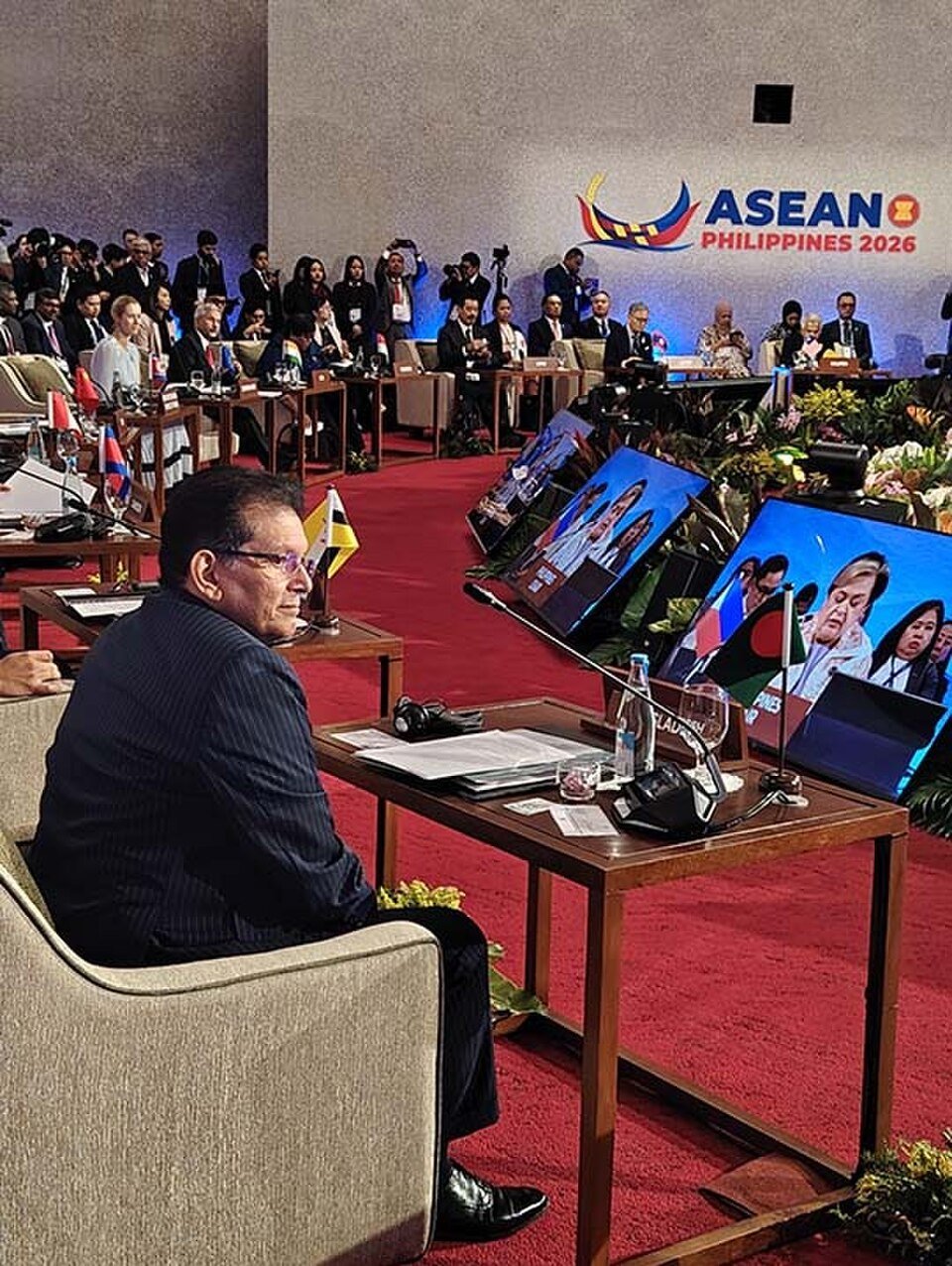
On July 23, the ASEAN Regional Forum (ARF) reaffirmed its commitment to nuclear disarmament, calling on nuclear weapon states to fulfil their obligations under international law, while addressing regional security concerns including the Korean Peninsula, the South China Sea (SCS), Myanmar and the Middle East.
Category: Countries
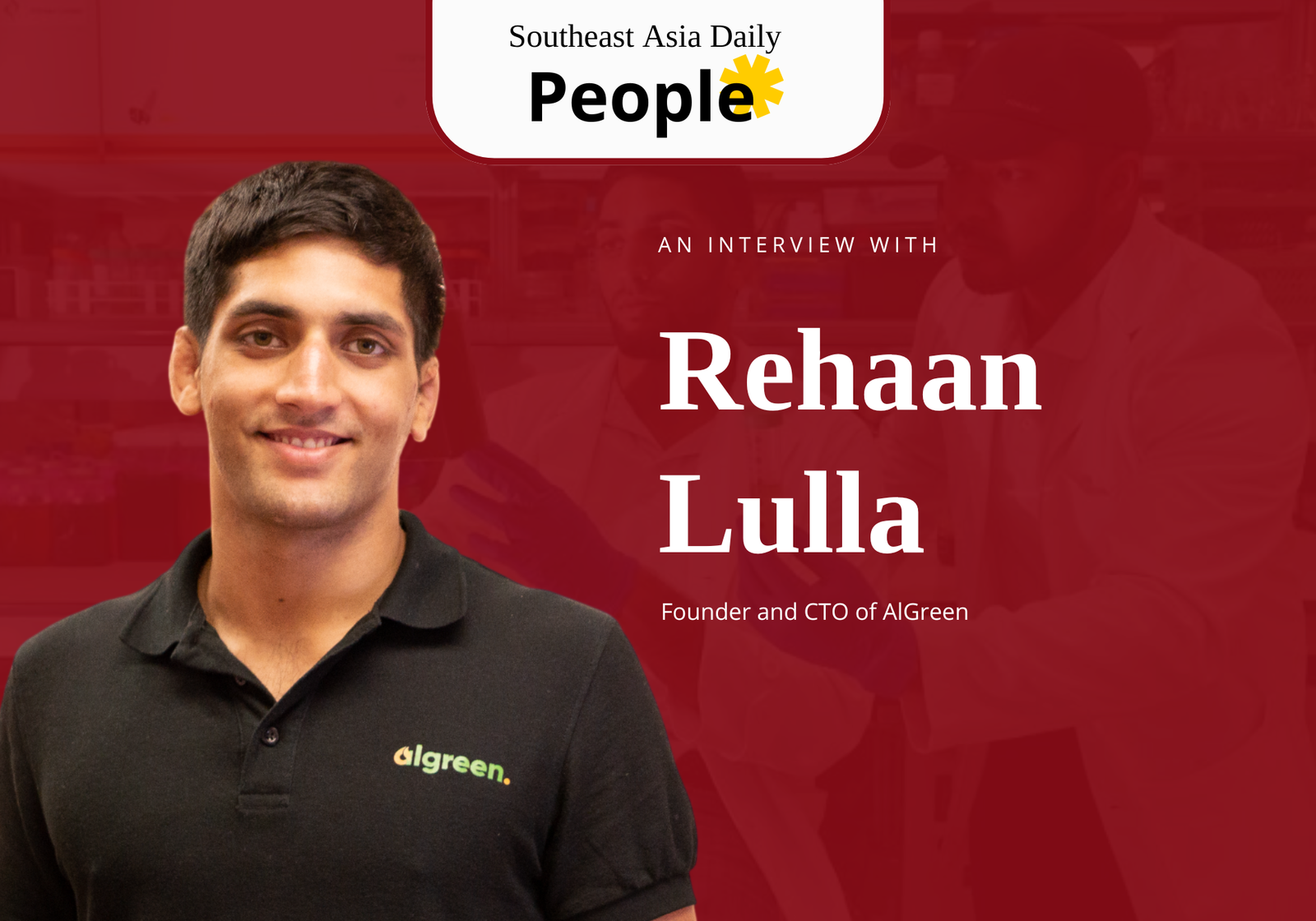
The Fight for Clean Air Has Many Fronts. One of Them Is Algae.
The device on Rehaan Lulla’s desk looks like a lava lamp. A tall glass column, a slow swirl of green and a soft glow. What it is invisibly doing is drawing carbon dioxide out of the room and releasing oxygen more efficiently than the pot plants most people keep for the same reason. The organism inside is microalgae, grown for decades as food and as a cosmetics ingredient, which Rehaan’s start-up AlGreen has repurposed to clean the air.
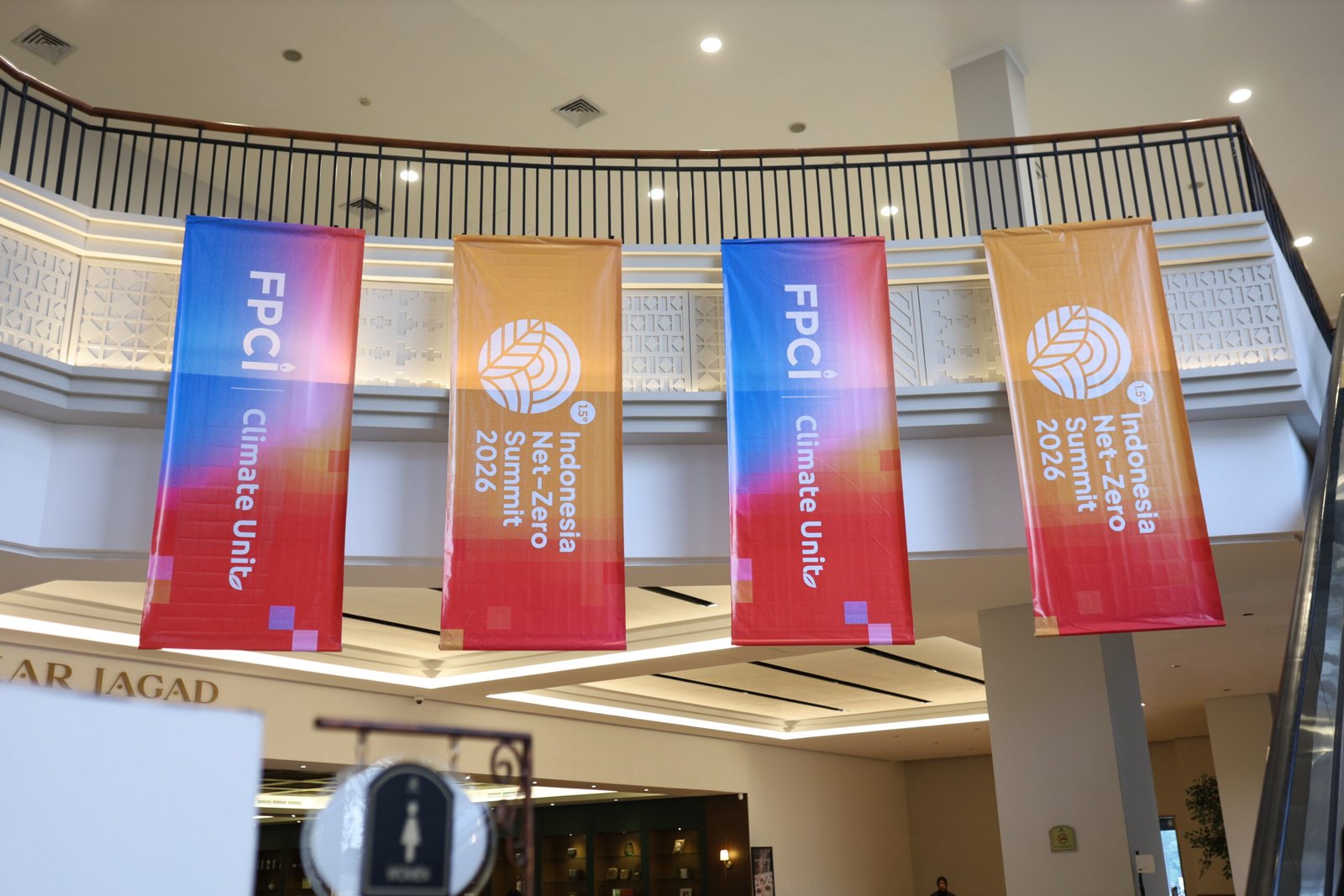
Indonesia Net-Zero Summit 2026 Explores Practical Solutions for Climate Transition
On August 1, the Foreign Policy Community of Indonesia (FPCI) held the Indonesia Net-Zero Summit (INZS) 2026, the country’s largest independent climate forum, bringing together more than 10,000 participants, including policymakers, business leaders, academics, youth representatives, civil society organisations and climate practitioners. Commenced at Balai Kartini in Jakarta, this year’s summit carried the theme “It’s Time to Deliver!”, highlighting the need to translate global and national climate commitments into concrete and measurable action.
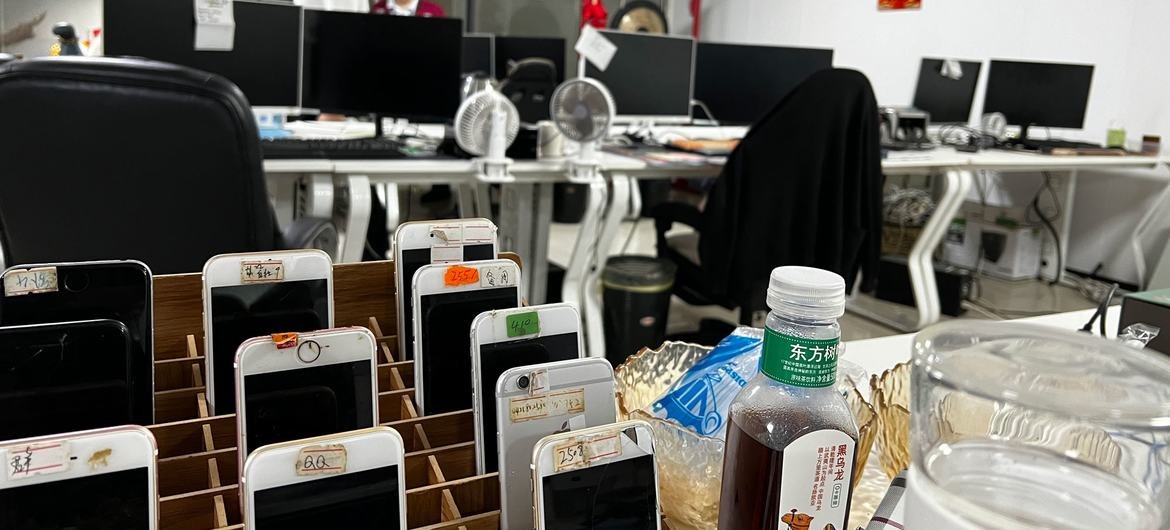
EU Sanctions Southeast Asian Scam Networks Over Human Rights Violations
The European Union (EU) has enforced restrictive measures against Southeast Asian scam centres responsible for “serious human rights violations”, penalising the reported associates with asset freezes and travel bans.

Southeast Asia’s Fourth Swing: the ISEAS 2026 Survey and Strategic Autonomy Under Strain
China vs the US Since 2019, the State of Southeast Asia survey published annually by the ASEAN Studies Centre at the ISEAS Yusof Ishak Institute has become the region’s “leading assessment of regional sentiment among policymakers, business leaders, and academics across Southeast Asia.” This article analyses its eighth edition, released on April 7, 2026, surveyed 2,008 respondents across all eleven ASEAN member states, including Timor-Leste for the first time following its October 2025 accession, fielded between January 5 and February 20, 2026.
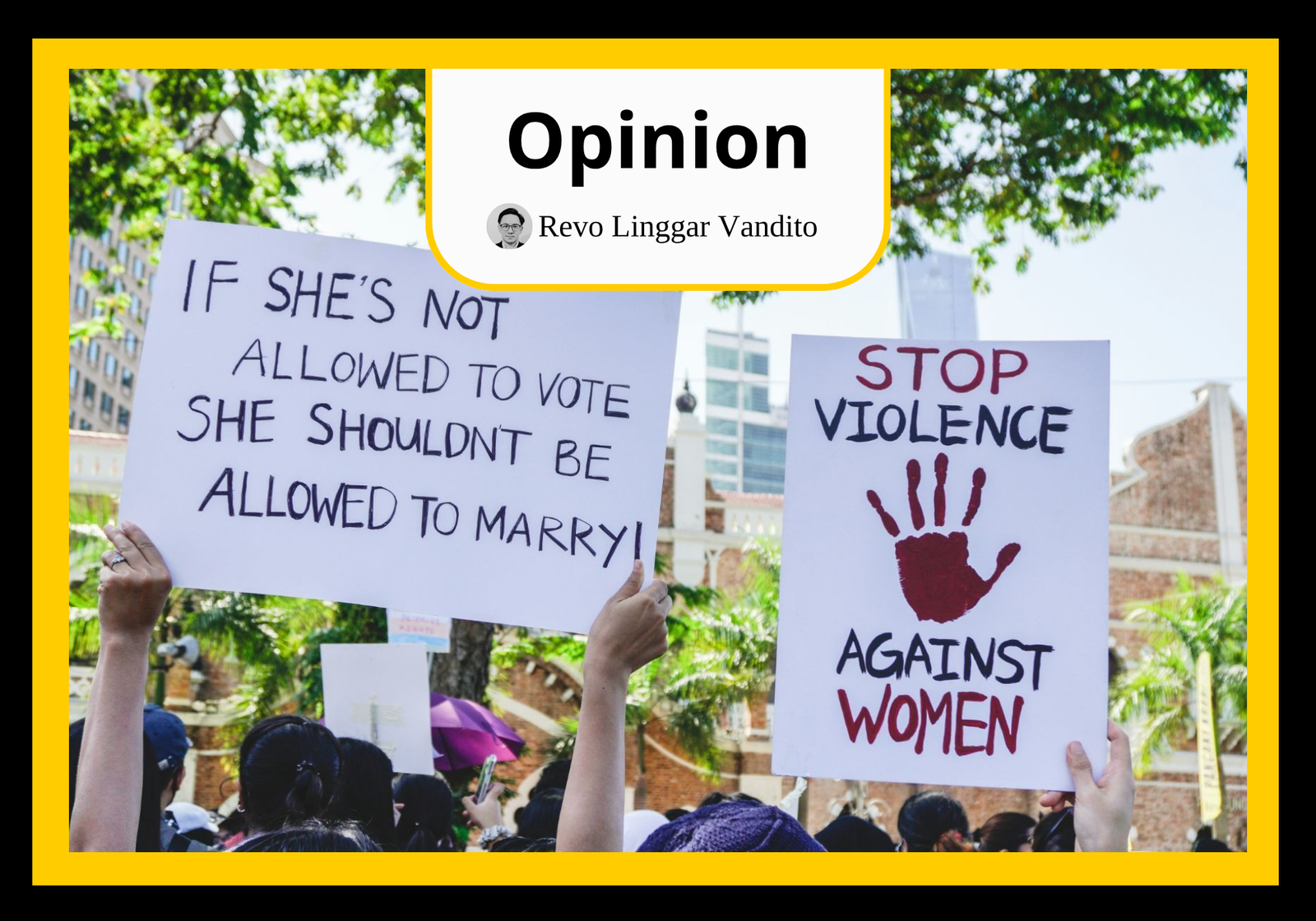
Beyond Regime Type: VAWP as the Threat for Women in Southeast Asia
Women’s representation in government is fundamental to achieving good governance and, to some extent, substantive democracy. The importance of women in politics stems from the hypothesis that shared identity leads women politicians to care more about women’s issues in policymaking than their male colleagues. Some studies support this hypothesis, showing that female member of parliaments (MPs) tend to prioritise issues related to women, such as abortion, domestic violence and rape.
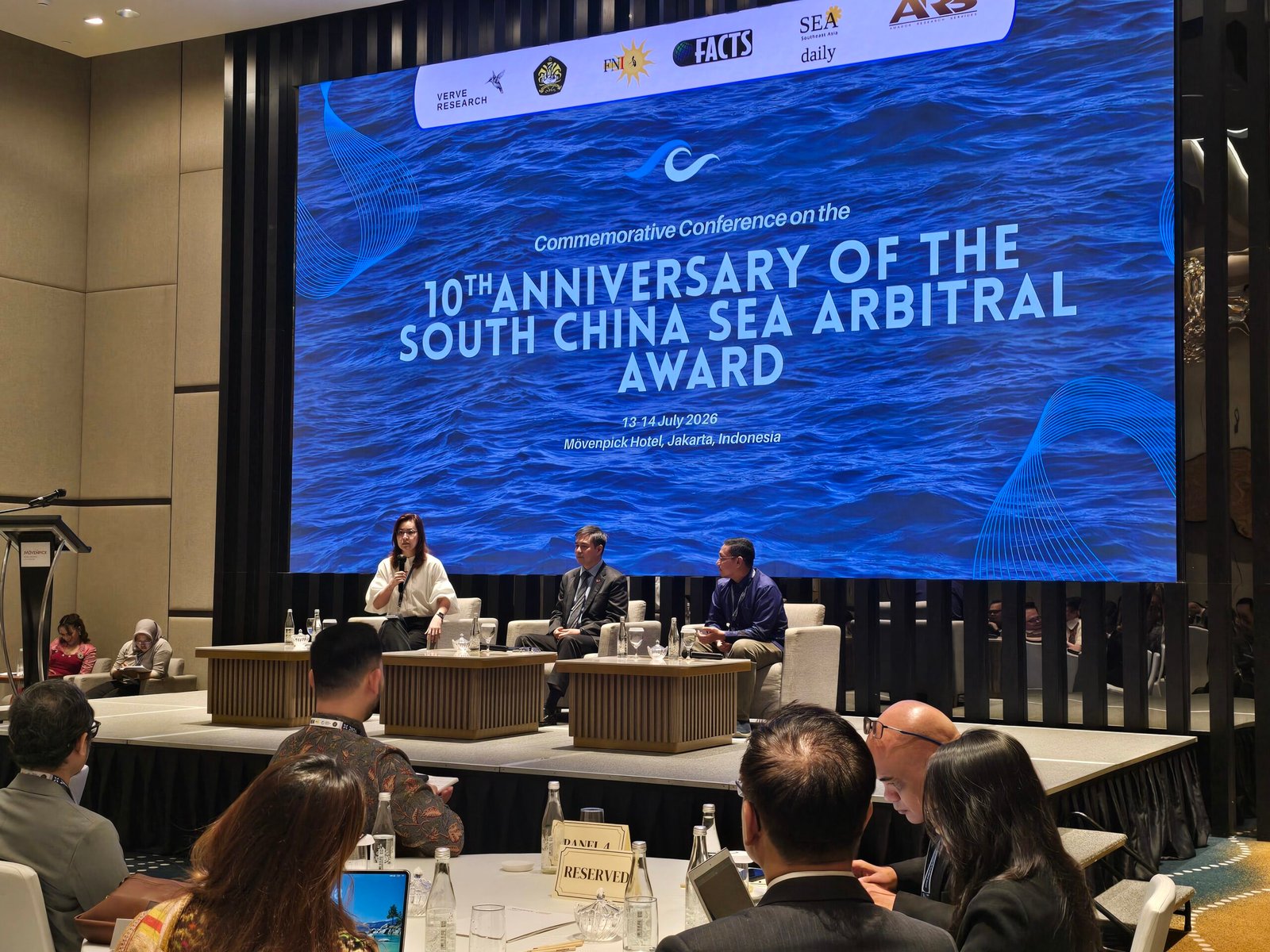
South China Sea Ruling Still Worth Defending, Experts Tell Jakarta Conference
July 12 of this year marks a decade of the Arbitral Award, where the Permanent Court of Arbitration (PCA) in The Hague found no legal basis for China’s nine-dash line claim, a statement it handed down under the UN Convention on the Law of the Sea (UNCLOS) on 2016. Beijing rejected it then and ignores it now, leaving Southeast Asia to manage a verdict that is binding in law but unbacked by any mechanism to compel compliance.
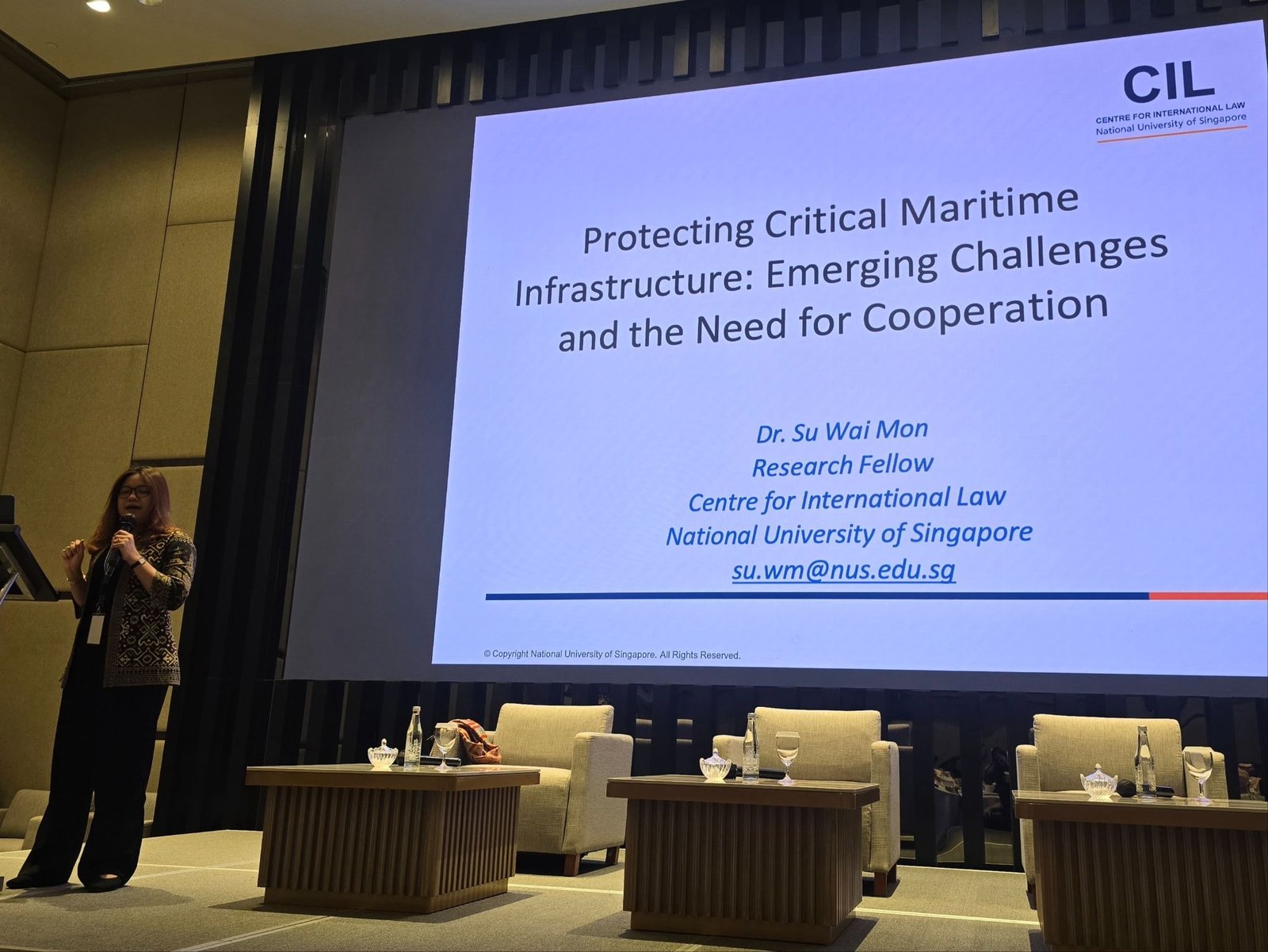
In the South China Sea, US$5.3 Trillion in Trade Rides on An Unsettled Dispute
Around 5.3 trillion US dollar in trade transits the South China Sea each year, a waterway whose legal status remains unsettled. A decade ago, precisely on July 12, 2016, the Arbitral Award issued by the Permanent Court of Arbitration (PCA) in the Hague rejected Beijing’s claims over the sea. However, China’s refusal to recognise it leaves the rules governing one of the world’s busiest trade channels continuously contested. For the region’s economies, that ambiguity is not an abstraction but a durable risk to supply chains, energy flows and food security.

Beyond Tariffs: The Customs Gap Quietly Reshaping Southeast Asia’s E-Commerce Growth
Southeast Asia’s digital economy is on track to pass 300 billion US dollar in gross merchandise value in 2025, growing 15% year-on-year (yoy), or roughly double the global e-commerce growth rate of about 7%. Cross-border e-commerce continues to expand as digital platforms connect buyers and sellers across national borders with unprecedented ease. Yet while consumers increasingly shop across Southeast Asia as though it were a single marketplace, the regulatory systems governing those purchases remain anything but integrated. The biggest barrier to selling across Southeast Asia isn’t the tariff at the border, but the customs gap behind it.
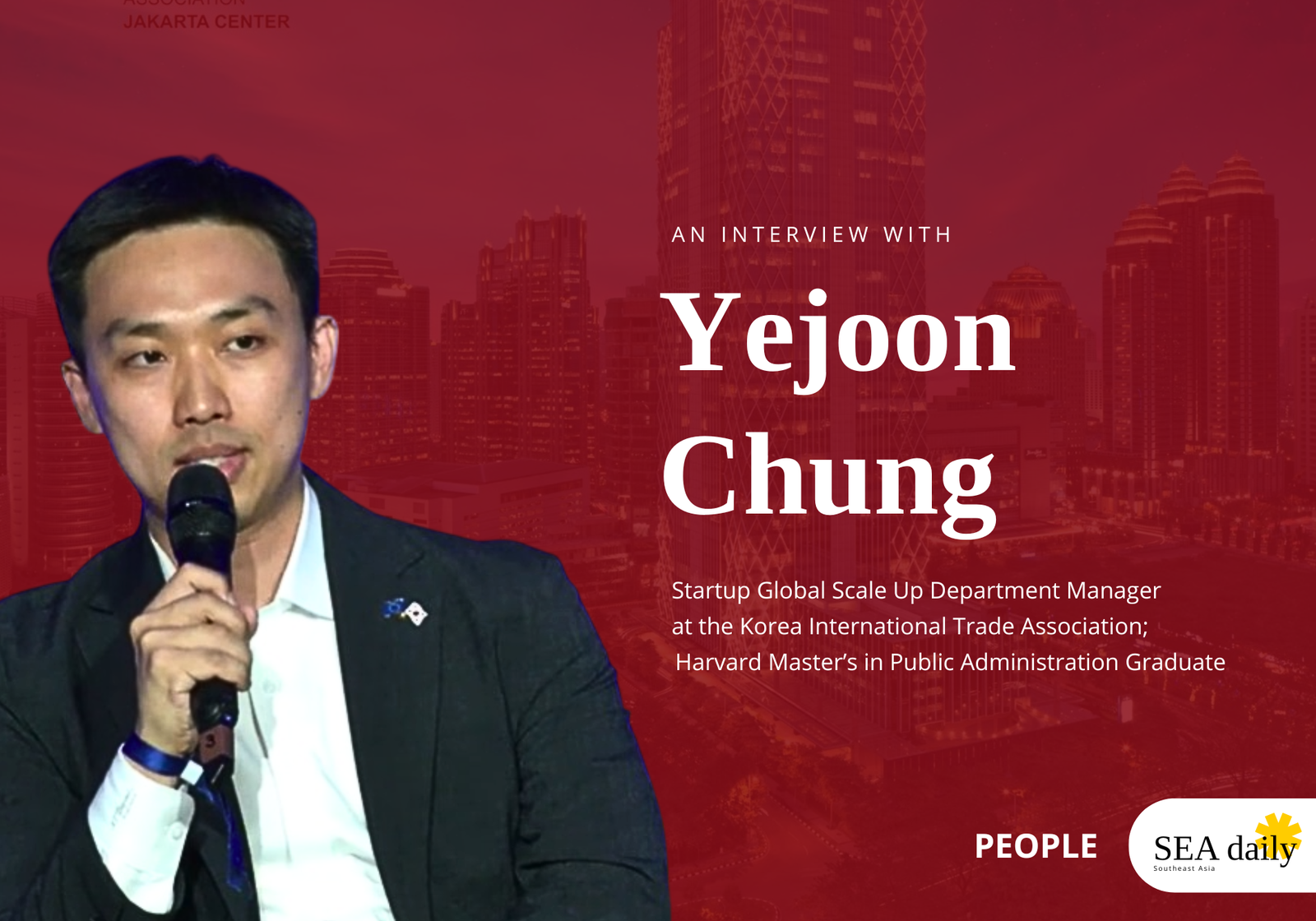
Korea Is Ready to Invest in Southeast Asia, But The Region Needs A Front Door
In the July heat of Aix-en-Provence in the south of France, Yejoon Chung keeps his suit buttoned and his tie straight while other delegates loosen their collars and drift toward the shade. With a public administration master’s degree from Harvard, Chung spends his days connecting Korean startups to the wider world. The paradox he keeps repeating is that the market he most wants Korean companies to enter is also the one they find hardest to read.