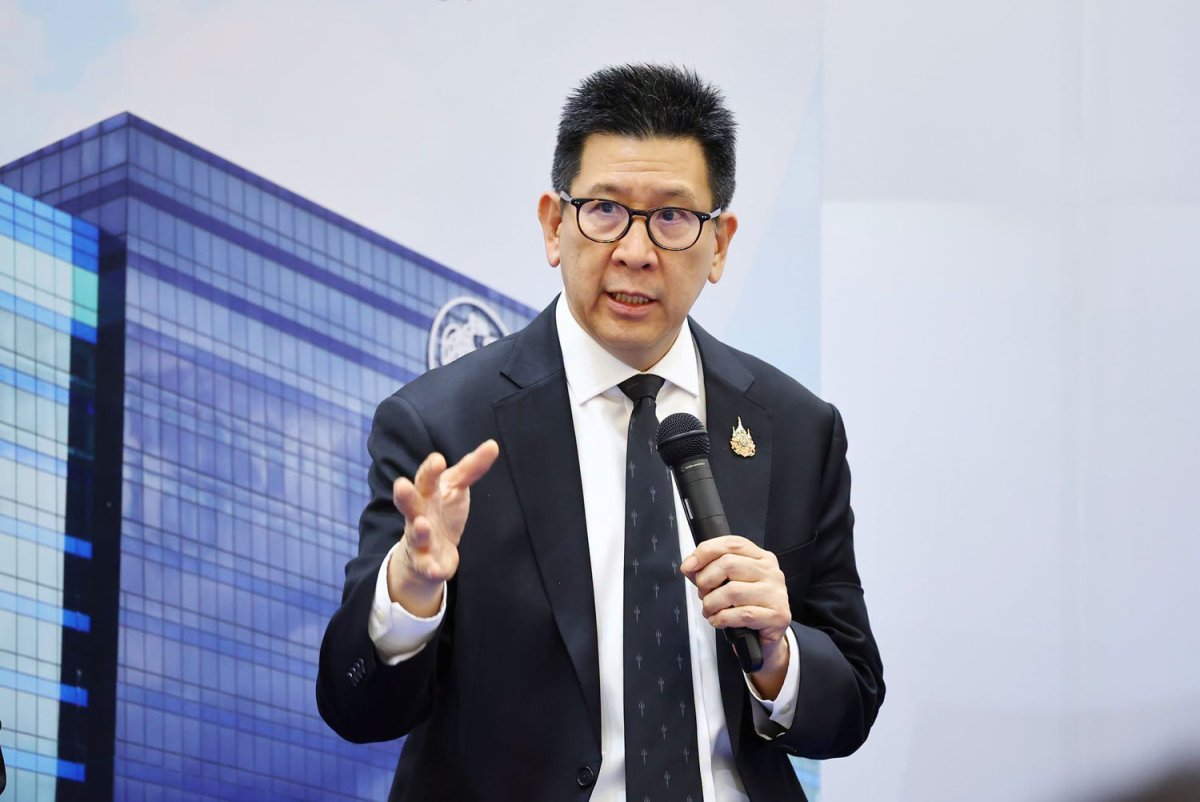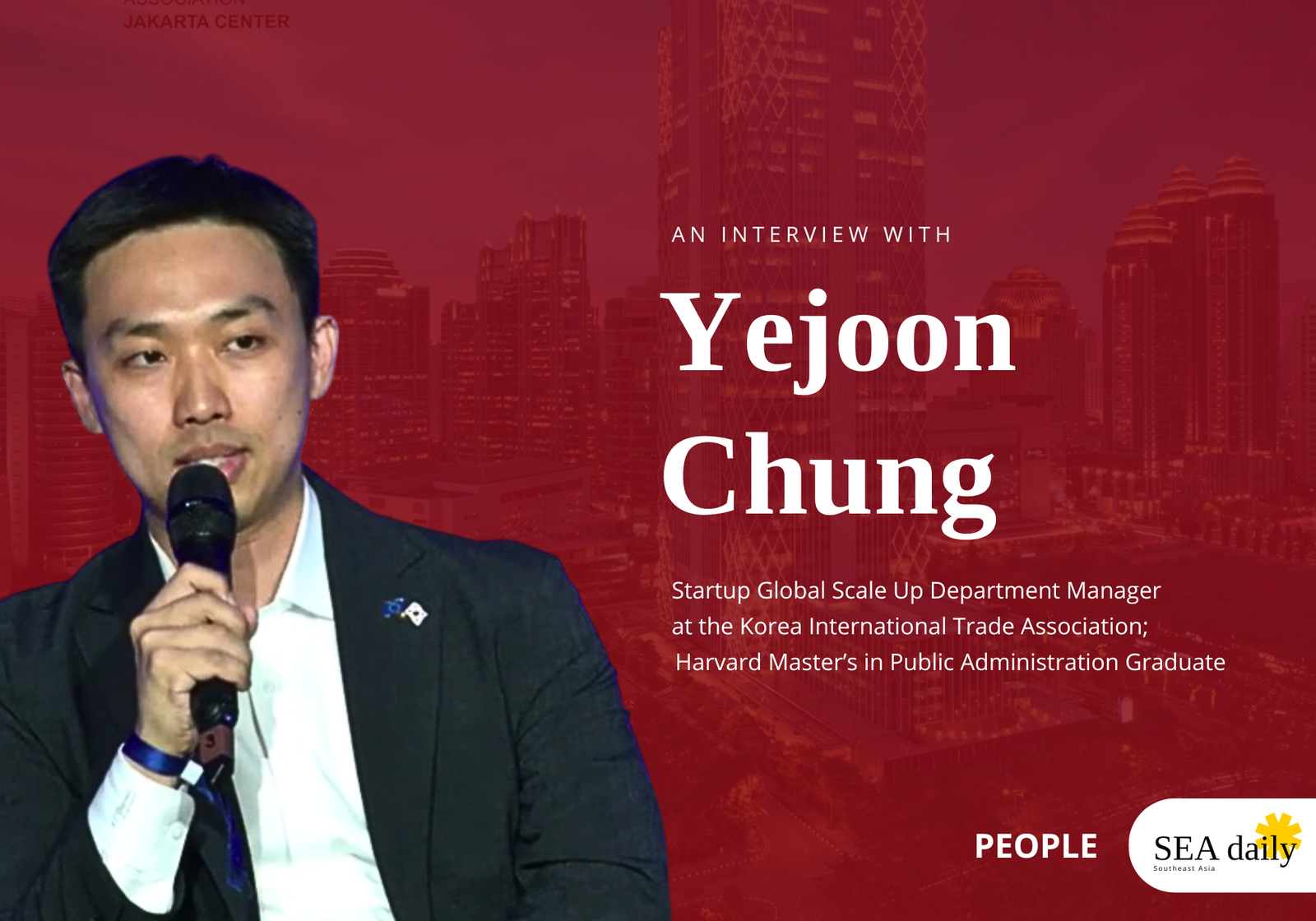
Yejoon Chung speaking at a panel on Asia during Les Rencontres Économiques d’Aix-en-Provence in France in July 2026, where SEA Daily talked to him. (Les Rencontres Économiques d’Aix-en-Provence)
In the July heat of Aix-en-Provence in the south of France, Yejoon Chung keeps his suit buttoned and his tie straight while other delegates loosen their collars and drift toward the shade. With a public administration master’s degree from Harvard, Chung spends his days connecting Korean startups to the wider world. The paradox he keeps repeating is that the market he most wants Korean companies to enter is also the one they find hardest to read.
The Outward Instinct
Chung manages the quiet system that matches large Korean or international corporations to ambitious Korean startups. His Startup Global Scaleup department at the Korea International Trade Association (KITA), the trade body he works for, runs on the idea of open innovation. When a multinational company such as Airbus needs a specific technical solution—like highly efficient electric motors or advanced battery technologies for its aircraft, for instance—his team puts the question to a field of startups and lets the aircraft giant choose the answer. Renault, LVMH, LG Electronics and SK Ecoplant pass through the same pipeline.
The flagship of that effort is NextRise, an annual fair in Seoul that this year drew more than 540 startups, around 140 of them from 30 countries abroad. Its main spotlight has been European. France was the guest country of honour, bringing the likes of Veolia, L’Oreal, CMA CGM and some twenty French startups, with the French ambassador attending as a VIP. Given their geographical proximity, people would expect Southeast Asian entities to showcase their products en masse. However, Chung himself was surprised by the fact that only 12 Asian countries were present, compared to 13 European counterparts.
A Bright Future to the South
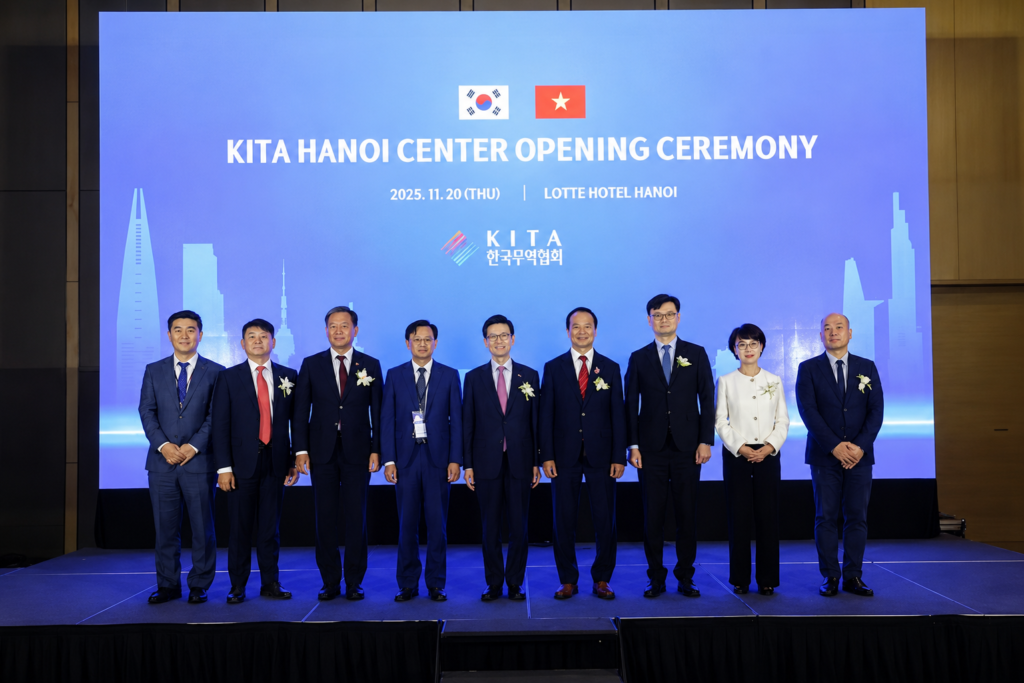
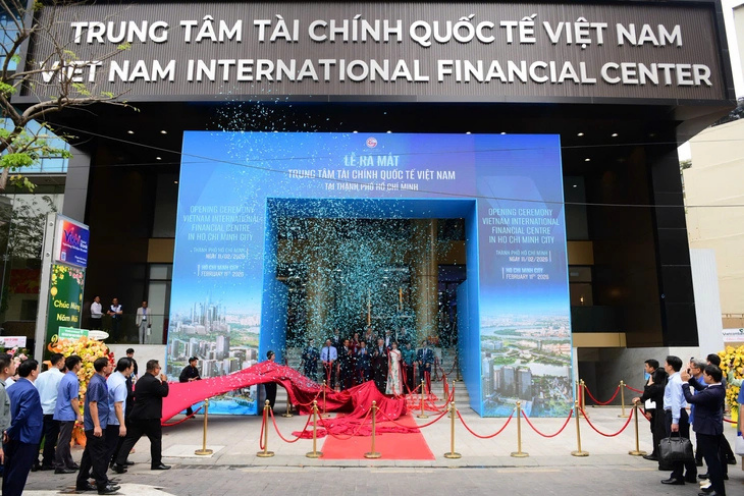
Korea International Trade Association (KITA) holds an opening ceremony for its Hanoi office at Lotte Hotel Hanoi in Vietnam in November 2025. (KITA)
Ask Chung why Southeast Asia matters to South Korea and he answers first with demography. South Korea has among the world’s lowest birth rates and few natural resources. Even a booming semiconductor industry (South Korea controls 17.7% of the global semiconductor share) does little to calm the longer worry about what will power the economy in the upcoming three or four decades. Southeast Asia, by contrast, is young and resource-rich. He argues that there is a bright future for the region, but only if its human and natural resources can be organised well.
He then turns to geopolitics, a theme closer to his old role in managing the US-South Korea trade portfolio. South Korea’s trade remains heavily concentrated in a few countries, which leads it to look for more partners. This points in two directions, which are Eastern Europe and Southeast Asia. Chung notes that the latter offers distinct advantages in terms of proximity and market scale. As Korean manufacturers increasingly seek to diversify their supply chains amid global trade uncertainties, Southeast Asia presents a timely opportunity.
The political tailwind agrees with him. In March, South Korean President Lee Jae-myung made Singapore and the Philippines his first state visits in the region, carrying a package of artificial intelligence (AI) and nuclear-energy cooperation. Weeks later, Indonesian President Prabowo Subianto arrived in Seoul, where the two governments signed ten agreements and elevated their ties to a “special comprehensive strategic partnership.”
The commercial fit is clearest in energy and infrastructure, alongside South Korea’s cultural exports, ranging from K-Pop and TV series to apparel and food. Then, there is Chung’s signature idea, a coalition of middle powers between the likes of South Korea, Japan, India and their European counterparts, building technology outside the American and Chinese orbits. Countries wary of both giants, he argues, want a third option in AI and high tech, something South Korea and Southeast Asia could build together. He is candid that the region is sometimes ahead. Korean founders, he notes, study Southeast Asian home-grown champions as models to benchmark, including the region’s ride-hailing application Grab.
The Legibility Problem
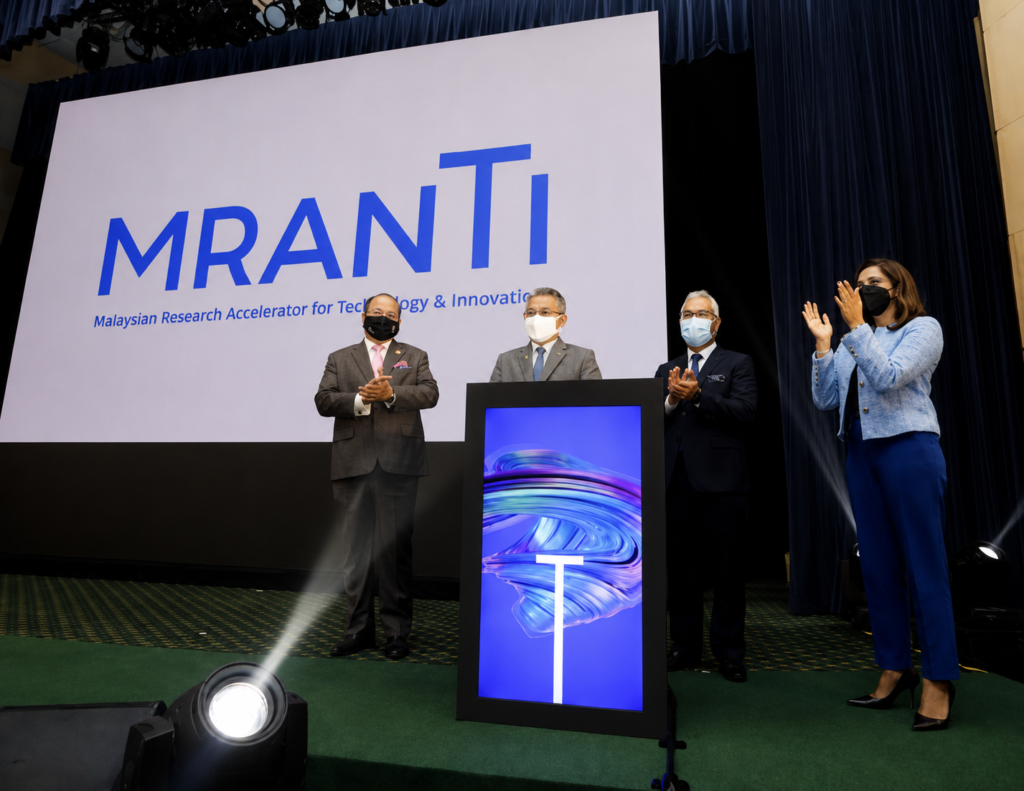
Ceremonial inauguration of the Malaysian Research Accelerator for Technology and Innovation (MRANTI) in November 2021. MRANTI is the equivalent of the European Innovation Council (EIC), a Europe-wide agency that helps regional startups expand globally. This is something that Southeast Asia lacks, with direct EIC equivalents only existing in Malaysia, Singapore, Thailand and Vietnam, with many being fragmented. (Malaysian Global Innovation and Creativity Centre)
Despite all that promise of collaboration, real engagement remains thin. Chung admits that startup-level cooperation between South Korea and Southeast Asia has barely begun. He has only seen a few Korean startups establish themselves in the region, opting to simply export their products instead. This year’s NextRise startup expo illustrates the imbalance. Its Southeast Asian presence is still small and, in his words, not yet well known across the region. This November, he plans to court Southeast Asian embassies in Seoul to widen the door.
The deeper problem is not distance or interest but legibility. Korean companies, Chung says, struggle to differentiate one Southeast Asian market from another. Eleven member states, each with its own sometimes vastly different rules, incentives and strengths, blur into a single undifferentiated idea of “Southeast Asia”. From Seoul, it is hard to see where one country’s advantage ends and the next begins. The structures exist in each capital, he notes, but finding them takes research and time that a lean startup rarely has.
What he wishes for is a front door, something like the European Innovation Council, that could match a foreign company to the right partner in the right country. Europe, in his telling, is easy to enter because it is easy to read. Southeast Asia is not, but it is not due to a lack of opportunity, rather it has never organised its opportunity into a form outsiders can navigate.
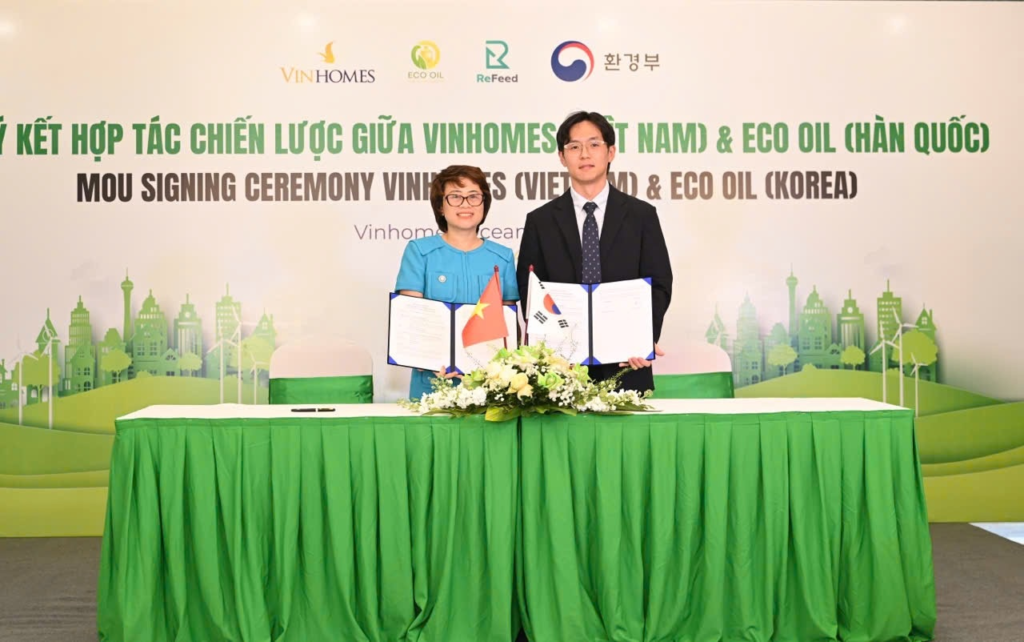
ReFeed and Vinhomes MoU signing ceremony for the Smart City Project in Vietnam in November 2024. Korean startup ReFeed established its main operation in Vietnam instead of South Korea to great success. (ReFeed)
Where firms do commit, there are real benefits to reap. ReFeed, a Korean startup that turns used cooking oil into traceable data for sustainable fuel, chose Vietnam over its home market and now runs a larger operation there, with 30 staff against 13 in South Korea, with plans to push on into Brunei and Malaysia. Its playbook was to pick one market and go deep, something that is precisely what most Korean companies do not do.
Building the Front Door
Chung is careful to frame his views as his own, not the verdict of South Korea’s whole startup ecosystem as he moved to the world of Korean startups only recently, after years on Korea-US and Korea-EU affairs. But his diagnosis is clear enough. The demand from South Korea is arriving. Whether Southeast Asia could capture the opportunity depends on if the region can make itself legible, with clearer differentiation between markets, a coordinating body that can steer partners to the right country and a way in that does not demand months of groundwork to find.
There is reason for optimism as South Korea is actively diversifying away from its dependence on the two great powers, with Chung expecting that trade, investment, human and cultural exchange with Southeast Asia to rise sharply. The trade association’s chair has named new markets and emerging industries among its priorities for the year. For Chung, the window is open.
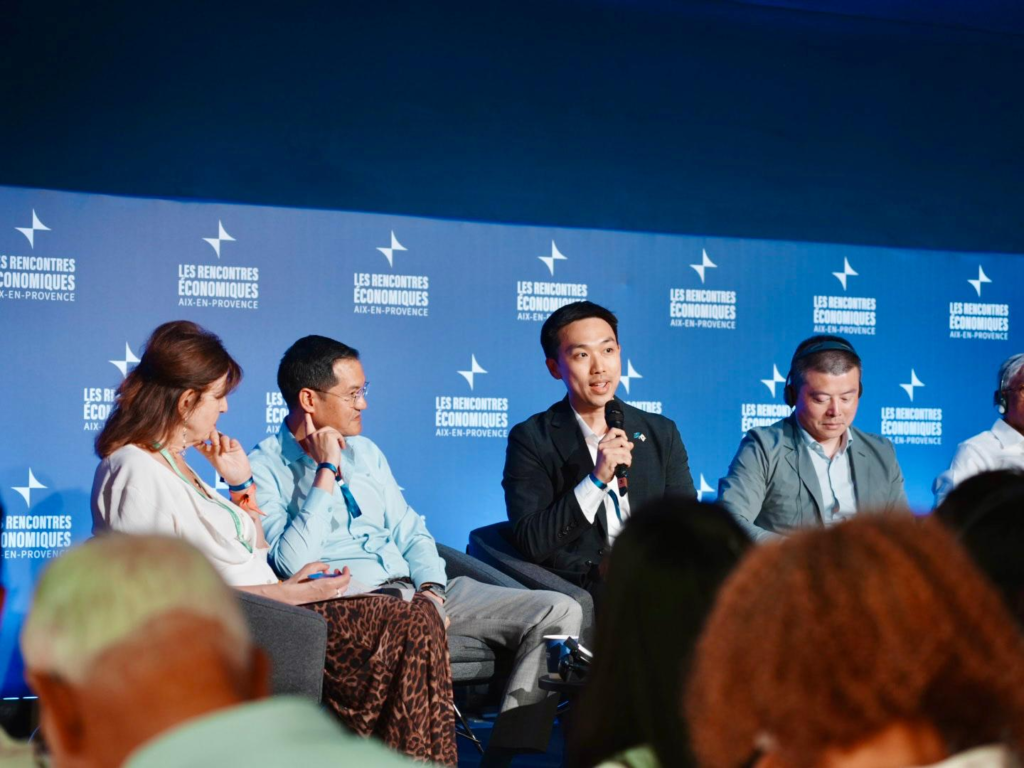
Yejoon Chung speaking at a panel on Asia during Les Rencontres Économiques d’Aix-en-Provence in France in July 2026, where SEA Daily talked to him. (Les Rencontres Économiques d’Aix-en-Provence)
The paradox is that the man making the case for a South Korea-Southeast Asia partnership is making it from the heart of Europe. South Korea has learned to read Europe, but it is still looking for the map of Southeast Asia. Until someone draws one, the opportunity Chung describes will remain real, mutual, but largely unrealised.
About The Author