

Department of Statistics Malaysia (DOSM) building. (DOSM)
Malaysia’s economy expanded 5.8% year-on-year in the second quarter of 2026, accelerating from 5.4% in the first quarter and outpacing market expectations, according to advance estimates released by the Department of Statistics Malaysia (DOSM) on July 17.
The reading beat the 5.2% median forecast in a Bloomberg survey of economists, several of whom had expected growth to moderate toward 4.8% to 5.0%. It extended a run of forecast-beating quarters, defying a global backdrop shaped by the prolonged conflict involving the US, Israel and Iran, fears over disruption to the Strait of Hormuz and elevated energy prices.
Malaysian Economy Minister Datuk Seri Akmal Nasrullah Mohd Nasir said the result showed the economy “remains strong and resilient” and credited government intervention for cushioning the shock. “It also indicates that the interventions we have implemented have helped ease concerns and significantly mitigate disruptions to economic activity,” he said, while cautioning against complacency and stressing that the gains must reach small traders and entrepreneurs. Official figures will be announced by the DOSM in August.
Prime Minister Datuk Seri Anwar Ibrahim, who is also Finance Minister, welcomed the data, offering thanks and pointing to a cooling inflation rate alongside the stronger growth.
The expansion was seen in almost every sector. Services, the largest part of the economy, remained the principal engine. Manufacturing accelerated to 7.5% from 5.9% in the first quarter, driven by electrical, electronic and optical products and petroleum output, as a surge in semiconductor and artificial-intelligence-linked investment continued to feed export demand. The mining sector rebounded to 10.2%, and construction extended its run of growth.
Agriculture was the only laggard in the list, contracting 3.7% after 2.6% growth in the first quarter, affected by weaker oil palm and fishing output.
On a quarter-on-quarter basis, the economy grew 1.7%, contrasting a 4.4% decline in the first quarter. For the first half of 2026 as a whole, growth reached 5.6%, up from 4.5% in the same period last year. Inflation eased to 1.9% in June from 2.0% in May, with the moderation led by the transport component, as fuel subsidies continued to blunt the effects of higher global crude prices.
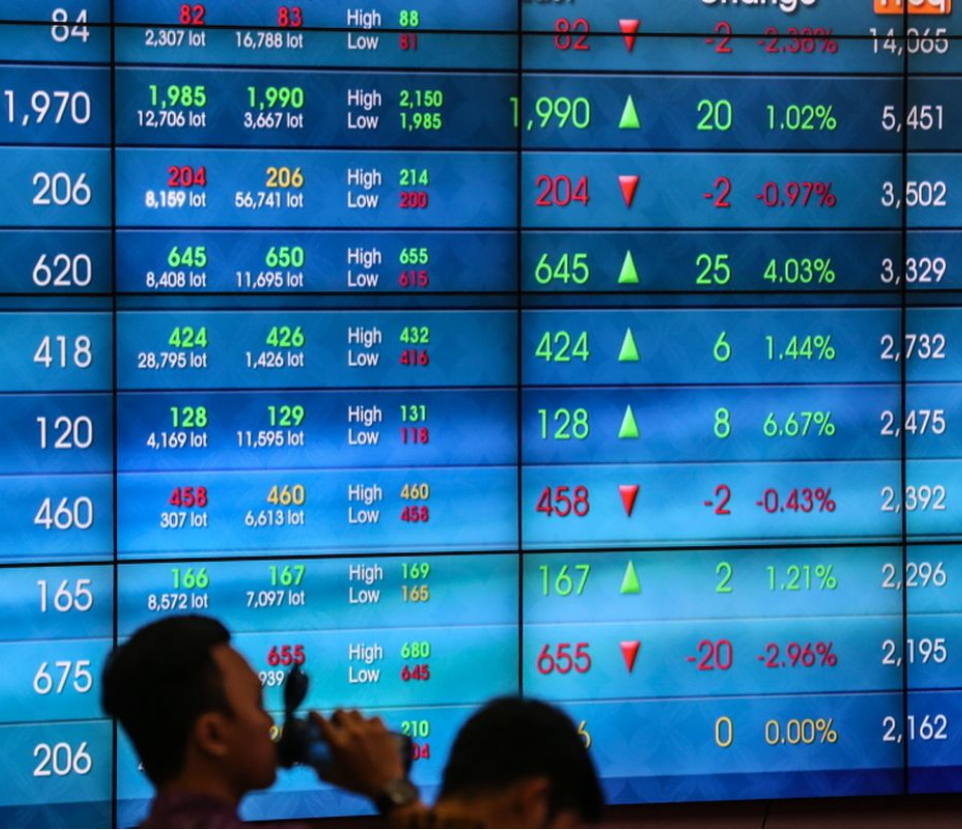
Malaysia’s economic growth is announced alongside stronger-than-expected second-quarter readings from Singapore and Vietnam, adding to evidence that Southeast Asia’s export-driven economies are absorbing the energy shock better than feared. Malaysia’s stock market closed higher on the day, lifted by the data and renewed foreign fund inflows.
What does this mean for business?
The headline number confirms Malaysia as one of Southeast Asia’s most dependable growth stories, and the composition explains why. The engine is the electrical and electronics complex, now supercharged by semiconductor and artificial intelligence (AI)-related capital flowing into the region, which is translating directly into manufacturing and export strength. For firms in the data-centre, chip and logistics supply chains, the read-through is a domestic market with genuine momentum and policy attention behind it.
However, there are caveats to this optimism. First, the resilience is partly bought as fuel subsidies are holding inflation down, but at a fiscal cost that becomes harder to carry the longer energy prices stay elevated and any future rationalisation would feed straight through to prices. Second, this is an advance estimate built on two months of hard data and subject to revision when DOSM publishes actual figures in August. The agriculture contraction, concentrated in oil palm, is a reminder that commodity-exposed segments remain vulnerable even as the tech-linked economy powers ahead.
Kala Advisory helps investors read resilience stories like these, and the risks beneath them, before committing capital across Southeast Asia. Visit kala-advisory.com.
About The Author



2 thoughts on “Malaysia’s Q2 GDP Advance Estimate Beats Forecasts With 5.8% Growth”