

Myanmar has entered a new chapter in its civil war. Since the military coup in February 2021, Myanmar’s armed forces, or known locally as the Tatmadaw, has faced sustained armed resistance across the country, triggering a civil war that has claimed the lives of over 100,000 people and displaced millions more.
Author: Flint Tendy

Southeast Asia Is Not In The World Cup, But It’s Not A Talent Problem
As the world’s attention is currently fixed to the largest ever FIFA World Cup tournament in history where 48 national teams are competing, Southeast Asia is also watching closely. The region is home to one of the biggest fanbases in the world, hosting about 300 million people or roughly 10% of the world’s football supporters.
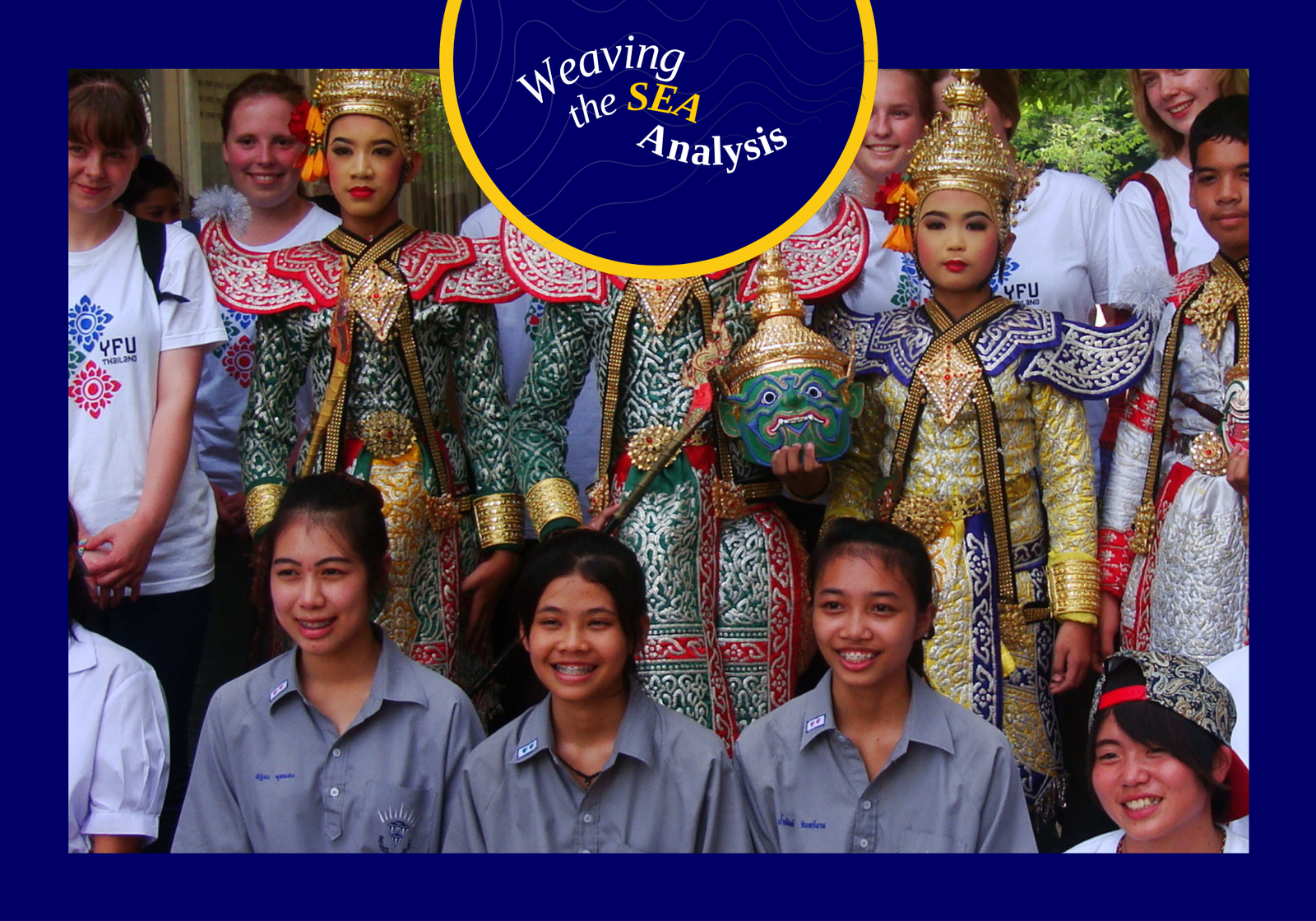
From Classrooms to Screens: How Indonesia and Thailand Are Taking Their Languages Global
The past few decades has seen the surge of fame of several Asian languages, particularly Korean, Chinese and Japanese. Once largely confined only to their respective borders and mainly used as a tool of nation-building, they are now studied all around the globe in schools and universities as well as language institutions. This trend can be attributed to the shifting of the world’s economic and geopolitics hotspot to the Indo-Pacific region, as well as the growing global appeal of East Asian cultural exports ranging from K-Pop to anime.