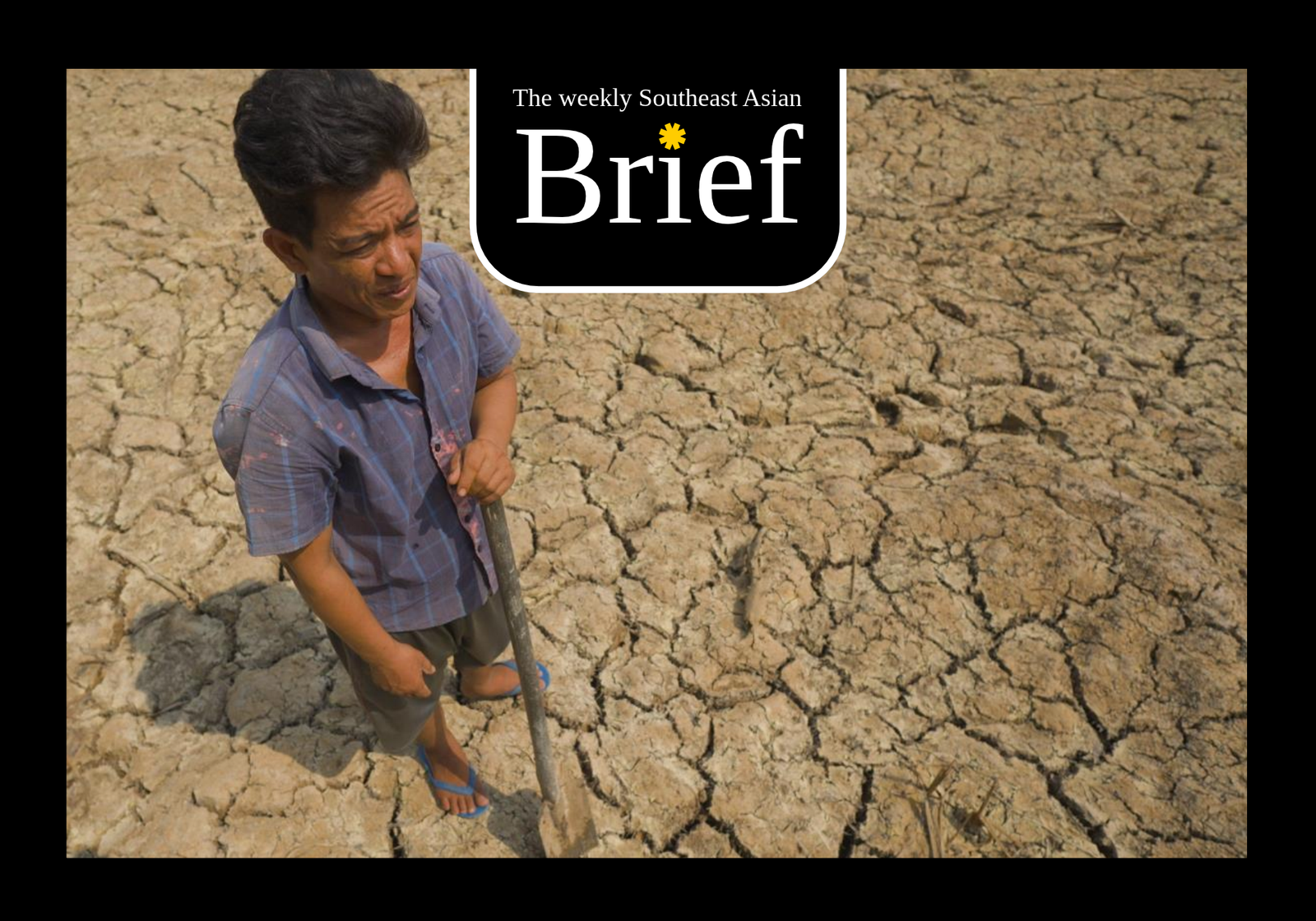
Drought brought by the El Niño phenomenon. (FAO)
By the end of 2026, the Philippines is bracing for a potentially very strong El Niño, with conditions expected to persist into early 2027. While the climate phenomenon threatens agriculture, water supplies and energy security, its wider economic consequences may prove equally significant, as inflation and higher fuel costs place pressure on households and businesses.
The Philippine Atmospheric, Geophysical and Astronomical Services Administration (PAGASA) has warned that the climate pattern, characterised by unusually warm sea temperature in the central and eastern equatorial Pacific, could bring below-normal rainfall and higher temperature, increasing the risk of drought and water availability nationwide.
Agriculture is among the most exposed sectors to prolonged dry conditions. The rice and corn production, which are among the Philippines’ top imported agricultural commodities, could be affected by disrupted planting schedules, reduced crop yields and higher irrigation costs, particularly in areas dependent on rainfall or vulnerable water systems. Lower harvests could constrain domestic food supplies and weaken farmers’ incomes, while food processors and other businesses reliant on agricultural commodities could face higher costs.
Moreover, water and energy supplies could also come under pressure. During the 2019 El Niño, Angat Dam, a major source of Metro Manila’s water supply, fell below its critical operating level of 160 metres in June, prompting water interruptions lasting up to 12-17 hours in parts of the capital’s service area. The episode demonstrated how prolonged dry conditions can disrupt households and affect everyday lives. Another extended drought could place pressure on reservoirs and water distribution systems, while higher temperatures increase electricity demand for cooling. Reduced water availability could also curtail hydropower generation in affected areas, depending on reservoir conditions and the availability of alternative energy sources.
The economic risks are compounded by rising production and transport costs. The higher global oil prices can increase the expense of moving agricultural goods, operating irrigation equipment and distributing food, adding to the effects of reduced harvests. If domestic production continues to weaken while fuel and transport costs remain elevated, consumers could face higher prices at a time when household budgets are already overburdened.
The Philippine Statistics Authority (PSA) reported that headline inflation accelerated to 7.2% in September 2026, from 6.1% in August. While food inflation rose to 6.8% from 4.6% and rice prices increased by 20.3% year on year. These statistics explain existing adversity on food affordability before the full effects of the forecast El Niño are known.
If drought reduces harvests while fuel prices increase production expenses, the Philippines could face both cost-push inflation and supply-side constraints. This usually occurs when businesses pass higher operating costs on to consumers, while the latter arises when reduced output limits the availability of goods. Lower-income households would be vulnerable as food and utility costs absorb more of their budgets. However, the scale of any additional inflation would depend on actual crop losses, import availability and government involvement.
The consequences could extend across Southeast Asia, where agricultural production and food trade connect regional economies. The 2023-2024 El Niño raised concerns about drought and agricultural losses in several countries, highlighting the region’s exposure to changing rainfall patterns. If many producing countries experience weaker harvests simultaneously, agricultural commodities could become more expensive and imports become harder to secure. For the Philippines, reliance on overseas supplies may offer less protection if regional exporters also face production constraints.
These risks could also change business decisions. Agriculture, food manufacturing and other water-intensive industries may need to invest in water-efficient operations, diversify suppliers and strengthen inventory planning to reduce their exposure to climate disruptions. Although these measures may increase costs in the short term, they could help businesses maintain production and supply chain during El Niño.
Looking ahead, the Philippine government may face greater pressure to support farmers and protect food security through improved irrigation, drought-resistant crops, financial assistance and closer monitoring of food stocks. At the regional level, ASEAN members could strengthen information-sharing on agricultural forecasts, coordinate responses to supply disruptions and diversify sources of essential commodities.
The looming El Niño will test the Philippine government’s ability to prepare for a climate shock with wider economic consequences. While monetary policy can help manage inflation, it cannot restore failed harvests or resolve shortages in water supplies. Sustained investment in irrigation, agricultural resilience and food distribution will therefore be essential to limit price pressures and protect vulnerable households. Without early and coordinated action, the costs of another prolonged drought could extend well beyond agriculture, making an already difficult inflation environment harder to manage.
About The Author