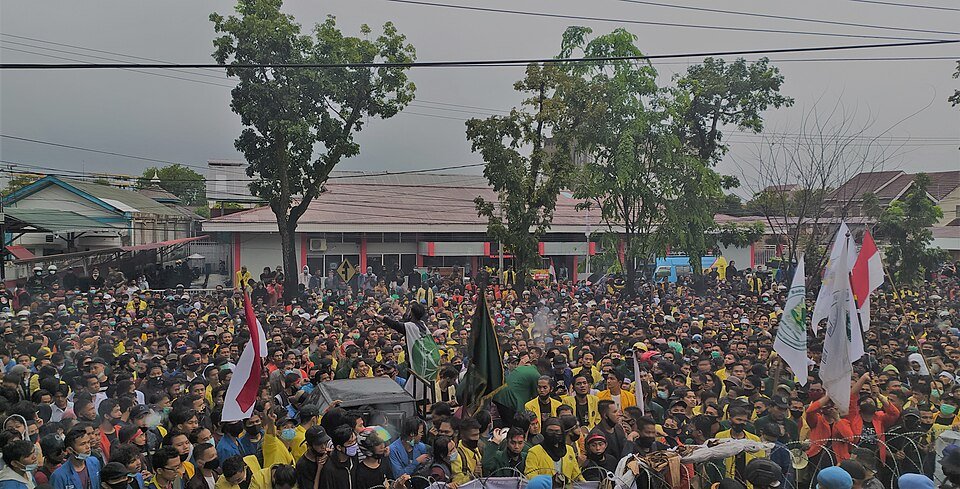
Demonstrators gather during protests in Indonesia. (Wikimedia)
On August 18, Students from University of Indonesia (UI) and members of the National Student Front (FMN) staged a demonstration in Jakarta, four days after Indonesian President Prabowo Subianto outlined an agenda centred on economic self-reliance, stronger state intervention and national resilience in his State of the Nation Address (SONA).
The protesters sought to march towards the Hotel Indonesia (HI) Roundabout but were stopped by a police barricade about one kilometre from their destination. Student representatives negotiated with police, while security forces maintained a line preventing the group from reaching the roundabout. More than 9,000 police and military personnel were deployed across Jakarta to secure demonstrations and other public activities.
The students presented eight demands covering corruption, agrarian reform, the cost of basic goods and fuel, regional autonomy, disaster response and the role of security forces in civilian affairs. They also called for the termination of the Free Nutritious Meals (MBG) and Red-and-White Village Cooperatives programmes, both of which Prabowo highlighted as key achievements of his administration.
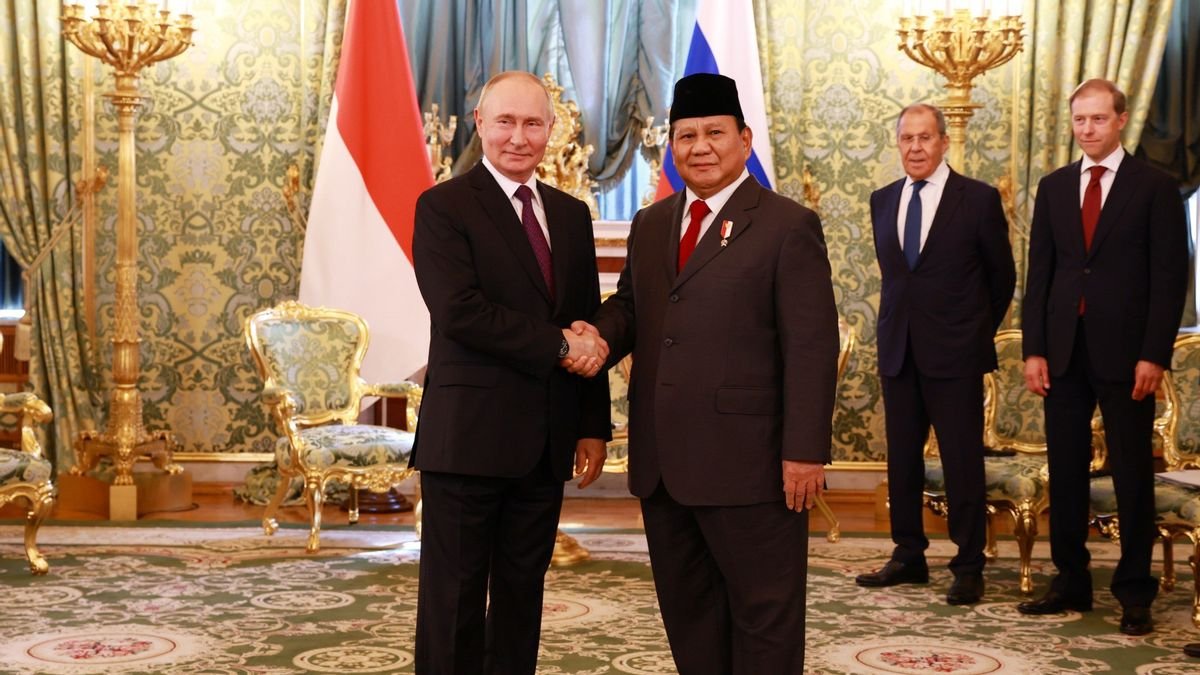
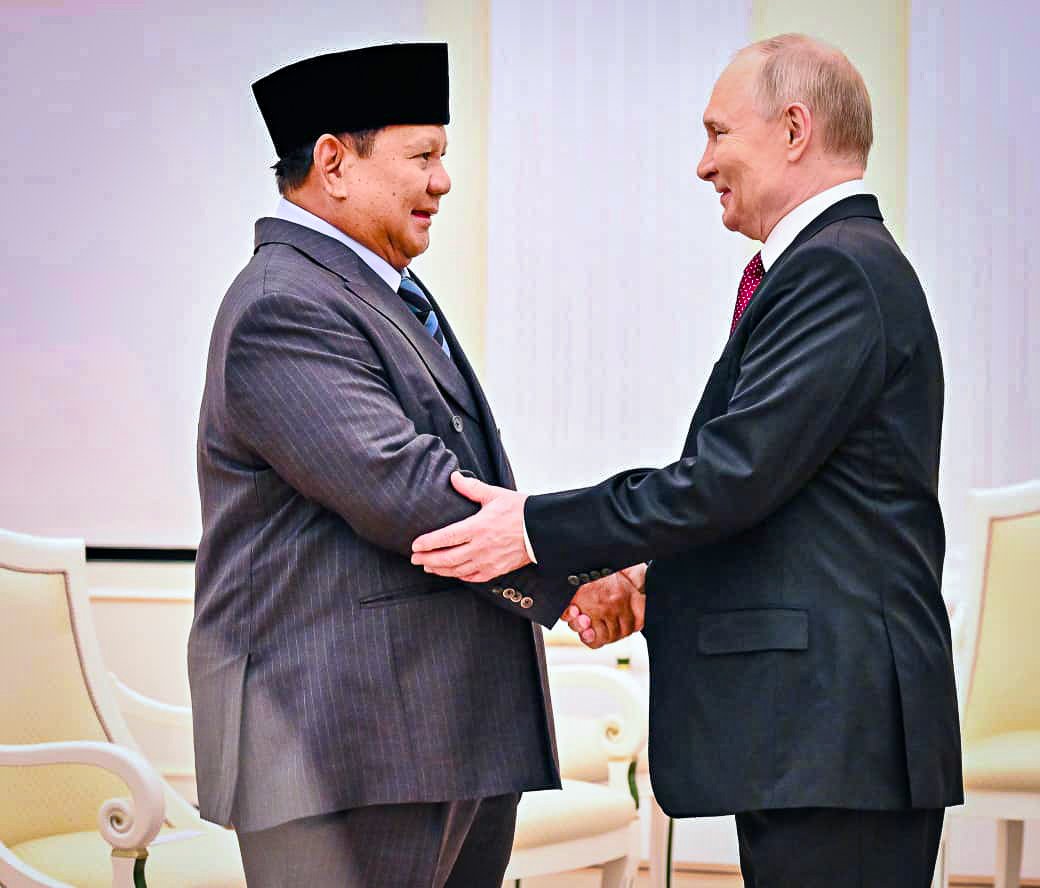
The timing of the protest creates a direct political contrast with Prabowo’s recent state address. The president presented MBG and village cooperatives as part of a broader effort to strengthen domestic welfare and economic resilience, while also outlining priorities covering food and energy self-sufficiency, industrialisation, infrastructure and stronger state capacity.
Student groups, however, argued that these policies reflected a broader concentration of state power. The Student Executive Board (BEM) of UI said the eight demands were interconnected and reflected concerns that the state was becoming stronger while citizens were becoming weaker. They also criticised cuts to regional transfers and called for the restoration of regional autonomy.
Their final demand called for an end to what they described as repression and TNI-Police intervention in civilian space, alongside the dissolution of Territorial Development Infantry Battalions (YON-TP). The demonstration also echoed a similar UI protest two months earlier, when students were again blocked by TNI and police while attempting to reach the HI Roundabout.
The protests have added to public discussion surrounding President Prabowo’s national resilience agenda, particularly the balance between stronger state capacity and civilian oversight. Following similar demonstrations in 2025 over economic policies and the role of security institutions, the latest action reflects continued debate over government policy, regional autonomy and institutional accountability.
About The Author