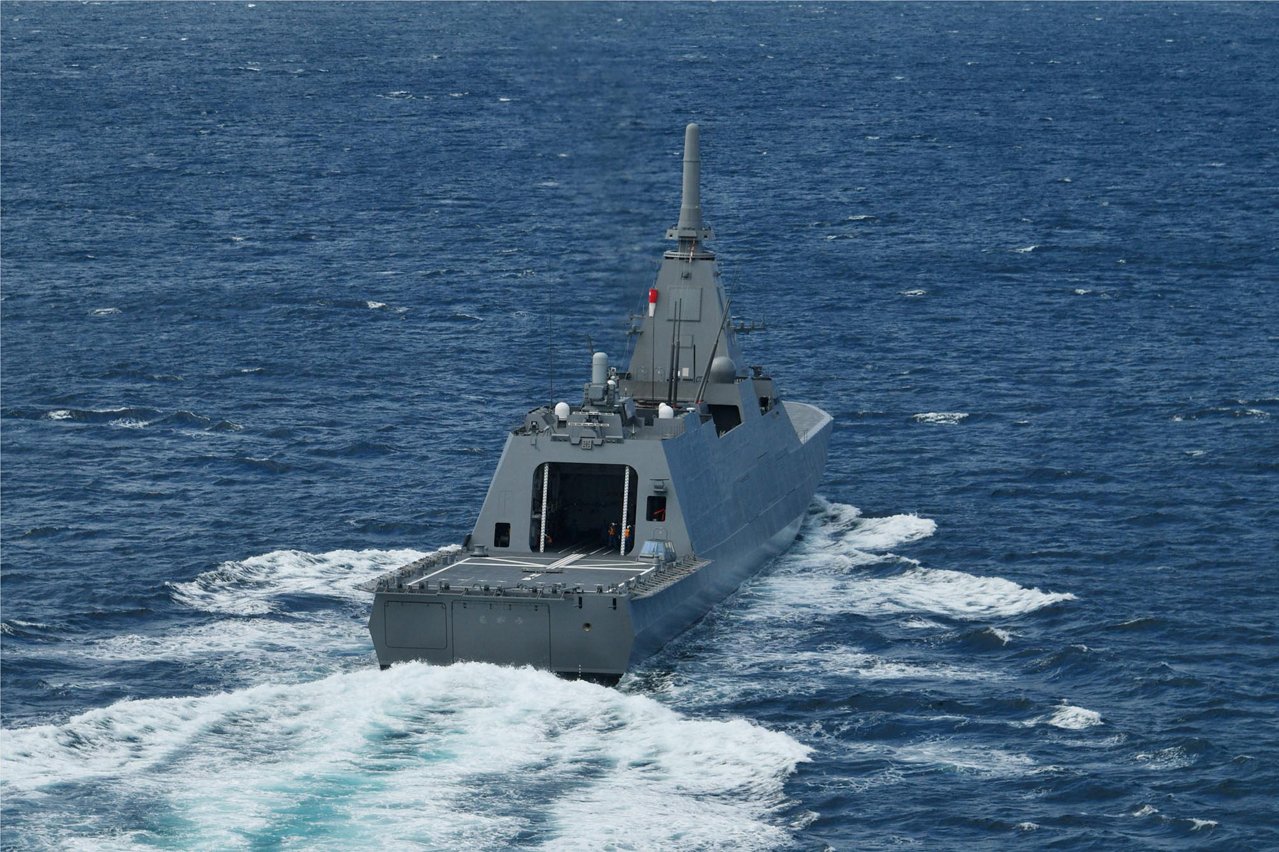
Japan’s first Mogami‑class multi‑purpose frigate, Mogami, showcased as part of its advanced naval capabilities, has been offered to Indonesia as a potential addition to strengthen maritime security and defense cooperation. (Japan Ministry of Defense)
Japanese Defence Minister Shinjiro Koizumi and Indonesian Defence Minister Sjafrie Sjamsoeddin, unveiled a new defence policy framework on June 12, signalling a strategic shift intended at bilateral defence ties and maritime security.
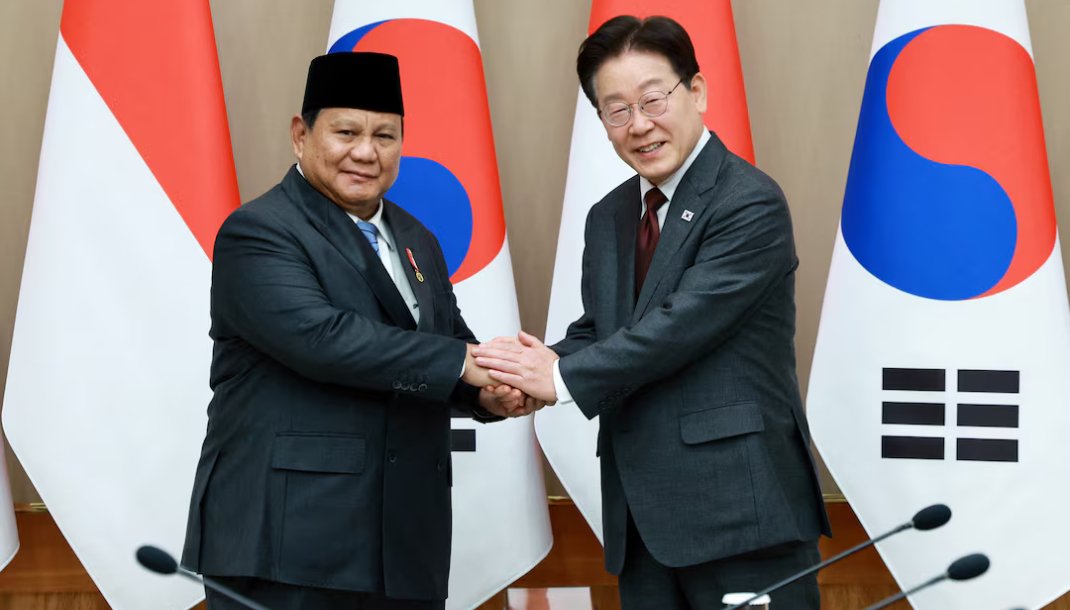
On that occasion, the two defence ministers were hosted at the residence of Indonesian President Prabowo Subianto in Kertanegara. The president welcomed the close cooperation between the two countries. At Kertanegara, Koizumi presented a souvenir to the president.
Officials confirmed that the Japan–Indonesia Defense Cooperation Arrangement—signed in May 2026—will be strengthened to foster interoperability and strengthen deterrence. The framework outlines priorities in maritime security, defence education and intelligence sharing.
Both ministers emphasised the mutually beneficial nature of the agreement, underscoring it as a manifestation of both administrations’ commitment to regional security, cooperation and professionalism. The meeting also includes the transfer of equipment, particularly the provision of an Asagiri-class destroyer.
To guarantee maritime security, both countries are ready to publish the cooperation agendas, such as classified information sharing, usage of ports and launching joint logistical services. Jakarta and Tokyo also assured technical knowledge transfer, operational training and long-term maintenance.
This cooperation signals Indonesia’s convergence of defence cooperation expansion with foreign policy ambitions, reflecting a shared vision, and underscores how Japan is willing to assist the balancing process against maritime threats. Moreover, this deepening of cooperation signals Indonesia’s defence partners’ diversification. In hindsight, this may be seen as a way to counterbalance China’s assertiveness in Indonesia’s upstream maritime areas, such as the North Natuna Sea.
Japan, for its part, has shown a clear role in maintaining an active role, particularly balancing effort, aligned with its agenda to expand its security footprint as precisely put within the Free and Open Indo-Pacific framework.
About The Author