

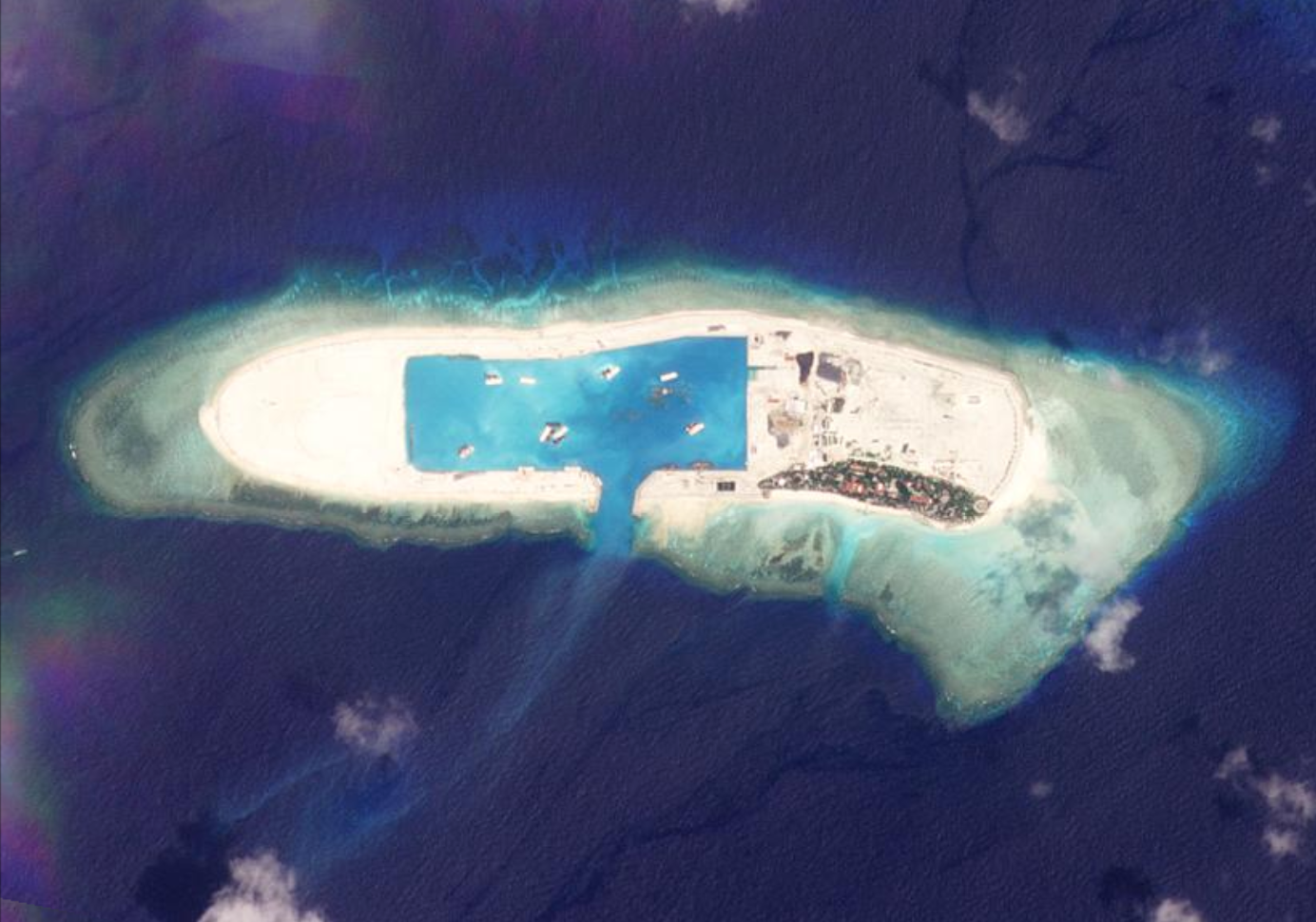
Koh Kut Island, which has become the flashpoint of the recent tension between Cambodia and Thailand (Wikimedia)
On May 5, Thailand cancelled the 2001 Memorandum of Understanding (MoU 44) on maritime boundary. This move has reignited tensions with Cambodia over the Overlapping Claims Area (OCA).
Thai Deputy Prime Minister and Minister of Foreign Affairs Sihasak Phuangketkeow claimed that Bangkok refused to negotiate based on the MoU map templates (which mapped out the 26,000-square-kilometre overlapping sea zone claimed by both countries). He stressed that the demarcation line must refer to the United Nations Convention on the Law of the Sea (UNCLOS), emphasising, “negotiations under UNCLOS are a good approach and avoid wasting time, although it is still too early to conclude which mechanism will ultimately be used”.
One of the most consequential geopolitical flashpoints is Koh Kut island, whose status has been largely affected by the MoU’s termination. Located in Thai Trat province, approximately 32 kilometres from the Cambodian coastline, Koh Kut is the fourth-largest island and possesses significant tourism, energy and resource potential. Cambodia claims the island as its own, citing the 1907 Franco-Siamese treaty, while Thailand affirms ownership under the same treaty, making the island a symbol of contested overlapping interpretations.
In response to the unilateral termination, Cambodia ardently rejected this notion by submitting a protest to Thailand. Phnom Penh emphasised reliance on international law and pressed for a consideration of bilateral agreements on the MoU 2000, which governs land boundary survey and demarcation under the Franco-Siamese Treaty of 1904 and 1907. Furthermore, Cambodia highlights the Master Plan of 2003 (TOR 2003) as its operational roadmap, along with the jurisdiction of the Joint Boundary Commission (JBC). Phnom Penh regards this commission as a holistic framework grounded on prior agreements.
Pen Bona, Spokesperson for the Cambodian government, confirmed the country’s objection at a briefing on May 14, noting that Phnom Penh had protested Thailand’s inclusion of Ta Moan Temple, Ta Krabey Temple, Khnar Temple and other ancient sites in its National Register of Ancient Sites.
Prime Minister Hun Manet reaffirmed Cambodia’s position on May 12, stating, “if that mechanism had remained in place, negotiations could have continued. But now that the door has been closed unilaterally, Cambodia must resort to the Compulsory Conciliation mechanism under the UNCLOS in order to pursue a dignified and just settlement”.
The prolonged dispute underlines the fragile state of Cambodia-Thailand relations and raises concerns over regional stability. Ironically, during the ASEAN Summit, both agreed to continue resorting to diplomatic mechanisms. By invoking international legal frameworks, it is immediately apparent that both Bangkok and Phnom Penh are using these instruments not only to defend their positions but also to reinforce territorial claims amid the ongoing tension.
About The Author

2 thoughts on “Thailand voids MoU 44 maritime pact, Cambodia lodges protests”