La Mode en Majesté: Royal Thai Dress from Tradition to Modernity held at Musée des Arts Décoratifs in Paris (TAT Newsroom)
On May 25, a major exhibition celebrating the evolution of Thai royal dress and textile artistry has opened at the Musée des Arts Décoratifs in Paris, highlighting Thailand’s cultural heritage and contemporary fashion push on the international stage.
The exhibition, La Mode en Majesté: Royal Thai Dress from Tradition to Modernity, was officially inaugurated by Her Royal Highness Princess Sirivannavari Nariratana Rajakanya. The event was attended by senior representatives from Thailand’s tourism sector, including Tourism Authority of Thailand (TAT) Board Chairperson Natthriya Thaweevong, TAT Governor Thapanee Kiatphaibool, and other executives.
Organised through a partnership between the museum, the Queen Sirikit Museum of Textiles, and the Sustainable Arts and Crafts Institute of Thailand, the exhibition marks two significant milestones in Franco-Thai relations: the 340th anniversary of the first diplomatic mission from Siam to France and 170 years of formal diplomatic ties between the two nations.
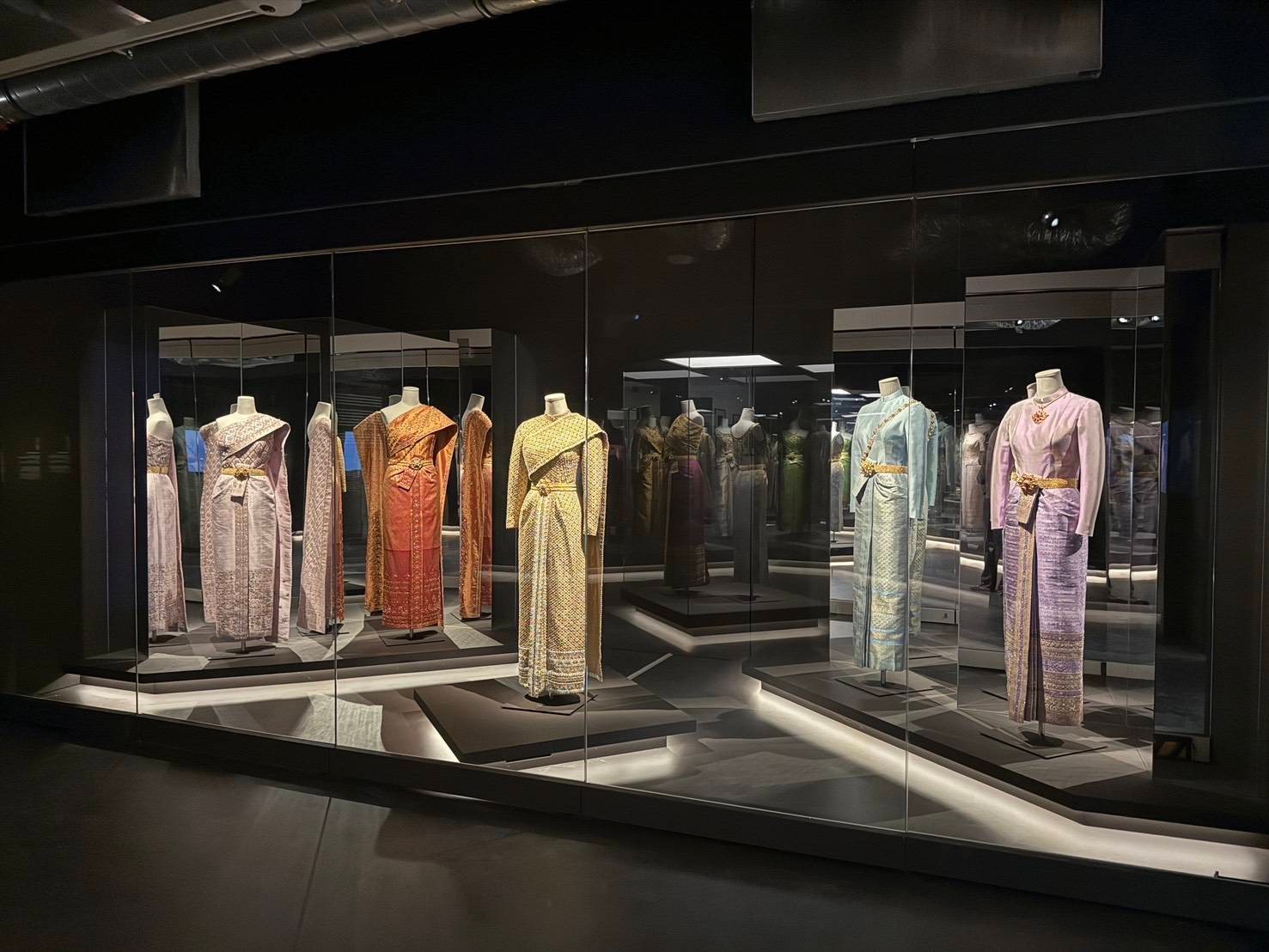
Spread across seven galleries, the exhibition explores the development of Thai fashion from the 1960s to the present day. Visitors can view royal garments, traditional textiles, and examples of fine craftsmanship alongside modern interpretations by leading Thai designers. Highlights include the eight recognised forms of Chud Thai Phra Ratchaniyom, garments associated with Queen Sirikit The Queen Mother, and works connected to Queen Suthida Bajrasudhabimalalakshana and Princess Sirivannavari.
More than 200 contemporary designs are featured, including creations from SIRIVANNAVARI, the fashion label under the Princess’s creative direction. Among the showcased pieces are three specially selected designs that blend traditional Thai influences with modern aesthetics, accompanied by intricate embroidery produced by Sirivannavari Atelier and Academy.
The collection includes a reimagined evening gown inspired by the traditional sabai, a sculptural mudmee silk dress embellished with floral beadwork, and a contemporary interpretation of the historic Raj Pattern ensemble. The exhibition will remain open to the public until November 1, 2026.
About The Author