
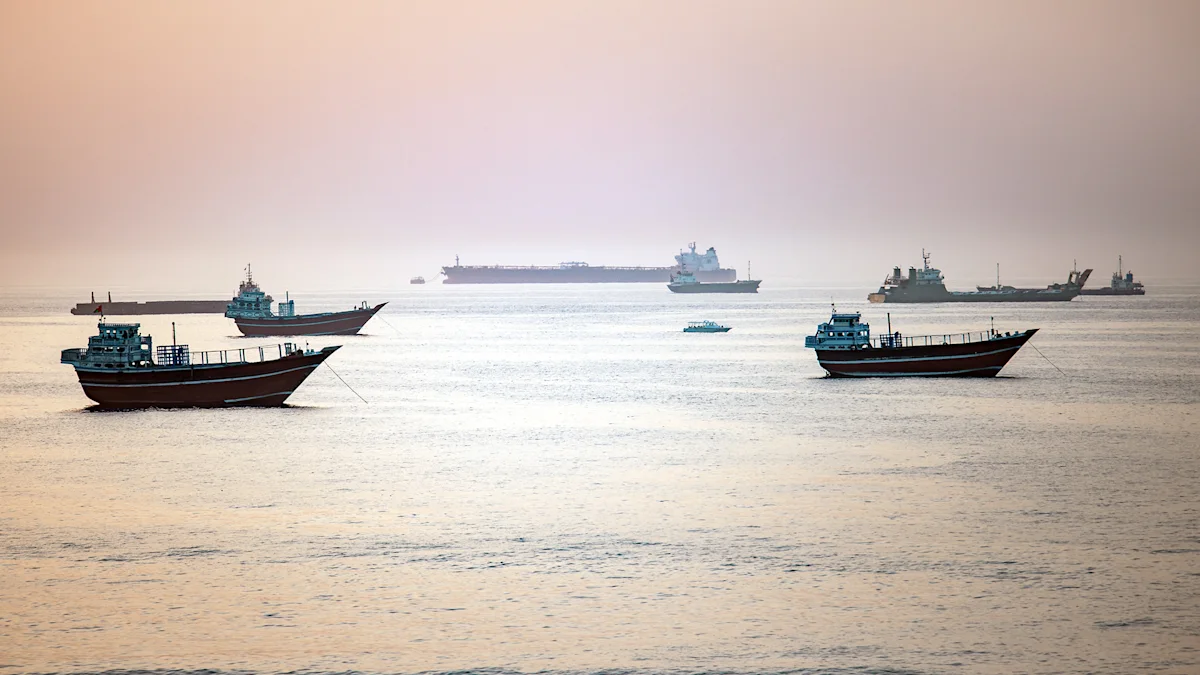
The Singaporean-flagged vessel Ever Lovelywas struck by “an unknown projectile”while transiting near Dahit, Oman, in the Strait of Hormuz on June 25.The projectiles struck the bridge area and windows, but all 21 crew members aboard were safe, with no Singaporean seafarers involved. The vessel sustained minor damage but remained fully operational.
Category: Singapore
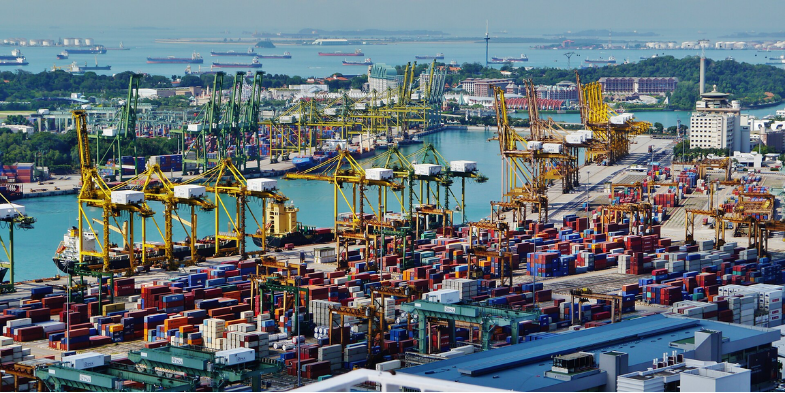
Port of Singapore named world’s top seaport on AFLAS Awards 2026
On June 24, the Port of Singapore has once again secured international recognition after being named Best Global Seaport at the 2026 Asian Freight, Logistics and Supply Chain (AFLAS) Awards. The award ceremony took place in Shanghai, China, marking the fifth occasion that Singapore has received the distinction.
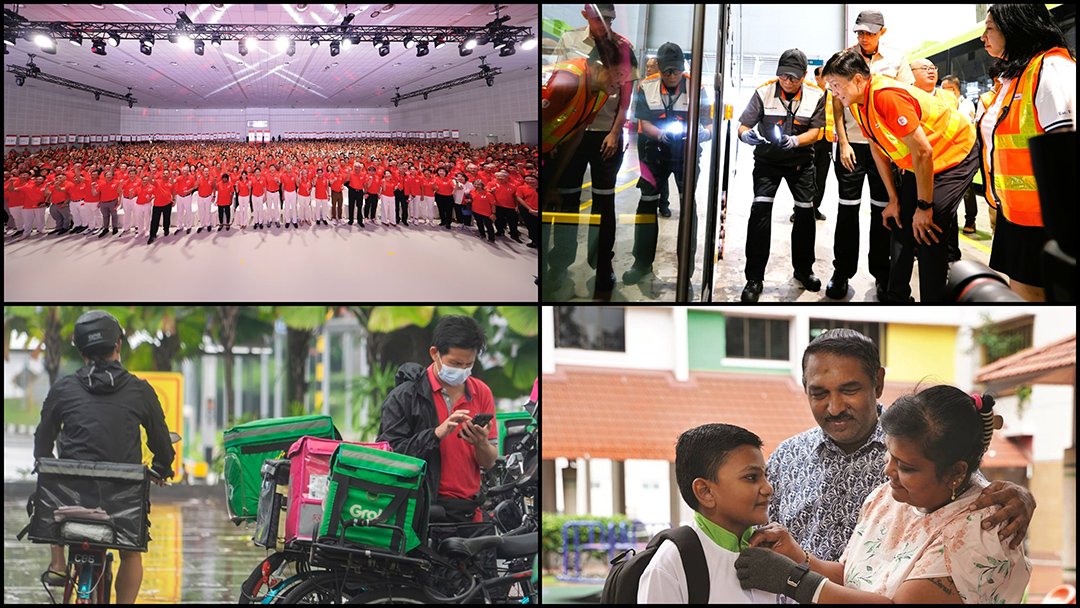
Singapore civil servants to receive mid-year bonus on back of strong Q1 growth
Singapore civil servants will receive a 0.45-month mid-year Annual Variable Component (AVC) bonus, as announced by the Public Service Division (PSD) on June 23. Additional one-off payments of up to 400 million US dollars will be rolled out for junior-grade officers, specifically those in Management Executive (MX) grades equivalent to MX13(I) or below, alongside those under the Operations Support Scheme (OSS).

Singapore eases dialect film restrictions following public feedback over surging demand for Chinese hit ‘Dear You’
Singapore authorities have agreed to accommodate additional screenings for the Chinese global box-office hit, Dear You, which will take place from June 25 to 29.

Manus’ Singapore Connection: China’s New Controls on Overseas Investment
This content is restricted.
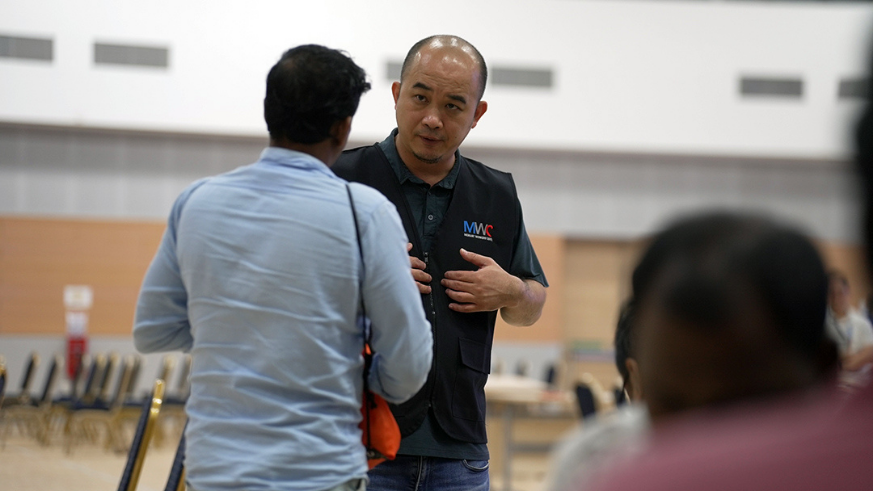
Singapore authorities intervene as over 100 migrant workers claim unpaid wages
On June 22, more than 100 migrant workers converged in front of Singapore’s Ministry of Manpower (MOM) Service Centre, demanding the authorities’ intervention over claims that they have been denied their earnings for at least two months.

London to adopt “Singapore-style” housing model
London’s Mayor Sadiq Khan concluded his Singapore visit on June 16, having attended the World Cities Summit and secured investment planning for house-building.
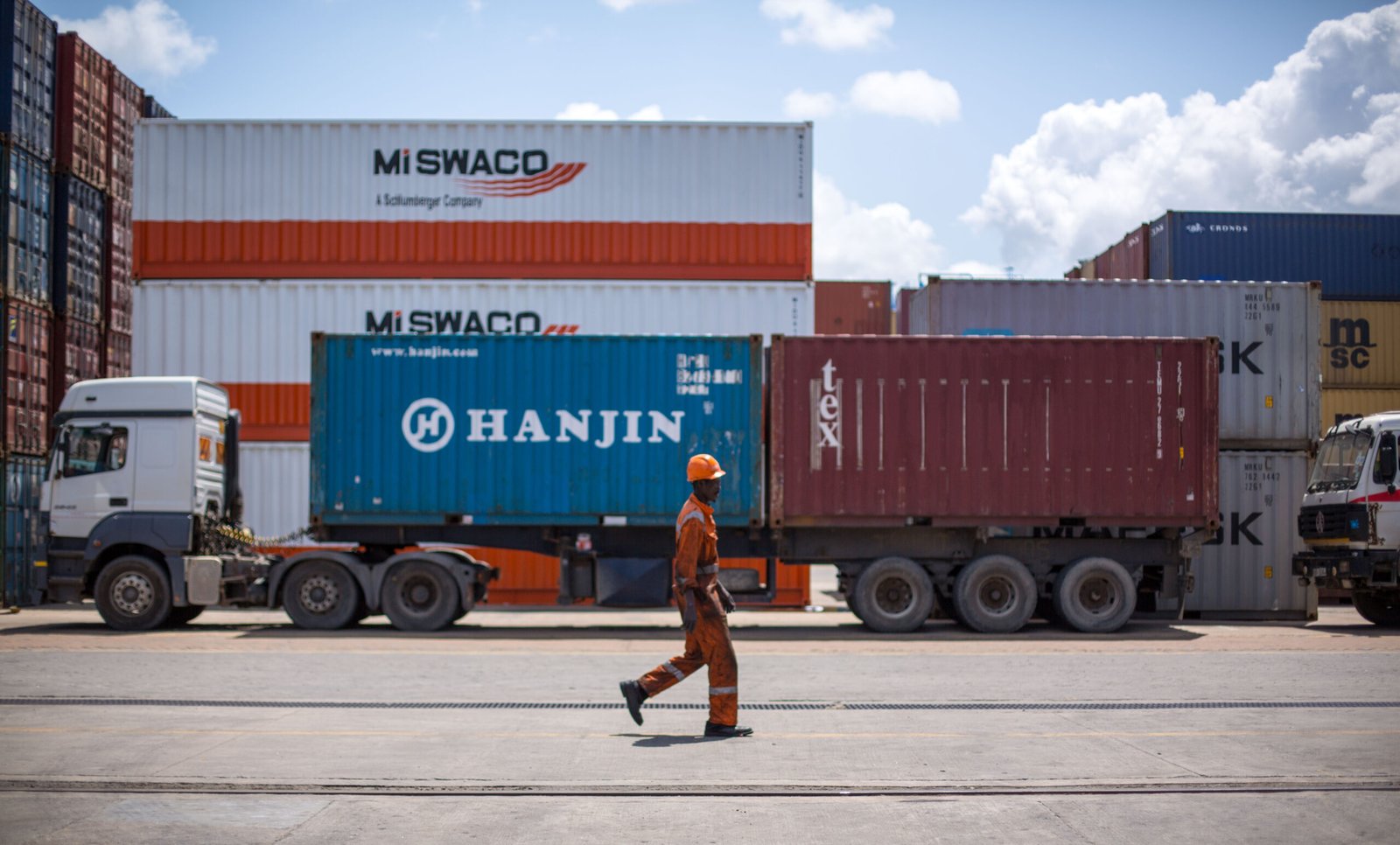
Singaporean President’s Tanzania trip underscores a new phase in bilateral ties
Singaporean President Tharman Shanmugaratnam conducted a formal visit to Tanzania from June 8 to 10, intending to explore new strategic sectors aiming and advance bilateral relations between Singapore and Dar Es Salaam. President Tharman’s visit, which marks the first official SIngaporean visit to Dar Es Salaam, coincided with the 45th anniversary of bilateral ties, underscoring the symbolic and strategic importance of the move.
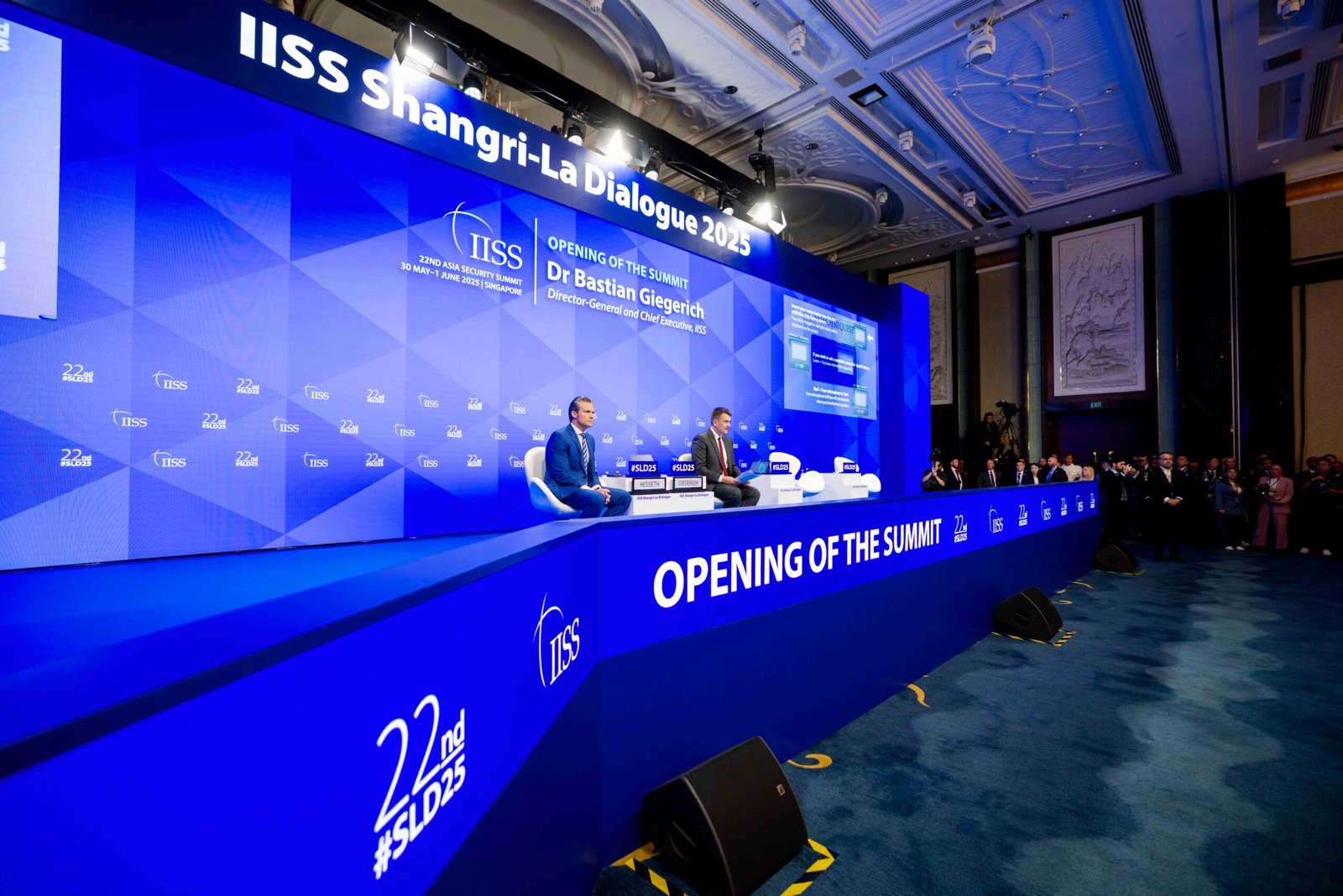
Singapore’s Shangri‑La Dialogue spotlights maritime security amid rule-based order crisis
Singapore is hosting the 2026 Shangri‑La Dialogue 2026 from May 29 to 31, convening high-level representatives from 44 nations around the world to discuss key security issues. Several major themes covered in the dialogue include the international rule-based order, fracturing alliances and contested maritime domains.
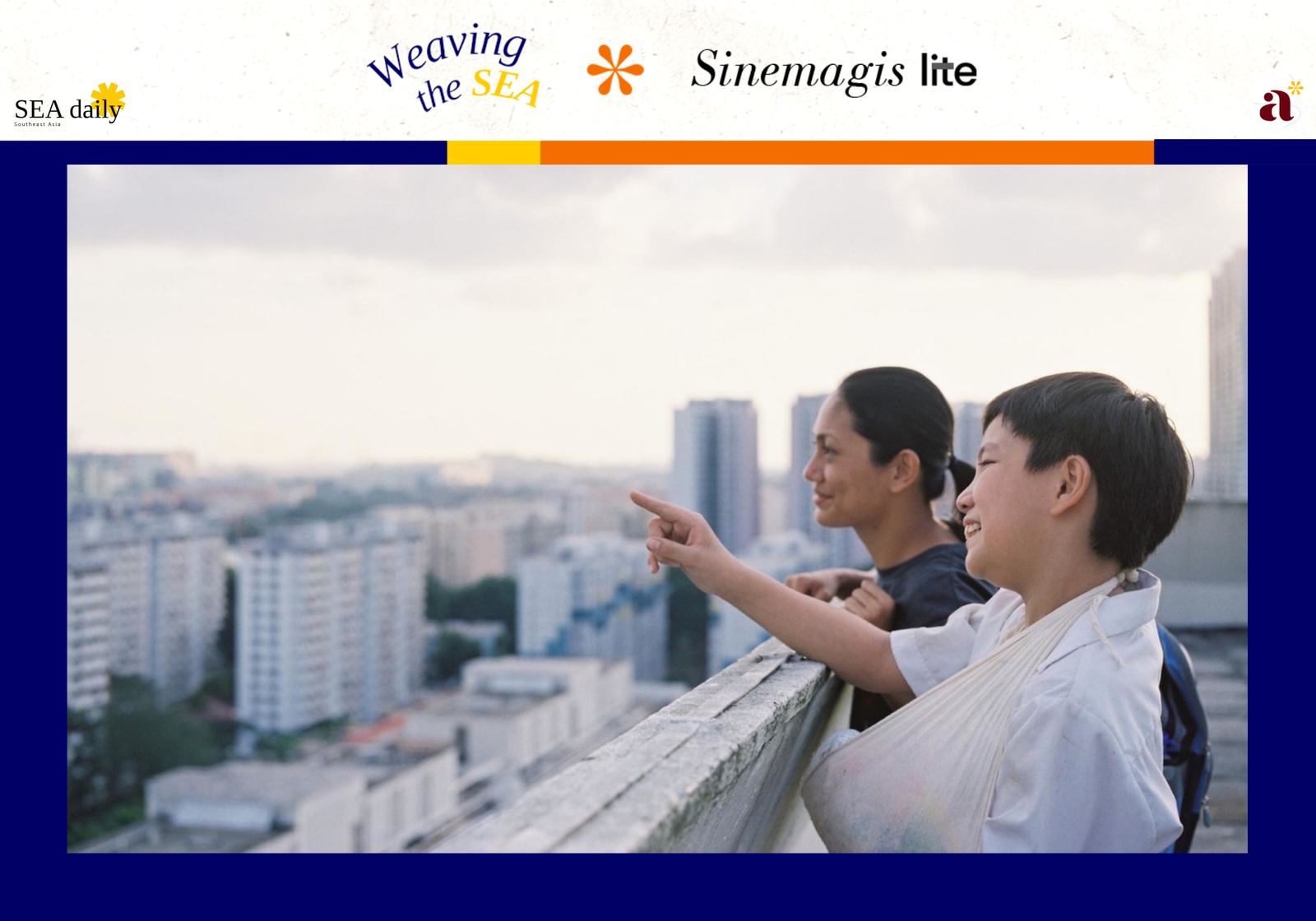
The Bond between A Migrant Domestic Worker and A Kid in Singaporean Film Ilo Ilo
Ilo Ilo is a 2013 Singaporean drama film. It is written and directed by Anthony Chen. In this debut film, Chen explored the relationship between Teresa, a domestic worker; and Jiale, a 10 years old child cared for by Teresa. Ilo Ilo premiered in Cannes Film Festival 2013 and won Camera D’Or. The Award set a new record as the first Singaporean film to win a category in the festival.