
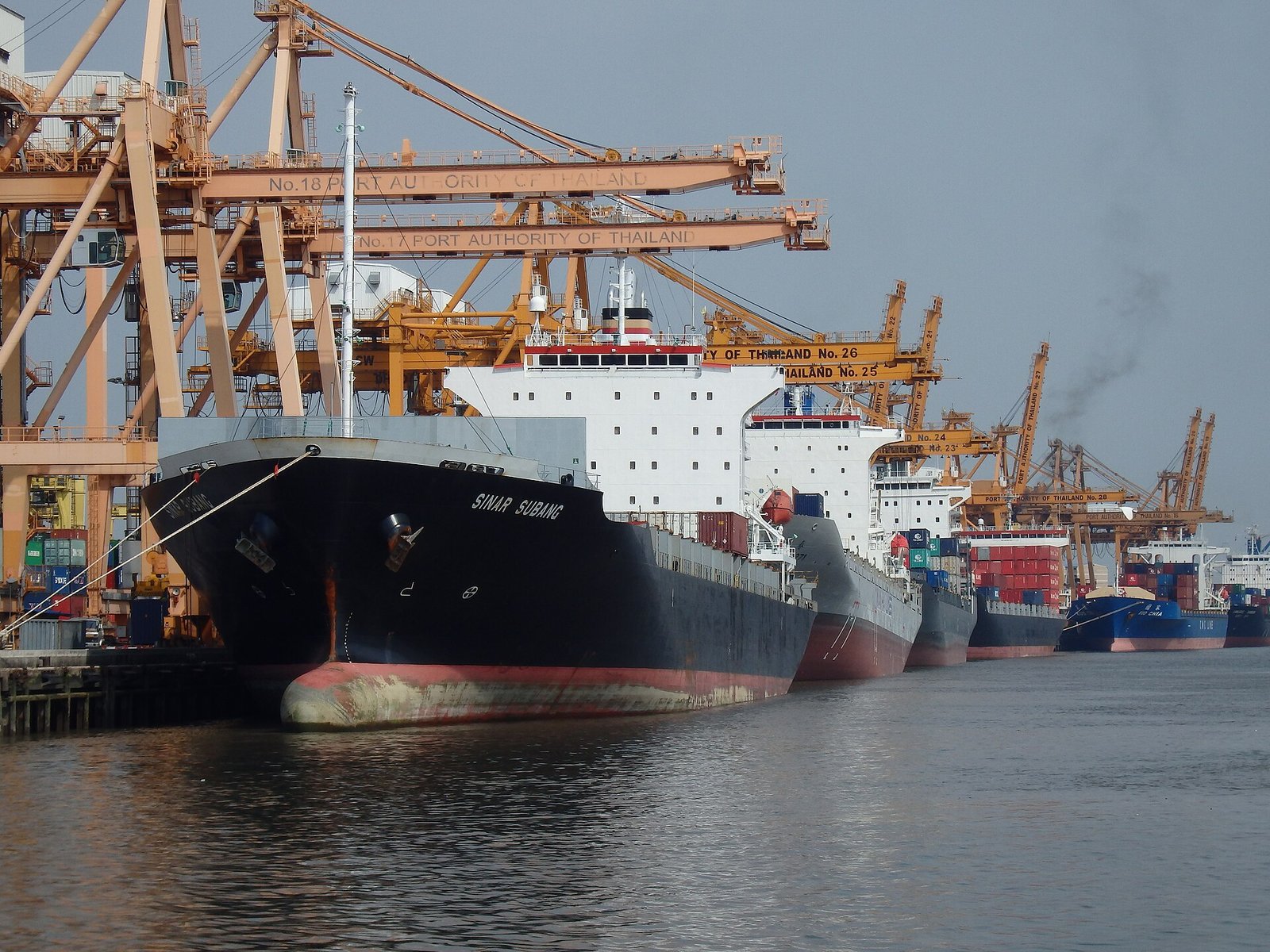
Bangkok moves to seize the moment amid the Strait of Hormuz crisis, eyeing greater control over global maritime trade routes.
Author: Elisabeth Xaviera
Business and Economy Correspondent, SEA Daily
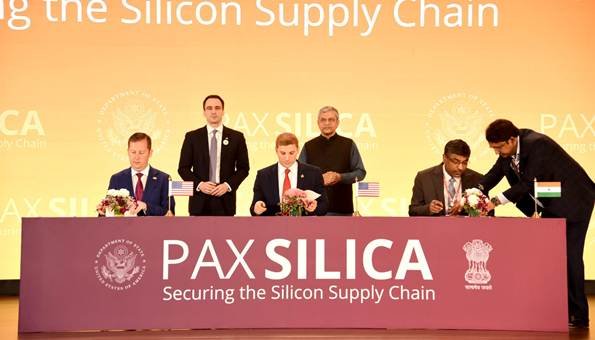
Philippines to become first AI-native economic security zone under Pax Silica
Manila agreed to facilitate the US’—its long standing ally—effort to “shore up” supply chains. On April 16, Jacob Helberg, US Under Secretary of State for Economic Growth, Energy, and the Environment, mentioned a plan to establish a 4,000–acre (16,1 km2) industrial hub in the Luzon Economic Corridor.
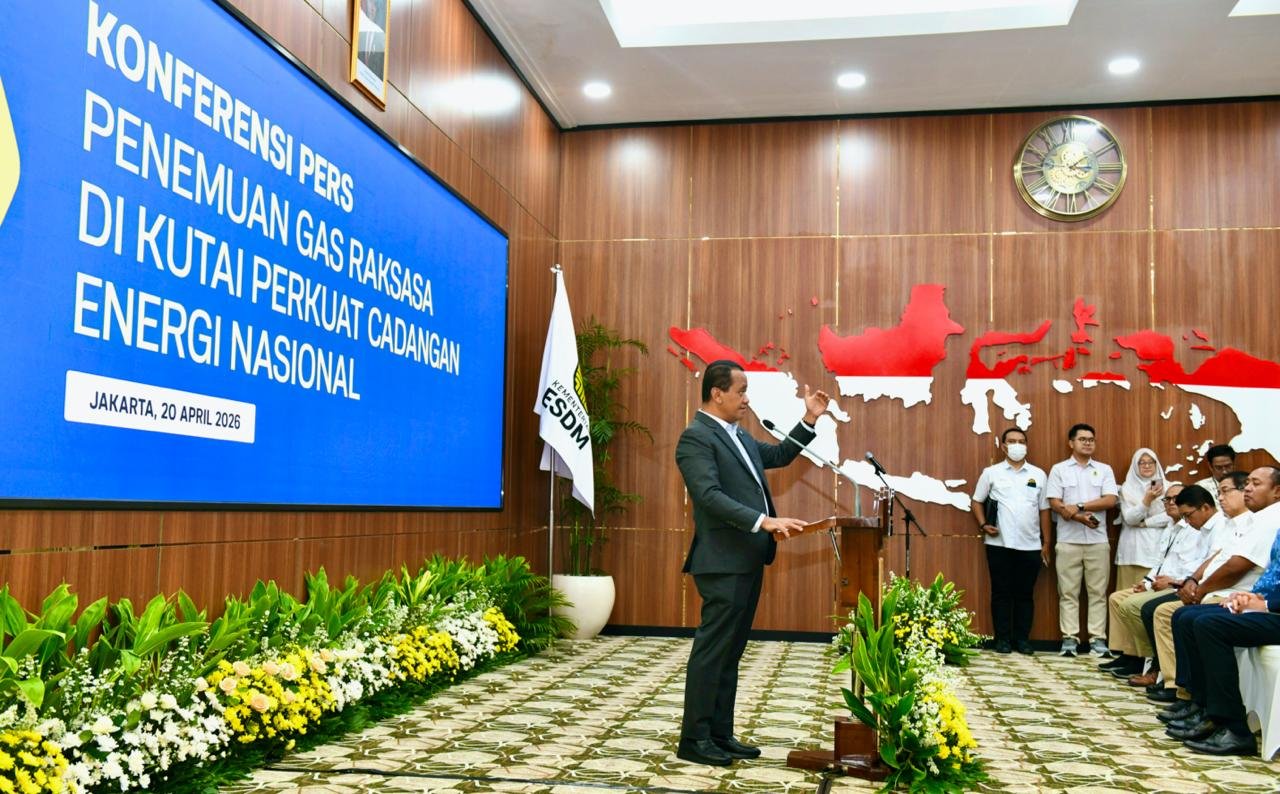
Indonesia uncovers giant gas reserve in Borneo
Indonesia discovered a major gas reserve at Geliga-1 exploration well—a working area operated by Italian energy company ENI at the Ganal Block offshore Kutai, East Kalimantan.
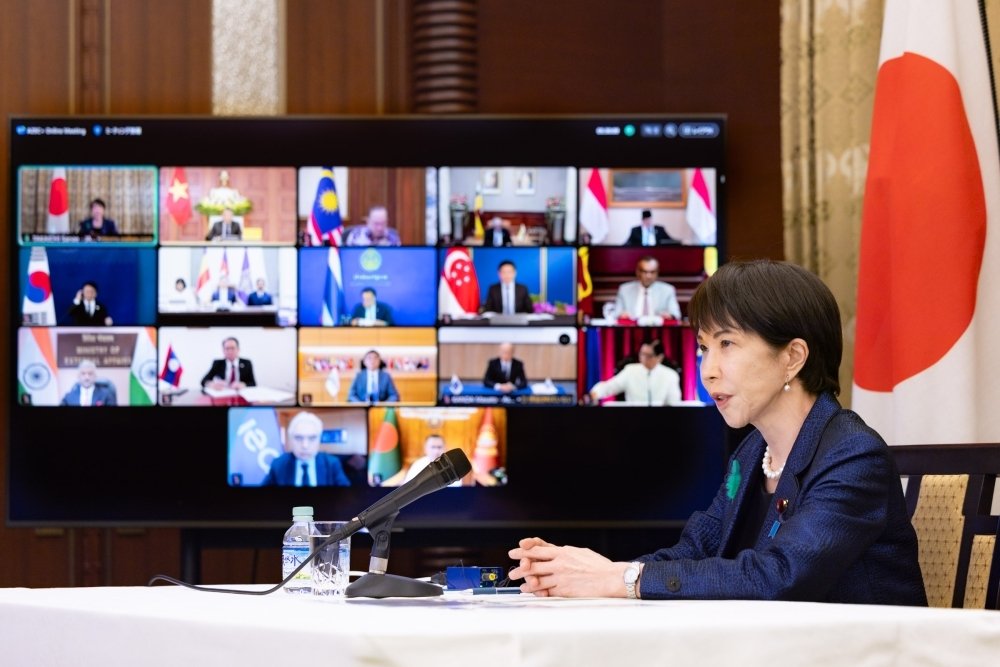
Japan commits US$10 billion for Southeast Asia’s energy security
Southeast Asian leaders joined Japan on April 15 for the Asia Zero-Emission Community (AZEC) Plus Online Summit on Energy Resilience, a high-level emergency meeting aimed at securing the region’s energy future.
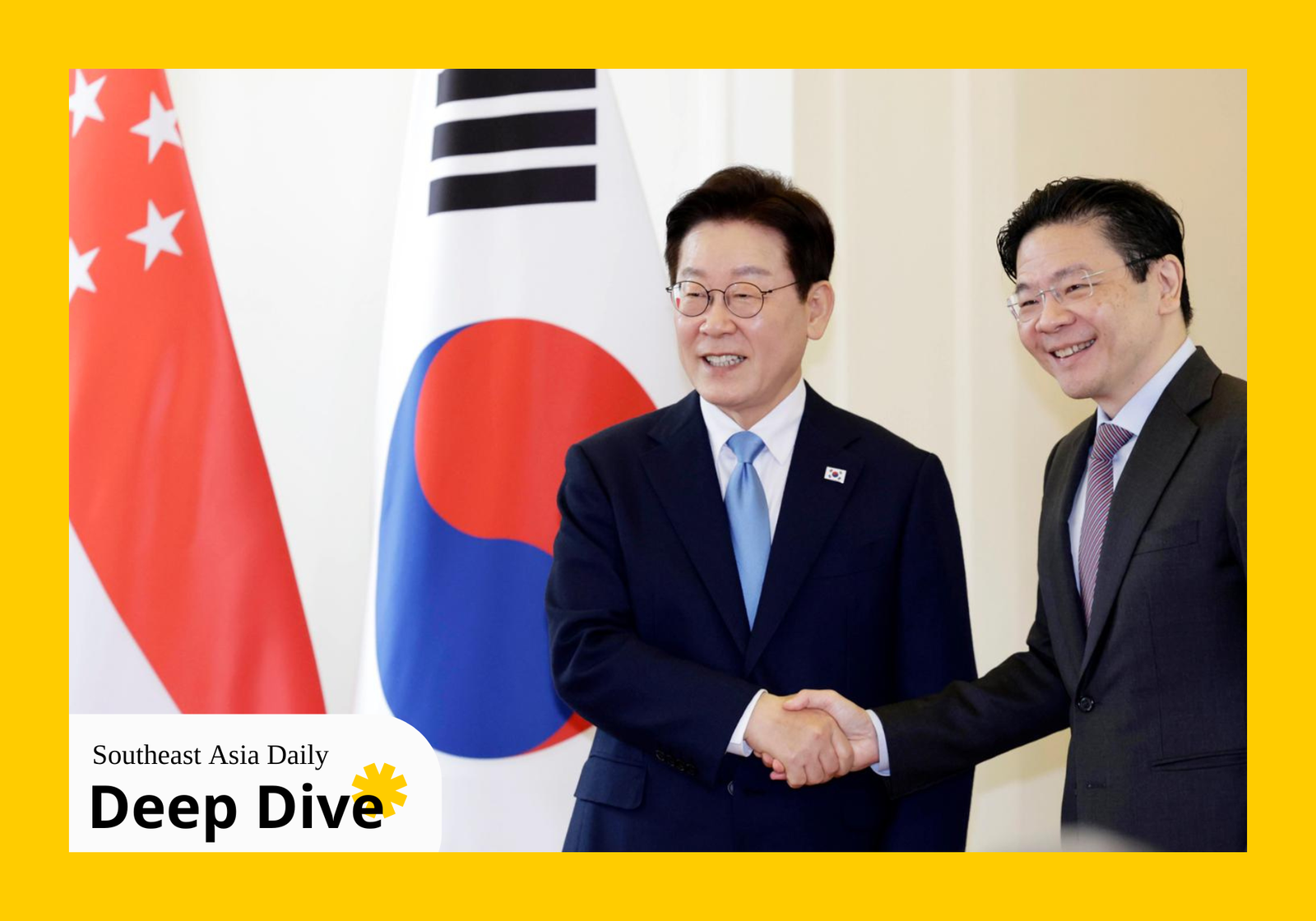
Agreements or Alignment? South Korea Eyes Southeast Asia
“We have decided to deepen our cooperation as reliable partners in an era of hyper-uncertainty.” On March 2, President Lee Jae-myung spoke at a joint press conference immediately after the summit at the Singapore Ministry of Foreign Affairs building.
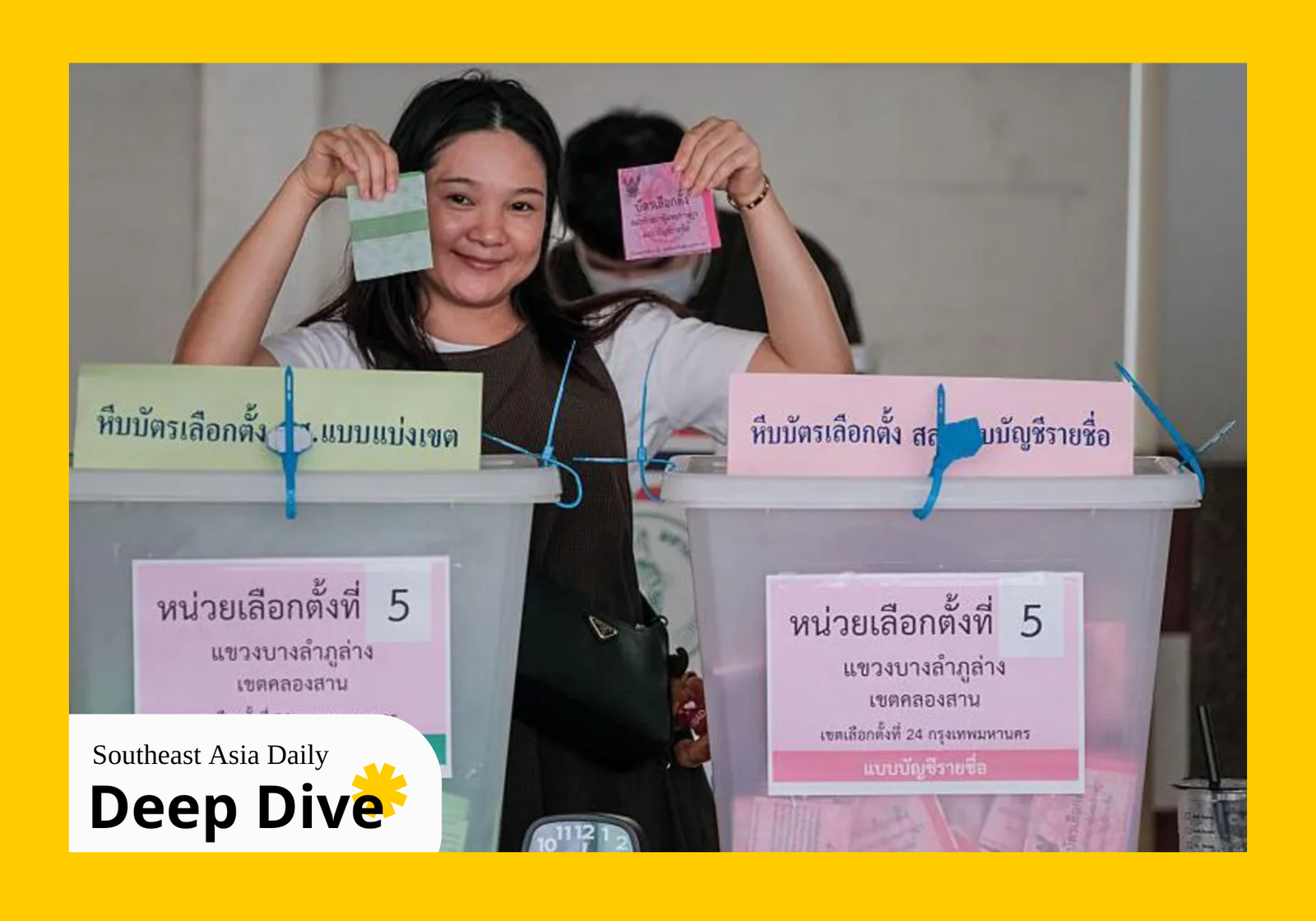
Thailand Opted for Stability, Not Reform. What Follows?
For nearly a century since the transition from absolute monarchy to constitutional monarchy in 1932, Thailand has been hemmed in a vicious cycle as elections raise expectations of change but deliver continuity instead. The February 8 election was the latest turn in this cycle, as the conservative Bhumjaithai Party secured193 of 500 parliamentary seats and stability once again triumphed over reform.