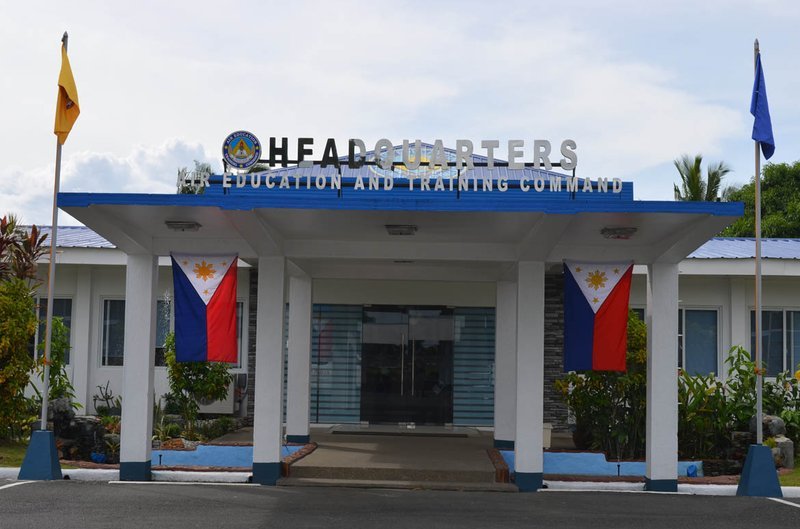
The Philippine Air Force’s Air Education and Training Command Headquarters. (Philippine Air Force)
On October 23, Four Philippine Air Force (PAF) pilots died after two SF-260 trainer aircraft crashed during a training flight at Fernando Air Base in Batangas, prompting the temporary grounding of the entire fleet while investigators determined the cause.
Both aircraft went down within the air base perimeter, with no other casualties reported. The PAF said it was coordinating with the deceased pilots’ families to provide assistance and appealed to the public to respect their privacy.
The SF-260 is a light aircraft used by the PAF for pilot training and light-attack duties. Training aircraft play an important role in developing basic flying skills before pilots progress to more advanced platforms. The temporary grounding therefore places the fleet’s availability under review while investigators determine whether additional safety measures are necessary.
The incident comes as the Philippines continues to develop its air capabilities, especially how the PAF recently conducted an air-defence training flight that included a maritime domain awareness mission and showcased offensive counter-air capabilities, which highlights the role of air operations in monitoring maritime areas and supporting wider defence objectives.
Although the crash does not itself establish a broader problem with PAF readiness, a prolonged interruption to SF-260 operations could affect training schedules and the progression of pilots through the training pipeline. The extent of any disruption will depend on the duration of the grounding and the PAF’s response.
The crash highlights the importance of maintaining both aviation safety and a sustainable pipeline of trained military pilots. While the grounding is a precautionary measure, the investigation’s findings will be important in determining the conditions for resuming flights and whether changes to training or safety procedures are required. For the Philippines, air readiness depends not only on acquiring advanced aircraft but also on maintaining a sustainable pipeline of trained pilots.
About The Author