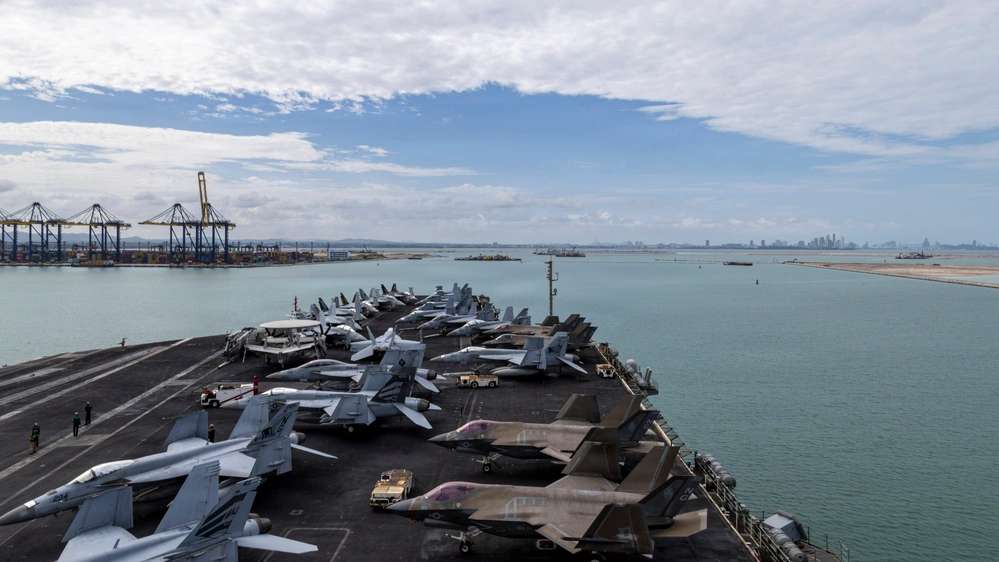
USS Abraham Lincoln aircraft carrier arrived in Thailand on September 2. (DVIDS/Seaman Gage Thomas)
On September 2, the USS Abraham Lincoln Carrier Strike Group arrived in Laem Chabang, Thailand for a scheduled port visit as the US and Thailand continue their longstanding defence and maritime cooperation.
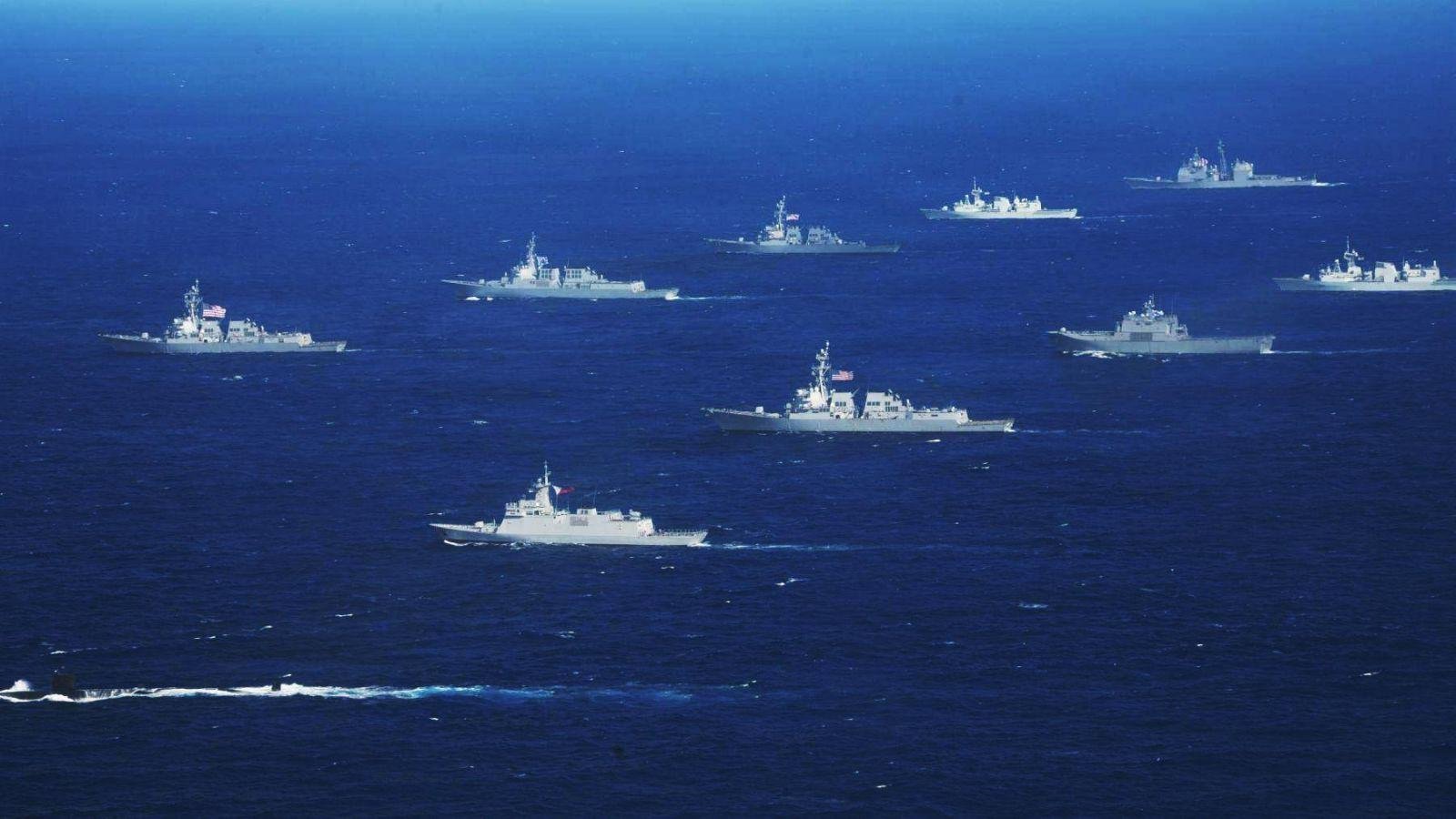
The Arleigh Burke-class guided-missile destroyer USS Frank E. Petersen Jr. docked in nearby Sriracha, while the Ticonderoga-class guided-missile cruiser USS Robert Smalls arrived separately at Map Ta Phut. The Royal Thai Navy said the visit would provide rest and recreation for US personnel following their deployment, as well as logistical support and other services required during the port call.
Royal Thai Navy spokesperson Rear Admiral Parat Rattanachaiphan said the visit was being conducted under longstanding defence agreements and cooperation between Thailand and the US. Meanwhile, US Rear Admiral Robert E. Loughran, Commander of Carrier Strike Group 3, said the visit would give sailors and marine personnels an opportunity to rest while underscoring the enduring partnership between the two countries.
The visit is the USS Abraham Lincoln’s first full port call since its deployment began in November 2025. The carrier has spent 286 days at sea, including nearly seven months conducting operations in the US Central Command area of responsibility.
The strike group and other US Navy and Marine Corps assets conducted combat operations in support of Operation Epic Fury during that deployment. The US also described Thailand as its oldest partner in the region, with bilateral ties dating back to the 1833 Treaty of Amity and Commerce, which was the only treaty ally in mainland Southeast Asia.
The US Navy said bilateral and multinational exercises, including Cobra Gold, and regular port visits continue to support the defence relationship. The Abraham Lincoln Carrier Strike Group is now conducting routine operations in the US 7th Fleet area of operations alongside allies and partners.
The port call reinforces the longstanding US-Thailand defence relationship while providing a practical channel for continued military engagement. For Thailand, hosting US naval forces supports established defence cooperation and logistical coordination with its treaty ally. At the same time, the visit forms part of the US’ wider network of bilateral and multilateral security relationships across the Indo-Pacific.
About The Author