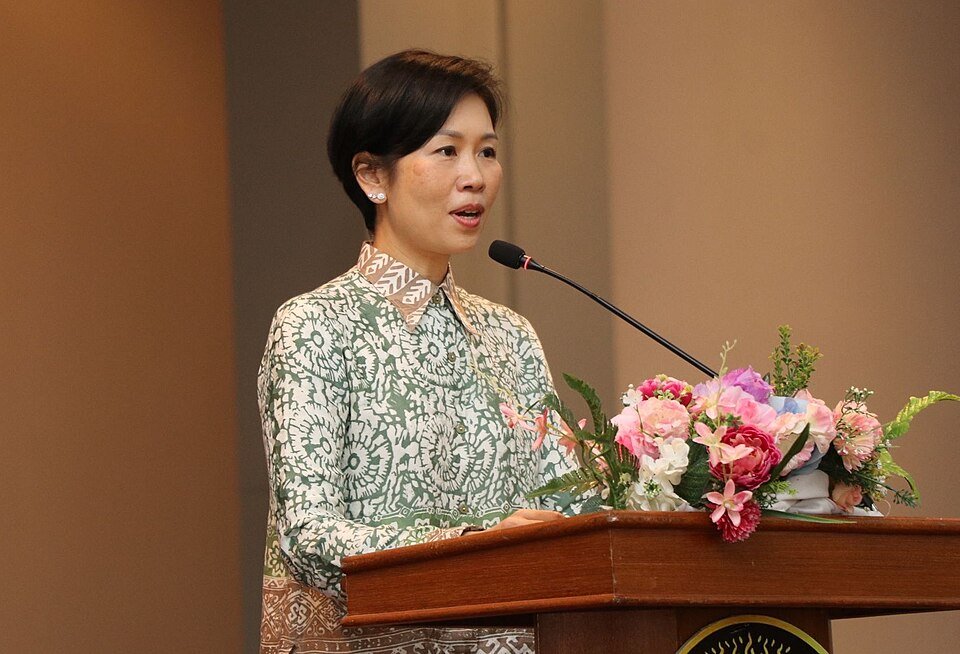
Thai Prime Minister’s Office spokesperson Ratchada Thanadirek. (Wikimedia)
On August 12, Thailand has rejected reports that it is considering using its longstanding defence cooperation with the US as leverage in negotiations over President Trump’s tariffs, stressing that economic and security relations with Washington will remain separate.
Government Spokesperson Ratchada Thanadirek said reports suggesting Thailand could scale back military cooperation, including the annual Cobra Gold exercise, in response to US trade measures were untrue and did not reflect government policy. Thai officials said trade negotiations would instead focus on national economic interests, fairness and balanced trade, including the impact of any agreement on farmers, businesses, manufacturers and consumers.
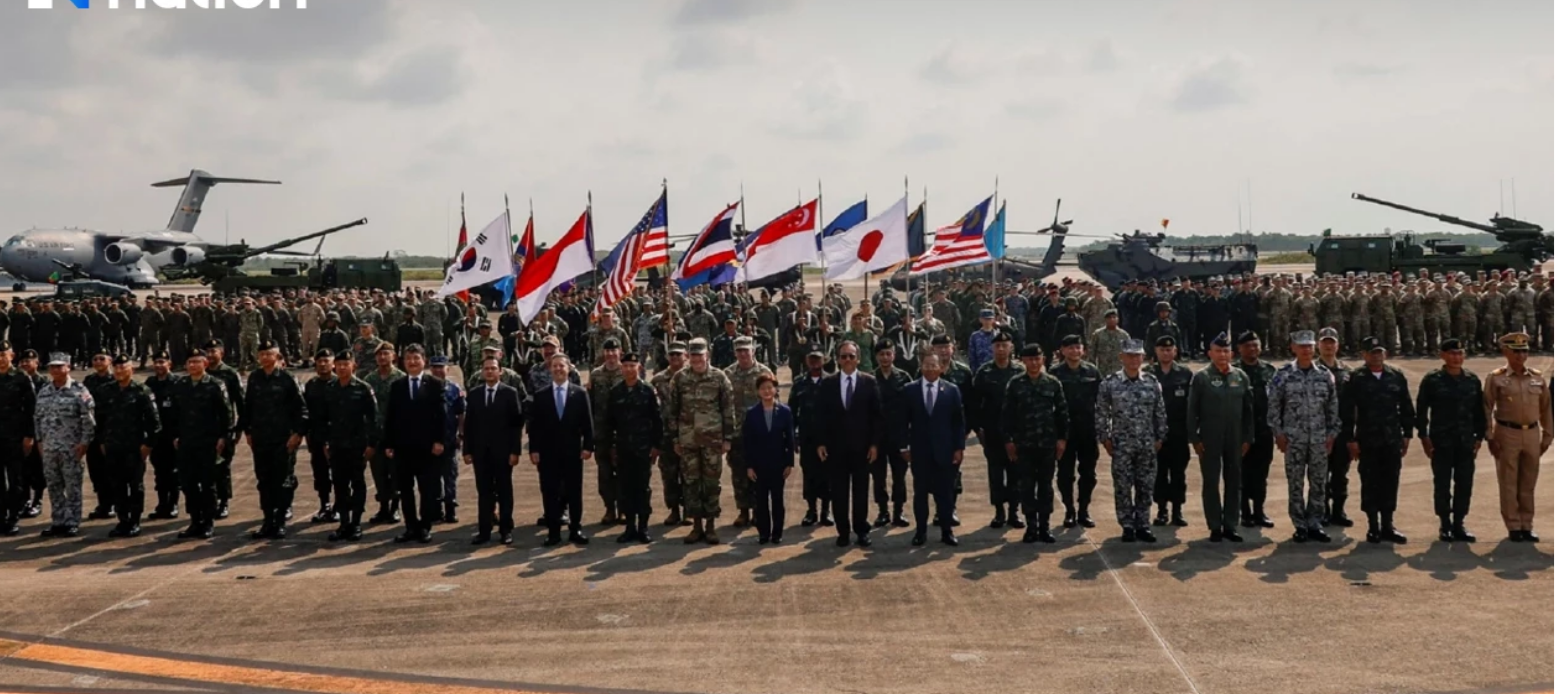
Thailand and the US have maintained extensive defence ties for decades, with Cobra Gold serving as a major platform for military interoperability and multinational cooperation in Southeast Asia. The exercise has continued even during periods of political tension between Bangkok and Washington, underscoring the institutional depth of the security relationship.
The clarification comes as Thailand seeks better terms in trade negotiations with the US. The US has proposed a 12.5% tariff on most Thai exports, while Thailand recorded a 51.4 billion US dollar trade surplus with the US in 2025.
Mid-term planning for next year’s exercise is scheduled to take place in Hawaii next month. Ratchada said the exercise, scheduled for March 2027, would maintain its intensive training while expanding its scope.
“Thailand and the US have a broad and deep relationship in many dimensions, including economics, trade, securit, and people-to-people relations,” Spokesperson Ratchada said, stressing that each area has its own framework and national interests.
Thailand’s decision to reject any linkage between tariffs and defence cooperation carries a broader strategic significance. Using military cooperation as an economic bargaining tool could risk weakening one of Bangkok’s most established security relationships while providing uncertain leverage in trade negotiations. By keeping the two tracks separate, Thailand can protect its defence relationship with the US while continuing to negotiate firmly on economic issues.
On a regional level, Thailand’s stance also reinforces the principle that regional security cooperation should remain focused on maintaining stability rather than becoming an extension of economic disputes. As strategic competition increasingly overlaps with trade, technology and security, Bangkok’s compartmentalisation of the relationship illustrates how middle powers in Southeast Asia can seek economic interests while preserving established defence partnerships.
About The Author