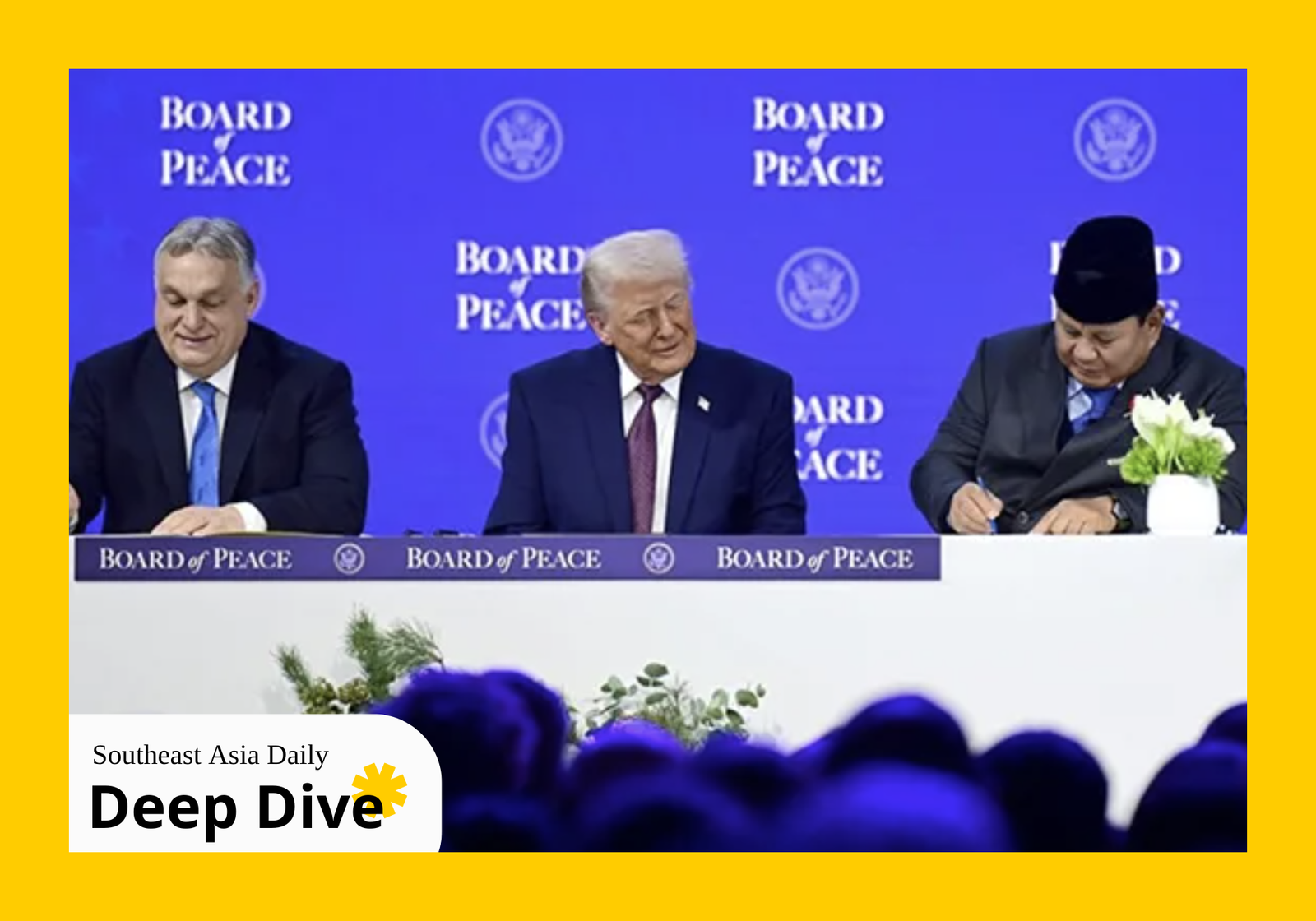
President Prabowo Subianto signs the Board of Peace Charter in Davos, Switzerland, on January 22, 2026. Courtesy of the Cabinet Secretariat of Indonesia
Getting Onboard the Board
On January 22, the Indonesian Ministry of Foreign Affairs announced that United States (US) President Donald Trump had invited several Muslim-majority countries to join the Board of Peace. Soon after, Foreign Minister Sugiono revealed that Indonesian President Prabowo Subianto had signed the Board’s charter on the sidelines of World Economic Forum in Davos, signifying Indonesia’s accession to the newly-established international organisation.
For the record, the Board of Peace is considered a byproduct of a US-sponsored United Nations (UN) Security Council (UNSC) resolution. In November 2025, the council passed Resolution 2803 outlining the peace process in Gaza. A provision in the resolution, which Indonesia supported, calls for an ‘International Stabilisation Force’ and the formation of a ‘Board of Peace’ to accelerate peace in Gaza.
Seeing how the US has been ‘marketing’ the Board of Peace as a way to resolve the war in Gaza, one might argue that Indonesia’s decision to join the board is unsurprising. Indeed, on separate occasions, FM Sugiono and the Minister of State Secretariat, Prasetyo Hadi, both explained that the decision was driven by the spirit of supporting efforts to end the ongoing war in Gaza, thus aligning with one of Indonesia’s signature foreign policies: supporting Palestine’s independence and resisting Israel’s occupation.
However, the Board of Peace has—since its introduction—faced significant criticism and skepticism regarding its structure, functions, and even its membership scheme. One of the more prominent controversies concerns the requirement of member states to pay US$1 billion to remain as permanent members of the Board of Peace.
Another point of contention lies in the structure of the Board itself, in which the Chairman holds veto over all of the organisation’s decisions. Adding to the absurdity, the charter explicitly names Donald Trump—not the President of the United States—as Chairman, meaning that the chairmanship is tied to Trump personally. This is arguably unprecedented in international organisations and is more commonly found in rubberstamp councils in authoritarian countries.
Is it the Right Move?
Once the Indonesian government announced its intention to join the Board of Peace, various reactions emerged from both the public and experts in Indonesia. While some lauded the accession as a way to enhance Indonesia’s visibility on the international stage and reinforce its longstanding foreign policy stance of advocating for Palestinian independence, others questioned whether joining the Board of Peace was the right decision altogether.
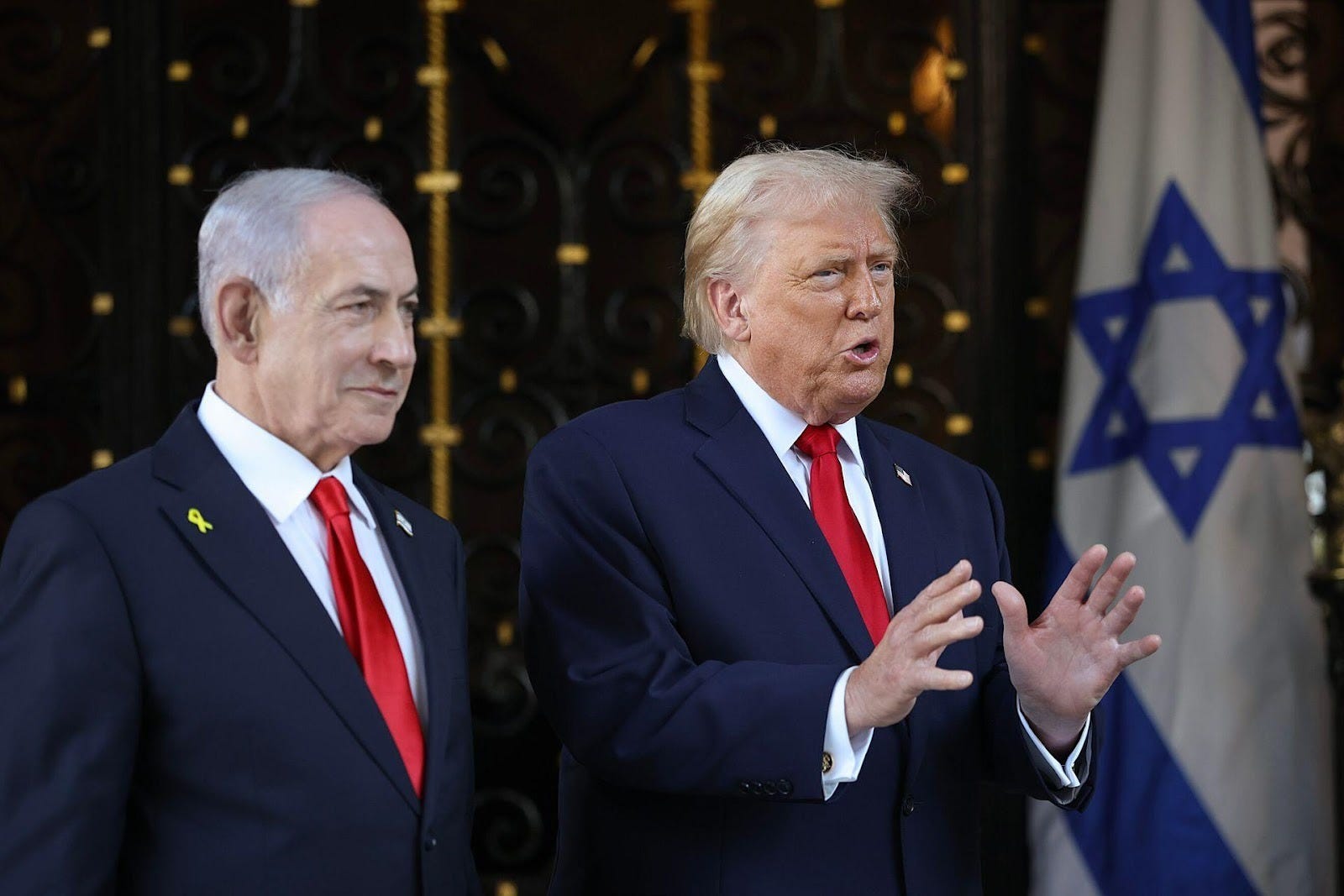
In addition to the aforementioned concerns about the organisation’s structure and permanent membership fee—which some argue is unwise to pay given Indonesia’s own economic challenges and the need to fund costly domestic programmes—the dynamics within the Board of Peace also make it questionable. One contentious issue is that Palestine itself was not invited into the organisation, despite the Board’s aim of accelerating the peace process in Gaza. Furthermore, the Gaza Executive Board—a subsection of the Board of Peace consisting of 11 individuals—does not feature any Palestinian national. Conversely, President Trump invited Israeli PM Benjamin Netanyahu to the Board. This arrangement could disadvantage the Palestinians in the Board’s proceedings, especially amid reports of continued ceasefire violations by Israel.
The exclusion of Palestine from the Board of Peace, which at the same time embraces Israel, risks rendering the Board’s stated objective of promoting peace in Gaza moot. Put simply: how can a mediator credibly advocate for a sustainable and positive peace between two conflicting parties if only one is involved in discussions and negotiations? Additionally, the Board still lacks a concrete blueprint on how it intends to promote peace in Gaza.
That being said, Jakarta should have approached the decision to join the Board of Peace more carefully. It is possible that senior government officials focused primarily on the Board’s surface-level ‘branding’ as a guardian of the Gaza peace process, using this as the main justification for accession, without sufficient consideration of the political intrigue and interests shaping its membership.
Such a careless diplomatic act—if true—is, unfortunately, not unprecedented under the Subianto administration. During the 2025 UN General Assembly (UNGA) General Debate, President Subianto stated that his government would recognise Israel and guarantee its security. While Indonesia advocates a two-state solution, the president’s statement and its timing were widely considered inappropriate in light of Israel’s persisting attacks in Gaza. Earlier, in November 2024, Jakarta stirred controversy when it implicitly recognised China’s ten-dash line claim in the South China Sea through a joint statement with Beijing, contradicting a long-held view of non-recognition. Reports suggested that professional diplomats were not properly consulted in the drafting of the joint statement, resulting in the ‘error’.
Meanwhile, there may be another motivation behind Indonesia’s accession. On January 19, President Trump threatened France with a 200% tariff to pressure the country into joining the Board of Peace.Given that the threat of ‘Liberation Day’ tariffs in 2025 placed quite a pressure on the Indonesian economy—especially on labour-intensive manufacturing sectors—it is also possible that Jakarta is trying to avoid similar threats by making its way towards the Board of Peace.
What to Expect Ahead?
Given the concerns surrounding the Board of Peace, some analysts have argued that Indonesia should not have joined the organisation. But the charter has been signed, making Indonesia a member. So, what can be expected going forward? Although the Board was originally mandated to oversee the peace process in Gaza, President Trump has since indicated that it is intended to promote peace worldwide, to the point that it is seen as a potential replacement of the UN.
However, the Board of Peace appears to be more of a personal vanity project centred on Trump himself than an initiative grounded in a genuine commitment to upholding the international order. Moreover, it has struggled to secure broad support from its many invitees. Trump’s extensive personal authority within the board is unlikely to attract trust among countries worldwide. The UNSC veto system itself is already subject of reform debates—including calls by Indonesia. There is thus little reason to believe that a more ‘personalistic’ veto system would be received favourably. As such, the Board of Peace may ultimately remain Trump’s vanity project, with very limited long-term impact on the global order.
With respect to Indonesia, while the motivation for joining the Board of Peace aligns with the country’s stance on Palestine, the absence of a clear direction and blueprint for the new organisation makes working within existing frameworks—such as those under those under the UN—a more effective pathway.
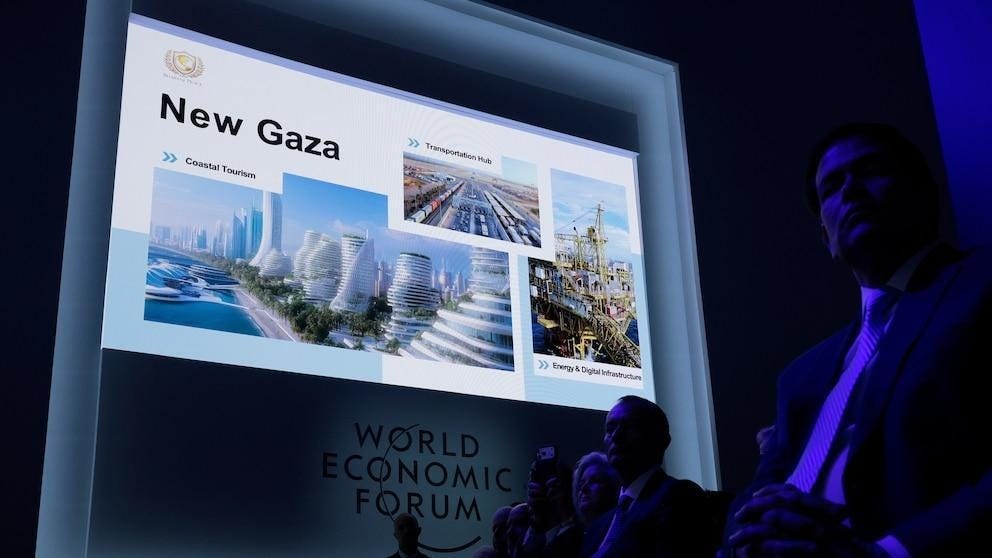
It is equally important for Indonesia’s top leaders to actively involve and consult the country’s experienced diplomats to ensure that Jakarta can navigate foreign policy decisions appropriately. Some observers have already described the Board of Peace as ‘neo-imperialist’ citing the non-involvement of Palestine, Trump’s personal ambitions in the organisation, and even his son-in-law and Senior Adviser, Jared Kushner’s, plans to transform Gaza into an ‘investment haven’ without consulting the natives.
Given Indonesia’s advocacy of South-South cooperation, involvement in what is perceived as an ‘imperial project’ should clearly be off the table. Similar concerns also emerged following Indonesia’s accession to BRICS. While badged as a platform for multipolarity that challenges the dominance of established powers, some analysts view it as a medium for Russia to expand its influence. This has contributed to the impression that the Subianto administration is pursuing a form of superficial ‘status diplomacy’: joining as many forums and organisations as possible simply to boost Jakarta’s visibility, with little regard for substance or underlying foreign policy principles.
All in all, if the Board of Peace fails to serve its intended purpose—and critics are already sceptical that it will—Jakarta must be willing to voice its disagreement, or even withdraw if necessary. This would be important to demonstrate to the world that Indonesia’s foreign policy is principled, rather than simply driven by ceremonial or cosmetic initiatives aimed at pleasing everyone.
At the end of the day, quality should prevail over quantity: Indonesia’s foreign policy will ultimately be judged by its ability to deliver a tangible impact to the world, not by the number of international organisations or initiatives it joins.
About The Author