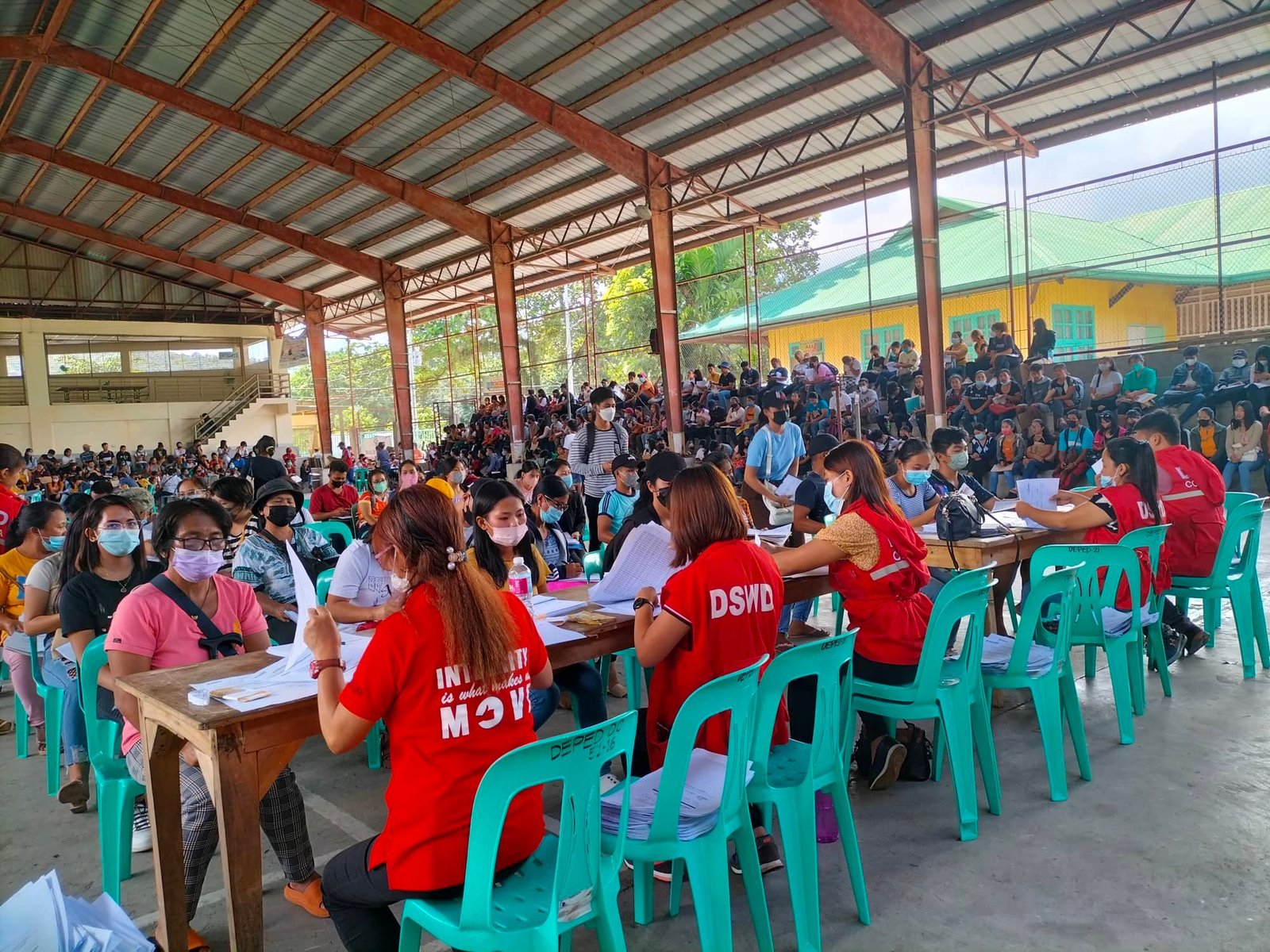
The DSWD Field Office Cordillera assisted more than 102,000 individuals through its Expanded Assistance to Individuals in Crisis Situations (E-AICS) programme from January to September 2022. (Department of Social Welfare and Development)
On May 25, the Philippines’ Department of Social Welfare and Development (DSWD) reaffirmed its commitment to supporting people living with Human Immunodeficiency Virus (PLHIV) as the country marked the 2026 International AIDS Candlelight Memorial (IACM). The IACM is one of the world’s longest-running movements dedicated to HIV and AIDS awareness and advocacy.
Held under the theme “Light the Legacy: Remember. Advance. Act. Keeping the Light Alive,” this year’s observance paid tribute to individuals who lost their lives to AIDS, while also encouraging stronger action against stigma and discrimination.
In a statement released on Monday, DSWD spokesperson Assistant Secretary Irene Dumlao stressed that the agency remains focused on promoting inclusive communities that protect the dignity, welfare and rights of PLHIV. She noted that addressing HIV-related challenges requires more than medical intervention, highlighting the need for psychosocial care and economic assistance for affected individuals and their families.
As part of its continuing response, the DSWD has sustained the implementation of its psychosocial care and support programme for PLHIV. During the first quarter of 2026 alone, the department assisted 847 beneficiaries across the country through various support mechanisms.
Data from the agency showed that most beneficiaries were aged between 25 and 44, accounting for 68% of total recipients, while individuals aged 18 to 24 represented 18%. Men comprised the majority of beneficiaries at 84%, reflecting broader national HIV trends.
Most recipients received medical and psychosocial assistance, as well as financial aid through community-based protective services and crisis intervention programmes. A smaller number were referred to livelihood initiatives, with current efforts largely centred on urgent and direct support.
About The Author