
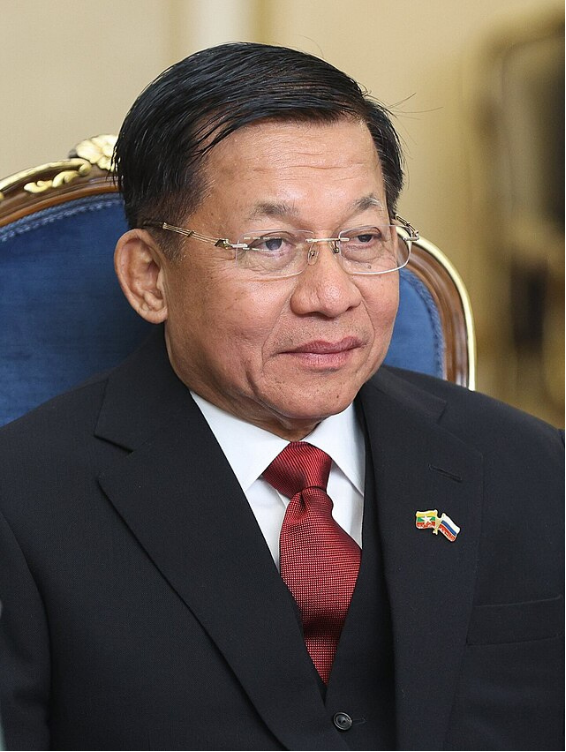
On April 17, Myanmar’s former junta leader and newly appointed president, Min Aung Hlaing, announced an amnesty to mark the country’s traditional New Year, in one of his first major decisions since formally assuming the presidency earlier this month.
Category: Myanmar
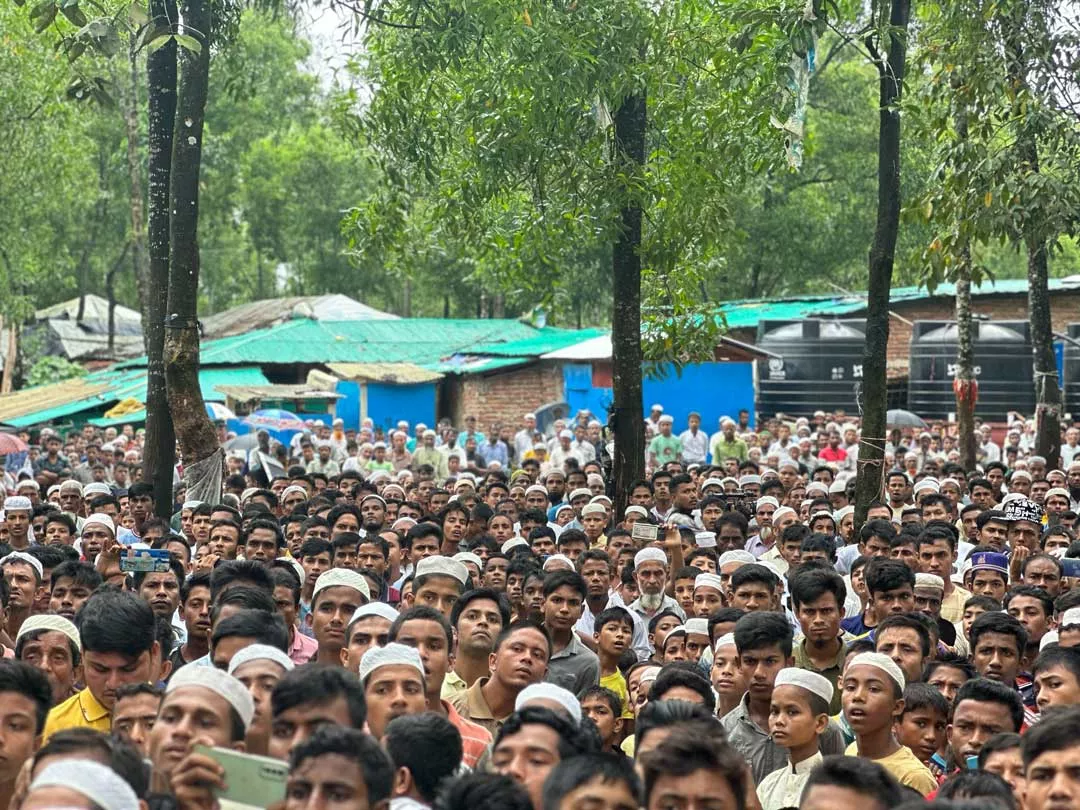
Rohingya organisation denounces Min Aung Hlaing’s presidency, activist files genocide case
The Arakan Rohingya National Council (ARNC), an independent organisation representing the Rohingya people within and outside Myanmar, condemned the appoint of former junta leader General Min Aung Hlaing as the president on April 3.
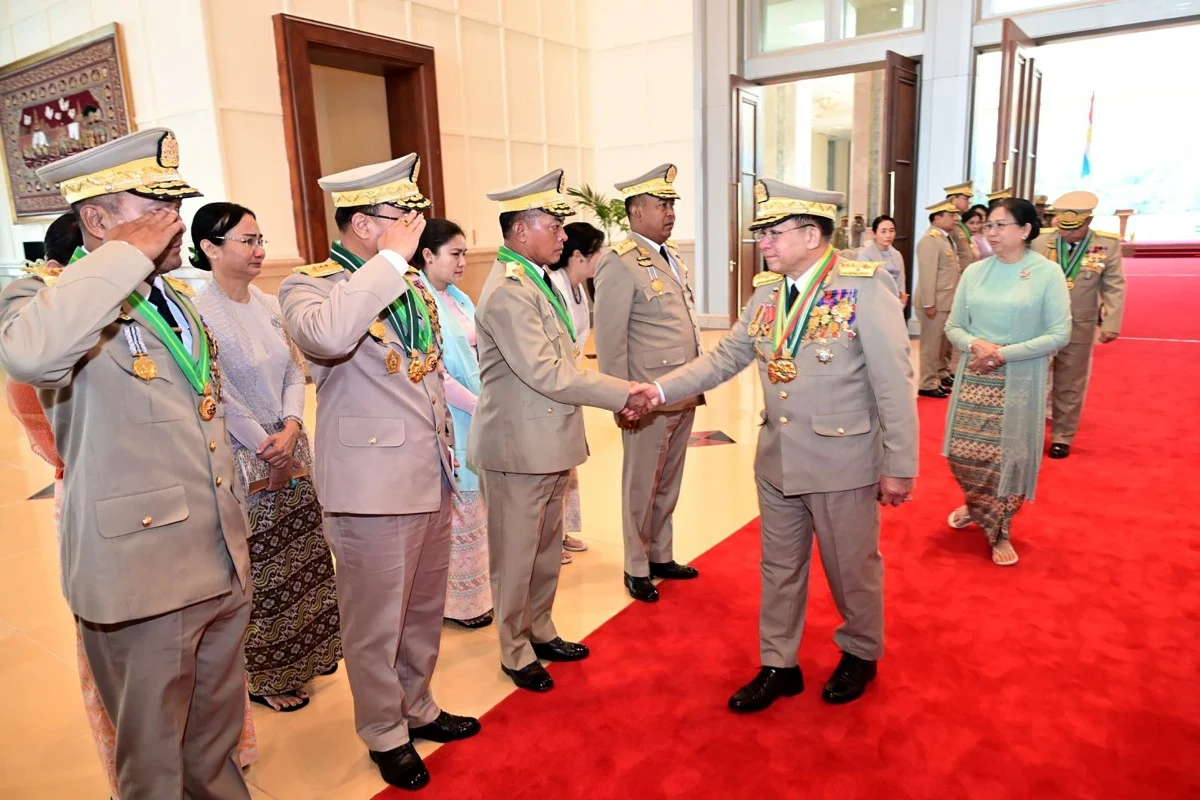
Myanmar’s junta leader steps down to run for presidency
On March 30, Myanmar’s junta leader, General Min Aung Hlaing, has stepped down as the commander-in-chief of the armed forces seat to run for the presidential race.
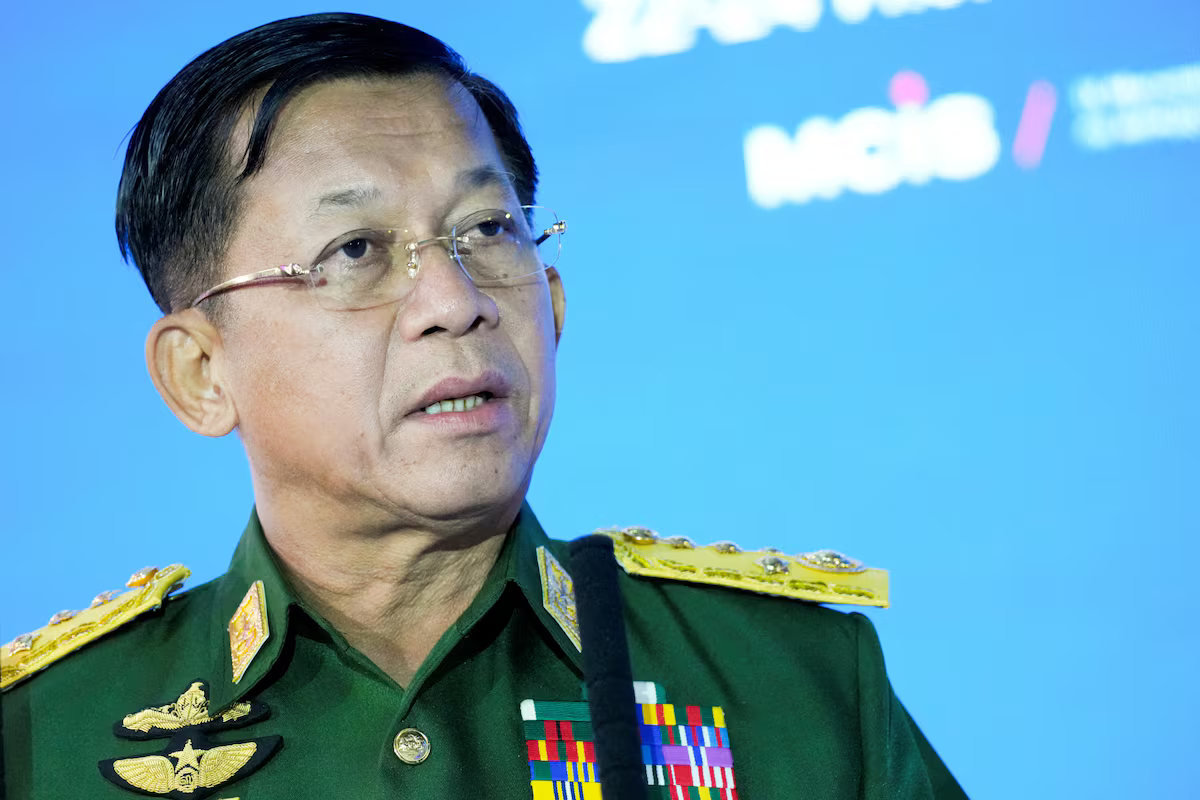
Myanmar signals leadership transition during Armed Forces Day
Myanmar’s military leadership is expected to undergo a reshuffle following the annual Armed Forces Day parade on March 27, Reuters reported, in a rare public indication of transition by the powerful institution that has long dominated Naypyidaw.
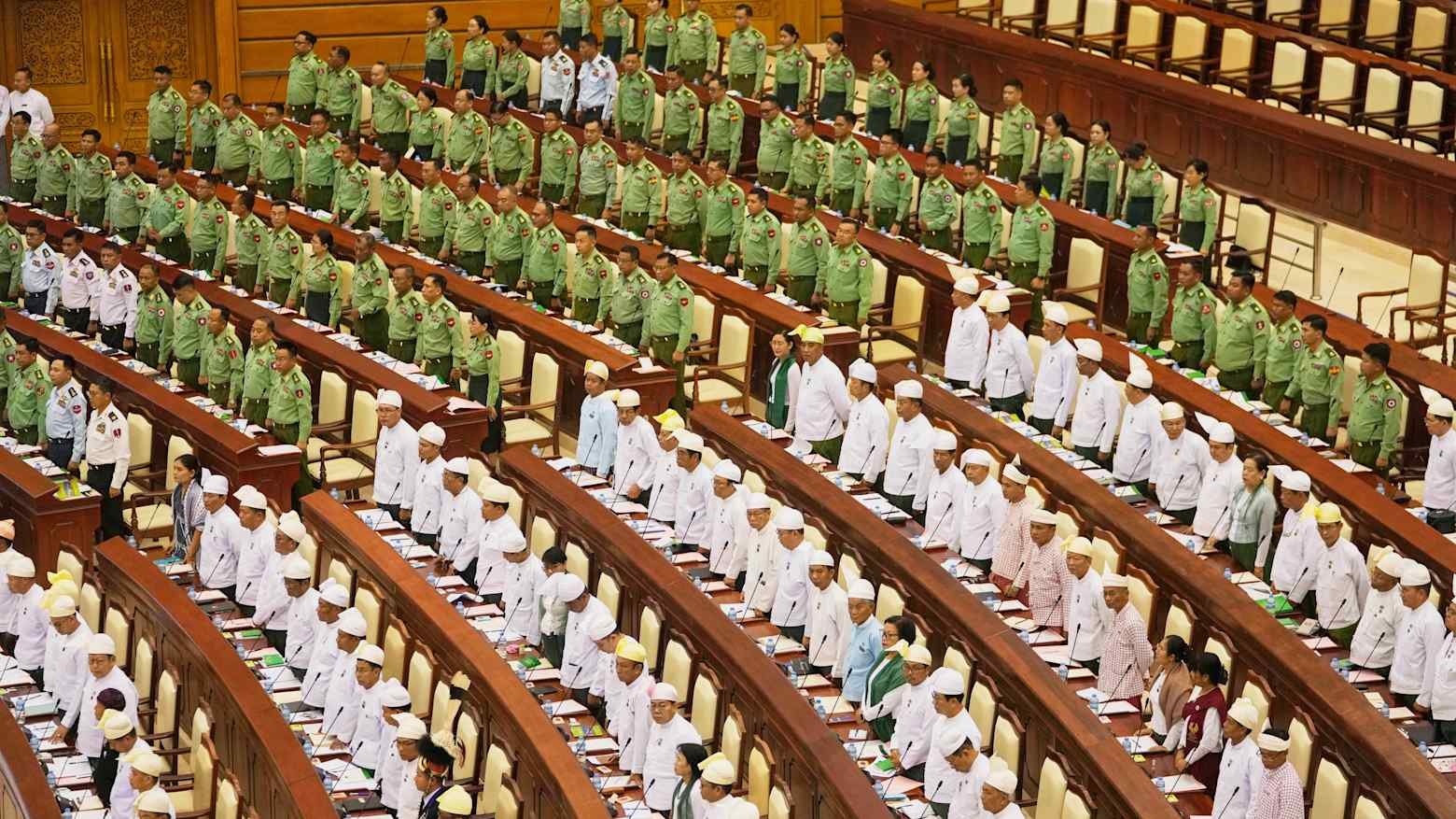
Myanmar junta parliament convened its first meeting amid alarming UN report
Myanmar convened its first post-coup parliament plenary session in the capital Naypyitaw on March 16. With the pro-junta Union Solidarity and Development Party (USDP) holding a majority in the parliament, the key agenda was the election of retired general Khin Yi as Speaker and Maung Maung Ohn as the Deputy Speaker of the Lower House (Pyithu Hluttaw).
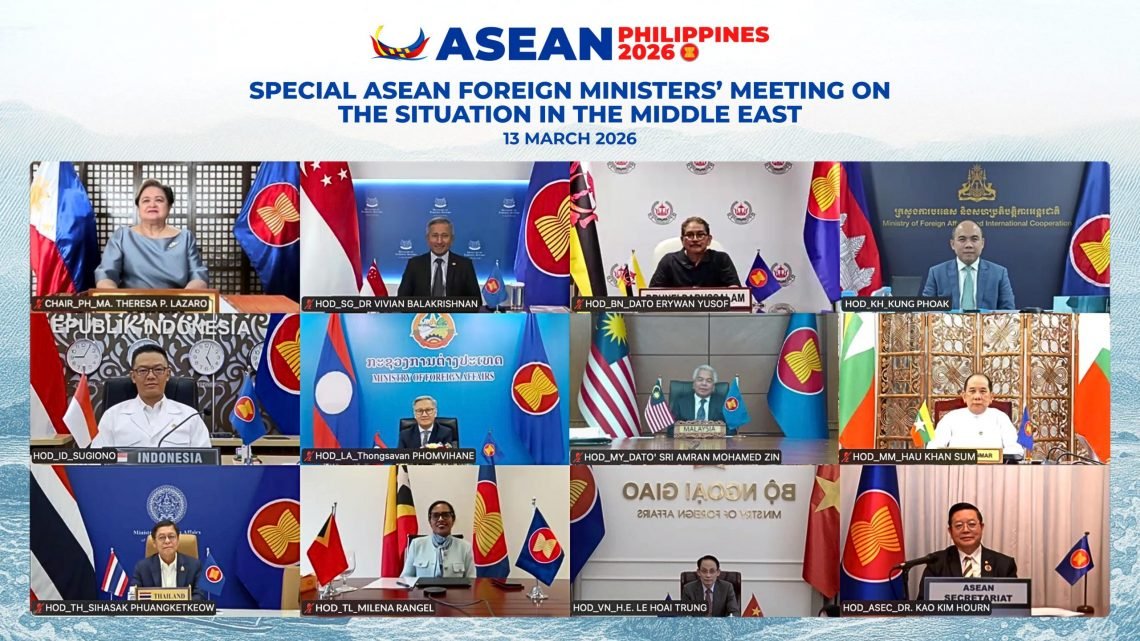
ASEAN raises alarm over energy concern due to Middle East conflict
ASEAN’s foreign ministers have urged diplomatic and peaceful solutions to the escalating crisis in Middle East, warning that the conflict could drive up energy prices, worsen inflation and threaten food security across the region.
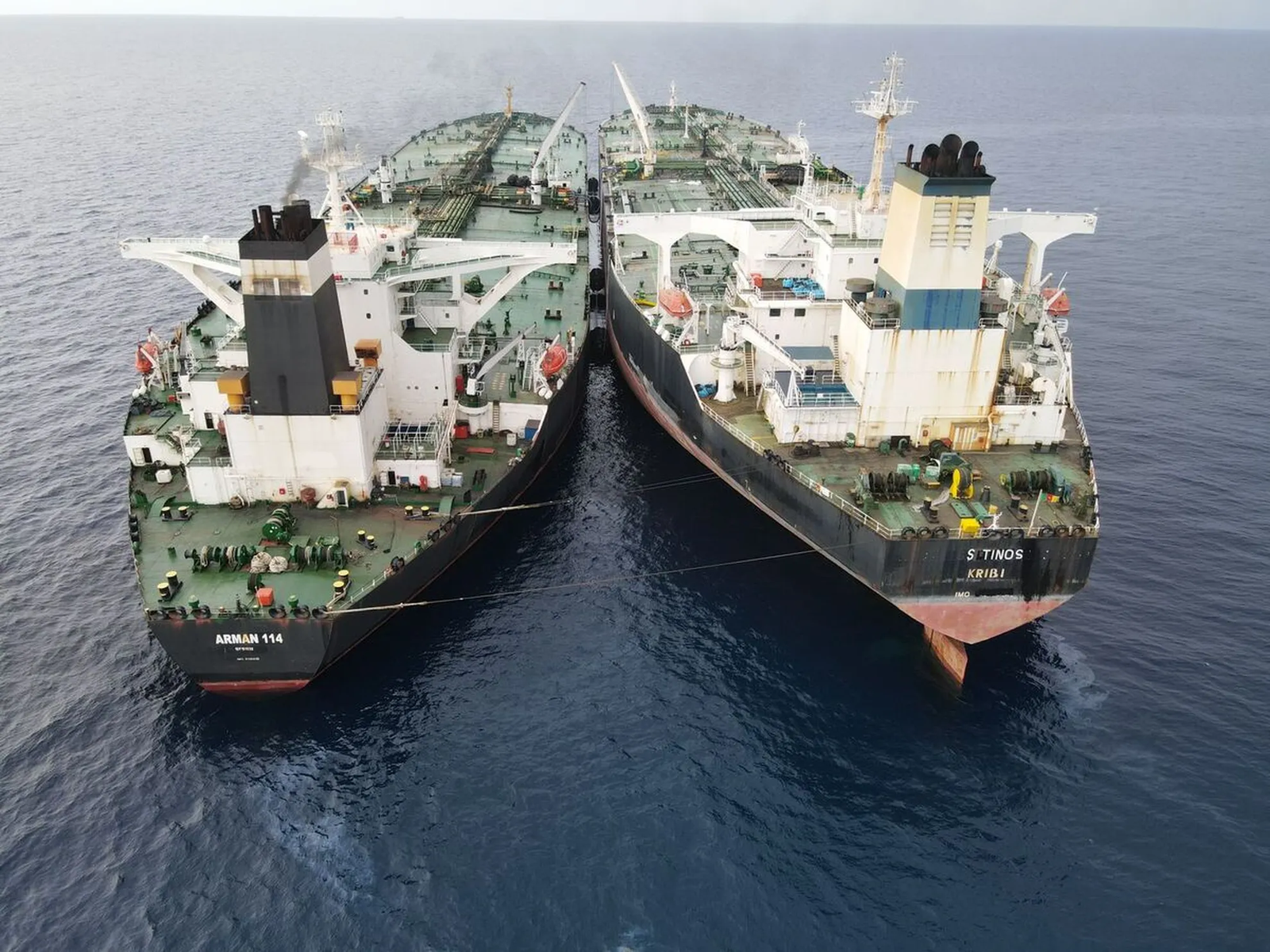
Myanmar’s fuel supply from Iran faces disruption as war ravages Middle East
In violation of international sanctions against Tehran, the Myanmar junta imported gasoline from Iran as many as three times from December 2025 to the initial stage of the war between Iran and the US-Israel on February 28.
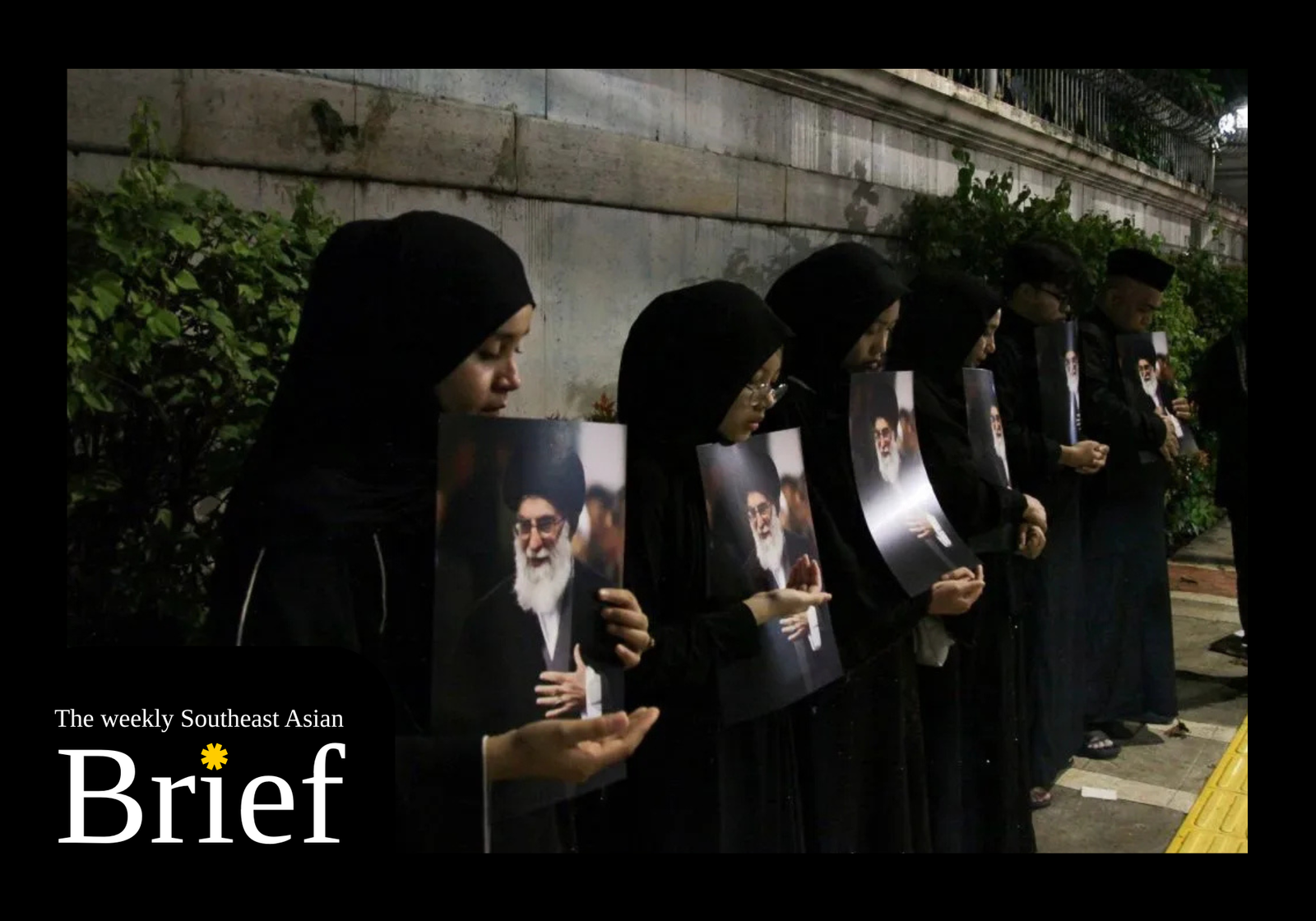
Southeast Asia divided in reaction to the Middle East crisis
The US-Israel strikes on Iran, which killed the latter’s Supreme Leader Ayatollah Ali Khamenei and his influential aides on February 28, prompted different reactions across Southeast Asia. While geographically distant, Southeast Asian governments stated concerns, expressed with cautious language, economic anxiety, and, in some countries, blunt condemnation.
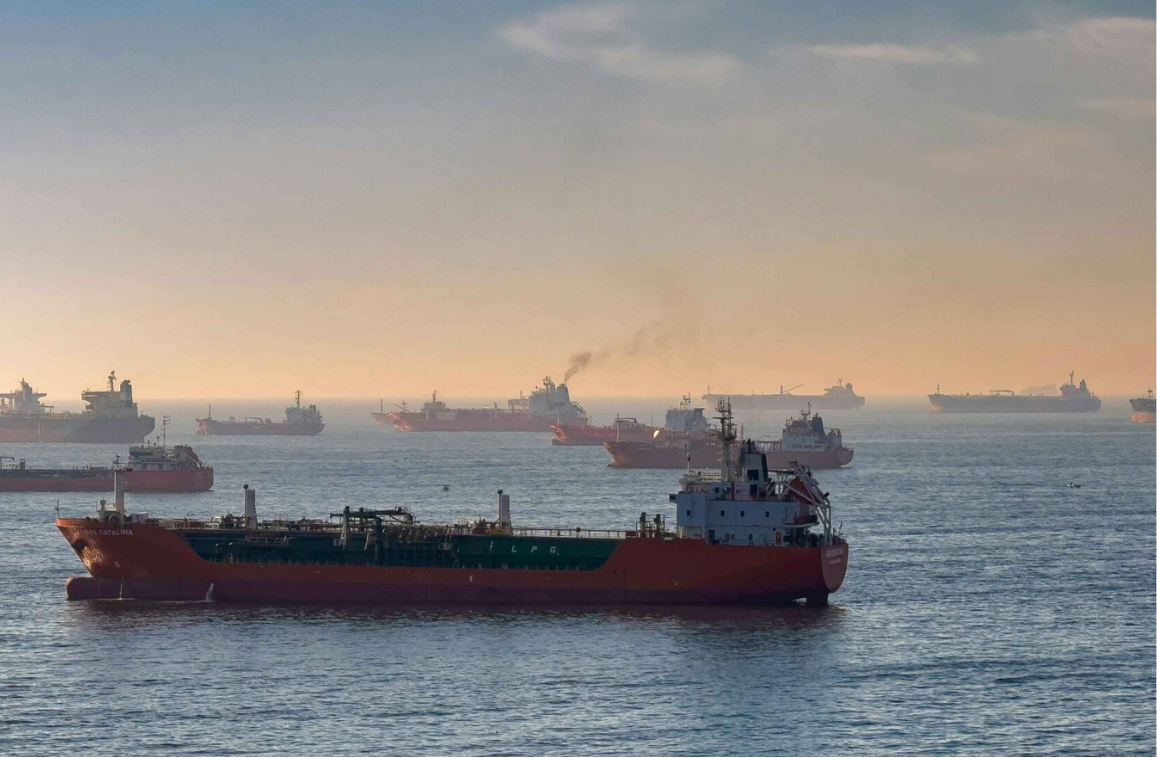
Southeast Asian states respond to Middle East crisis-driven fuel pressures
Following rising tension between US-Israel and Iran that started on February 28, fuel prices and demand in Southeast Asia have surged. One major factor was the blockade of Hormuz Strait which disrupted the global energy supply-chain through which 13 million barrels of oil per day are transported. There are rising concerns over liquefied petroleum gas (LPG) and gasoline rarity.
To anticipate further consequences, some Southeast Asian governments have introduced different measures. Myanmar restricts the use of personal cars as gasoline and diesel are two sources of energy in the country.
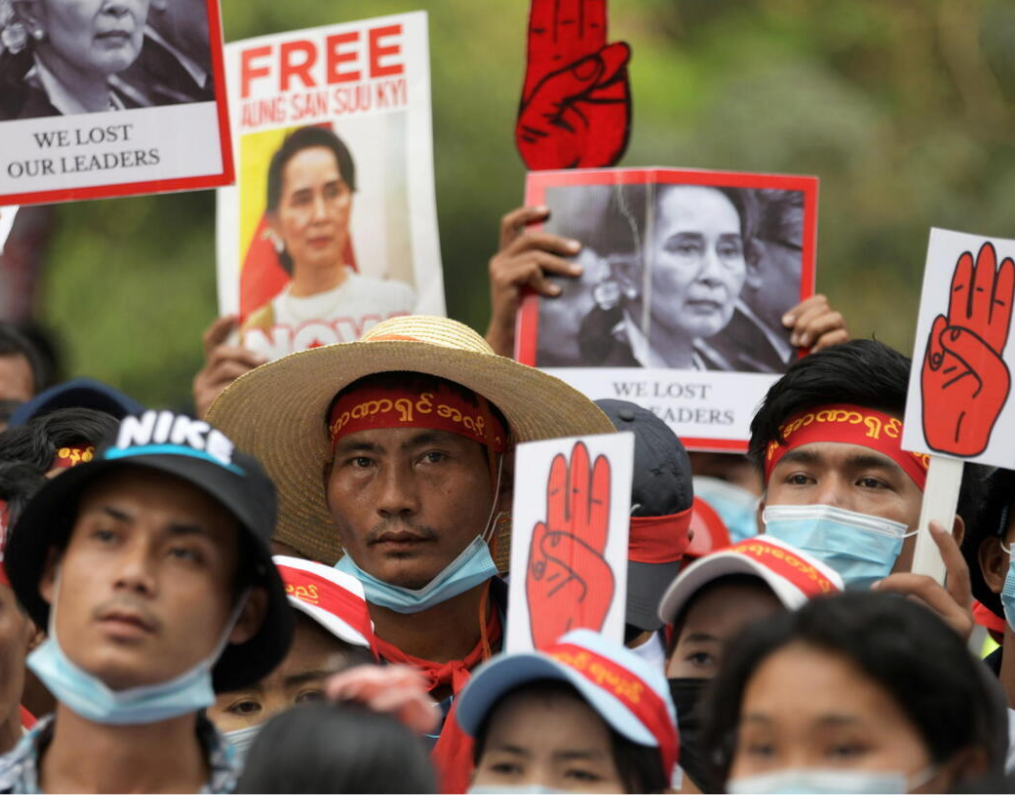
Myanmar junta pardons over ten thousand political prisoners
Demonstrators in Yangon hold portraits of Aung San Suu Kyi while protesting against Myanmar’s military coup, demanding democracy and the release of detained civilian leaders. […]