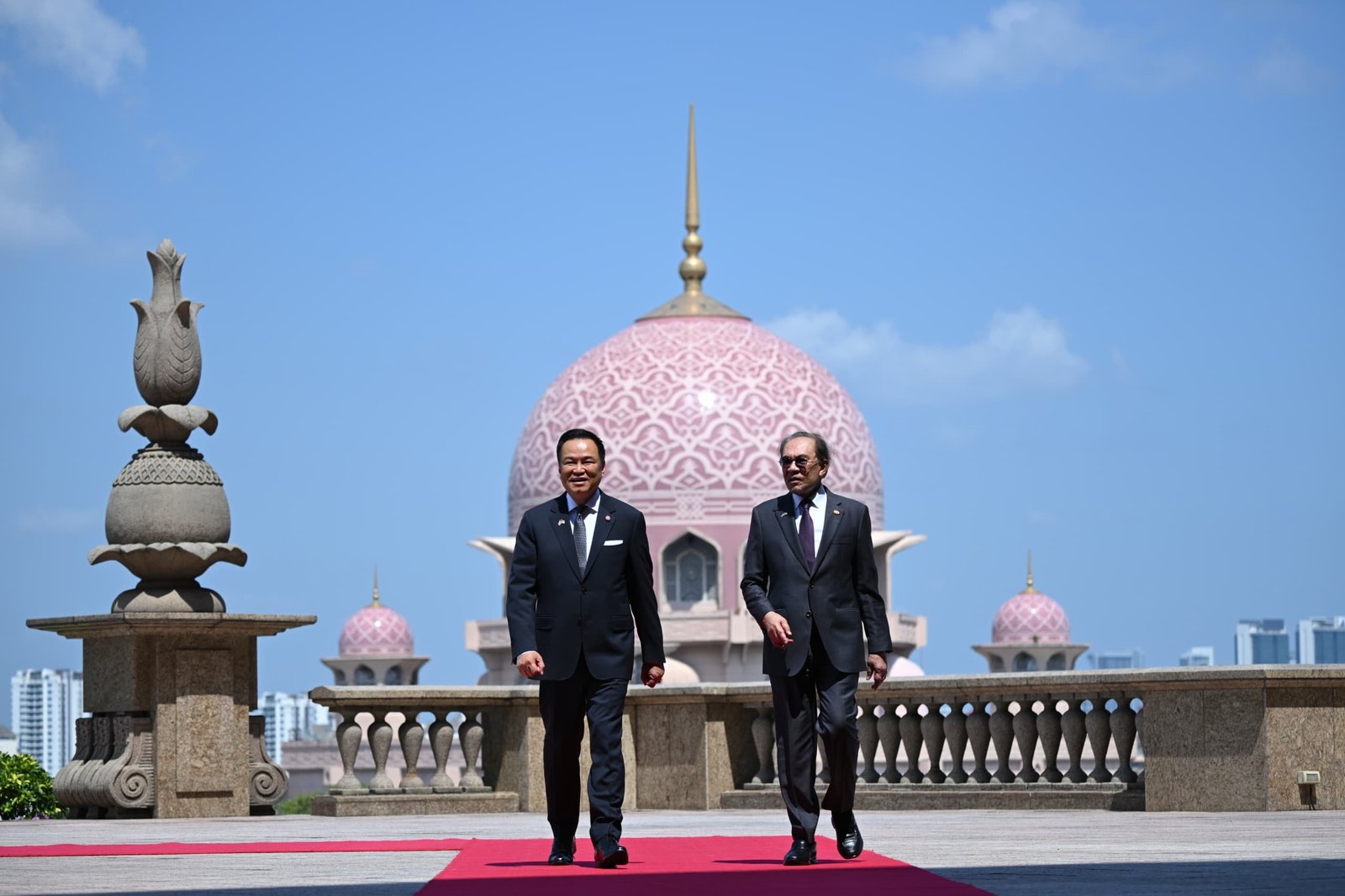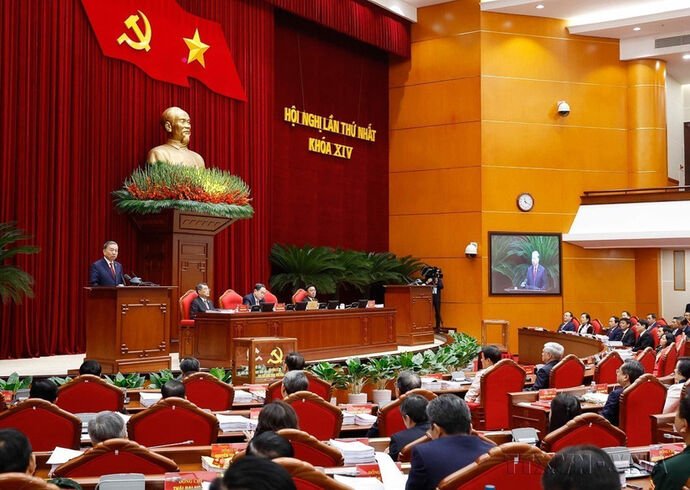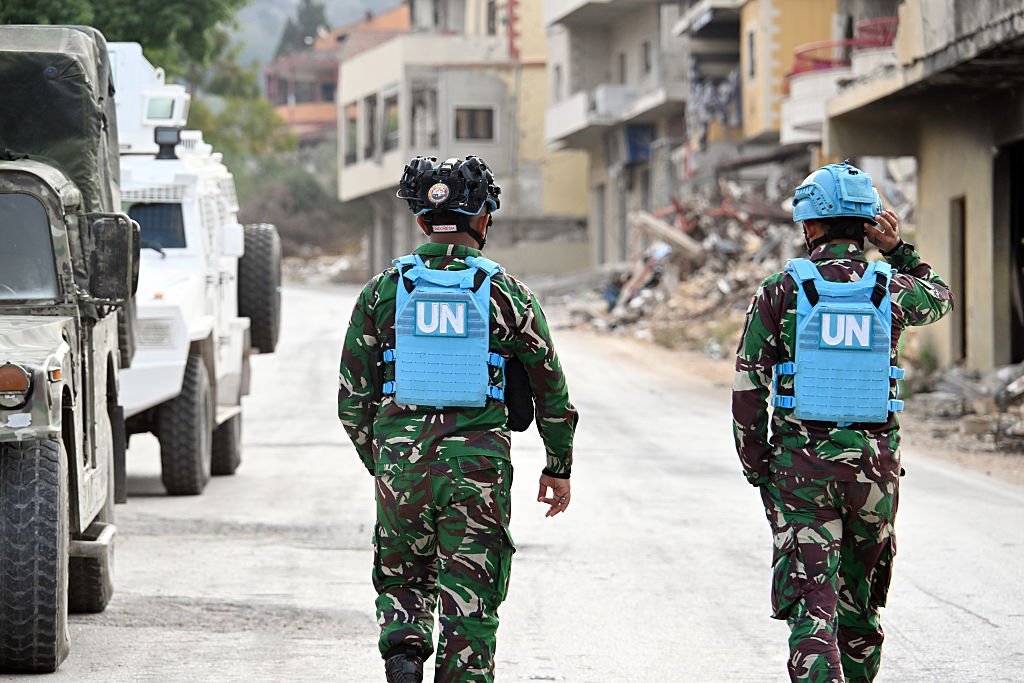
Global Town Hall 2026 on September 19. (FPCI)
On September 19, the Foreign Policy Community of Indonesia (FPCI) brought together diplomats, former officials, academics and civil society representatives for its Global Town Hall 2026, under the theme “Calling for a Global U-Turn: Recentering Development, Reclaiming Humanity, Restoring Justice in a Crazi(er) World,” with a special session focusing on the prospects for Palestinian independence and statehood.
The session on Palestine, titled “From Aspiration to Reality: Prospects and Challenges for Palestinian Independence and Statehood”, examined the political and humanitarian challenges surrounding Gaza, the West Bank and the future of Palestinian statehood.

Foreign Affairs Minister and Expatriates of the State of Palestine Varsen Aghabekian Shahin delivers her keynote speech at the FPCI Global Town Hall 2026 on September 19. (FPCI/Global Town Hall 2026)
The Minister of Foreign Affairs and Expatriates of the State of Palestine Varsen Aghabekian Shahin opened the discussion by arguing that Palestinian statehood should be treated as a right to self-determination rather than as an outcome dependent on an open-ended political process.
She said the continued Israeli occupation had prevented Palestinians from exercising full sovereignty and argued that ending the occupation and reversing policies affecting Palestinian territory and economic development were necessary for a two-state settlement.
Former Indonesian Vice President Jusuf Kalla said the two-state solution remained the option most widely accepted by the parties involved. He acknowledged, however, that it continued to face political difficulties.

High Representative for Gaza at the Board of Peace Nickolay Mladenov (upper left), President of the US/Middle East Project Daniel Levy (upper right), President of Al Sharq Forum Wadah Khanfar (lower left) and Moderator Professor Nathalie Tocci (lower right) take part in the FPCI Global Town Hall 2026 session on Palestinian statehood and the future of Gaza. (FPCI/Global Town Hall 2026)
Meanwhile, High Representative for Gaza at the Board of Peace Nickolay Mladenov outlined a proposed political transition involving the Palestinian National Authority, the decommissioning of weapons and an Israeli withdrawal to Gaza’s perimeter. He said that the progress would require the involvement of Israel, Egypt, the Palestinians and the wider international community.
High Representative for Gaza at the Board of Peace Mladenov also argued that Gaza should be treated as a political issue as well as a humanitarian one, linking conditions in the territory to the wider question of Palestinian statehood.
Other participants, including President of the US/Middle East Project Daniel Levy, and President of Al Sharq Forum Wadah Khanfar offered differing views on Palestinian statehood and the two-state framework. Professor Nathalie Tocci moderated the session, which also featured regional and international experts discussing the political future of Gaza and Palestine.
Against this backdrop, ASEAN’s continued support for Palestinian self-determination and a two-state solution. ASEAN reaffirmed that position in February 2025, while the bloc reiterated in January 2026 that efforts to resolve the Middle East conflict should not undermine Palestinian statehood or the right to self-determination.
For ASEAN, the issue extends beyond the Middle East. At the recent 48th ASEAN Summit, leaders discussed the regional and global implications of the Middle East crisis, including its effects on trade, investment, energy and food security and on the ASEAN community.
About The Author