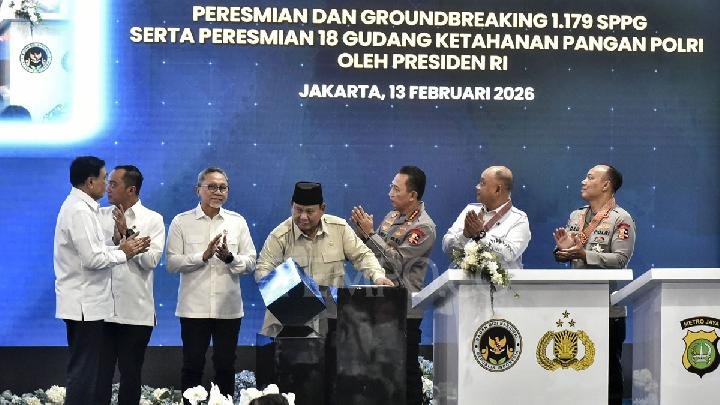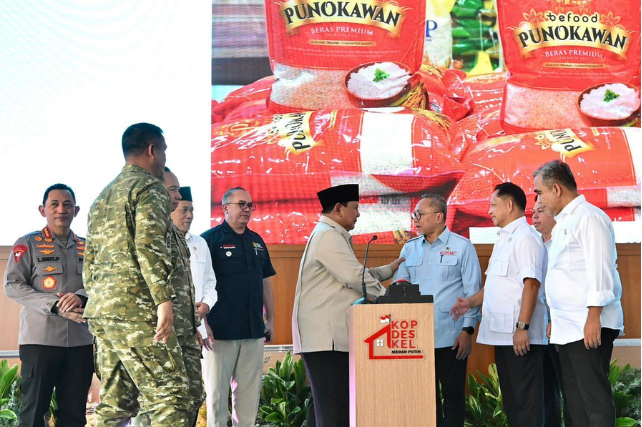
President Prabowo Subianto inaugurates 1,061 Merah Putih village cooperatives in Nganjuk, East Java, stressing grassroots economic growth and citing MBG and KDKMP as key foundations. (BPMI Setpres)
Three Indonesian trainees have been pronounced dead after undergoing compulsory basic military training organised by the Ministry of Defence. The training is a prerequisite for participation in the Indonesian Graduate Development Pioneers, Red and White Village/Urban-Village Cooperatives (KDMP) and Red and White Fishing Villages (KNMP).
The victims were identified as Anisa Muyassaroh, Yonanda Muhammad Taufiq and Novia Rahmadhani Sihotang, who were stationed at training sites in Balikpapan, Baturaja and Jakarta respectively. They were directed to undergo training for 1 full month, starting from June 14. Their physical conditioning began on June 17.
The Indonesian Ministry of Defence has confirmed this information. According to the Head of the Defence Information Bureau, Brigadier General TNI Rico Ricardo Sirait, Anisa suffered from a heat stroke which claimed her life on June 18. Meanwhile, Yonanda experienced a cardiac arrest following a rapid deterioration on June 17, coinciding with the start of the physical drills.
This unfortunate incident also happened to Novia. She was declared dead due to congenital tuberculosis (TB) on June 23. Notably, this diagnosis raises serious questions, given that Rico has informed she had been declared fit to take part in the training series prior to enrolment.
Deputy Chairman of Commission I of the Indonesian House of Representatives, Dave Laksono, urged the Indonesian public against stating a premature conclusion. “[…] it is important to provide space for the ongoing process of tracing and in-depth fact-finding so that all information can be understood completely, objectively, and based on accountable data,” he stated.
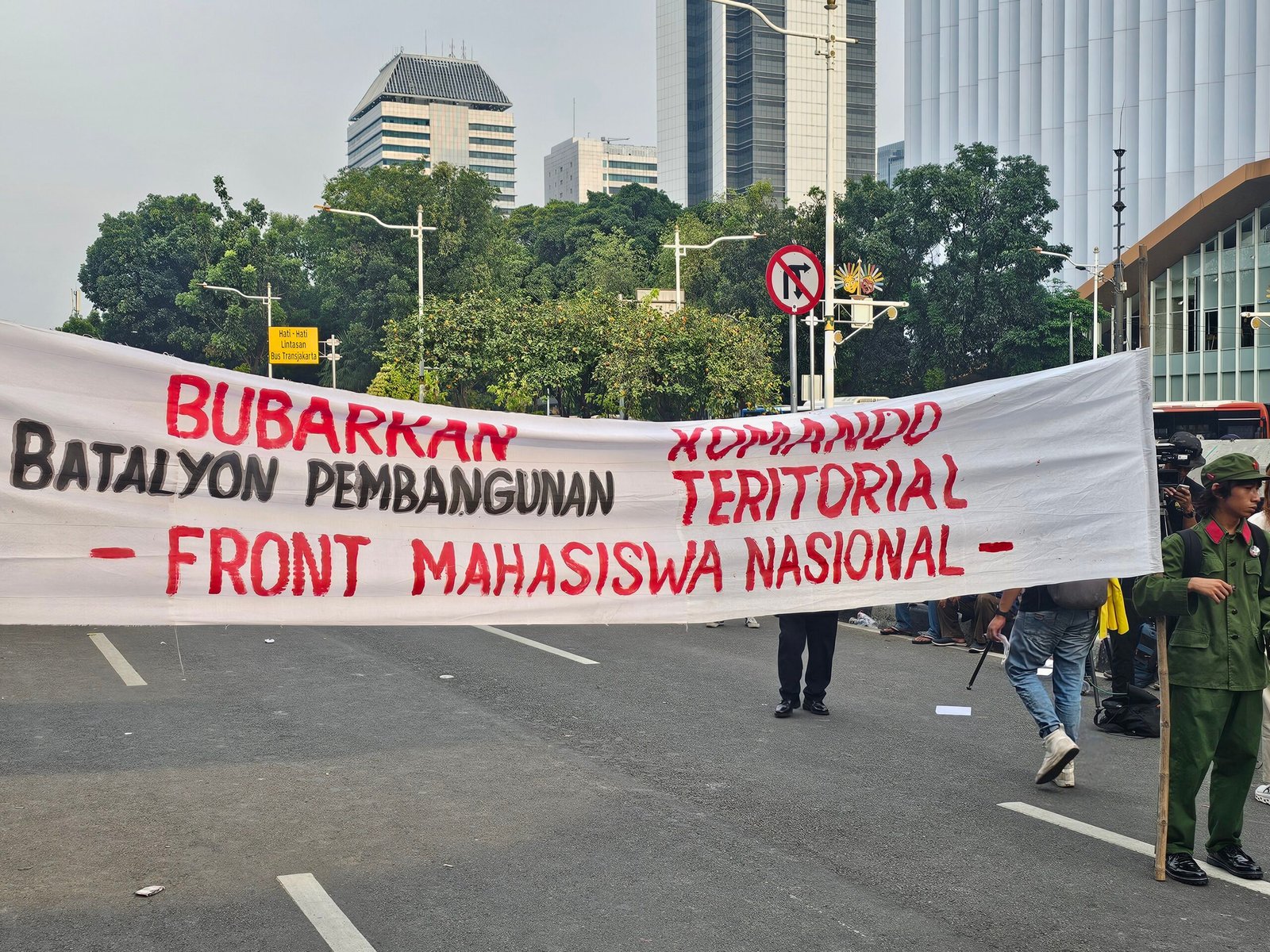
These fatalities highlight a systemic flaw in the broad initiative. The decision to involve military institutions to assist ambitious civilian development programmes has now sparked widespread controversy. Critics scrutinised the absence of specialised agencies with relevant expertise in the fields these graduates are meant to serve. These tragedies present solid evidence of the military’s espousal in civilian programmes.
About The Author