
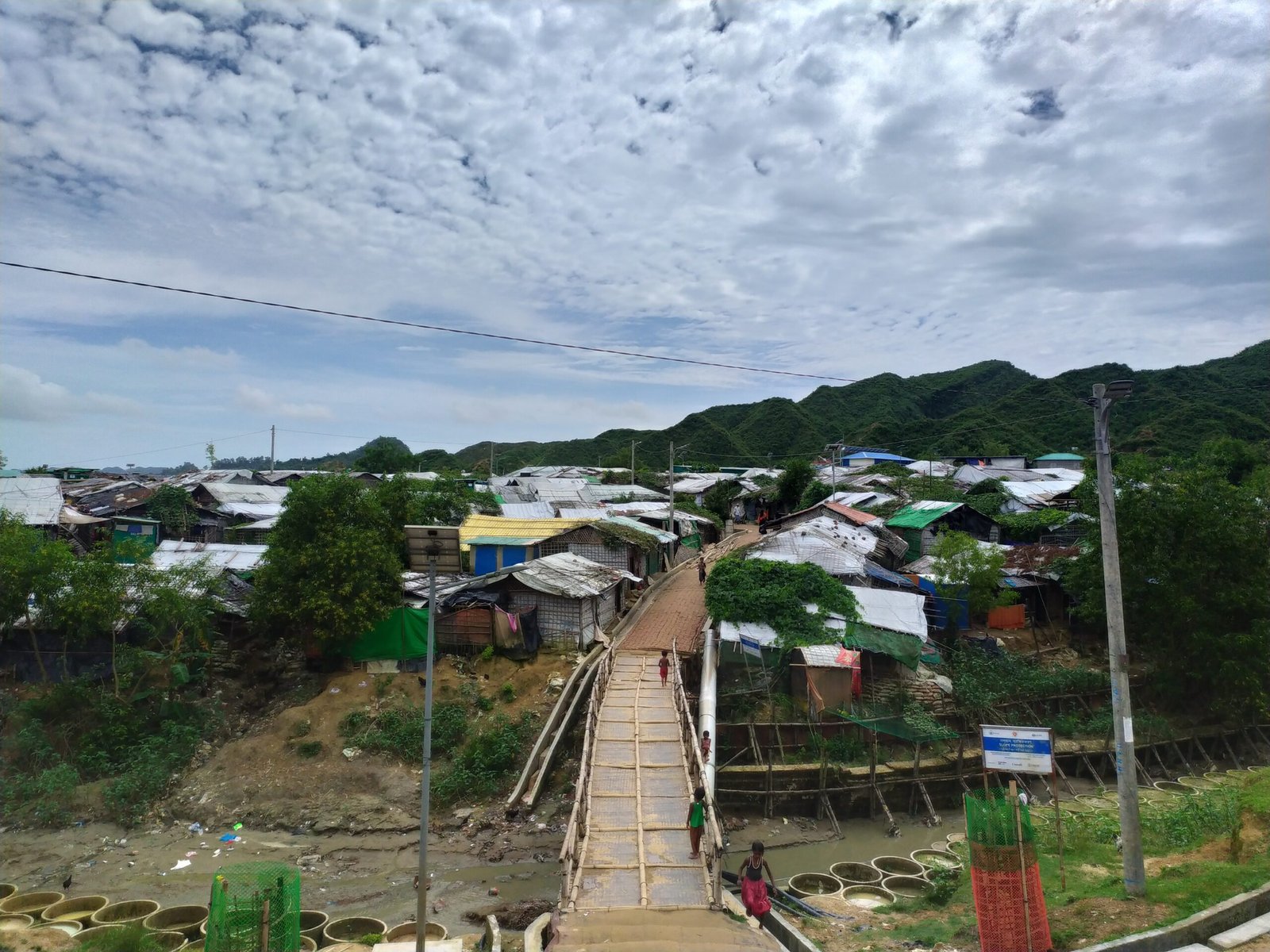
Rohingya Refugee Camp 26 in Teknaf, Cox’s Bazar, Bangladesh, one of the largest settlements hosting displaced Rohingya communities fleeing violence in Myanmar. (Masum-al-Hasan Rocky)
The Refugee Agency warned that financial shortages may jeopardise humanitarian assistance. While the UN has poured 710.5 million US dollars to secure basic needs like food, clean water, healthcare and shelter, UNHCR cautioned that financial shortages would threaten essential camp operations at a time of ongoing highly volatile frictions and escalation around the globe.
The majority of Rohingya escaped Myanmar’s Rakhine State in 2017 following intense military operations and sectarian violence. Today, the total number of refugees and asylum seekers had reached 1,617,523, spread across Bangladesh, Malaysia, Thailand, India and Indonesia.
Moreover, the ongoing political turmoil following the military junta’s seizure of power in 2021 has triggered a massive surge of displaced persons within Myanmar. The UNHCR has recorded that over 3.7 million people, including 600,000 stateless Rohingya have been displaced, as clashes between armed groups and the military intensify.
In response, Myint Kyaing, the Minister of Immigration and Population of Myanmar, met with Barnaby Jones, the UNHCR Representative to Myanmar, on June 5 to discuss the practicalities of the UNHCR’s scope of work within Myanmar. Both sides agreed that UNHCR staff should coordinate domestic travel and assistance activities with relevant local authorities, and work only through officially registered NGOs and INGOs. Moreover, the ministry insisted that UNHCR must use public information based on data verified and confirmed by Myanmar’s departments and relevant organisations.
The meeting also discussed the repatriation of displaced persons from Rakhine State, with both parties reviewing ongoing cooperation between Naypyidaw and Dhaka. Officials highlighted the importance of accurate communication and pledged to continue strengthening collaboration under the existing Memorandum of Understanding.
The cooperation between the UNHCR and Myanmar’s government presents both opportunities and challenges. While the UNHCR seeks to expand humanitarian access, Myanmar’s cautious and state-centred approach to humanitarian response reflects a politically charged situation. The crisis remains one of the world’s most challenging humanitarian emergencies, where commitment and consistency of providing reliable funding remain essential to assist life-saving operations and protect vulnerable communities.
About The Author

One thought on “UNHCR highlights 1.2 million Myanmar Rohingya refugees, calls for urgent support ”