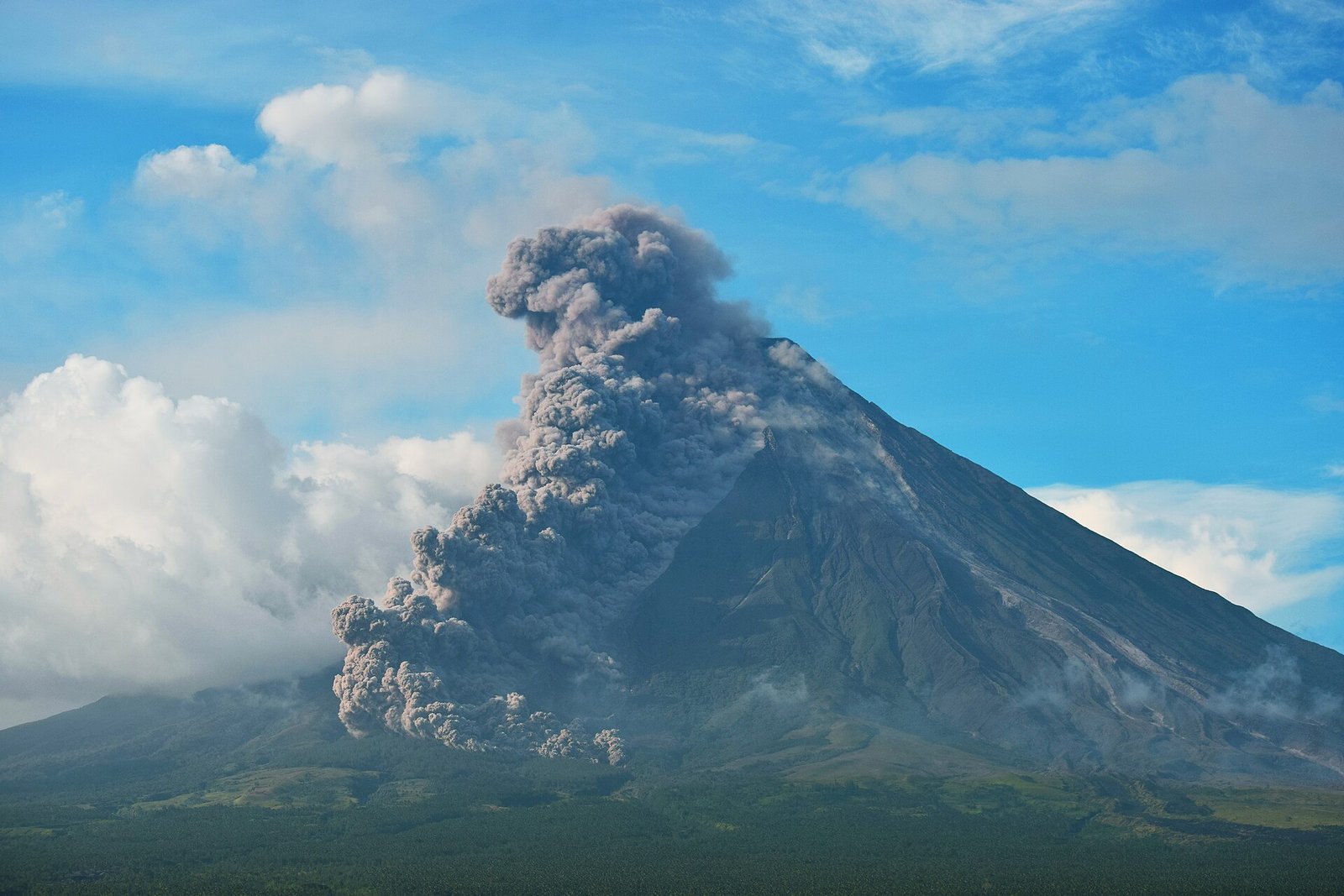
The perfect-coned Mayon volcano erupted on January 22, 2018. (Jaycee Esmeria via Wikimedia)
On May 4, the government of the Philippines ordered a full national response to assist communities affected by ashfall due to the ongoing unrest of Mayon Volcano in Albay province since May 2. Monitoring has since recorded 32 volcanic earthquakes, including 25 tremors lasting up to 15 minutes. The activity has affected at least 50 villages, with authorities warning that one of the country’s most active volcanoes remains in a state of high unrest.President Ferdinand Marcos Jr. directed key state agencies to immediately support residents living near the volcano, particularly in the towns of Guinobatan and Camalig. The order focuses on protecting public health, ensuring community safety and keeping essential services running in areas affected by volcanic ash.
Several government departments have also begun emergency operations. The Department of Public Works and Highways has started clearing ash deposits from major roads to keep transport routes open for residents and emergency teams. Meanwhile, the Department of Health has distributed N95 masks and deployed mobile clinics and water stations to help residents suffering from ash-related health problems such as coughing, breathing difficulties and eye irritation.
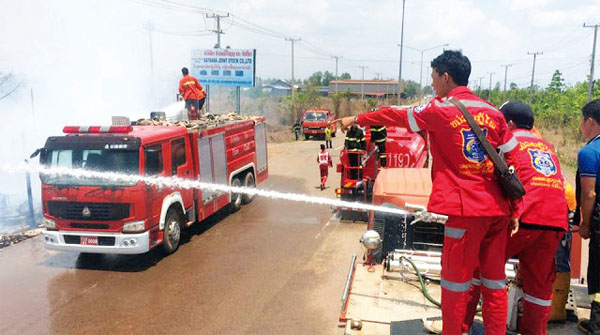
Support operations have also been carried out by the Department of the Interior and Local Government, which mobilised firefighters from the Bureau of Fire Protection to spray water and remove ash from affected communities. Officials are also watching nearby rivers and waterways closely, as heavy rainfall could trigger dangerous lahar or volcanic mudflows. Residents have been urged to remain indoors, wear protective masks and follow safety advisories issued by local authorities.
In addition, the Philippine National Police has deployed additional officers around Mayon’s slopes as officials consider extending the current six-kilometre Permanent Danger Zone to seven kilometres. Simultaneously, police have set up round-the-clock checkpoints and increased patrols at entry routes to the volcano, with both foot and mobile teams operating on the ground. Authorities are also studying the use of aerial monitoring to watch remote paths leading into restricted areas.
About The Author