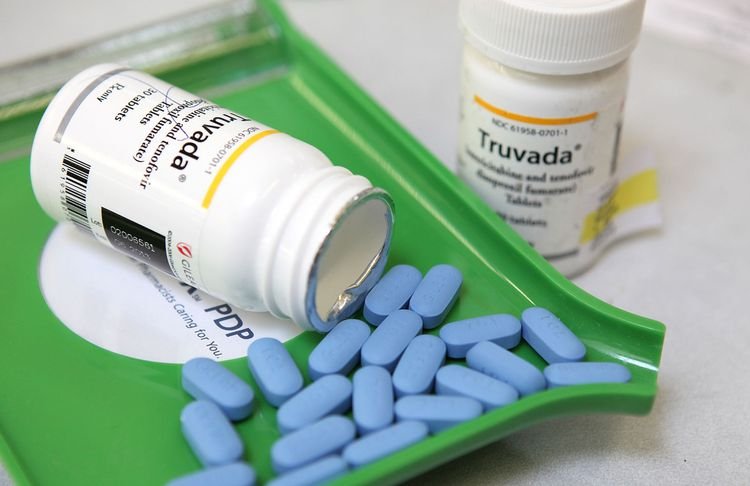
Illustration of Anti retro-viral or known as ARV. (Getty Images/Justin Sullivan)
On July 5, Indonesia’s Ministry of Health renewed its call for more inclusive healthcare services for people affected by HIV and tuberculosis (TB), warning that stigma, discrimination and fragmented care continue to prevent vulnerable groups from receiving timely treatment.
Health Ministry official Imran Pambudi said structural barriers, social prejudice and, in some cases, violence still discourage many people from accessing essential healthcare. He stressed that services must become more equitable and patient-centred, particularly as the country’s population living with HIV grows older.
According to the ministry, more than 500,000 people in Indonesia are living with HIV, with approximately 39,000, or 7,7% now aged over 50. That figure is expected to rise further by 2030 as wider access to antiretroviral therapy continues to extend life expectancy.
Ageing patients often require treatment for multiple conditions, including diabetes, hypertension, cardiovascular disease, osteoporosis and cognitive decline, alongside HIV care. Many must attend different facilities for separate treatments, increasing travel costs, prolonging waiting times and raising the likelihood of interrupted care.
He also highlighted the growing burden of tuberculosis among older adults, citing global data showing that people aged 65 and above represented 21 % of TB cases and 23% of TB-related deaths in 2023. Because symptoms are frequently mistaken for normal ageing or chronic illnesses, diagnosis is often delayed, allowing transmission to continue.
To address these challenges, the Health Ministry official called for expanded active TB screening through community health posts, nursing homes and primary healthcare centres, supported by better training for health workers in diagnosing TB and managing complex medication regimens.
He further advocated integrating HIV and TB services with mental healthcare, chronic disease management, rehabilitation and social protection programmes. Disability-friendly facilities, accessible information, sustainable funding and stronger health data systems, are essential to improving treatment outcomes. Success should be measured not only by reduced infection rates but also by treatment retention, viral suppression, improved disability access and better quality of life for vulnerable communities.
About The Author