
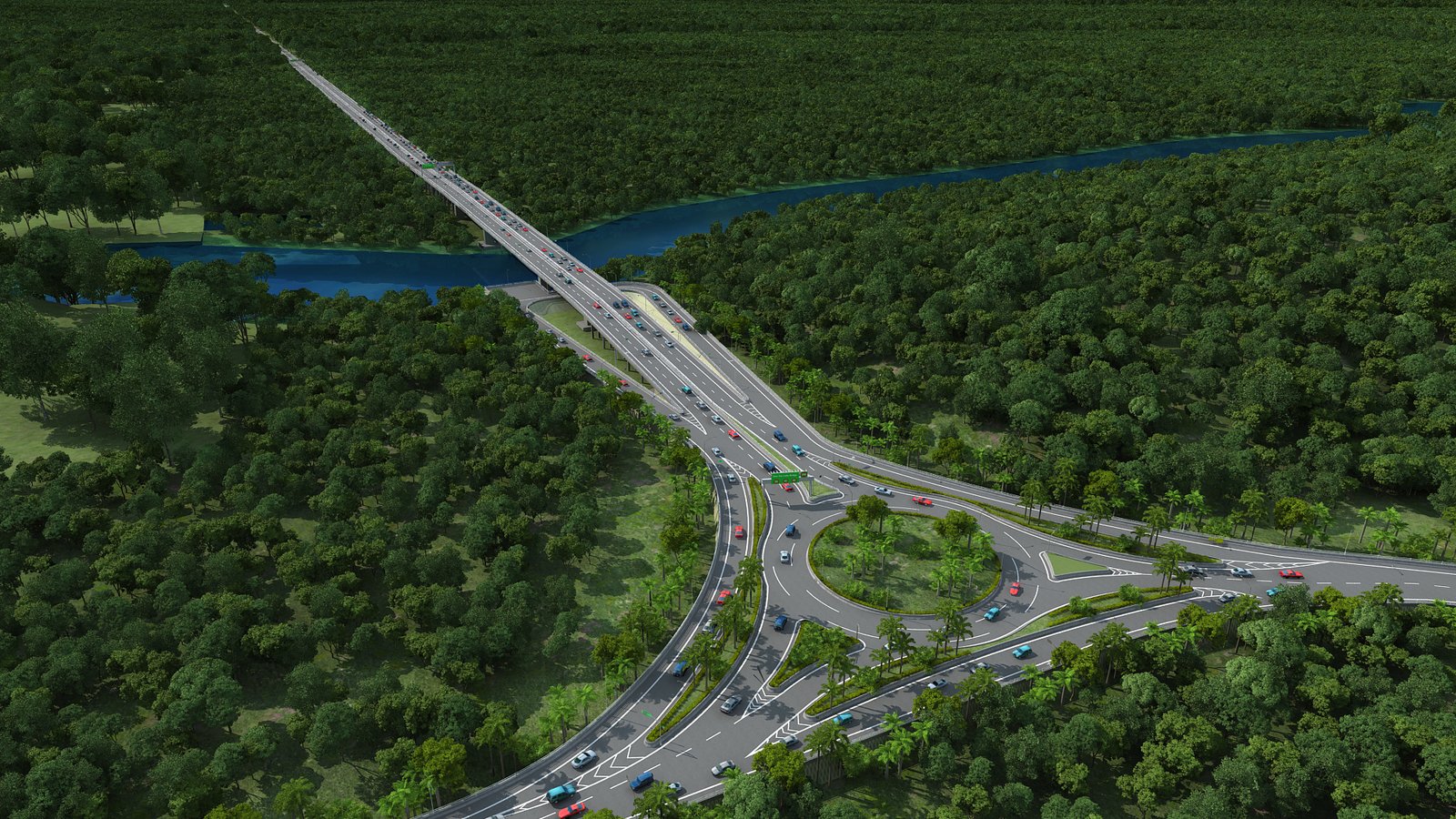
Temburong bridge opens new opportunities for Brunei’s “Green Jewel.” (China State Construction)
On March 17, Brunei Darussalam is strengthening its approach to balancing economic development with environmental protection through a policy-driven framework focused on sustainability. Speaking at the Legislative Council Session, Minister of Primary Resources and Tourism Dato Seri Setia Dr Haji Abdul Manaf bin Haji Metussin outlined how national strategies are guiding land-use planning while preserving ecological assets.
Central to this approach are the National Forestry Policy and the National Biodiversity Policy and Strategic Plan of Action (NBP-SPA). The forestry policy emphasises sustainable management of forest resources, supporting conservation while contributing to socio-economic development and long-term ecological balance. Brunei has committed to maintaining at least 55% of its land area as forest reserves under this framework.
Complementing this, the NBP-SPA sets out a comprehensive roadmap to manage biodiversity sustainably by 2030. The plan includes four strategic goals, 18 targets and 50 action points, aimed at integrating environmental protection with economic development priorities. Authorities also ensure that development proposals involving forest areas are reviewed through coordinated planning mechanisms, including technical assessments by the Forestry Department.
Currently, forest coverage in Brunei Darussalam exceeds 70% of total land area, with around 41% designated as protected forest reserves. These include conservation zones, production forests, recreational areas and national parks. This structured approach allows economically viable projects to proceed while safeguarding environmentally sensitive areas, supporting a dual objective of growth and sustainability.
Brunei’s policy framework signals a stable and sustainability-focused investment environment, particularly for businesses operating in sectors such as eco-tourism, sustainable forestry, environmental services and green infrastructure. Companies seeking to invest in land-intensive projects will need to align closely with environmental regulations and land-use planning requirements, which may lengthen approval timelines but reduce long-term regulatory risks. The government’s strong commitment to conservation also creates opportunities for firms specialising in biodiversity management, carbon solutions and sustainable resource use. At the same time, the integration of environmental considerations into economic planning suggests that future growth sectors may increasingly prioritise sustainability and low-impact development. Businesses that adopt environmentally responsible practices and align with national sustainability goals are likely to benefit from policy support and long-term market stability.
About The Author


One thought on “Brunei aligns economic growth with environmental sustainability framework”