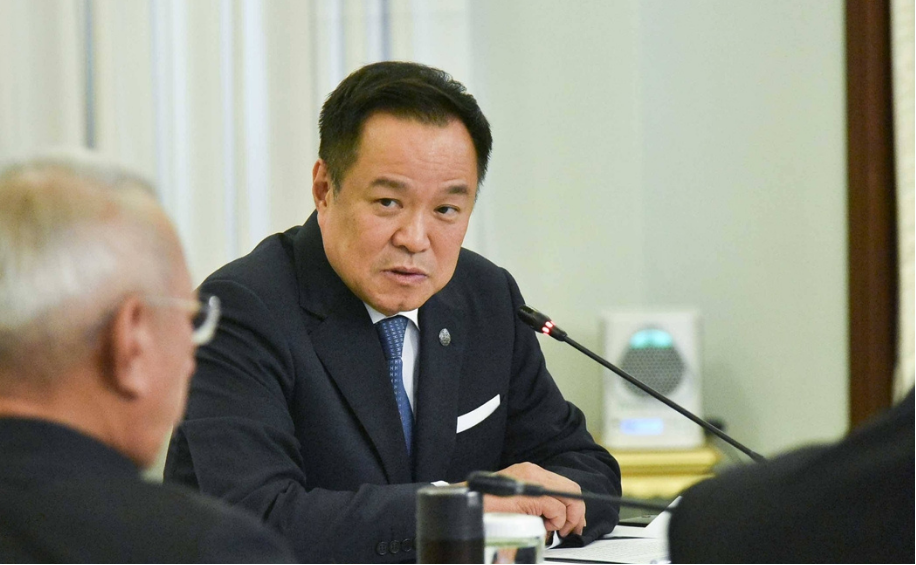
Prime Minister Anutin Charnvirakul issues an executive order suspending the export of finished petroleum products (The Star)
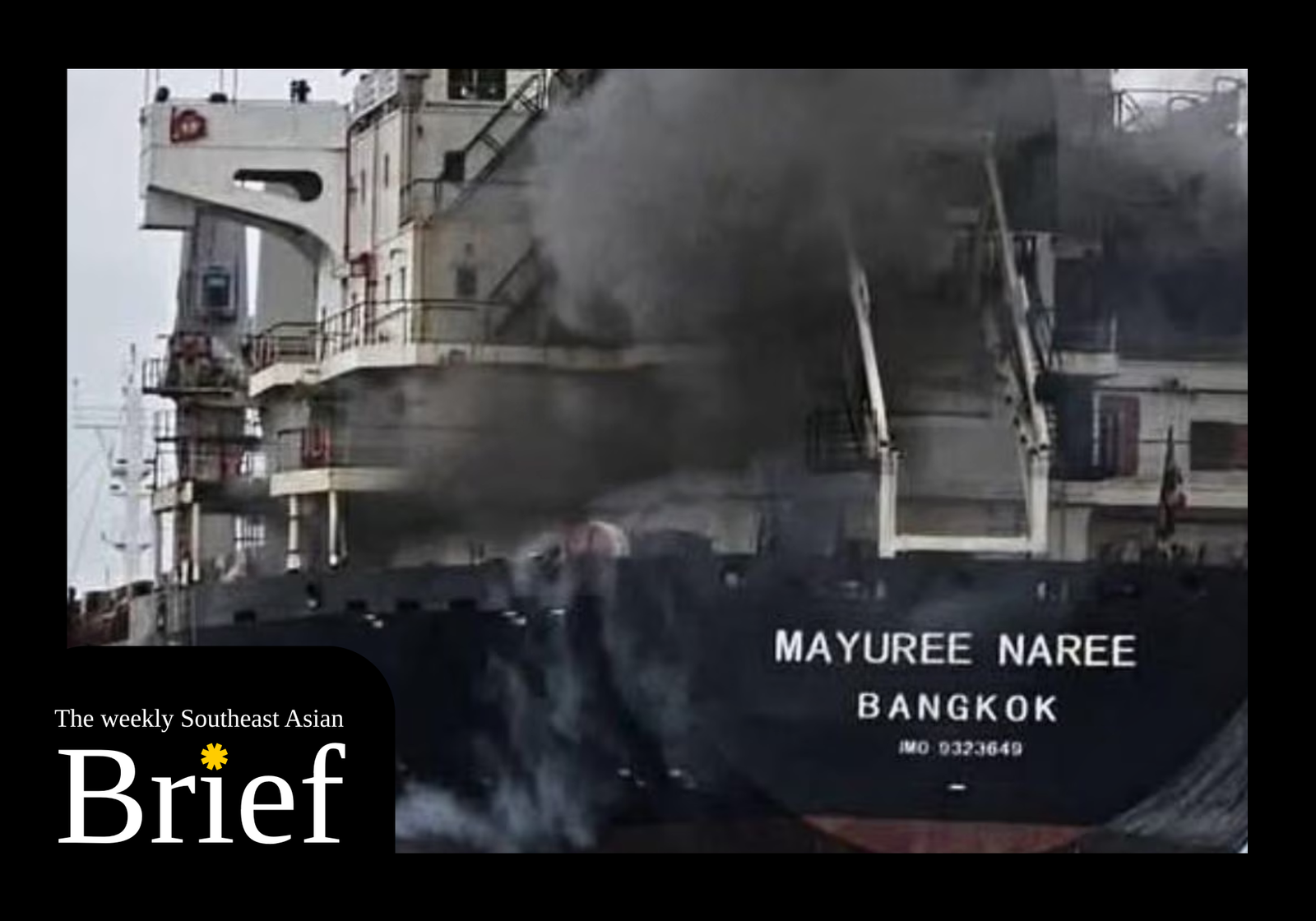
On March 6, Thailand has ordered the immediate suspension of several fuel exports in an effort to prevent potential domestic shortages as escalating tensions in the Middle East continue to disrupt global energy routes.
The directive was published in the Royal Gazette Thailand, stating that oil traders regulated under the country’s fuel trade laws must temporarily halt exports of selected petroleum products until further notice. The measure comes amid concerns that the ongoing conflict in the Middle East could affect Thailand’s fuel supply, with authorities acknowledging that the duration of the crisis remains uncertain.
According to the order, the export suspension applies to a range of refined petroleum products, including gasoline, gasohol or base gasoline, high-speed diesel, Jet A-1 aviation fuel and liquefied petroleum gas (LPG). The government said it is aimed at safeguarding national energy reserves and ensuring adequate supplies for domestic consumption during a period of heightened global uncertainty.
The order was issued under Section 3 of the Emergency Decree on the Correction and Prevention of Fuel Shortages, enacted in 1973. In addition, traders operating under Section 7 of the Fuel Trade Act of 2000 have been instructed to maintain higher levels of domestically produced refined petroleum reserves. The requirement will increase to 1.5% from March 31, 2026, and rise further to 3% from April 30, 2026.
Meanwhile, the Thai government has also established a special task force known as the Centre for the Administration and Monitoring of the Situation of Fighting in the Middle East (CABM). The centre is tasked with assessing developments in the region and coordinating measures to mitigate potential impacts on Thailand.
The Prime Minister’s Office said caretaker premier Anutin Charnvirakul will serve as an adviser to the centre, while the Deputy Prime Minister and Minister of Transport will act as its director, supported by the Deputy Prime Minister and Finance Minister as deputy director. The centre will oversee coordination among government agencies and state enterprises, while also ensuring the public receives accurate and timely information regarding the evolving situation.
About The Author