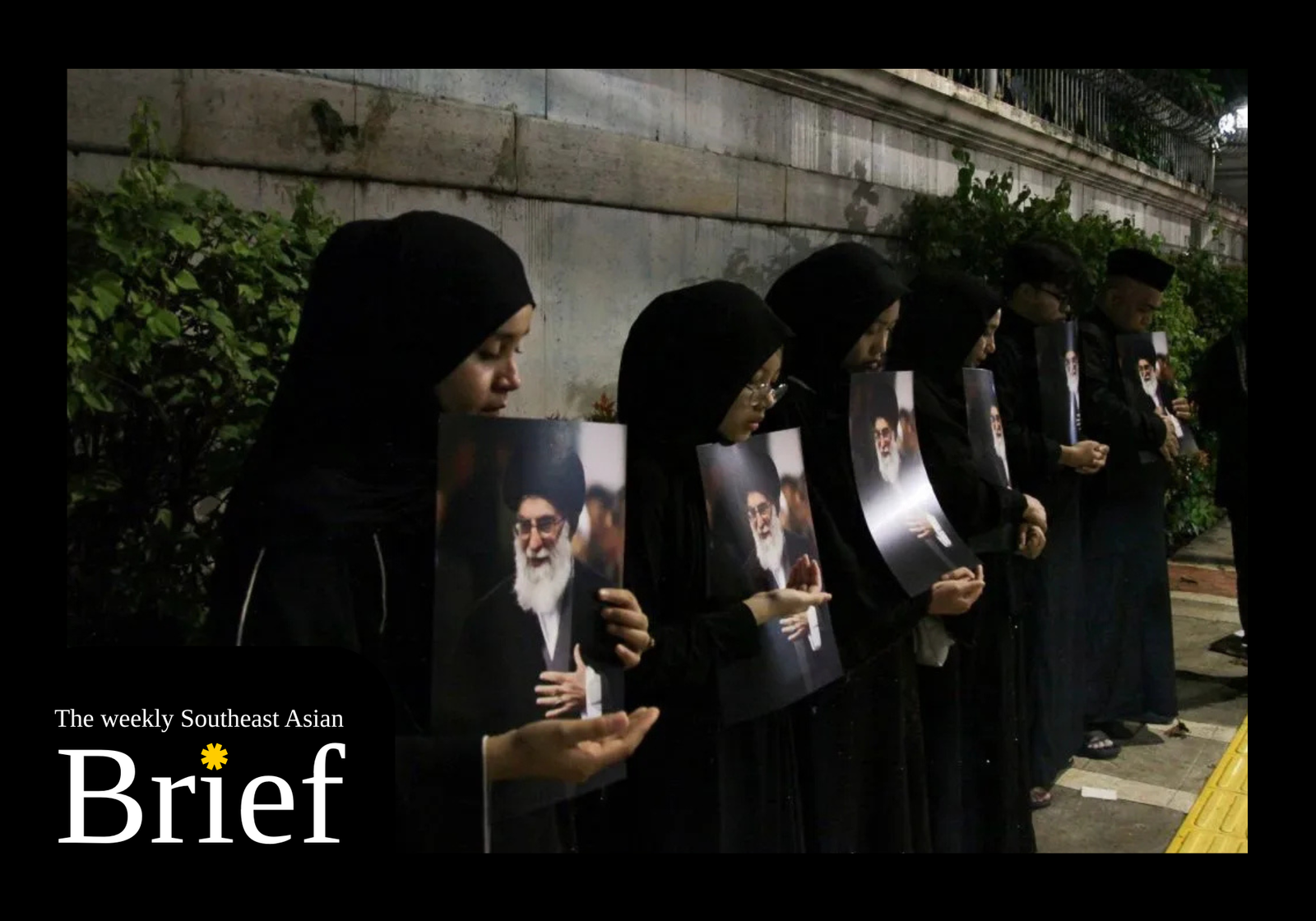
A group of people praying during the solidarity march for Iran in front of the Iranian Embassy in Jakarta on March 1, 2026. (Antara News)
The US-Israel strikes on Iran, which killed the latter’s Supreme Leader Ayatollah Ali Khamenei and his influential aides on February 28, prompted different reactions across Southeast Asia. While geographically distant, Southeast Asian governments stated concerns, expressed with cautious language, economic anxiety, and, in some countries, blunt condemnation.
Broadly, their response can be categorised in three types: the outspoken critics, the cautious pragmatists and the indifferents.
Most adopt a more measured attitude. Thailand stated their ‘grave concern’ and ‘urged conflicting parties to exercise utmost restraint to prevent further deterioration of the situation and the expansion of conflict, which would inevitably affect innocent civilians’.
Singapore expressed ‘regrets [towards] the failure of negotiations’ and appealed to every party involved to resort to ‘negotiations to achieve a peaceful resolution in accordance with international law and the principles of the UN Charter’.
Similarly, Vietnam called on all parties to ‘act with responsibility, strictly adhere to international law, the United Nations Charter and relevant United Nations resolutions, respect the sovereignty and territorial integrity of nations, and resume negotiations’.
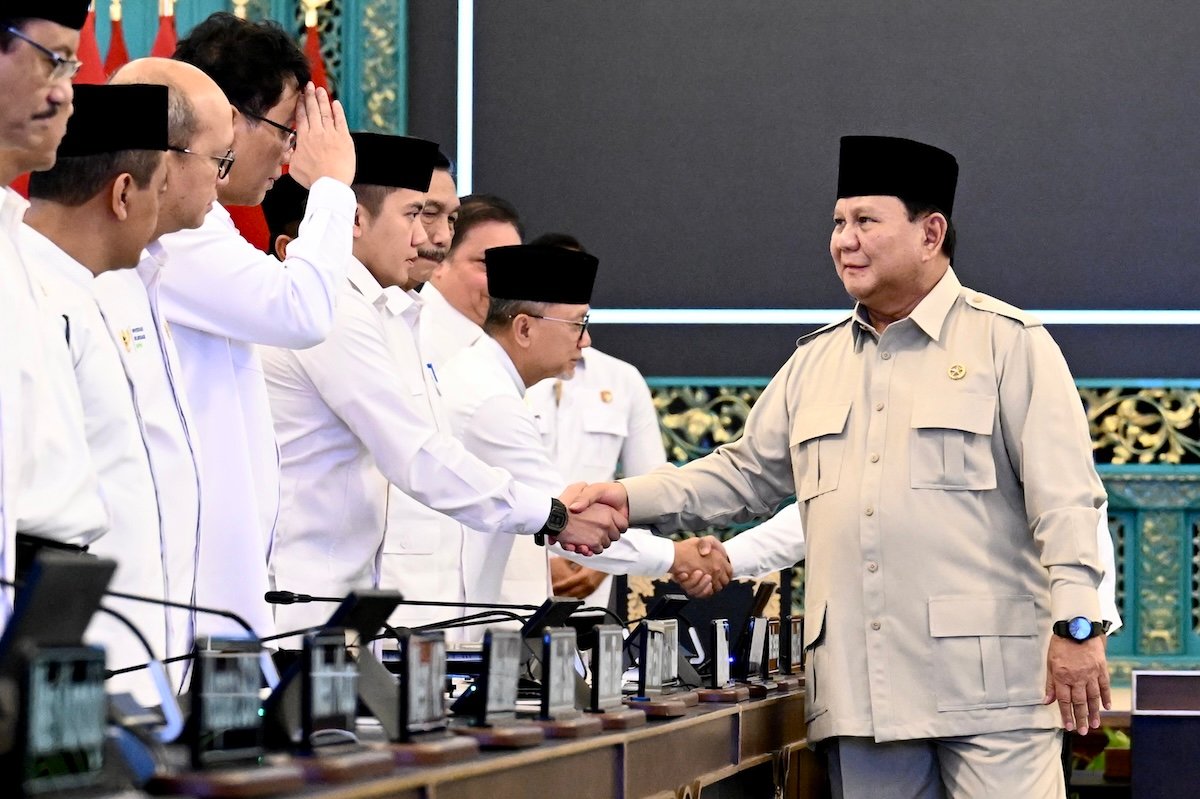
Indonesia voiced a deep concern, while President Prabowo Subianto, offered a visit to Iran to be a mediator. To date, no response has been issued by the conflicting parties.
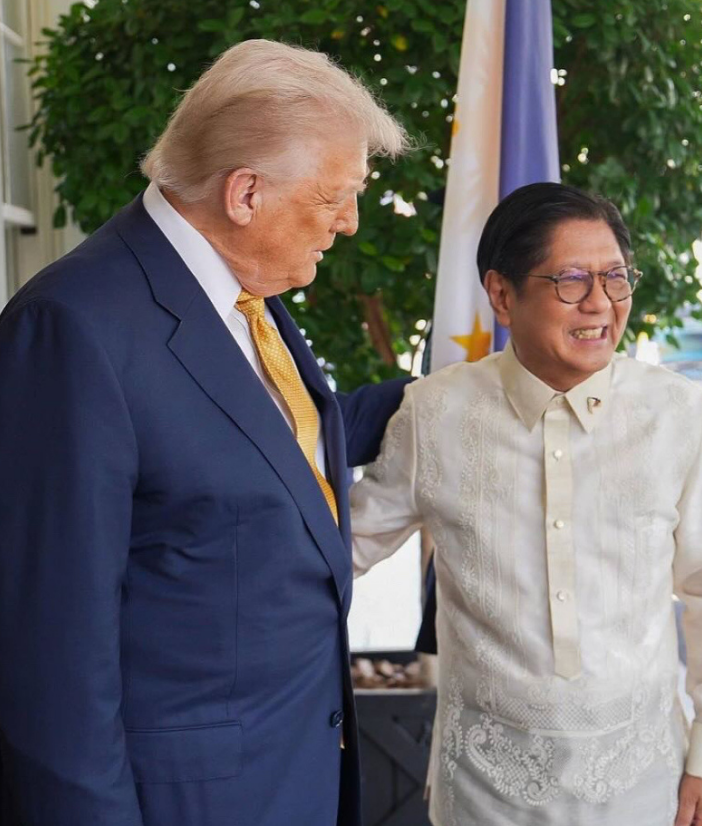
The Philippines was ‘gravely concerned’ following the attack, considering ‘the welfare of the people of the Middle East and the Filipinos’.
Laos and Cambodia expressed their similar sentiments over the ongoing conflict, reflecting the region’s stance toward caution and de-escalation.
Timor-Leste paid a more pointed stance. While condemning Iran for attacking the Gulf countries, President José Manuel Ramos-Horta called for ‘restraint and an end to the military campaign against Iran. He added, ‘The US and Israel attack on a non-nuclear armed country, and the assassination of the Iranian spiritual leader, clearly violate the United Nations Charter and International Law.’
Meanwhile, Malaysia and Brunei Darussalam expressed outright criticisms against the US-Israeli attacks.
Brunei ‘condemns the attacks against the Islamic Republic of Iran on February 28, 2026. These attacks resulted in the loss of innocent civilian lives and provoked retaliatory strikes in the Kingdom of Bahrain, State of Kuwait, State of Qatar, Kingdom of Saudi Arabia and the United Arab Emirates’.
Malaysia became the region’s most fervent critic of the war. Prime Minister Anwar Ibrahim, in a statement approved unanimously by the parliament, ‘condemns the assault on Iran by the US and Zionist regime’.
Furthermore, PM Anwar ‘unreservedly condemns the killing of Iranian Supreme Leader Ali Khamenei.’ He also asserted that the aggression ‘placed the Middle East on the edge of grave and sustained instability’.
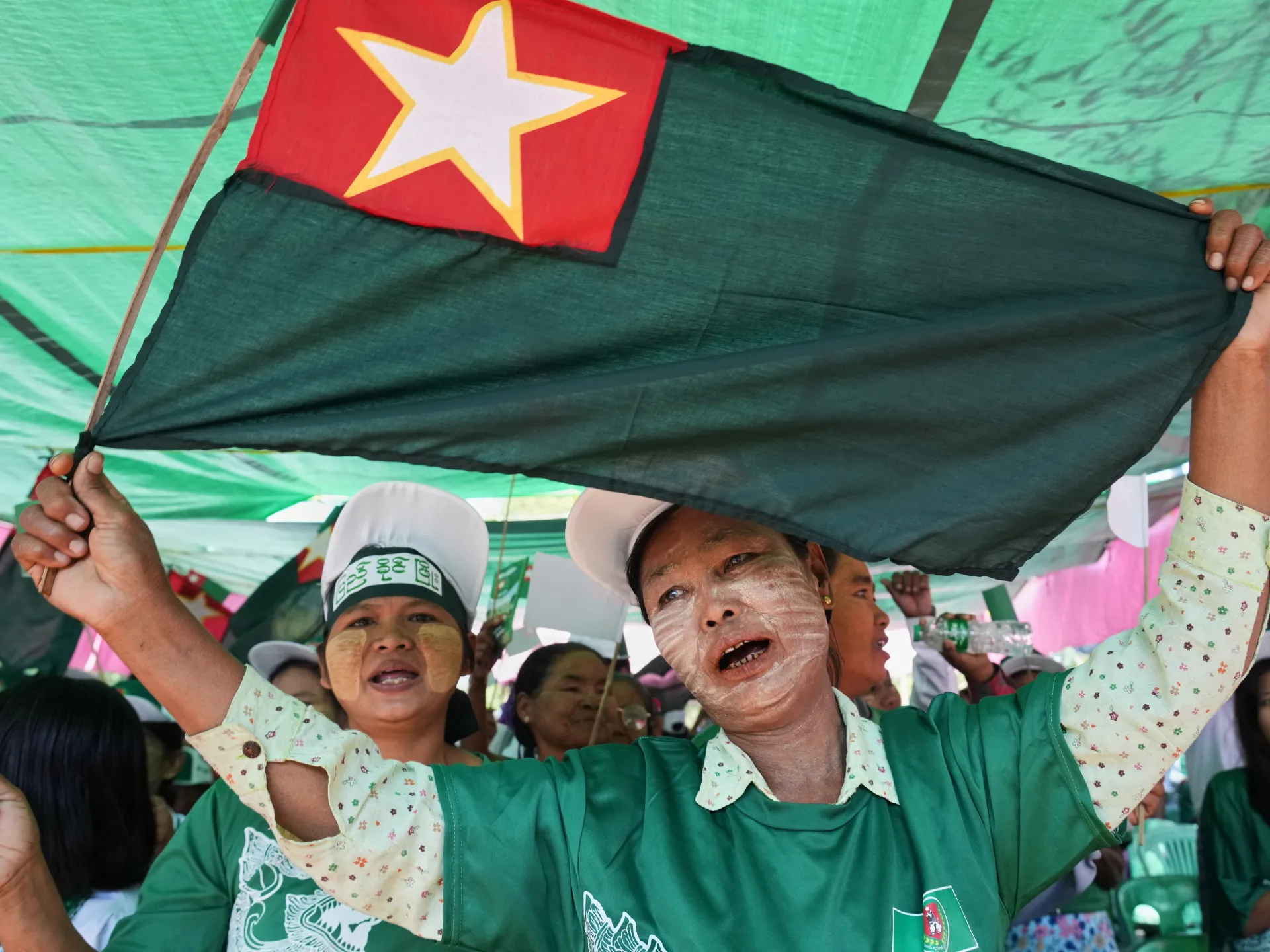
However, one ASEAN member state, Myanmar, finds this conflict irrelevant and chooses silence over attitude. This suggests either strategic neglect or preoccupation due to domestic challenges.
Overall, Southeast Asia adopts an intricate stance toward global conflicts, as it always has. Governments largely prioritise diplomatic neutrality to safeguard economic interests. Meanwhile, others view the conflict through ideological and domestic political lenses. The region’s grouping, ASEAN, itself continues to maintain a pragmatic, neutral, and cautious attitude, seeking to avoid shifts, testing the bloc’s unity and principles.
About The Author