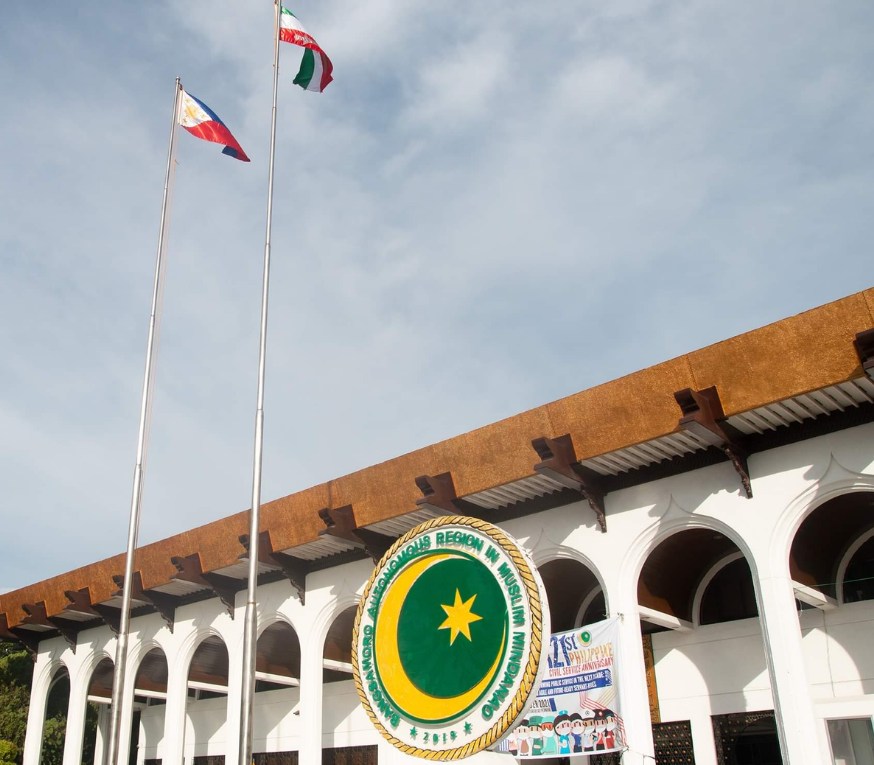
Bangsamoro governance in focus: unity, identity, and service at the heart of the Autonomous Region in Muslim Mindanao. (Bangsamoro Information Office)
On March 10, the House of Representatives of the Philippines passed a bill to hold legislative elections in the Bangsamoro Autonomous Region in Muslim Mindanao (BARMM) during the second week of September 2026. Previously, there was an internal discussion in the House aiming to align the polls with the nationwide election in 2028.
This decision highlights the significant peace-building efforts in the BARMM, which encompasses the country’s southern Muslim-majority provinces, such as Maguindanao del Sur, Maguindanao del Norte, Lanao del Sur, Basilan, and Tawi-Tawi. The special autonomous region also governs the cities of Marawi, Lamitan, and Cotabato, along with the Special Geographic Area in Cotabato province.
Bangsamoro, the Muslim-populated region in Mindanao island, has endured decades of bloody conflicts between the government and the Moro Islamic Liberation Front. This armed conflict was resolved by the signing of the Comprehensive Agreement on the Bangsamoro (CAB) on March 27, 2014, paving the way for the Bangsamoro Organic Law (BOL). Yet tension persisted partly due to the discontent of Bangsamoro Islamic Freedom Fighters (BIFF) and other smaller jihadist groups, which were not included in the peace process.
Consequently, clan wars among tiny factional groups have further complicated the state-building process. This is further reflected on March 9, where renewed clashes among tiny groups broke out between Commander Kuntay and the supporters of Nabalawag Mayor. This exchange of gunfire incident displaced around 20,000 residents across Nabalawag city, forcing the Army to intervene. The conflict also suspended the local schooling system in the region as students were evacuated and classes were suspended.
A long way to reach the peace process requires active commitment among the conflicting parties. Furthermore, mediators such as the International Contact Group, the Third Party Monitoring Team (TPMT) and other watchdog organisations continue to play a significant role in facilitating dialogues. These organisations also contribute to monitoring and evaluating the implementation of the peace agreement.
About The Author