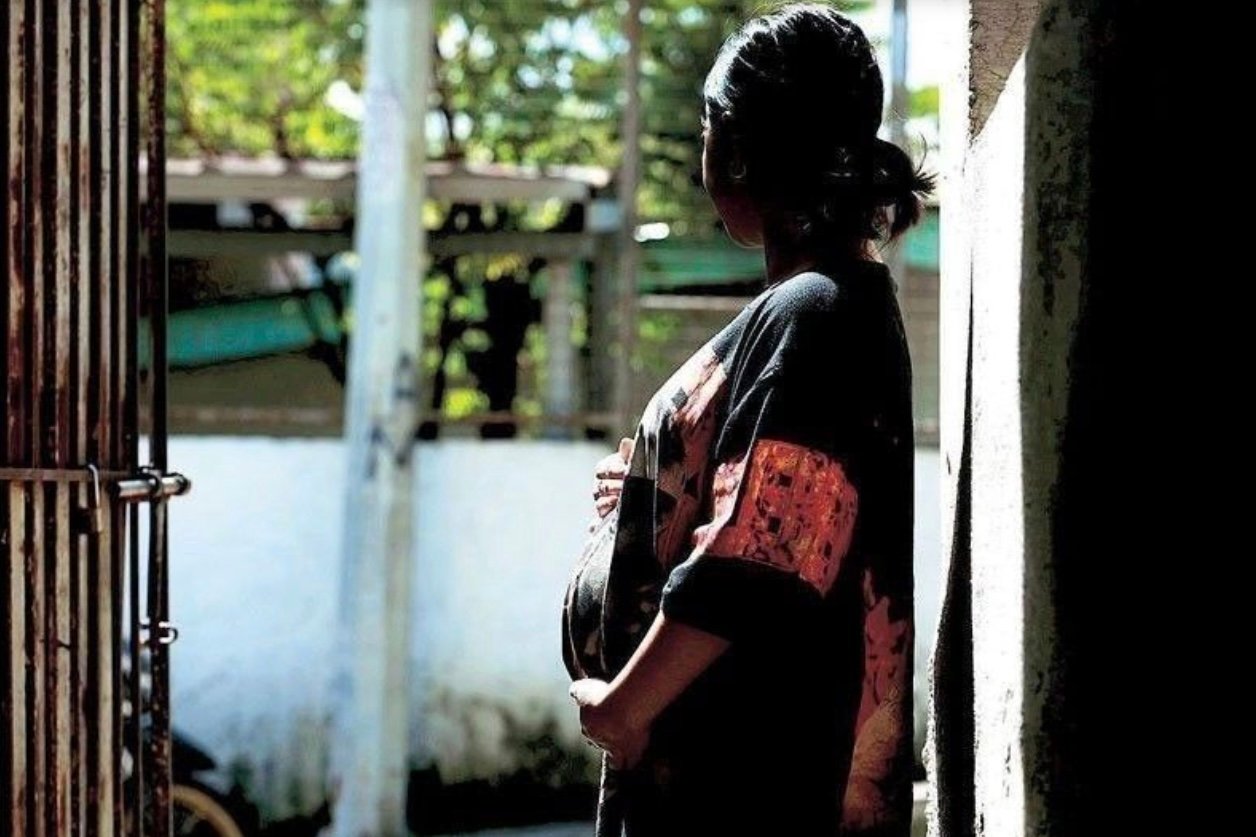
A teenage girl remains at home in Quezon City after leaving school due to pregnancy. (The Star)
Women in the Philippines are having fewer children than ever before, with the country’s fertility rate continuing to fall below the level required to sustain population growth, according to a new survey released by the Philippine Statistics Authority (PSA).
The 2025 National Demographic and Health Survey, published on March 30, reported a total fertility rate of 1.7 children per woman. This marks a decline from 1.9 recorded in 2022 and represents a dramatic drop from 4.1 in 1993. Demographers generally regard a fertility rate of 2.1 as the minimum needed for a population to replace itself without relying on migration.
The survey, which interviewed 29,694 women aged between 15 and 49 nationwide, covered the period from 2022 to 2025. Findings showed that fertility rates declined across all regions, income groups and education levels, although differences remain between areas and socio-economic backgrounds.
The sharpest decline was recorded in the Calabarzon region, where the fertility rate fell from 1.8 to 1.3 — the lowest in the country. The National Capital Region and the Negros Island Region followed, each recording a rate of 1.4. In contrast, the Bangsamoro Autonomous Region in Muslim Mindanao posted the highest rate at 2.4, although this too declined from 3.1 in 2022.
Socio-economic differences were also evident. Women from the wealthiest households averaged 1.1 children, down from 1.4 three years earlier, while those from the poorest households recorded a rate of 2.8, more than double that of the richest group. Women with only partial primary education had the highest fertility rate at 3.1.
Survey results suggest the decline largely reflects women’s preferences. Among married women, 57.3% said they did not want additional children, while 63.3% of those with two children preferred to stop at that number. Use of modern contraception among married women increased to 44.5%, with contraceptive pills remaining the most widely used method.
Despite this, gaps in access persist. Around 12.5% of married women reported an unmet need for family planning, while the figure rose to 48% among sexually active unmarried women. Meanwhile, teenage pregnancy has reached a historic low, with only 4.8% of girls aged 15 to 19 having begun childbearing, the lowest level recorded since monitoring began.
About The Author