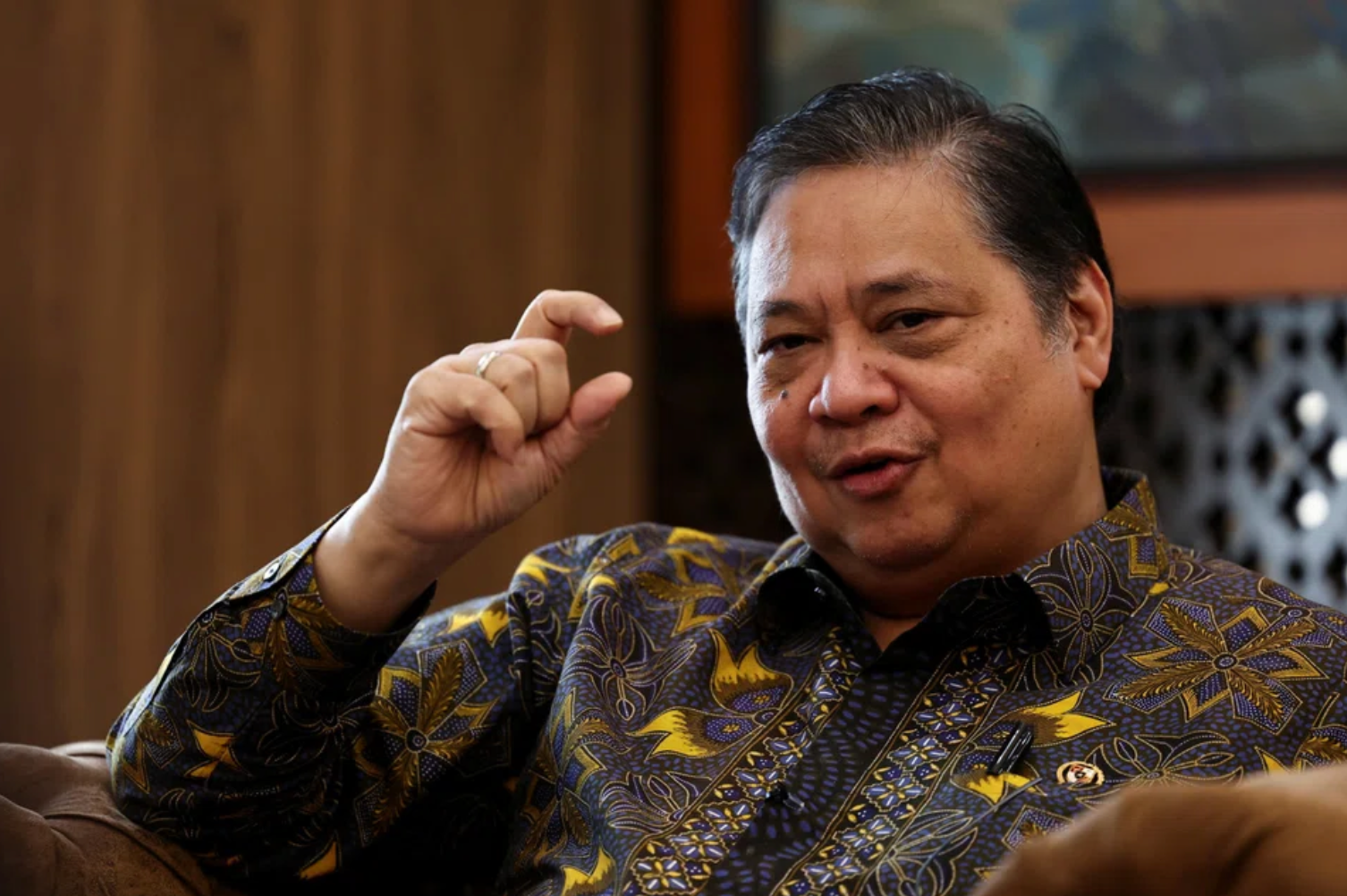
Airlangga says that tests continue regarding the fuel’s impact on automotive engines. (REUTERS)
On January 13, Indonesia announced that its plan to introduce a B50 biodiesel mandate—blending 50% palm oil-based fuel with diesel—will depend on the price gap between crude oil and crude palm oil (CPO). While the government had targeted a launch in the second half of 2026, current conditions have led President Prabowo Subianto to prioritise maintaining the existing B40 mandate for now. The biodiesel programme is subsidised through palm oil export levies, making its fiscal viability sensitive to commodity price movements. Authorities continue to review the policy and conduct technical tests on the impact of higher biodiesel blends on automotive engines.
The delay in moving to B50 tempers near-term demand growth for palm oil, affecting revenue expectations for producers while keeping longer-term prospects open. Energy companies and fuel distributors benefit from short-term policy stability under B40 but face continued uncertainty around future blending requirements and subsidy levels. Automotive manufacturers and suppliers remain cautious as higher biodiesel blends could eventually influence engine standards and maintenance costs. Overall, Indonesia’s biodiesel policy continues to expose the energy and agribusiness sectors to volatility in global oil and palm oil prices, shaping investment and planning decisions across the value chain.
About The Author