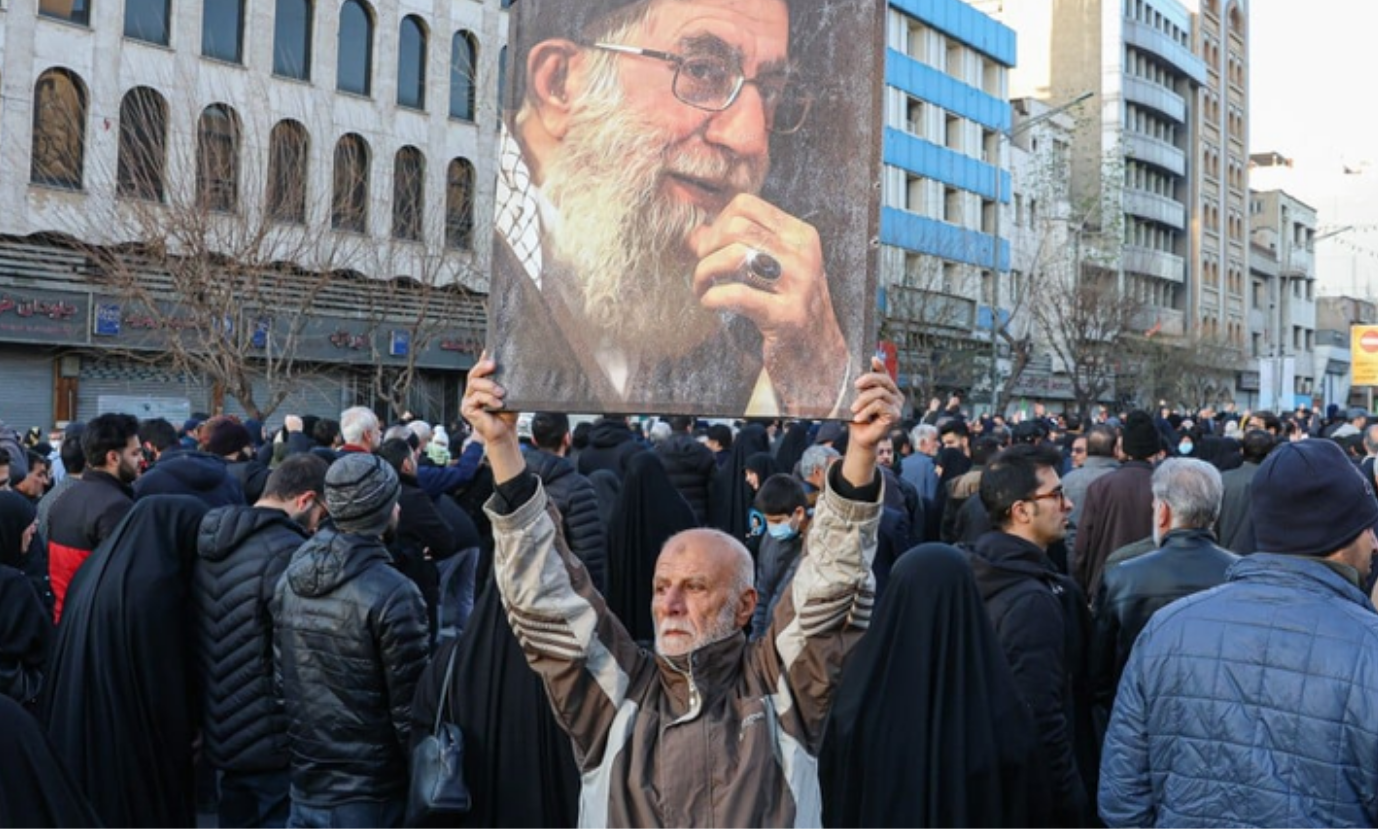
Crowds gather in Tehran to mourn Iran’s Supreme Leader Ayatollah Ali Khamenei, as supporters pay tribute during a period of national grief following his death. (Xinhua)
Following the attacks and retaliations between US-Israel and Iran starting on February 28, Southeast Asian countries are divided in their reaction. Malaysia’s Prime Minister Anwar Ibrahim delivered the strongest condemnation to US-Israeli attacks, saying that the attack on Iranian soil will ‘bring the Middle East to the edge of catastrophe’. He also blatantly denounced Zionism for its ‘cruelty’. The PM tabled an emergency motion in Parliament to address the wide-ranging air strikes, which received a rare unanimous supporting votes from all political sides.
He described the action as hypocrisy, as the strikes took place while Tehran was still engaged in negotiations with Washington in a peace process brokered by Oman. “In my engagements with the American and European leadership, I am uneasy about their lectures on human rights and democracy,” the PM said. “We can no longer swallow such arguments from them.”
Malaysia’s Parliament had earlier observed a moment of silence. Mr Anwar expressed the country’s condolences to Iran, Mr Khamenei and his family, the Middle Eastern country’s leaders, as well as the 180 children killed in Israel’s bombing of a girls’ primary school in the Minab district.
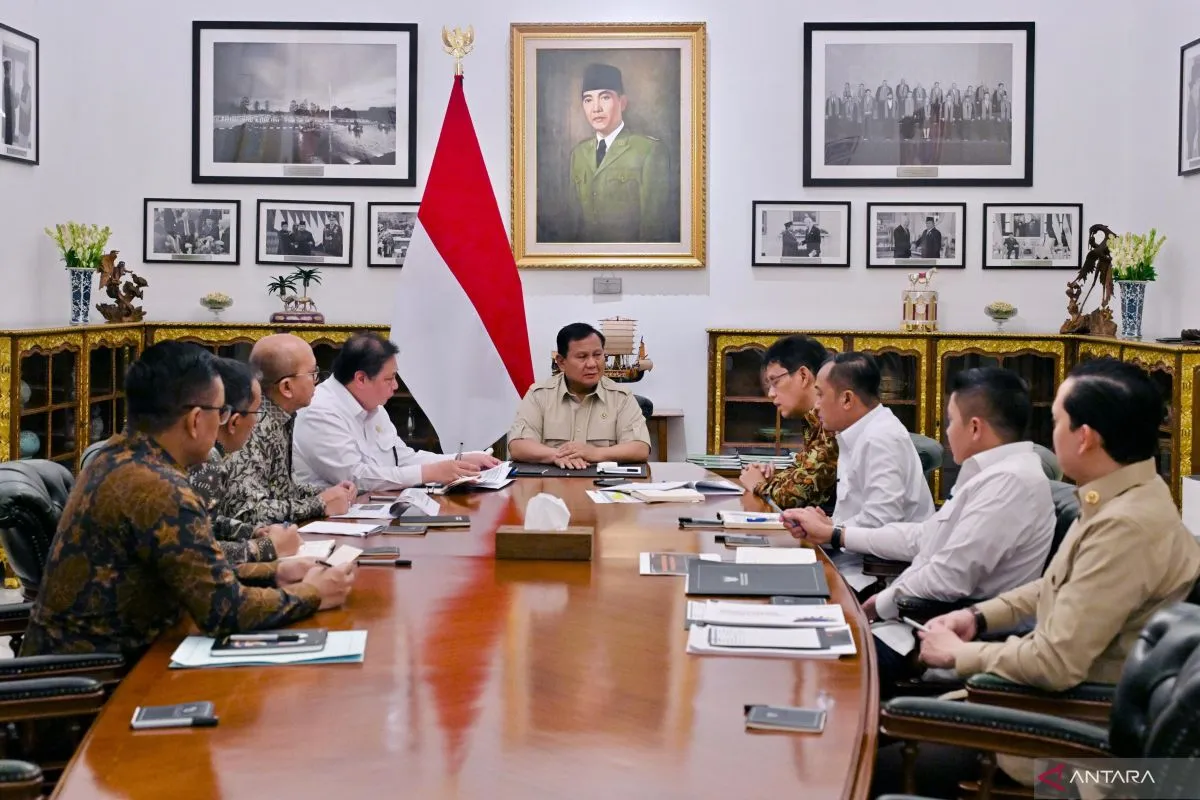
The political reaction put Kuala Lumpur amongst the strongest critic of the US-Israeli strikes. Most Southeast Asian nations—including Singapore, Thailand, Vietnam, the Philippines and Indonesia—expressed their grave concerns, calling for restraint and resorting to diplomatic mechanisms. Separately, Indonesian President Prabowo Subianto showed willingness to conduct mediation, although conflicting parties have not made official response towards the offer.
About The Author