Lao Government Increases Minimum Wage to Combat Rising Living Costs. (Hukbanna Prime)
Rising living costs in Laos are prompting authorities to reconsider the national minimum wage, as households face increasing financial strain. Although the minimum wage was raised to LAK 2.5 million (USD 116) in late 2024, inflation has continued to climb, reaching 6.2 per cent in February and eroding real incomes.
In response, policymakers and stakeholders are weighing several options. Government officials favour a gradual adjustment, proposing a base wage of LAK 2.7 million (USD 125), supplemented by allowances to bring total earnings to around LAK 3.6 million (USD 167). Labour groups, however, argue that a more substantial increase to LAK 4.1 million (USD 190) is necessary to keep pace with the sharp rise in daily expenses. Employers remain cautious, supporting a smaller increase to LAK 2.8 million (USD 131) to avoid placing excessive pressure on businesses.
The debate comes against a backdrop of rapidly rising costs. Fuel prices have nearly doubled within weeks, while expenses related to electricity, housing, and basic services continue to climb. As a result, many households are experiencing a noticeable decline in purchasing power, intensifying calls for government intervention.
It is a politically sensitive moment as Laos just concluded its national elections a month ago and as Vientiane is drafting its crucial 5-year plan. The country started the year on a strong footing as inflation went below 6% in 2025 after years of double-digit rates and public debt fell to 90% of GDP, down from 130% in 2022. However, the instability could reverse this positive trend.
What does it mean for businesses?
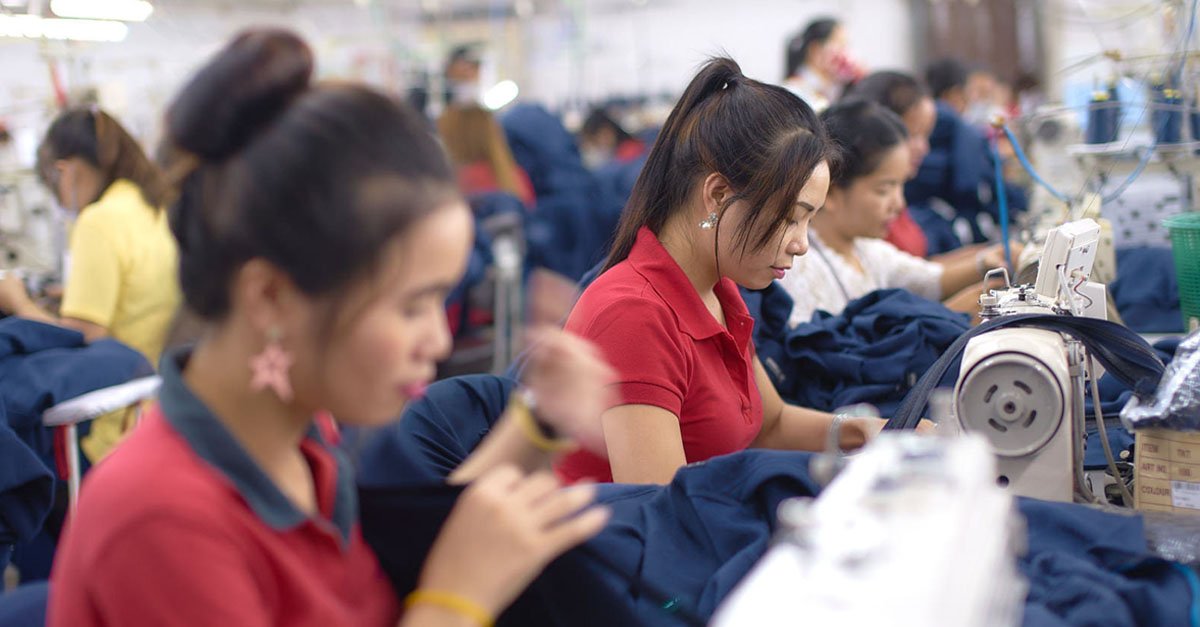
Any significant wage adjustment is likely to have uneven effects across the economy. For firms operating on tight margins, particularly in labour-intensive industries, higher wages could translate into increased costs and reduced flexibility in hiring. Some businesses may attempt to offset this through price increases or productivity gains, though these adjustments may not fully absorb the impact.
At the same time, higher wages could provide a modest boost to domestic demand by improving household spending capacity. The challenge for Laos lies in managing this trade-off. Moving too aggressively risks weakening its cost competitiveness, while a limited increase may do little to ease financial pressure on workers.
About The Author