
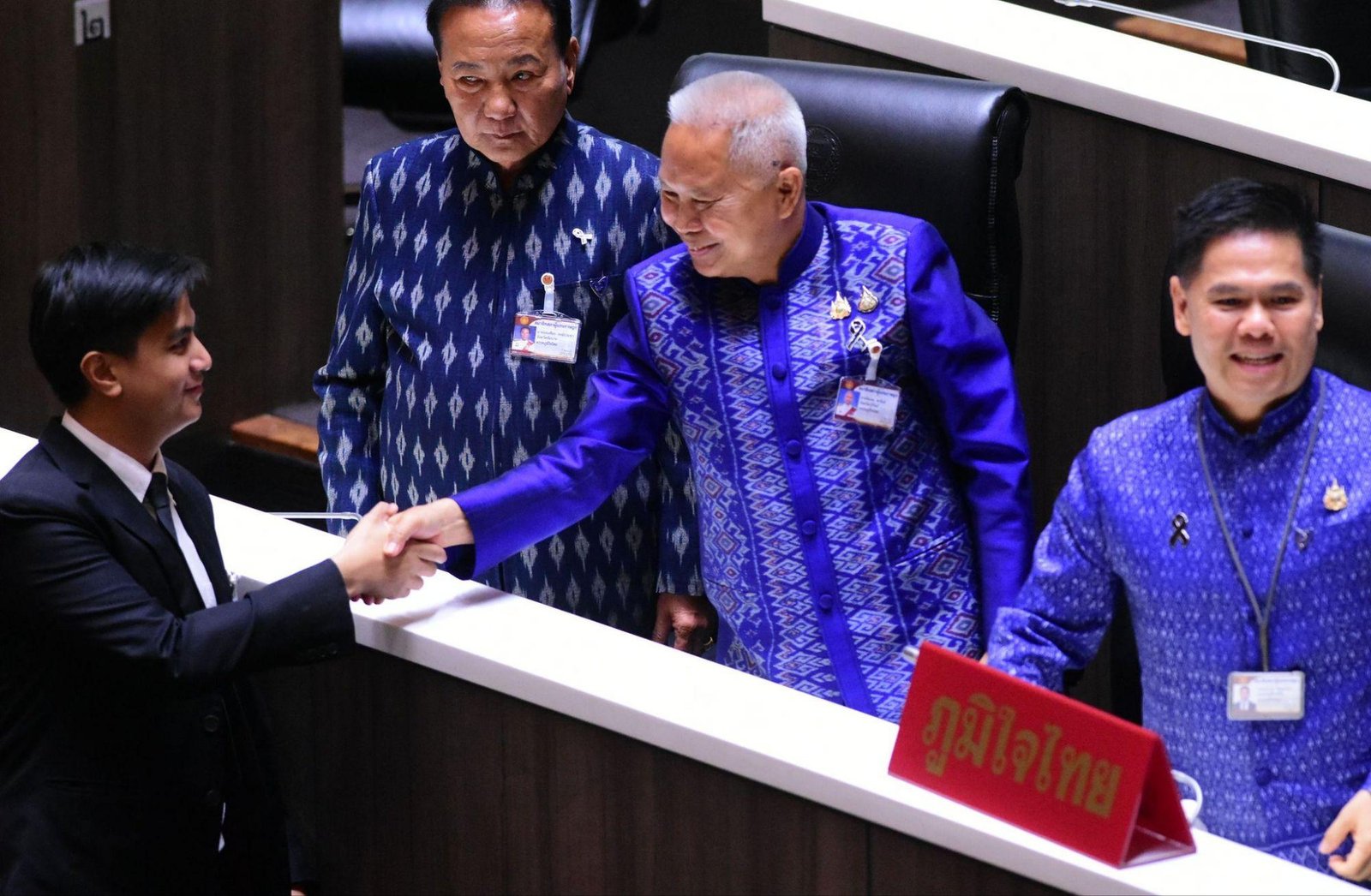
On March 15, Thailand’s House of Representatives formally elected its speaker. This parliamentary session was formally convened by the King Rama X on March 14, before MPs cast secret ballots on the following day. Among 497 MPs, 289 supported Sophon Saram, while 80 abstained and five ballots were invalid.
Category: Thailand
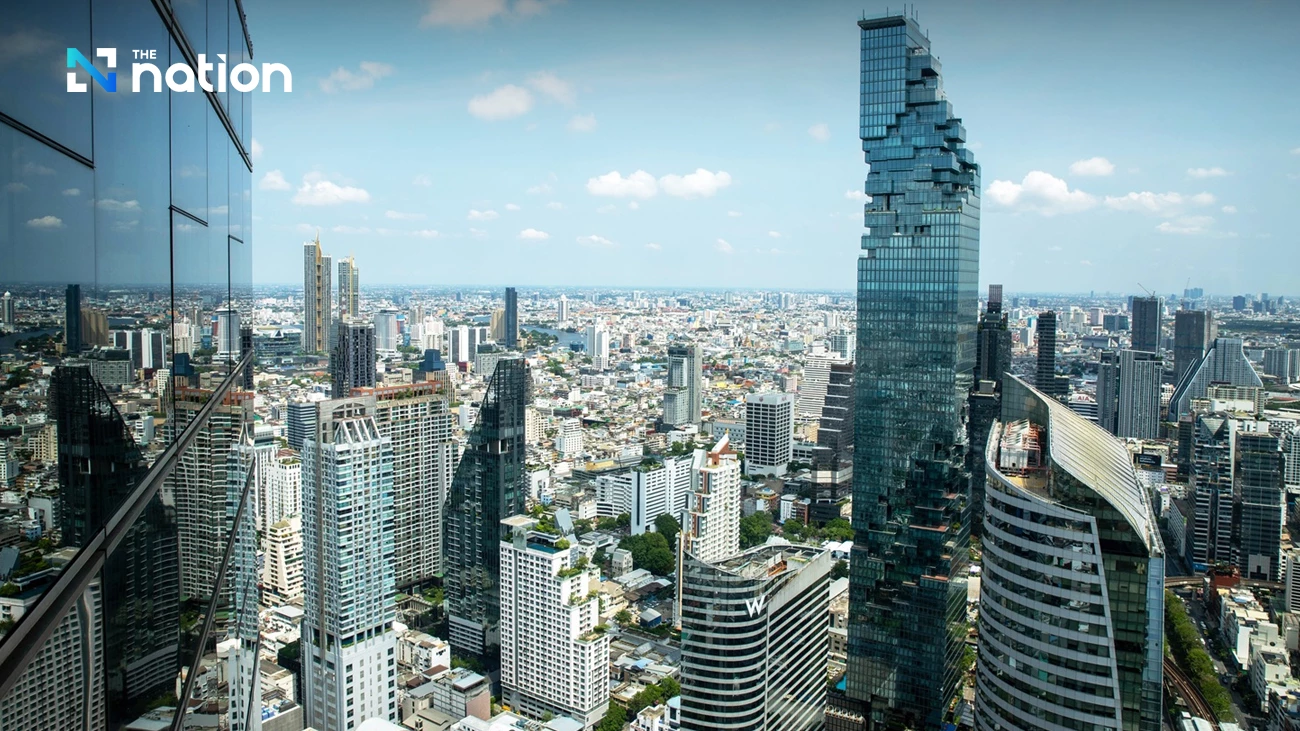
Bangkok ranked second among Asia’s Best Cities for 2026
On March 13, Bangkok Metropolitan Administration (BMA) through The Nation Thailand announced that Bangkok has returned to the global top 10 in the latest Best Cities ranking by Time Out.
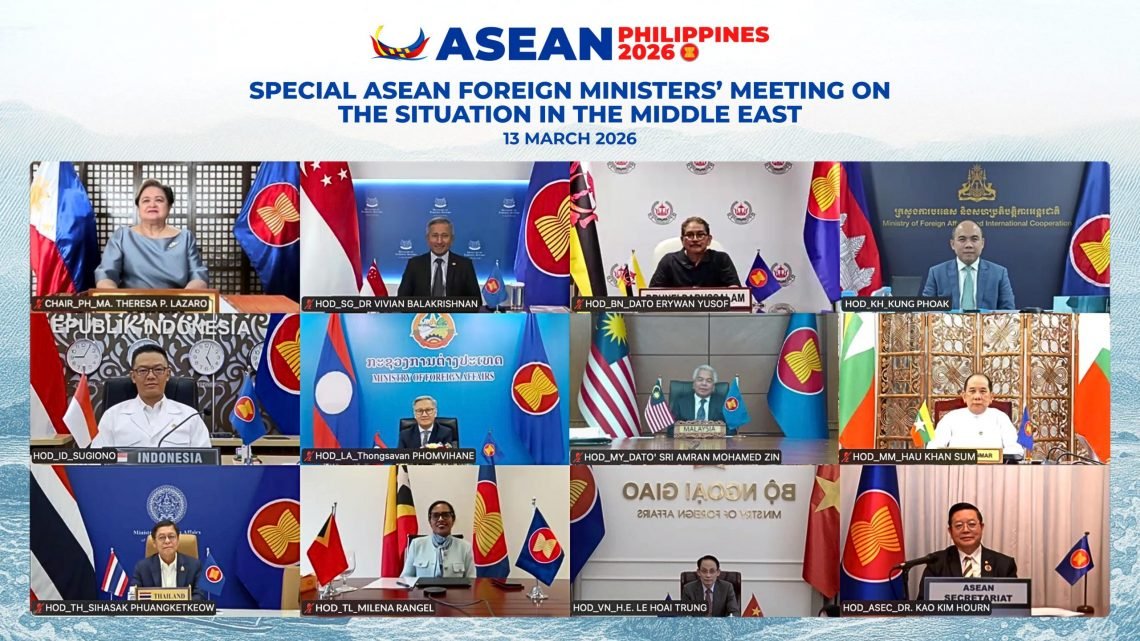
ASEAN raises alarm over energy concern due to Middle East conflict
ASEAN’s foreign ministers have urged diplomatic and peaceful solutions to the escalating crisis in Middle East, warning that the conflict could drive up energy prices, worsen inflation and threaten food security across the region.
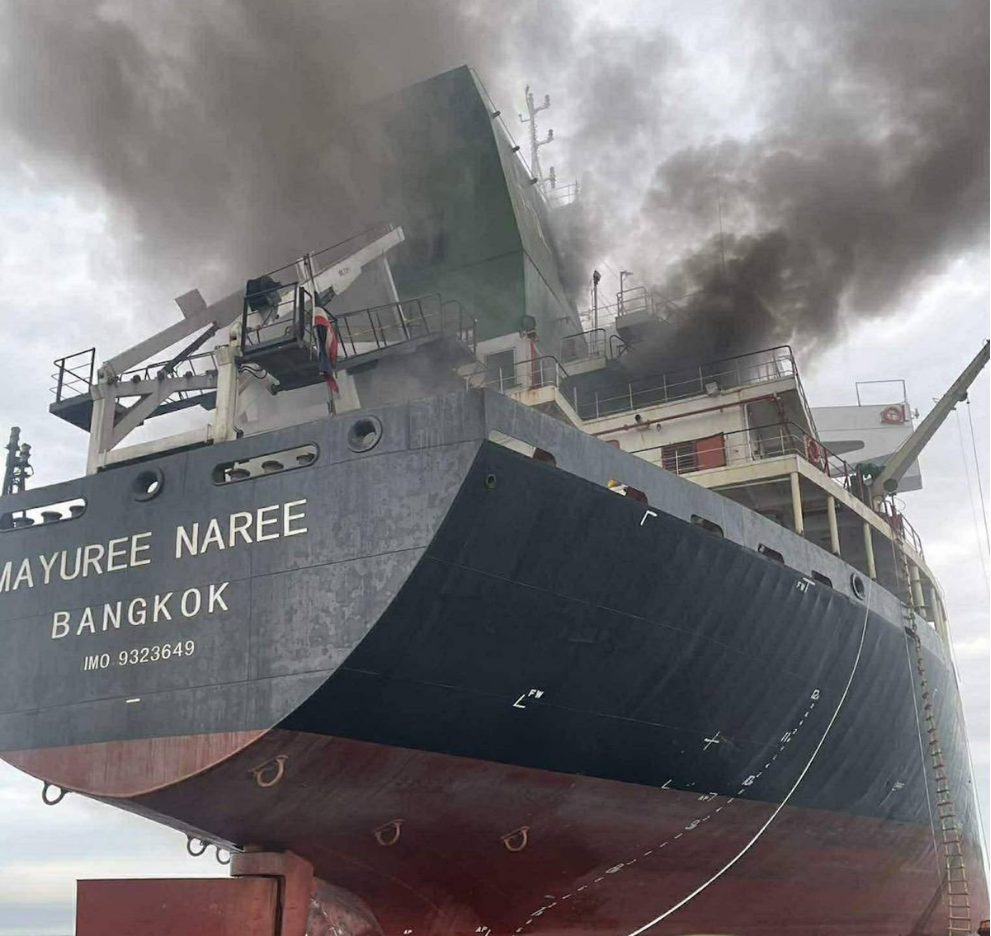
Thai cargo vessel struck in the Strait of Hormuz, three crew missing
A Thai-flagged cargo ship, Mayuree Naree, was hit by projectiles while transiting 11 nautical miles north of Oman on March 11, causing the vessel to catch fire.
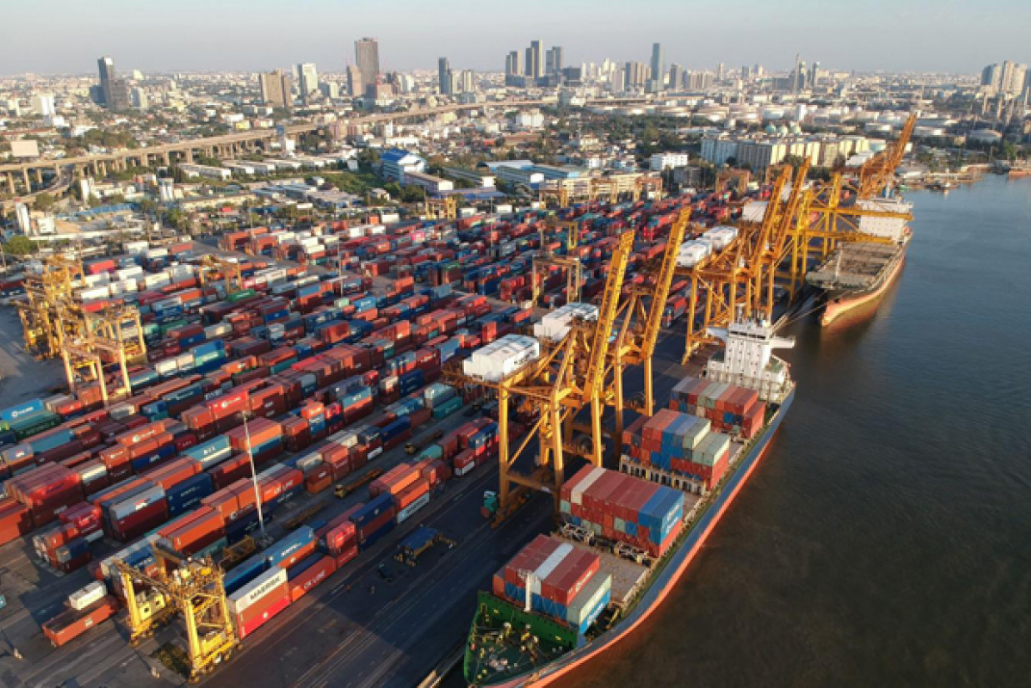
Thailand unveils export resilience strategy amid global trade uncertainty
On March 8, Thailand recorded a strong export performance in 2025, with international trade reaching a record US$339.6 billion (THB11.138 trillion), up 12.9% from 2024 and exceeding the government’s 2–3% growth target.
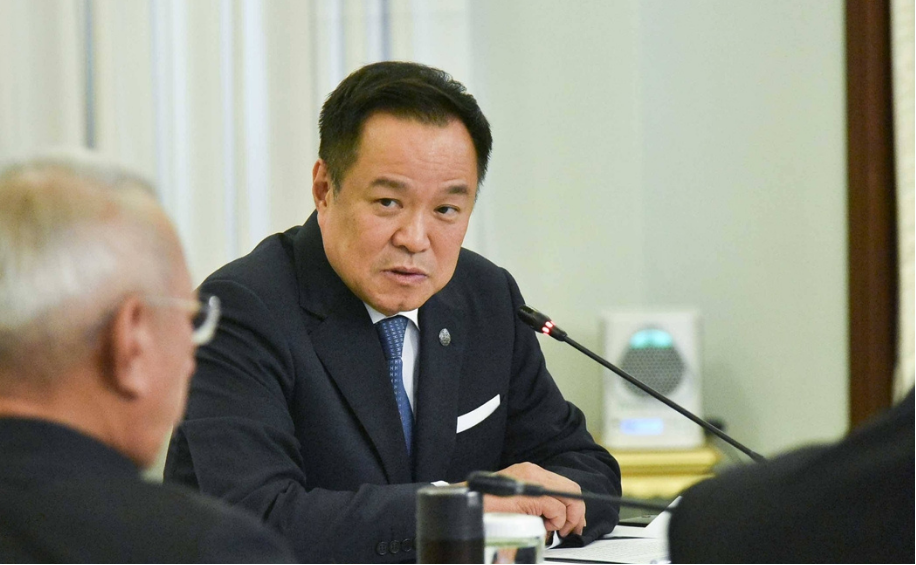
Thailand to suspend fuel exports amid Middle East tensions
On March 6, Thailand has ordered the immediate suspension of several fuel exports in an effort to prevent potential domestic shortages as escalating tensions in the Middle East continue to disrupt global energy routes.
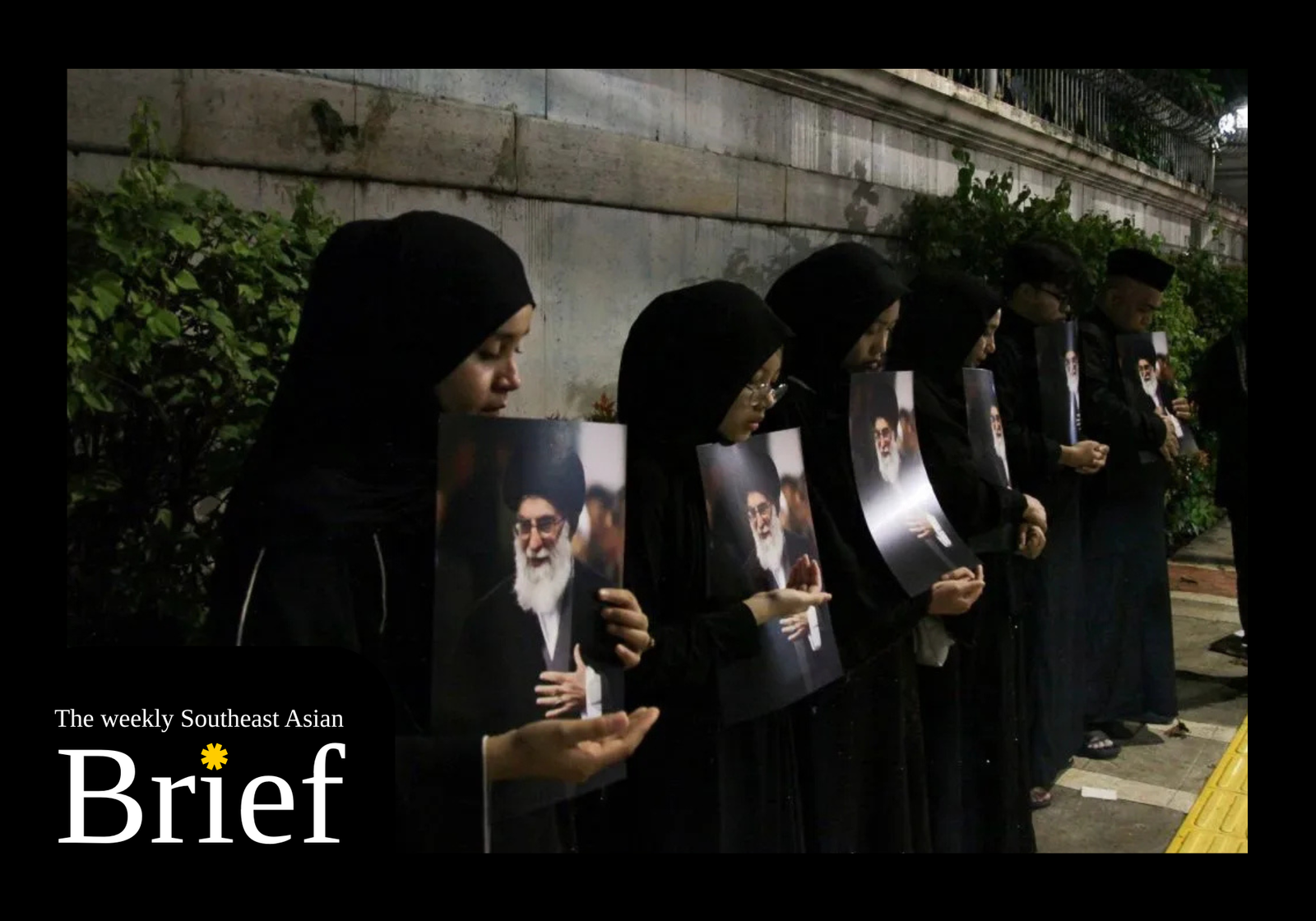
Southeast Asia divided in reaction to the Middle East crisis
The US-Israel strikes on Iran, which killed the latter’s Supreme Leader Ayatollah Ali Khamenei and his influential aides on February 28, prompted different reactions across Southeast Asia. While geographically distant, Southeast Asian governments stated concerns, expressed with cautious language, economic anxiety, and, in some countries, blunt condemnation.
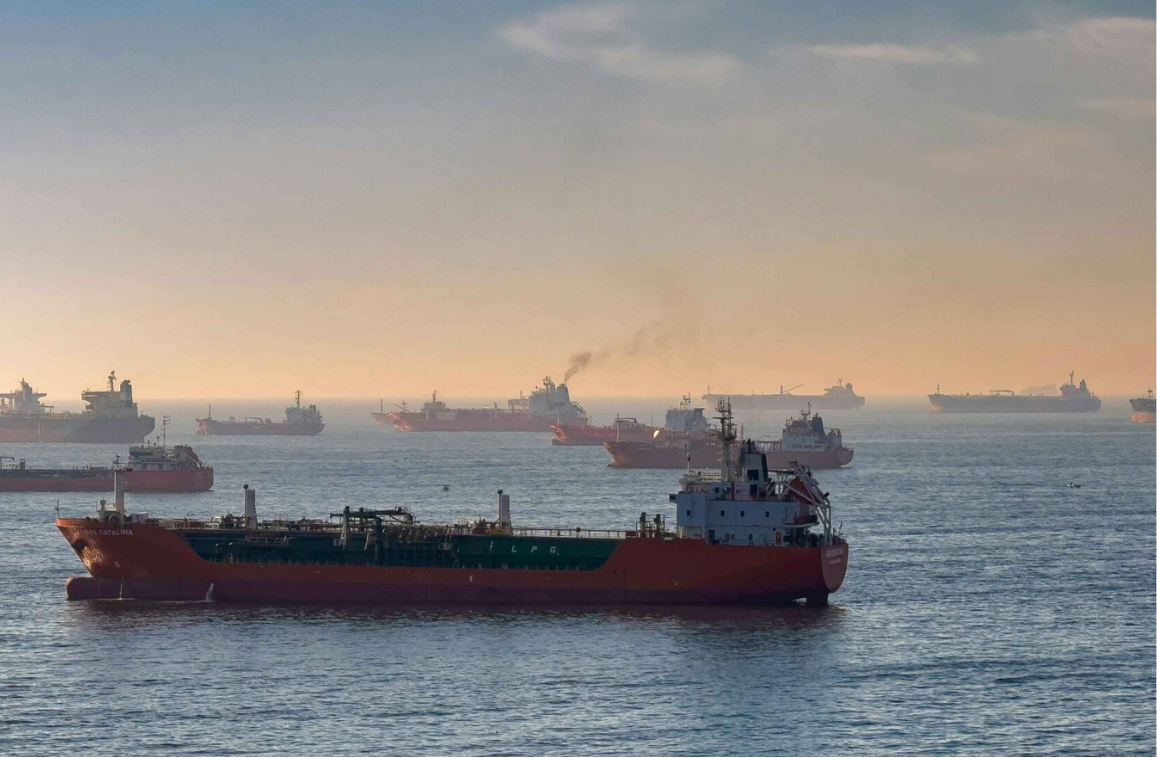
Southeast Asian states respond to Middle East crisis-driven fuel pressures
Following rising tension between US-Israel and Iran that started on February 28, fuel prices and demand in Southeast Asia have surged. One major factor was the blockade of Hormuz Strait which disrupted the global energy supply-chain through which 13 million barrels of oil per day are transported. There are rising concerns over liquefied petroleum gas (LPG) and gasoline rarity.
To anticipate further consequences, some Southeast Asian governments have introduced different measures. Myanmar restricts the use of personal cars as gasoline and diesel are two sources of energy in the country.

Thailand Opted for Stability, Not Reform. What Follows?
This content is restricted.
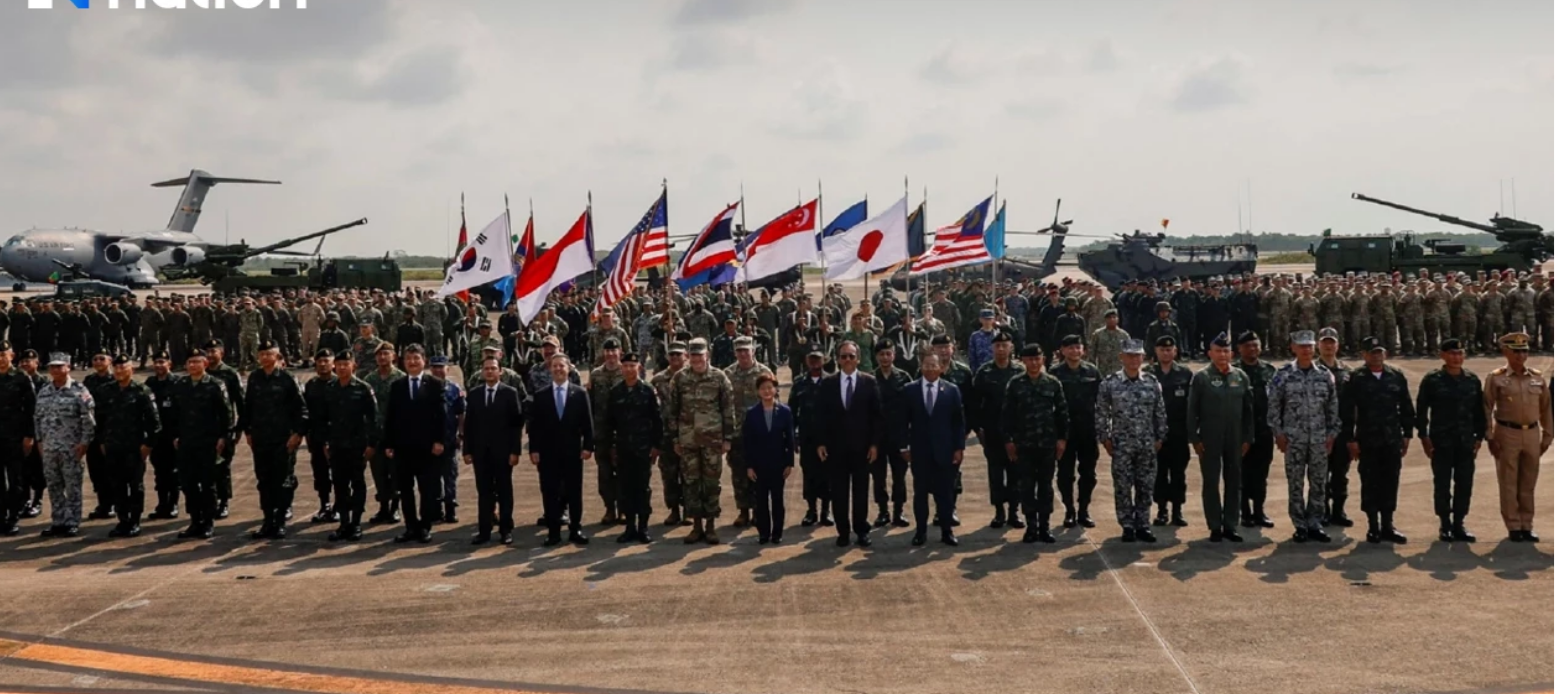
Thirty nations join Asia’s largest joint exercise training in Thailand
Troops from 30 nations take part in the 45th Cobra Gold drills, strengthening regional defense and disaster response coordination. (The Nation) On February 26, 30 […]