
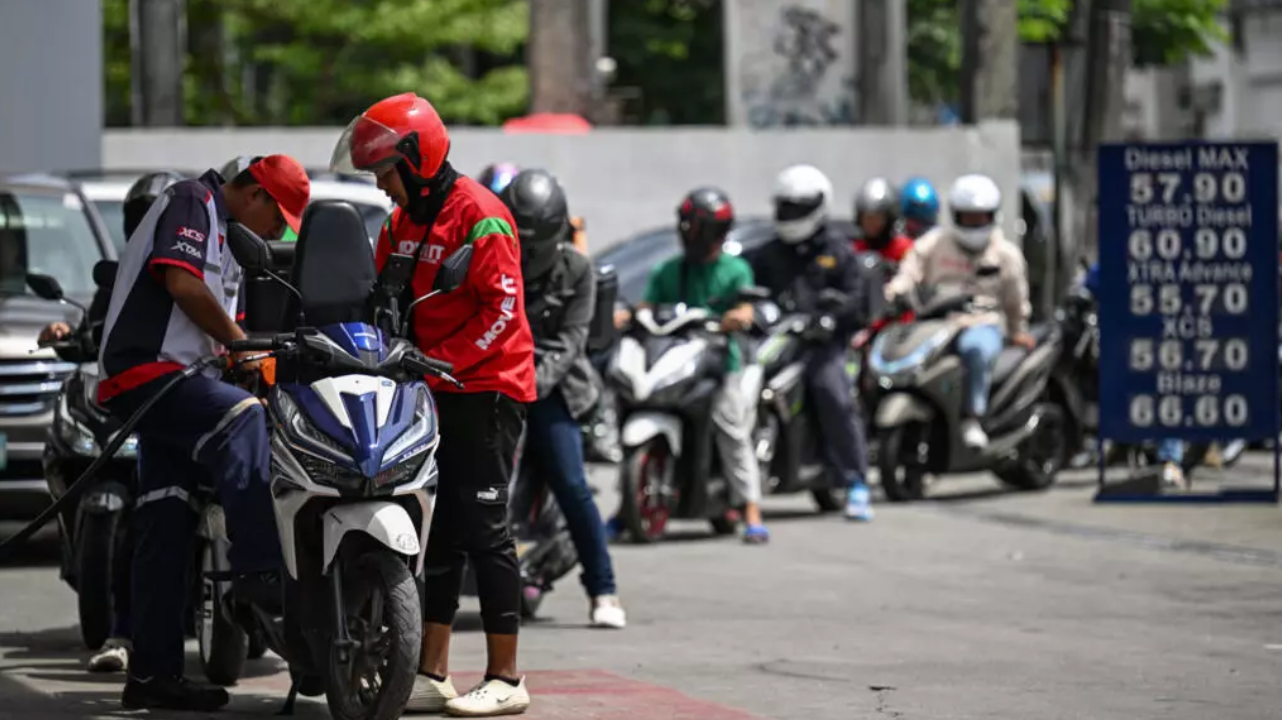
On March 10, the Philippine government assured the public that fuel and essential goods remain sufficiently supplied despite rising global oil prices linked to tensions in the Middle East.
Category: Economy
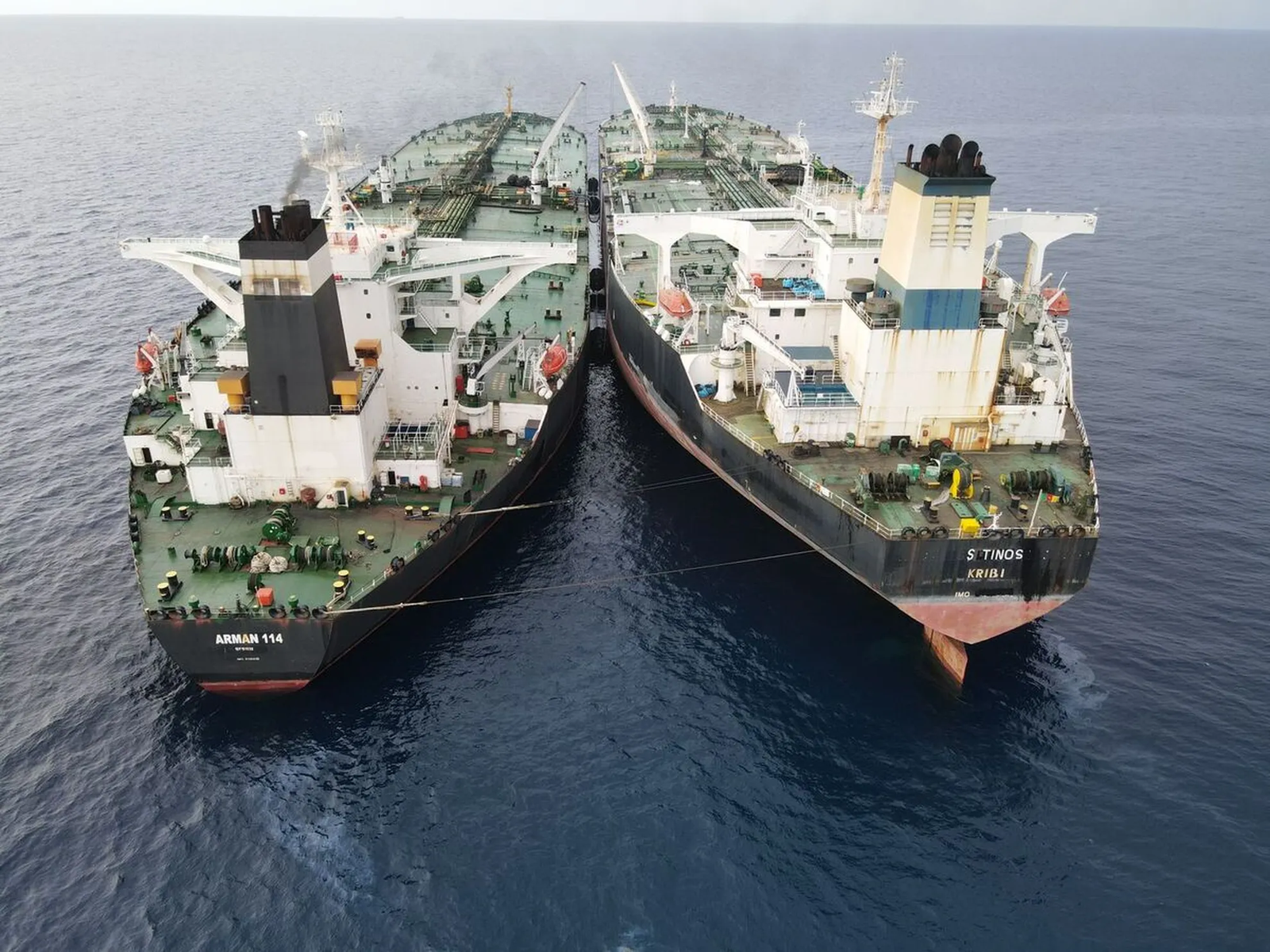
Myanmar’s fuel supply from Iran faces disruption as war ravages Middle East
In violation of international sanctions against Tehran, the Myanmar junta imported gasoline from Iran as many as three times from December 2025 to the initial stage of the war between Iran and the US-Israel on February 28.
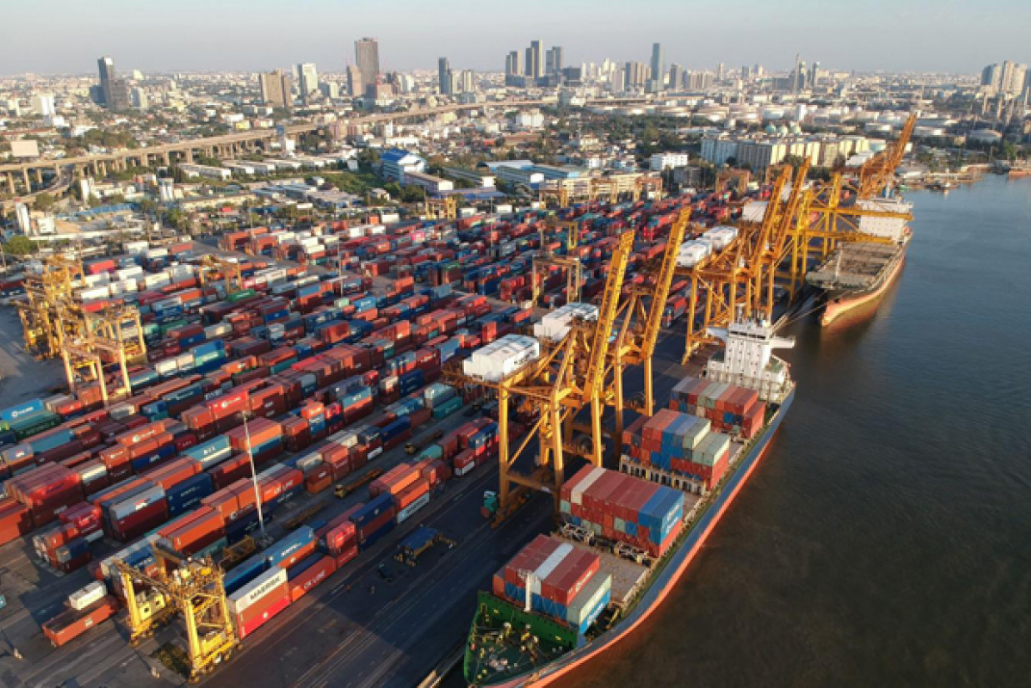
Thailand unveils export resilience strategy amid global trade uncertainty
On March 8, Thailand recorded a strong export performance in 2025, with international trade reaching a record US$339.6 billion (THB11.138 trillion), up 12.9% from 2024 and exceeding the government’s 2–3% growth target.

Laos economy stabilises, but high debt remains a key risk
On March 6, Laos has made progress in stabilising its economy after a period of severe inflation and currency pressure, according to the International Monetary Fund (IMF).
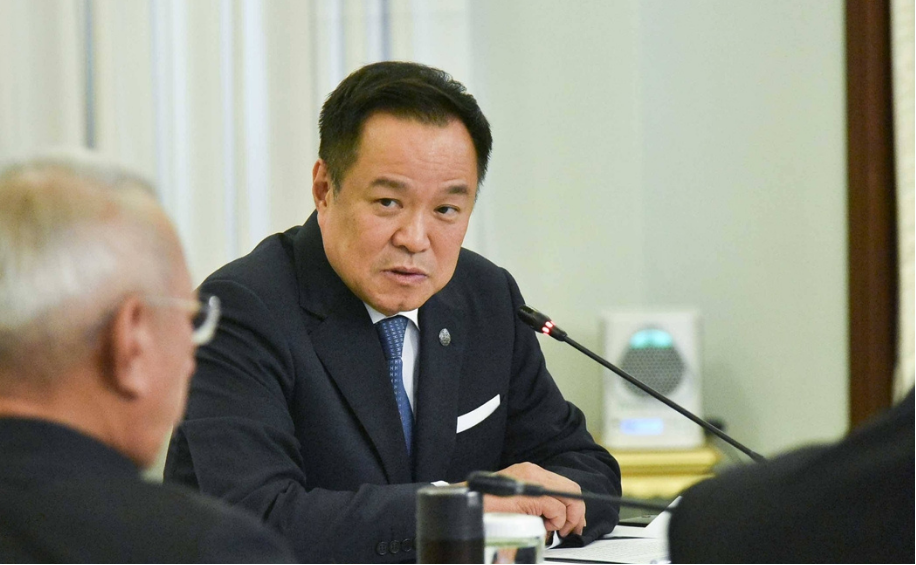
Thailand to suspend fuel exports amid Middle East tensions
On March 6, Thailand has ordered the immediate suspension of several fuel exports in an effort to prevent potential domestic shortages as escalating tensions in the Middle East continue to disrupt global energy routes.
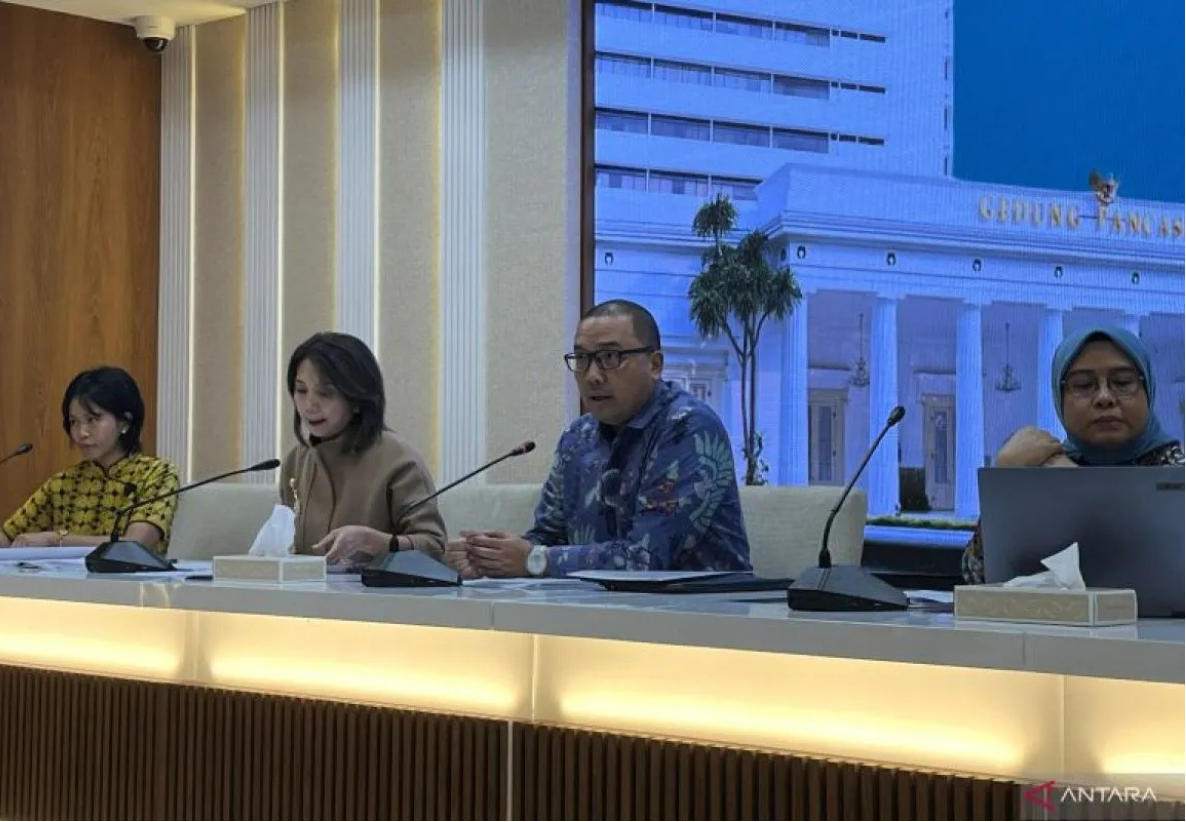
Indonesia seeks safe passage for oil tankers amid Middle East tensions
Indonesia’s Foreign Ministry said it is maintaining close communication with Iranian authorities to ensure the safety of two oil tankers operated by state-owned oil company Pertamina that are stranded in the Strait of Hormuz amid ongoing tensions involving Iran, the US and Israel.
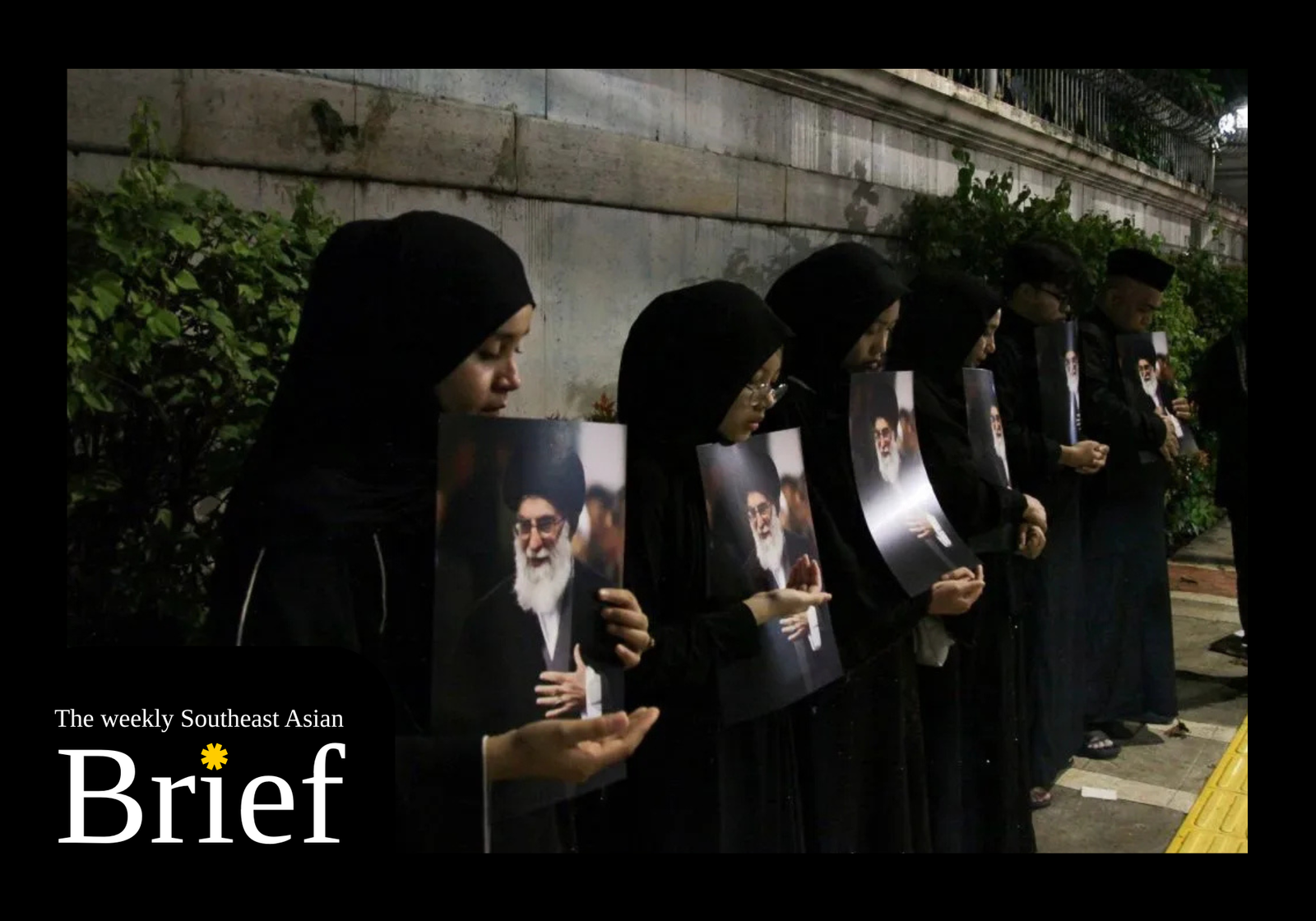
Southeast Asia divided in reaction to the Middle East crisis
The US-Israel strikes on Iran, which killed the latter’s Supreme Leader Ayatollah Ali Khamenei and his influential aides on February 28, prompted different reactions across Southeast Asia. While geographically distant, Southeast Asian governments stated concerns, expressed with cautious language, economic anxiety, and, in some countries, blunt condemnation.
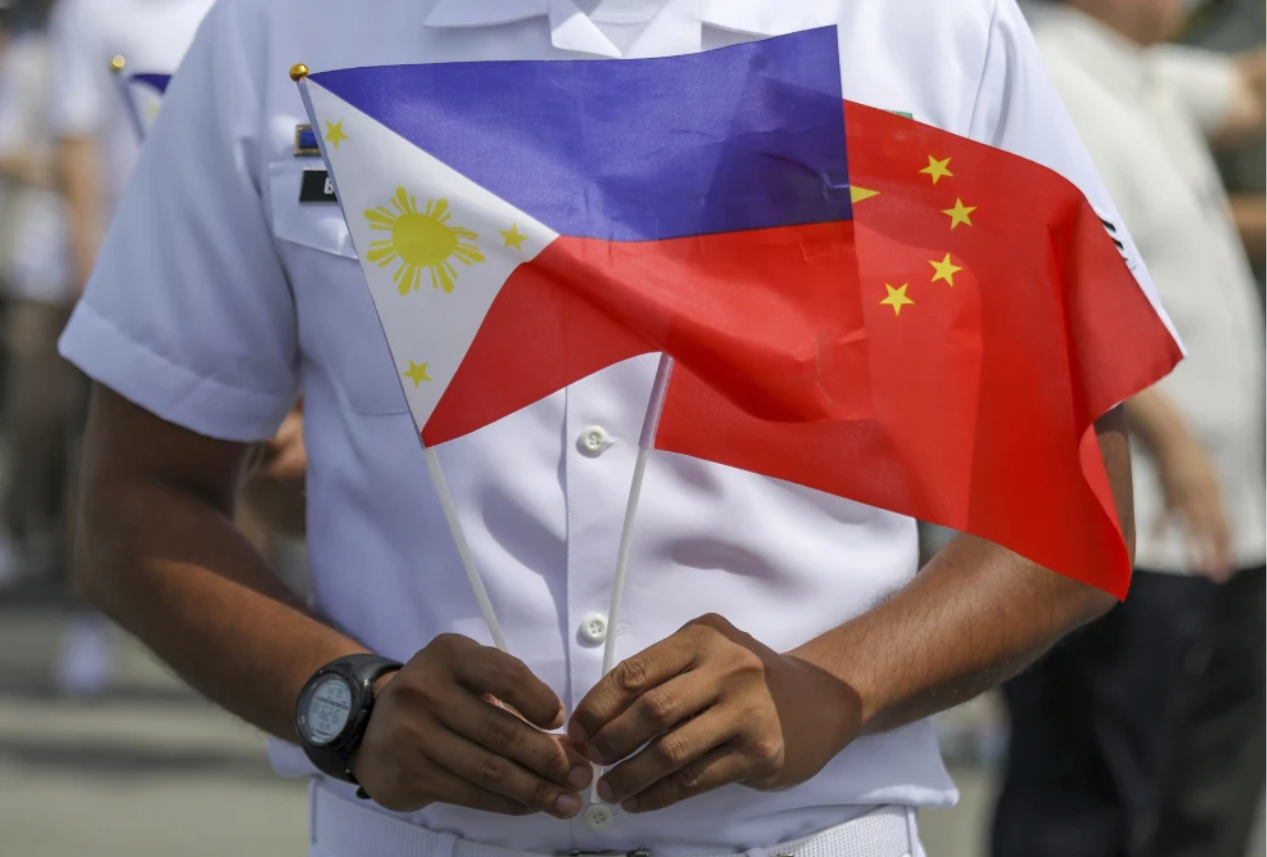
Philippines confronts alleged Chinese intelligence activity
The Philippines’ National Security Council (NSC) revealed a clandestine Chinese intelligence operations on its territory on March 4.
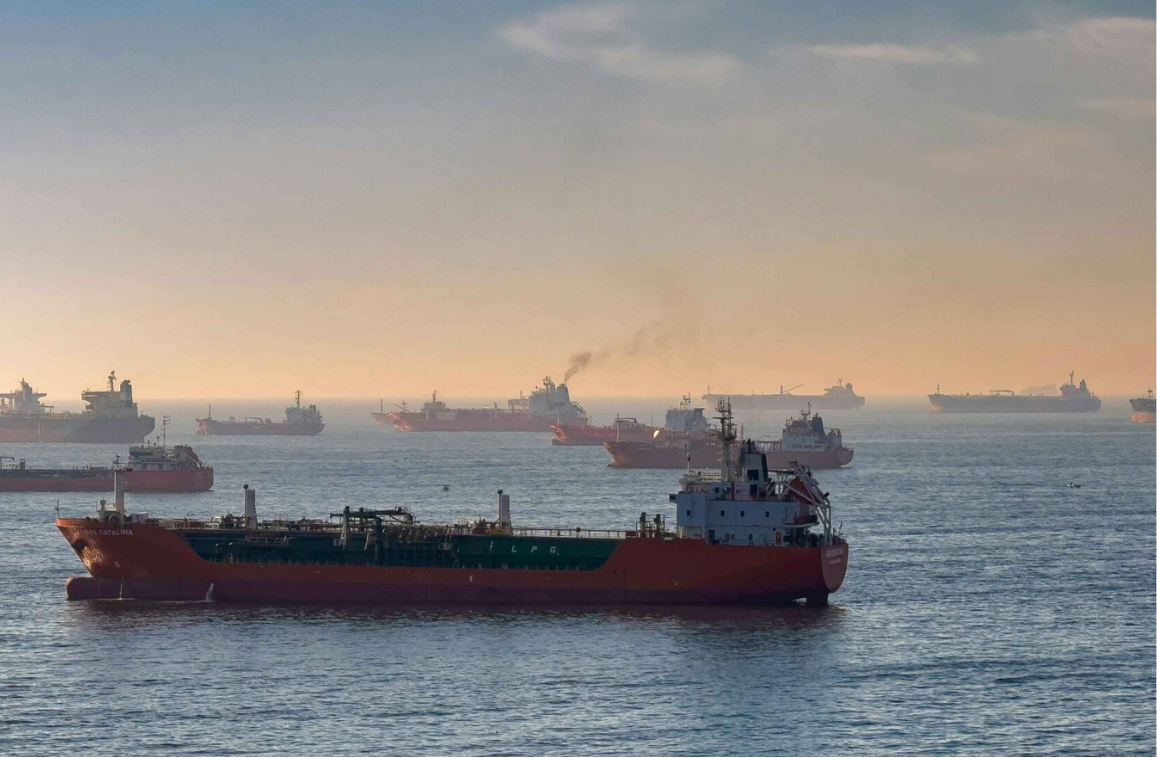
Southeast Asian states respond to Middle East crisis-driven fuel pressures
Following rising tension between US-Israel and Iran that started on February 28, fuel prices and demand in Southeast Asia have surged. One major factor was the blockade of Hormuz Strait which disrupted the global energy supply-chain through which 13 million barrels of oil per day are transported. There are rising concerns over liquefied petroleum gas (LPG) and gasoline rarity.
To anticipate further consequences, some Southeast Asian governments have introduced different measures. Myanmar restricts the use of personal cars as gasoline and diesel are two sources of energy in the country.
Middle East tensions threaten Cambodia’s investment and tourism outlook
On March 3, Cambodian business leaders voiced concern over the escalating conflict involving the US, Israel, and Iran, warning of potential economic spillovers.