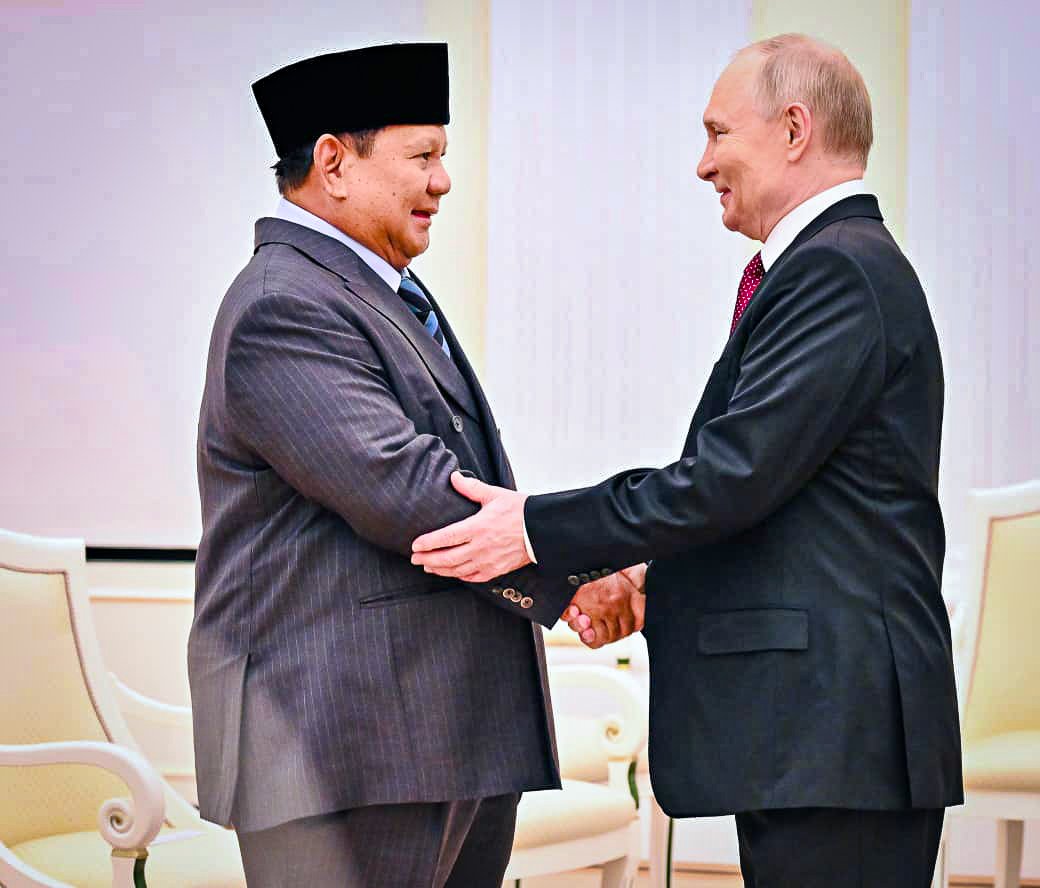
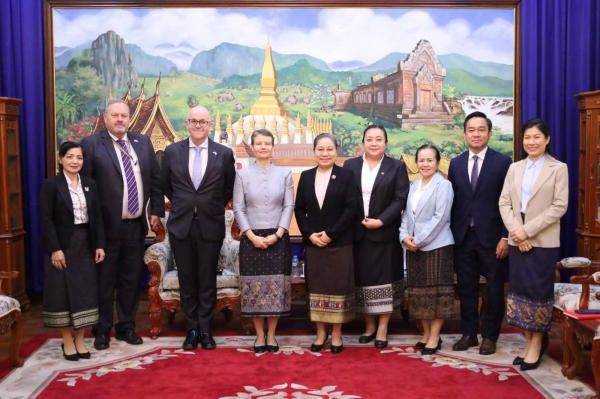
Philippine and Singaporean Officials exchange Letters of Intent on electricity interconnection and nuclear energy cooperation on October 26 at SIEW 2026. (Philippine Embassy in Singapore)
On October 26, Singapore and the Philippines are exploring cooperation in the peaceful use of nuclear energy, as both countries seek to diversify their energy options and strengthen regional energy security.
Singapore’s Minister for Energy, Trade and Industry (ETI) Tan See Leng announced the initiative during the International Atomic Energy Agency (IAEA) forum at Singapore International Energy Week (SIEW) 2026. The announcement follows the exchange of letters of intent between the two countries to explore cooperation in nuclear energy capability development and cross-border electricity interconnection.
Singaporean Minister Tan noted that nuclear energy could provide a reliable, low-carbon electricity source as Asian economies face rising energy demand. He also highlighted advances in technologies such as small modular reactors (SMRs), which could offer additional options for countries considering nuclear power.
However, he stressed that nuclear development requires careful preparation and cooperation to ensure safety and security.
Singapore plans to undertake the IAEA’s Integrated Nuclear Infrastructure Review (INIR) Phase 1 mission from 2027 to assess the country’s preparedness for a potential nuclear power programme, while strengthening expertise in areas such as regulation, workforce development, financing and technology assessment before making an informed decision on deployment.
Singapore will also deepen regional discussions on nuclear energy when it assumes the ASEAN chairmanship in 2027, highlighting the role of the existing regional network through the ASEAN Network of Regulatory Bodies on Atomic Energy (ASEANTOM), in supporting cooperation on nuclear safety and regulation.
For the Philippines, the discussions form part of broader efforts to diversify its energy mix and improve supply security. Meanwhile, the cooperation with Singapore could provide opportunities for technical training, nuclear safety expertise and technology assessment as the Philippines considers nuclear power as a possible long-term energy option.
The initiative signals growing interest in nuclear energy as Southeast Asian countries seek reliable, lower-carbon power sources. But, the exchange of letters of intent only represents an exploratory step, not a commitment to build nuclear facilities. Progress will still depend on regulatory preparedness, technical expertise, financing and public confidence in nuclear safety.
About The Author